
Oil and Gas Industry Overview
Oil and Gas Industry Overview
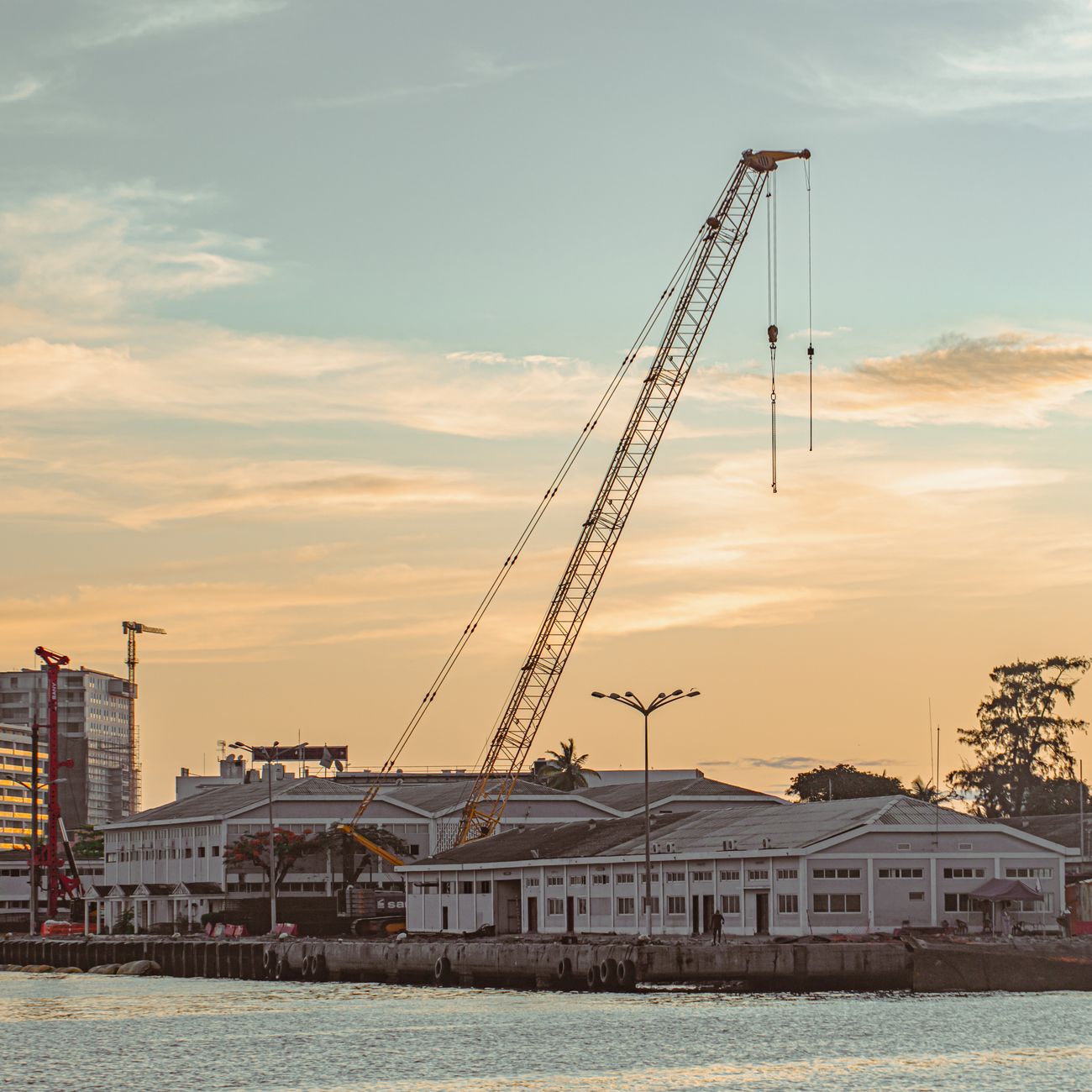
Oil and Gas Industry Overview
The oil and gas industry is a complex and crucial sector that plays a significant role in the global economy. It involves the exploration, extraction, refining, and distribution of oil and natural gas resources. These resources are used to produce various products such as gasoline, diesel, jet fuel, heating oil, and petrochemicals. The industry is characterized by high capital investment, technological advancements, and geopolitical implications.
Key Terms and Vocabulary
1. Upstream
The upstream sector of the oil and gas industry involves activities related to the exploration and production of oil and natural gas. This includes locating potential reserves, drilling wells, and extracting hydrocarbons from the ground. Upstream companies are often referred to as exploration and production (E&P) companies.
Example: ExxonMobil is a major player in the upstream sector, with operations in various countries around the world.
Challenges: Upstream operations face challenges such as volatile commodity prices, regulatory hurdles, and environmental concerns.
2. Downstream
The downstream sector of the oil and gas industry involves activities related to the refining, processing, and distribution of oil and gas products. This includes converting crude oil into refined products like gasoline, diesel, and jet fuel, as well as marketing and selling these products to consumers.
Example: Shell operates refineries and retail outlets worldwide, making it a key player in the downstream sector of the industry.
Challenges: Downstream operations face challenges such as changing consumer preferences, competition from alternative energy sources, and regulatory compliance.
3. Midstream
The midstream sector of the oil and gas industry involves activities related to the transportation and storage of oil and gas products. This includes pipelines, tankers, and storage facilities that help move products from production sites to refineries and distribution centers.
Example: Kinder Morgan is a leading midstream company that operates a vast network of pipelines and terminals in North America.
Challenges: Midstream operations face challenges such as regulatory approvals for new infrastructure projects, environmental concerns, and cybersecurity risks.
4. Reserves
Reserves refer to the estimated amount of oil and gas that can be technically and economically recovered from a particular field or region. Reserves are classified into proved, probable, and possible categories based on the degree of certainty of their existence and recoverability.
Example: Saudi Arabia has some of the largest oil reserves in the world, which have made it a dominant player in the global oil market.
Challenges: Reserves estimation can be challenging due to geological uncertainties, technological limitations, and economic factors.
5. Production Sharing Agreement (PSA)
A Production Sharing Agreement is a contract between a government and an oil and gas company that governs the exploration and production of hydrocarbons in a specific area. Under a PSA, the government retains ownership of the resources while the company bears the exploration and production risks in exchange for a share of the production.
Example: ExxonMobil signed a PSA with the government of Guyana to develop oil reserves off its coast, leading to a significant increase in production for the company.
Challenges: PSAs can be complex and subject to renegotiation due to changing market conditions, political instability, and disputes over revenue sharing.
6. Joint Venture (JV)
A Joint Venture is a partnership between two or more companies to collaborate on a specific project or business venture. In the oil and gas industry, JVs are commonly formed to share risks, costs, and expertise in exploration, production, or other activities.
Example: Chevron and Total formed a JV to develop a liquefied natural gas (LNG) project in Australia, leveraging their respective strengths in technology and market access.
Challenges: JVs can face challenges such as conflicting interests, cultural differences, and disagreements over decision-making.
7. Reservoir
A reservoir is a subsurface rock formation that contains oil or gas deposits. Reservoirs are typically composed of porous and permeable rock layers that can trap hydrocarbons and allow for their extraction through wells.
Example: The Permian Basin in Texas is one of the largest oil and gas reservoirs in the United States, attracting significant investment from industry players.
Challenges: Reservoir management involves challenges such as reservoir characterization, production optimization, and reservoir depletion strategies.
8. Seismic Survey
A seismic survey is a geophysical technique used to map subsurface rock formations and identify potential oil and gas reserves. Seismic surveys involve sending sound waves into the ground and recording the reflections to create detailed images of the subsurface.
Example: BP conducted a 3D seismic survey offshore Angola to identify new drilling targets and improve its exploration success rate in the region.
Challenges: Seismic surveys can be expensive and time-consuming, requiring specialized equipment and expertise to interpret the data accurately.
9. Drilling Rig
A drilling rig is a machine used to drill wells for oil and gas exploration and production. There are various types of drilling rigs, including land rigs, offshore rigs, and mobile rigs, each designed for specific drilling environments and depths.
Example: Transocean owns and operates a fleet of drilling rigs, providing services to oil and gas companies around the world.
Challenges: Drilling rigs face challenges such as technical failures, safety hazards, and environmental risks during drilling operations.
10. Crude Oil
Crude oil is a natural resource extracted from the ground that serves as the primary feedstock for the production of various petroleum products. Crude oil is a complex mixture of hydrocarbons that can be refined into products such as gasoline, diesel, and jet fuel.
Example: Brent crude oil is a benchmark grade used to price two-thirds of the world's internationally traded crude oil.
Challenges: Crude oil prices are subject to volatility due to factors such as supply and demand dynamics, geopolitical tensions, and economic conditions.
11. Natural Gas
Natural gas is a fossil fuel composed mainly of methane that is used for heating, electricity generation, and industrial processes. Natural gas is often found in association with oil deposits and can be transported through pipelines or liquefied for export as LNG.
Example: Qatar is a leading exporter of natural gas, with vast reserves and a strong infrastructure for LNG production and export.
Challenges: Natural gas markets face challenges such as oversupply, price competition from alternative energy sources, and regulatory constraints on emissions.
12. Refinery
A refinery is a facility where crude oil is processed to produce refined petroleum products such as gasoline, diesel, and jet fuel. Refineries use various processes such as distillation, cracking, and reforming to separate and convert crude oil components into finished products.
Example: The ExxonMobil refinery in Baytown, Texas, is one of the largest and most complex refineries in the United States, with a capacity of over 560,000 barrels per day.
Challenges: Refineries face challenges such as fluctuating crude oil prices, regulatory compliance, and operational efficiency to meet market demand.
13. LNG (Liquefied Natural Gas)
Liquefied Natural Gas is natural gas that has been cooled to a liquid state for ease of storage and transportation. LNG is odorless, non-toxic, and more energy-dense than natural gas in its gaseous state, making it suitable for long-distance shipping and storage.
Example: Australia is a major producer and exporter of LNG, with several liquefaction plants on its coast serving markets in Asia and beyond.
Challenges: LNG projects face challenges such as high capital costs, long lead times for development, and market volatility in pricing and demand.
14. Shale Oil and Gas
Shale oil and gas are unconventional hydrocarbons extracted from shale rock formations through hydraulic fracturing or "fracking." Shale resources have transformed the energy landscape in recent years, leading to increased production and energy independence for countries like the United States.
Example: The Permian Basin in Texas and the Marcellus Shale in Pennsylvania are major shale oil and gas plays that have attracted significant investment and development.
Challenges: Shale development faces challenges such as environmental concerns, water usage, and regulatory scrutiny over fracking practices.
15. Offshore Drilling
Offshore drilling is the exploration and production of oil and gas resources located beneath the seabed of oceans and seas. Offshore drilling platforms are used to drill wells in deepwater or shallow water environments, often in remote and challenging offshore locations.
Example: The Gulf of Mexico is a major offshore drilling region with significant oil and gas reserves, attracting investment from major oil companies like Chevron and BP.
Challenges: Offshore drilling operations face challenges such as extreme weather conditions, technical complexity, and environmental risks such as oil spills.
16. Energy Transition
The energy transition refers to the shift from fossil fuels to renewable energy sources and low-carbon technologies to combat climate change and reduce greenhouse gas emissions. The oil and gas industry is adapting to this transition by investing in renewable energy projects and carbon capture technologies.
Example: ExxonMobil has announced plans to invest in carbon capture and storage projects to reduce emissions from its operations and support the energy transition.
Challenges: The energy transition presents challenges such as policy uncertainty, technology adoption, and market competitiveness for oil and gas companies.
17. Carbon Capture and Storage (CCS)
Carbon Capture and Storage is a technology that captures carbon dioxide emissions from industrial processes or power plants and stores them underground to prevent them from entering the atmosphere. CCS is seen as a key solution to reduce greenhouse gas emissions and mitigate climate change.
Example: The Sleipner CCS project in Norway is one of the first commercial-scale CCS projects in the world, capturing and storing CO2 from natural gas production.
Challenges: CCS projects face challenges such as high costs, regulatory barriers, and public acceptance of underground storage sites.
18. Renewable Energy
Renewable energy refers to energy sources that are naturally replenished and have low environmental impact, such as solar, wind, hydro, and geothermal power. Renewable energy technologies are increasingly being adopted to reduce reliance on fossil fuels and mitigate climate change.
Example: The Hornsea Wind Farm off the coast of England is one of the world's largest offshore wind farms, generating clean energy for millions of households.
Challenges: Renewable energy faces challenges such as intermittency, grid integration, and cost competitiveness compared to conventional energy sources.
19. Energy Efficiency
Energy efficiency refers to the practice of using less energy to perform the same tasks or achieve the same output. Energy efficiency measures can help reduce energy consumption, lower costs, and mitigate environmental impacts associated with energy production and use.
Example: Retrofitting buildings with energy-efficient lighting, insulation, and appliances can significantly reduce energy consumption and greenhouse gas emissions.
Challenges: Energy efficiency initiatives face challenges such as upfront costs, technology adoption, and behavioral changes to improve energy use practices.
20. Greenhouse Gas Emissions
Greenhouse gas emissions are gases that trap heat in the Earth's atmosphere, leading to global warming and climate change. The oil and gas industry is a major contributor to greenhouse gas emissions through the combustion of fossil fuels and methane leaks from production and transportation activities.
Example: The Paris Agreement aims to limit global warming to well below 2 degrees Celsius by reducing greenhouse gas emissions and transitioning to a low-carbon economy.
Challenges: Reducing greenhouse gas emissions poses challenges such as technological limitations, policy alignment, and international cooperation to achieve emission reduction targets.
Conclusion
The oil and gas industry is a dynamic and evolving sector that faces a range of challenges and opportunities in the current energy landscape. Understanding key terms and concepts related to oil and gas exploration, production, refining, and distribution is essential for professionals working in the industry and for individuals seeking to enhance their knowledge of this critical sector. By staying informed about industry trends, innovations, and regulatory developments, stakeholders can navigate the complexities of the oil and gas industry and contribute to sustainable energy solutions for the future.
Key takeaways
- These resources are used to produce various products such as gasoline, diesel, jet fuel, heating oil, and petrochemicals.
- The upstream sector of the oil and gas industry involves activities related to the exploration and production of oil and natural gas.
- Example: ExxonMobil is a major player in the upstream sector, with operations in various countries around the world.
- Challenges: Upstream operations face challenges such as volatile commodity prices, regulatory hurdles, and environmental concerns.
- This includes converting crude oil into refined products like gasoline, diesel, and jet fuel, as well as marketing and selling these products to consumers.
- Example: Shell operates refineries and retail outlets worldwide, making it a key player in the downstream sector of the industry.
- Challenges: Downstream operations face challenges such as changing consumer preferences, competition from alternative energy sources, and regulatory compliance.