
Post-Communist Romania in Literature
Post-Communist Romania in Literature:
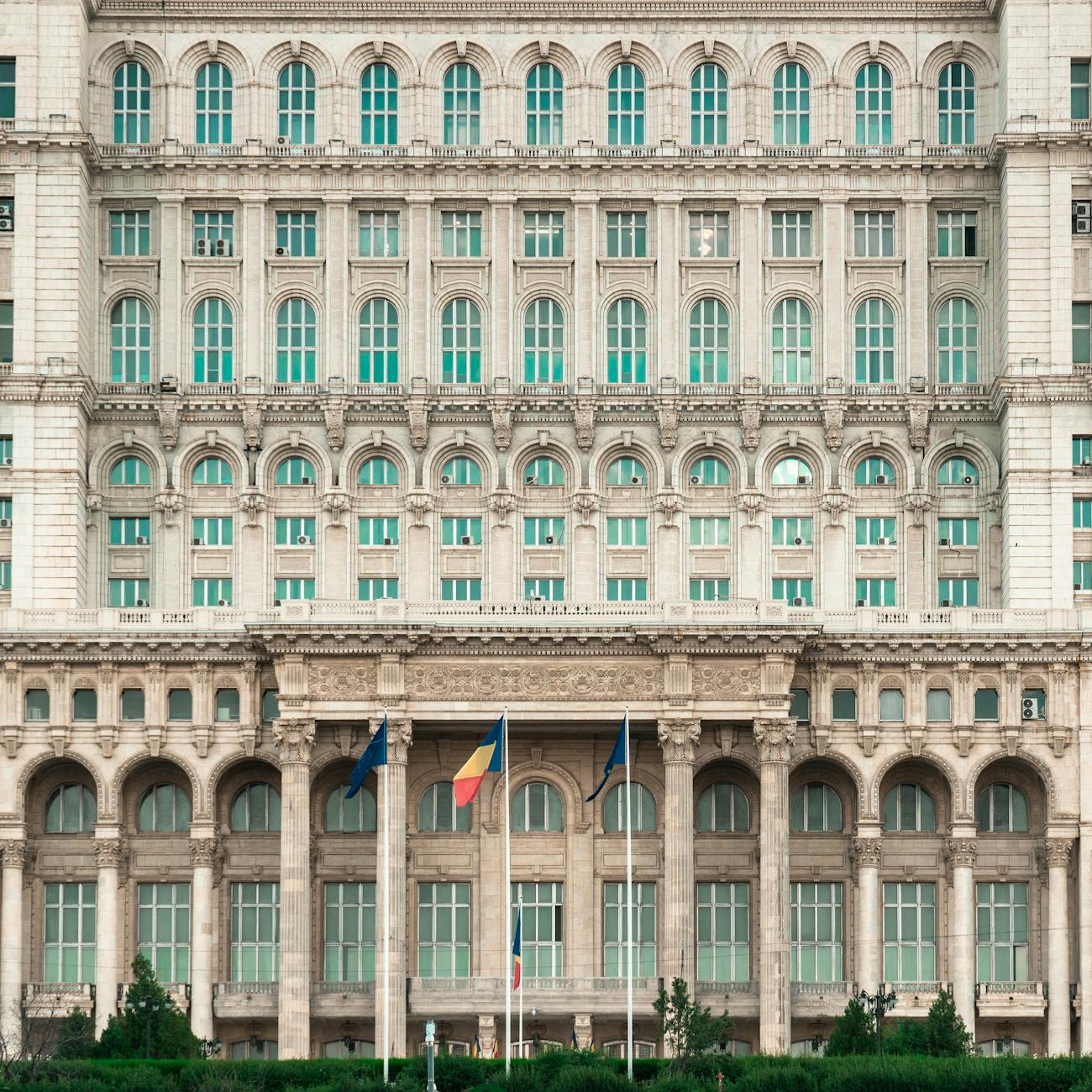
Post-Communist Romania in Literature:
The post-Communist period in Romania, which began in December 1989 with the fall of the Communist regime led by Nicolae Ceaușescu, has had a profound impact on the country's literature and culture. This turbulent time of transition from a totalitarian regime to a democratic society has been a rich source of inspiration for Romanian writers, who have explored themes such as identity, memory, trauma, and the complexities of freedom and democracy.
Romanian Literature:
Romanian literature has a long and rich tradition dating back to the Middle Ages, with notable works such as the epic poem "Miorița" and the ballads of Mihai Eminescu. In the modern era, Romanian literature has been marked by a diversity of styles and genres, from the avant-garde experiments of the interwar period to the socialist realism of the Communist era. Post-Communist Romanian literature has continued this tradition of innovation and experimentation, reflecting the complexities of the country's political and social landscape.
Key Terms and Vocabulary:
1. Communism: Communism is a political ideology that advocates for a classless society where the means of production are owned communally. In Romania, Communism was imposed by the Soviet Union after World War II and led to a repressive regime under Nicolae Ceaușescu.
2. Dictatorship: A dictatorship is a form of government where power is concentrated in the hands of a single individual or a small group. Ceaușescu's regime in Romania was characterized by its authoritarian rule and suppression of dissent.
3. Revolution: The Romanian Revolution of 1989 was a series of protests and demonstrations that led to the fall of Ceaușescu's regime. It marked the end of Communism in Romania and the beginning of a new era of democracy.
4. Transition: The transition from Communism to democracy in Romania was a complex process that involved political, economic, and social changes. It was a period of uncertainty and upheaval as the country grappled with its Communist legacy.
5. Identity: The question of identity has been a central theme in post-Communist Romanian literature. Writers have explored how individuals and communities define themselves in the context of a changing society and a turbulent history.
6. Memory: Memory plays a crucial role in post-Communist literature as writers grapple with the legacy of Communism and the trauma of the past. The act of remembering and forgetting is a recurring motif in works that seek to make sense of history.
7. Trauma: The trauma of living under a repressive regime like Communism has left a lasting impact on Romanian society. Writers have explored the psychological and emotional scars of this period, often through the lens of personal and collective histories.
8. Freedom: The concept of freedom is a recurring theme in post-Communist literature as writers reflect on the meaning of liberty in a society that is still grappling with the legacy of dictatorship. The struggle for individual and political freedom is a key concern for many Romanian writers.
9. Democracy: The transition to democracy in Romania has been a central theme in post-Communist literature. Writers have examined the challenges and opportunities of building a democratic society, as well as the pitfalls of political corruption and authoritarianism.
10. Censorship: Censorship was a pervasive feature of Communist rule in Romania, with writers and artists facing restrictions on their work. Post-Communist literature often reflects on the impact of censorship and the struggle for freedom of expression.
11. Exile: Many Romanian writers were forced into exile during the Communist era, either by choice or by coercion. Exile has been a recurring theme in post-Communist literature, as writers reflect on the experience of displacement and the search for a sense of belonging.
12. Irony: Irony is a common literary device used by post-Communist Romanian writers to critique the contradictions and absurdities of contemporary society. Irony allows writers to engage with political and social issues in a playful and subversive manner.
13. Satire: Satire is another important literary technique used in post-Communist Romanian literature to critique the excesses and injustices of society. Satirical works often use humor and exaggeration to expose corruption and hypocrisy.
14. Postmodernism: Postmodernism is a literary movement that emerged in the late 20th century and is characterized by its skepticism of grand narratives and its playful experimentation with form and style. Post-Communist Romanian literature has been influenced by postmodernist aesthetics and themes.
15. Globalization: Globalization has had a significant impact on post-Communist Romanian literature, as writers engage with the cultural, economic, and political implications of a rapidly changing world. Globalization has opened up new possibilities for dialogue and exchange with other cultures.
16. Memory Studies: Memory studies is an interdisciplinary field that examines the ways in which societies remember and forget the past. Post-Communist Romanian literature has made significant contributions to memory studies, exploring how memory shapes identity and politics.
17. Transnationalism: Transnationalism refers to the connections and interactions between different nations and cultures. Post-Communist Romanian literature often adopts a transnational perspective, exploring the ways in which Romania is connected to the wider world.
18. Hybridity: Hybridity is a concept that emphasizes the mixing and blending of different cultures and identities. Post-Communist Romanian literature often reflects the hybrid nature of contemporary Romanian society, which is shaped by a complex history of influences.
19. Postcolonialism: Postcolonialism is a theoretical framework that examines the legacies of colonialism and imperialism. Post-Communist Romanian literature engages with postcolonial themes by exploring Romania's historical relationship with other nations and cultures.
20. Post-Socialism: Post-Socialism is a term used to describe the period after the fall of Communist regimes in Eastern Europe. Post-Communist Romanian literature is often characterized as post-Socialist, as writers grapple with the legacy of socialism and its impact on contemporary society.
Practical Applications:
Post-Communist Romanian literature offers valuable insights into the challenges and opportunities of building a democratic society after decades of Communist rule. By studying key terms and vocabulary related to this period, students can gain a deeper understanding of the social, political, and cultural dynamics at play in post-Communist Romania.
For example, by examining the theme of memory in post-Communist literature, students can explore how Romanian writers have grappled with the traumas of the past and the complexities of historical remembrance. By studying concepts such as irony and satire, students can analyze how writers use humor and critique to engage with contemporary issues in Romanian society.
By delving into terms like globalization and transnationalism, students can explore how post-Communist Romanian literature is connected to broader trends in the global literary landscape. By examining the concept of hybridity, students can analyze how Romanian writers navigate the intersections of multiple cultural influences in their work.
Challenges:
One of the challenges of studying post-Communist Romanian literature is the complexity of the historical and political context in which it is situated. Students may struggle to grasp the nuances of Romania's transition from Communism to democracy and the lasting impact of this period on contemporary society.
Additionally, the diversity of styles and genres in post-Communist Romanian literature can pose a challenge for students seeking to understand the full scope of literary production in this period. From avant-garde experimentation to traditional storytelling, Romanian writers have employed a wide range of techniques and approaches that may be unfamiliar to students.
Furthermore, the legacy of censorship and political repression in Romania can make it difficult to access certain works of post-Communist literature, particularly those that challenge the official narrative of history. Students may need to navigate these obstacles in order to fully engage with the richness and complexity of Romanian literary culture.
In conclusion, studying key terms and vocabulary related to post-Communist Romanian literature is essential for gaining a deeper understanding of this period and its significance in the broader context of Romanian culture and society. By exploring concepts such as identity, memory, trauma, and freedom, students can develop a nuanced appreciation for the complexities of post-Communist literature and its enduring relevance in contemporary Romania.
Key takeaways
- The post-Communist period in Romania, which began in December 1989 with the fall of the Communist regime led by Nicolae Ceaușescu, has had a profound impact on the country's literature and culture.
- In the modern era, Romanian literature has been marked by a diversity of styles and genres, from the avant-garde experiments of the interwar period to the socialist realism of the Communist era.
- Communism: Communism is a political ideology that advocates for a classless society where the means of production are owned communally.
- Dictatorship: A dictatorship is a form of government where power is concentrated in the hands of a single individual or a small group.
- Revolution: The Romanian Revolution of 1989 was a series of protests and demonstrations that led to the fall of Ceaușescu's regime.
- Transition: The transition from Communism to democracy in Romania was a complex process that involved political, economic, and social changes.
- Writers have explored how individuals and communities define themselves in the context of a changing society and a turbulent history.