
Risk Management in Fire Sprinkler System Projects
Risk Management in Fire Sprinkler System Projects is a crucial aspect of ensuring the safety and efficiency of fire protection systems. It involves identifying, assessing, and controlling risks that may impact the successful completion of a…
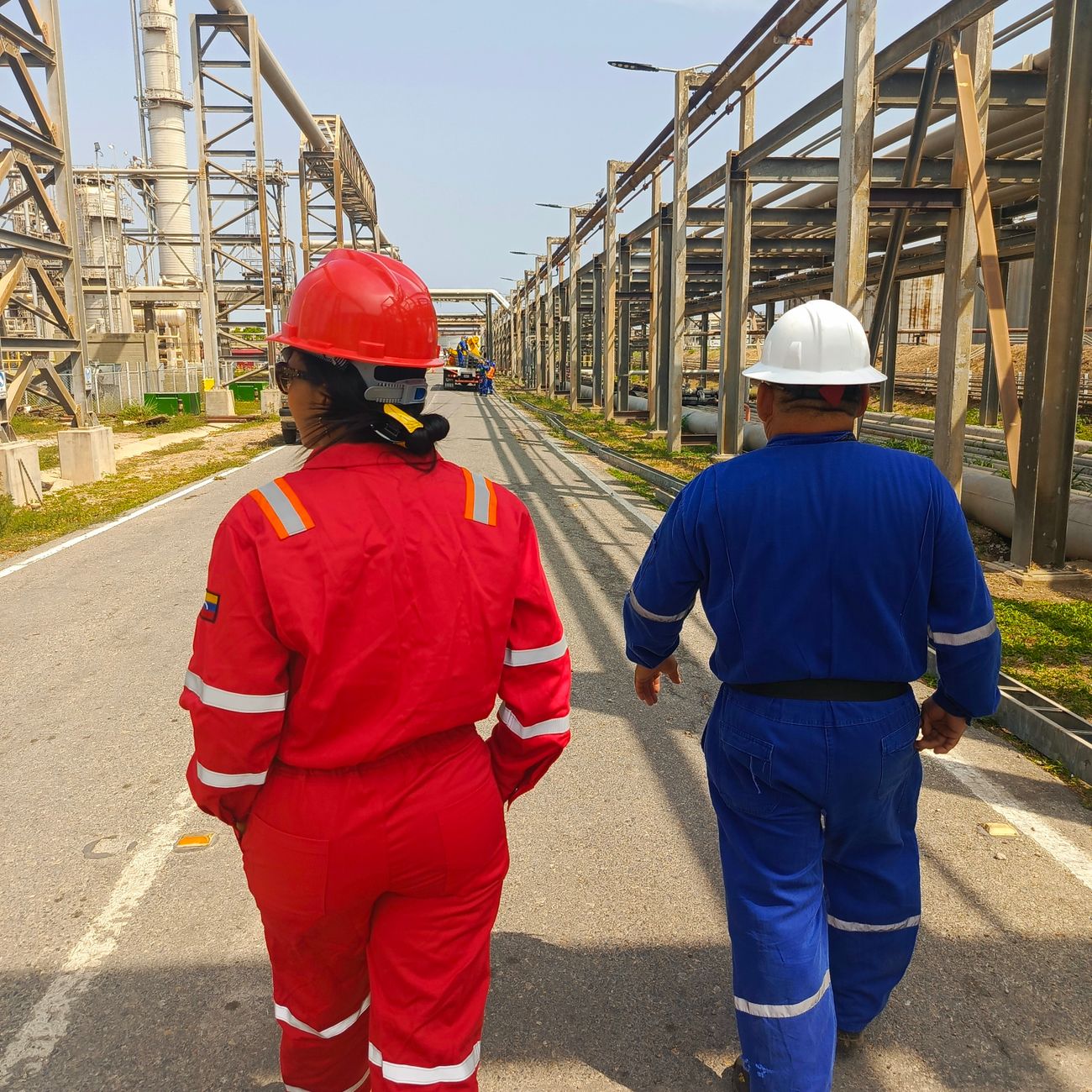
Risk Management in Fire Sprinkler System Projects is a crucial aspect of ensuring the safety and efficiency of fire protection systems. It involves identifying, assessing, and controlling risks that may impact the successful completion of a project. In this course, Certified Professional in Fire Sprinkler System Project Management Tools and Software, participants will learn key terms and vocabulary related to Risk Management in Fire Sprinkler System Projects to effectively manage risks and ensure project success.
1. Fire Sprinkler System: A fire sprinkler system is a network of pipes, valves, and sprinkler heads designed to detect and extinguish fires in buildings. These systems are crucial for protecting lives and property by quickly responding to fires and controlling their spread.
2. Risk Management: Risk management involves identifying, assessing, and prioritizing risks to minimize their impact on a project. It includes developing strategies to mitigate risks and ensure project success.
3. Project Management: Project management involves planning, organizing, and managing resources to achieve specific project goals within a defined timeframe. It includes coordinating various tasks and activities to ensure the successful completion of a project.
4. Fire Protection System: A fire protection system is a combination of systems and equipment designed to detect, control, and extinguish fires. These systems include fire sprinkler systems, fire alarms, fire suppression systems, and smoke detection systems.
5. Risk Assessment: Risk assessment involves identifying and evaluating potential risks that may impact a project. It includes analyzing the likelihood and impact of risks to prioritize them for mitigation.
6. Mitigation: Mitigation involves reducing the likelihood or impact of risks through proactive measures. It includes developing strategies to prevent risks from occurring or minimizing their consequences.
7. Fire Safety: Fire safety refers to measures and practices implemented to prevent fires and protect lives and property in the event of a fire. It includes fire prevention, detection, and suppression techniques to ensure the safety of occupants.
8. Hazard: A hazard is a potential source of harm or danger that may cause harm to people, property, or the environment. Hazards in fire sprinkler system projects may include faulty equipment, inadequate maintenance, or human error.
9. Vulnerability: Vulnerability refers to the susceptibility of a system or structure to risks and hazards. Identifying vulnerabilities in fire sprinkler system projects is crucial for implementing effective risk management strategies.
10. Contingency Plan: A contingency plan is a predetermined strategy or course of action developed to address unforeseen events or risks that may impact a project. Contingency plans in fire sprinkler system projects help project managers respond effectively to emergencies.
11. Compliance: Compliance refers to meeting legal and regulatory requirements related to fire protection systems. Ensuring compliance with codes and standards is essential for the proper installation and maintenance of fire sprinkler systems.
12. Inspection: Inspection involves assessing the condition and performance of fire sprinkler systems to ensure they are functioning properly. Regular inspections help identify potential issues and prevent failures in fire protection systems.
13. Testing: Testing involves conducting performance tests on fire sprinkler systems to verify their effectiveness in controlling fires. Testing procedures help validate the functionality of fire protection systems and ensure they meet safety standards.
14. Maintenance: Maintenance involves regular upkeep and repair of fire sprinkler systems to ensure their reliability and performance. Proper maintenance of fire protection systems is essential for preventing malfunctions and failures.
15. Emergency Response: Emergency response refers to the actions taken to address fires and other emergencies in buildings. Effective emergency response plans and procedures help minimize damage and ensure the safety of occupants during fire incidents.
16. Fire Risk Assessment: Fire risk assessment involves evaluating the fire hazards and risks in buildings to develop effective fire safety measures. Identifying potential fire risks helps prioritize mitigation strategies and improve the overall fire safety of a building.
17. Fire Protection Engineering: Fire protection engineering is the application of engineering principles to design and implement fire protection systems. Fire protection engineers play a crucial role in ensuring the effectiveness and compliance of fire sprinkler systems.
18. Evacuation Plan: An evacuation plan is a detailed strategy outlining the procedures for safely evacuating occupants during emergencies, such as fires. Evacuation plans in fire sprinkler system projects help ensure the orderly and timely evacuation of building occupants.
19. Fire Load: Fire load refers to the amount of combustible materials present in a building that can fuel a fire. Understanding the fire load in buildings is essential for designing effective fire protection systems and preventing fires from spreading.
20. Fire Suppression: Fire suppression involves extinguishing fires using various methods, such as water, foam, or gas. Fire sprinkler systems are a common form of fire suppression that help control and extinguish fires to protect lives and property.
21. Fire Alarm System: A fire alarm system is a network of sensors and alarms designed to detect smoke or fire in buildings. Fire alarm systems play a crucial role in notifying occupants of fire emergencies and initiating evacuation procedures.
22. Fire Protection Codes: Fire protection codes are regulations and standards that establish minimum requirements for fire protection systems in buildings. Compliance with fire protection codes is essential for ensuring the safety and effectiveness of fire sprinkler systems.
23. Risk Register: A risk register is a document that records and tracks identified risks in a project. The risk register includes information on the likelihood, impact, and mitigation strategies for each risk to help project managers monitor and control risks.
24. Fire Safety Plan: A fire safety plan is a comprehensive document outlining the fire safety measures and procedures in a building. Fire safety plans include evacuation routes, emergency contacts, and fire protection system information to guide occupants during fire emergencies.
25. Fire Protection System Design: Fire protection system design involves planning and designing fire sprinkler systems to meet the specific fire safety requirements of a building. Fire protection system designers consider factors such as building layout, occupancy, and fire hazards to create effective fire protection solutions.
26. Fire Risk Management Software: Fire risk management software is a tool used to assess, analyze, and manage fire risks in buildings. This software helps project managers identify potential risks, develop mitigation strategies, and track risk management activities to ensure the safety of occupants.
27. Fire Safety Regulations: Fire safety regulations are legal requirements that govern the design, installation, and maintenance of fire protection systems in buildings. Adhering to fire safety regulations is essential for ensuring the compliance and effectiveness of fire sprinkler systems.
28. Fire Protection System Installation: Fire protection system installation involves the physical placement and connection of fire sprinkler systems in buildings. Proper installation of fire protection systems is critical for their functionality and reliability in controlling fires.
29. Fire Safety Training: Fire safety training involves educating building occupants on fire prevention, evacuation procedures, and the proper use of fire protection equipment. Fire safety training helps improve the awareness and preparedness of occupants in the event of a fire.
30. Fire Safety Audit: A fire safety audit is a comprehensive assessment of fire safety measures and systems in a building. Fire safety audits help identify deficiencies, non-compliance issues, and areas for improvement in fire protection systems to enhance overall fire safety.
31. Fire Protection System Performance: Fire protection system performance refers to the effectiveness and reliability of fire sprinkler systems in controlling and extinguishing fires. Monitoring and evaluating the performance of fire protection systems is essential for maintaining their functionality and safety.
32. Fire Protection System Maintenance Software: Fire protection system maintenance software is a tool used to schedule, track, and manage maintenance activities for fire sprinkler systems. This software helps project managers ensure the proper upkeep and performance of fire protection systems to prevent failures.
33. Fire Safety Management: Fire safety management involves overseeing and implementing fire safety measures in buildings to prevent fires and protect occupants. Effective fire safety management includes risk assessment, planning, training, and maintenance of fire protection systems.
34. Fire Safety Compliance: Fire safety compliance refers to meeting the legal and regulatory requirements related to fire safety in buildings. Ensuring fire safety compliance involves adhering to fire protection codes, conducting inspections, and maintaining fire protection systems according to standards.
35. Fire Protection System Monitoring: Fire protection system monitoring involves real-time surveillance and analysis of fire protection systems to detect anomalies or failures. Monitoring fire protection systems helps identify issues promptly and take corrective actions to ensure their proper operation.
36. Fire Protection System Retrofit: Fire protection system retrofit involves upgrading or modifying existing fire sprinkler systems to enhance their performance and compliance with current standards. Retrofitting fire protection systems helps improve their effectiveness in controlling fires and protecting occupants.
37. Fire Safety Culture: Fire safety culture refers to the attitudes, beliefs, and behaviors of individuals towards fire safety in buildings. Promoting a strong fire safety culture among building occupants and stakeholders is crucial for maintaining a safe and secure environment.
38. Fire Protection System Integration: Fire protection system integration involves connecting and coordinating various fire protection systems, such as fire sprinklers, alarms, and suppression systems, to work together seamlessly. Integration of fire protection systems enhances their overall effectiveness and responsiveness in fire emergencies.
39. Fire Safety Inspections: Fire safety inspections involve thorough assessments of buildings to identify fire hazards, compliance issues, and maintenance needs. Conducting regular fire safety inspections helps ensure the proper functioning and compliance of fire protection systems.
40. Fire Protection System Upgrades: Fire protection system upgrades involve enhancing or replacing components of fire sprinkler systems to improve their performance and reliability. Upgrading fire protection systems helps adapt to changing fire safety requirements and technological advancements.
41. Fire Safety Risk Assessment: Fire safety risk assessment involves evaluating the fire risks and hazards in buildings to develop effective fire safety strategies. Identifying and mitigating fire risks through risk assessment helps reduce the likelihood of fires and minimize their impact on occupants.
42. Fire Protection System Commissioning: Fire protection system commissioning involves testing and verifying the performance of fire sprinkler systems to ensure they meet safety standards and requirements. Commissioning fire protection systems helps validate their functionality and readiness for operation.
43. Fire Safety Management Plan: A fire safety management plan is a comprehensive document outlining the fire safety procedures, responsibilities, and resources in a building. Fire safety management plans help organizations establish clear guidelines for managing fire safety and emergency response.
44. Fire Protection System Reliability: Fire protection system reliability refers to the consistency and dependability of fire sprinkler systems in responding to fires. Ensuring the reliability of fire protection systems through proper maintenance and testing is essential for protecting lives and property.
45. Fire Safety Training Program: A fire safety training program is a structured curriculum designed to educate building occupants on fire safety practices, evacuation procedures, and the use of fire protection equipment. Fire safety training programs help improve the preparedness and response of occupants during fire emergencies.
46. Fire Protection System Design Software: Fire protection system design software is a tool used to create and simulate fire sprinkler system designs for buildings. This software helps fire protection engineers and designers optimize the layout and performance of fire protection systems to meet specific fire safety requirements.
47. Fire Safety Compliance Audit: A fire safety compliance audit is a systematic review of fire safety measures and systems in buildings to assess their compliance with regulations and standards. Conducting fire safety compliance audits helps identify gaps and areas for improvement in fire protection systems.
48. Fire Protection System Performance Testing: Fire protection system performance testing involves conducting rigorous tests on fire sprinkler systems to evaluate their effectiveness in controlling fires. Performance testing helps validate the functionality and reliability of fire protection systems under various fire scenarios.
49. Fire Safety Training Workshop: A fire safety training workshop is a hands-on session designed to provide practical training on fire safety procedures, equipment operation, and emergency response. Fire safety training workshops help participants develop the skills and knowledge needed to respond effectively to fires.
50. Fire Protection System Maintenance Plan: A fire protection system maintenance plan is a structured schedule outlining the maintenance tasks, intervals, and responsibilities for fire sprinkler systems. Developing and implementing a maintenance plan helps ensure the proper upkeep and performance of fire protection systems.
By understanding and applying the key terms and vocabulary related to Risk Management in Fire Sprinkler System Projects, participants in the Certified Professional in Fire Sprinkler System Project Management Tools and Software course can effectively identify, assess, and manage risks to ensure the safety and success of fire protection projects. By incorporating best practices and industry standards into their risk management strategies, project managers can optimize the performance and reliability of fire sprinkler systems to protect lives and property in buildings.
Key takeaways
- Risk Management in Fire Sprinkler System Projects is a crucial aspect of ensuring the safety and efficiency of fire protection systems.
- Fire Sprinkler System: A fire sprinkler system is a network of pipes, valves, and sprinkler heads designed to detect and extinguish fires in buildings.
- Risk Management: Risk management involves identifying, assessing, and prioritizing risks to minimize their impact on a project.
- Project Management: Project management involves planning, organizing, and managing resources to achieve specific project goals within a defined timeframe.
- Fire Protection System: A fire protection system is a combination of systems and equipment designed to detect, control, and extinguish fires.
- Risk Assessment: Risk assessment involves identifying and evaluating potential risks that may impact a project.
- Mitigation: Mitigation involves reducing the likelihood or impact of risks through proactive measures.