
Psychosocial Aspects of Brain Injury
The psychosocial aspects of brain injury are a crucial component of the Postgraduate Certificate in Cognitive Rehabilitation, as they have a significant impact on an individual's overall well-being and quality of life. Brain injury can resu…
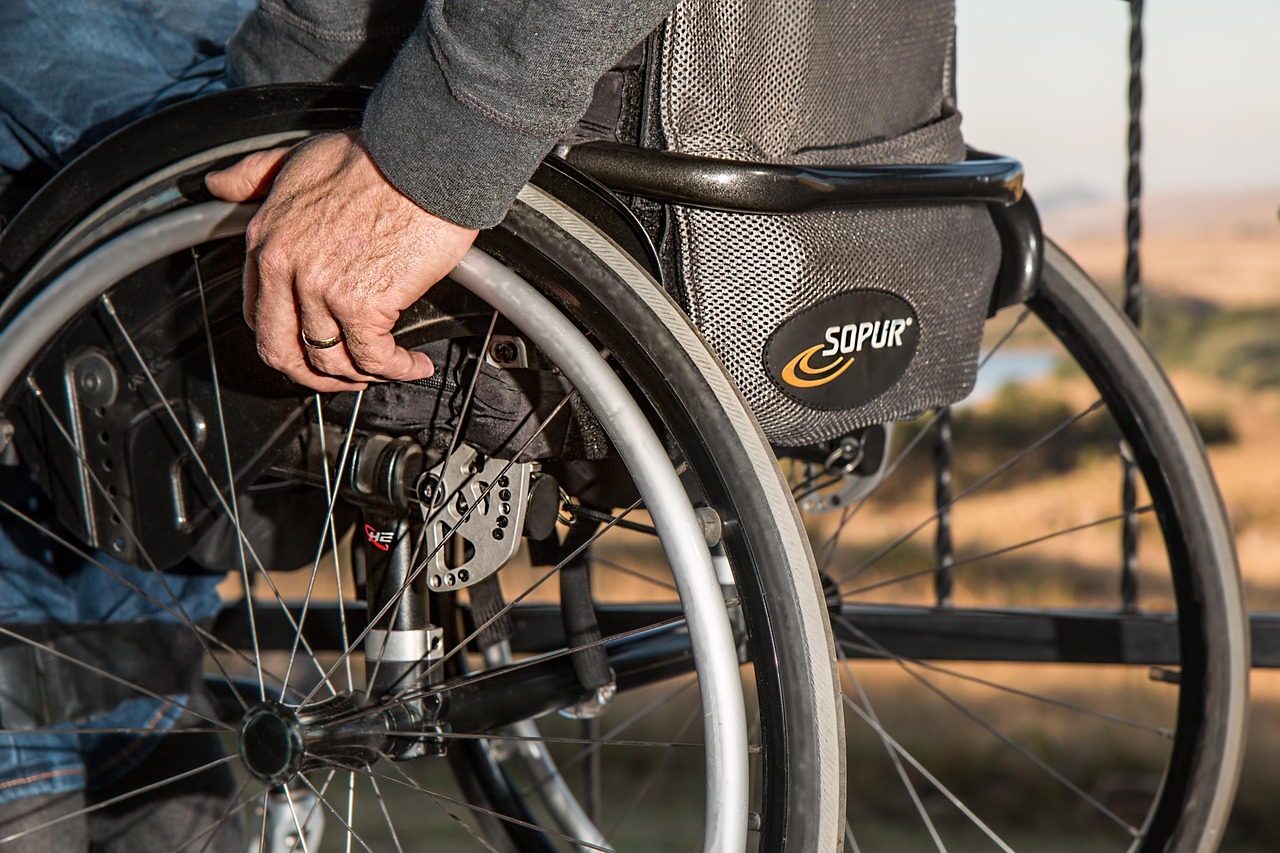
The psychosocial aspects of brain injury are a crucial component of the Postgraduate Certificate in Cognitive Rehabilitation, as they have a significant impact on an individual's overall well-being and quality of life. Brain injury can result in a range of cognitive, emotional, and behavioral changes that can affect an individual's ability to interact with their environment, form and maintain relationships, and participate in daily activities. Understanding the psychosocial aspects of brain injury is essential for developing effective rehabilitation strategies that address the unique needs of each individual.
One of the key psychosocial aspects of brain injury is the concept of identity, which refers to an individual's sense of self and their place in the world. Brain injury can result in changes to an individual's self-concept, leading to feelings of loss and grief for their pre-injury identity. This can be particularly challenging for individuals who have experienced a significant change in their cognitive or physical abilities, as they may struggle to come to terms with their new reality. For example, an individual who was previously a high-level athlete may struggle to adjust to a new identity that is not defined by their athletic abilities.
Another important psychosocial aspect of brain injury is the concept of social support, which refers to the networks of family, friends, and community that provide emotional and practical support to an individual. Brain injury can result in social isolation, as individuals may struggle to maintain their pre-injury relationships or form new ones. This can be due to a range of factors, including cognitive changes, emotional difficulties, and physical limitations. For example, an individual who has experienced a brain injury may struggle to initiate or maintain conversations, leading to feelings of loneliness and isolation.
The psychosocial aspects of brain injury can also have a significant impact on an individual's emotional well-being, leading to mood changes, anxiety, and depression. Brain injury can result in changes to an individual's neurotransmitter systems, leading to imbalance and dysregulation of their emotional responses. For example, an individual who has experienced a brain injury may experience mood swings, irritability, and aggression, which can be challenging to manage and regulate.
In addition to these psychosocial aspects, brain injury can also result in cognitive changes, including memory difficulties, attention deficits, and executive function challenges. These cognitive changes can have a significant impact on an individual's daily life, making it challenging to perform everyday tasks, maintain relationships, and participate in recreational activities. For example, an individual who has experienced a brain injury may struggle to remember appointments, tasks, and conversations, leading to feelings of frustration and overwhelm.
The psychosocial aspects of brain injury can also be influenced by a range of environmental factors, including family dynamics, social support, and community resources. For example, an individual who has a strong support network of family and friends may be more likely to experience a positive outcome and better adjustment to their brain injury. In contrast, an individual who lacks support and resources may be more likely to experience challenges and difficulties in their daily life.
This requires a comprehensive approach that incorporates cognitive, emotional, and behavioral interventions, as well as environmental modifications and social support. For example, a rehabilitation program may include cognitive training to improve memory and attention, as well as emotional regulation strategies to manage mood changes and anxiety.
The psychosocial aspects of brain injury can also be influenced by a range of personal factors, including age, gender, and pre-injury characteristics. For example, an individual who is younger may be more likely to experience a positive outcome and better adjustment to their brain injury, as they may have more resilience and adaptability. In contrast, an individual who is older may be more likely to experience challenges and difficulties in their daily life, as they may have more comorbidities and health problems.
The psychosocial aspects of brain injury can also have a significant impact on an individual's relationships, including romantic relationships, friendships, and family relationships. Brain injury can result in changes to an individual's communication style, leading to conflict and misunderstandings with their loved ones.
In addition to these psychosocial aspects, brain injury can also result in physical changes, including fatigue, pain, and sensory difficulties. These physical changes can have a significant impact on an individual's daily life, making it challenging to perform everyday tasks, maintain relationships, and participate in recreational activities. For example, an individual who has experienced a brain injury may experience fatigue and exhaustion, leading to feelings of frustration and overwhelm.
The psychosocial aspects of brain injury can also be influenced by a range of cultural factors, including values, beliefs, and norms. For example, an individual who comes from a culture that values independence and self-reliance may be more likely to experience challenges and difficulties in their daily life, as they may struggle to accept help and support from others. In contrast, an individual who comes from a culture that values interdependence and community may be more likely to experience a positive outcome and better adjustment to their brain injury.
The psychosocial aspects of brain injury can also have a significant impact on an individual's employment and vocational activities. Brain injury can result in changes to an individual's cognitive and physical abilities, making it challenging to maintain their pre-injury job or career. For example, an individual who has experienced a brain injury may struggle to perform tasks that require attention and concentration, leading to feelings of frustration and overwhelm.
In addition to these psychosocial aspects, brain injury can also result in leisure and recreational activities, including hobbies and interests. Brain injury can result in changes to an individual's motivation and initiative, making it challenging to participate in activities that they previously enjoyed. For example, an individual who has experienced a brain injury may struggle to initiate or maintain conversations, leading to feelings of loneliness and isolation.
The psychosocial aspects of brain injury can also be influenced by a range of technological factors, including assistive technology and communication devices. For example, an individual who has experienced a brain injury may use assistive technology, such as a memory aid or a communication device, to help them manage their cognitive and communication difficulties.
The psychosocial aspects of brain injury can also have a significant impact on an individual's quality of life, including their physical and emotional well-being. Brain injury can result in changes to an individual's physical health, including pain, fatigue, and sensory difficulties. For example, an individual who has experienced a brain injury may experience chronic pain, leading to feelings of frustration and overwhelm.
In addition to these psychosocial aspects, brain injury can also result in spiritual and existential changes, including questions about the meaning and purpose of life. Brain injury can result in changes to an individual's values and beliefs, leading to feelings of uncertainty and confusion. For example, an individual who has experienced a brain injury may struggle to come to terms with their new reality, leading to feelings of grief and loss.
The psychosocial aspects of brain injury can also be influenced by a range of healthcare factors, including access to services and support. For example, an individual who has experienced a brain injury may have difficulty accessing rehabilitation services, leading to feelings of frustration and overwhelm. In contrast, an individual who has access to comprehensive rehabilitation services may be more likely to experience a positive outcome and better adjustment to their brain injury.
The psychosocial aspects of brain injury can also have a significant impact on an individual's family and caregivers, including stress and burden. Brain injury can result in changes to an individual's behavior and mood, leading to feelings of frustration and overwhelm for their family and caregivers. For example, an individual who has experienced a brain injury may become more dependent on their family and caregivers, leading to feelings of respite and burnout.
In addition to these psychosocial aspects, brain injury can also result in financial and economic changes, including costs and expenses. Brain injury can result in changes to an individual's employment and vocational activities, leading to feelings of financial insecurity and stress. For example, an individual who has experienced a brain injury may struggle to maintain their pre-injury job or career, leading to feelings of frustration and overwhelm.
The psychosocial aspects of brain injury can also be influenced by a range of policy and legislative factors, including laws and regulations. For example, an individual who has experienced a brain injury may be eligible for benefits and entitlements, such as disability compensation and rehabilitation services. In contrast, an individual who lacks access to these benefits and entitlements may be more likely to experience challenges and difficulties in their daily life.
The psychosocial aspects of brain injury can also have a significant impact on an individual's community and social participation, including volunteering and leisure activities. Brain injury can result in changes to an individual's social and communication skills, leading to feelings of isolation and loneliness. For example, an individual who has experienced a brain injury may struggle to initiate or maintain conversations, leading to feelings of frustration and overwhelm.
In addition to these psychosocial aspects, brain injury can also result in educational and vocational challenges, including learning and training difficulties.
The psychosocial aspects of brain injury can also be influenced by a range of research and evidence-based factors, including studies and findings. For example, an individual who has experienced a brain injury may be eligible to participate in research studies, leading to feelings of hope and optimism. In contrast, an individual who lacks access to these research studies may be more likely to experience challenges and difficulties in their daily life.
The psychosocial aspects of brain injury can also have a significant impact on an individual's self-esteem and confidence, including body image and self-concept. Brain injury can result in changes to an individual's physical appearance, leading to feelings of self-consciousness and insecurity.
In addition to these psychosocial aspects, brain injury can also result in sleep and fatigue difficulties, including insomnia and exhaustion. Brain injury can result in changes to an individual's sleep patterns, leading to feelings of fatigue and exhaustion. For example, an individual who has experienced a brain injury may struggle to fall asleep or stay asleep, leading to feelings of frustration and overwhelm.
The psychosocial aspects of brain injury can also be influenced by a range of pharmacological factors, including medications and treatments. For example, an individual who has experienced a brain injury may be prescribed medications to manage their symptoms and side effects, leading to feelings of hope and optimism. In contrast, an individual who lacks access to these medications and treatments may be more likely to experience challenges and difficulties in their daily life.
The psychosocial aspects of brain injury can also have a significant impact on an individual's relationships with their healthcare providers, including trust and communication. Brain injury can result in changes to an individual's communication style, leading to feelings of frustration and overwhelm. For example, an individual who has experienced a brain injury may struggle to express their needs and concerns, leading to feelings of helplessness and powerlessness.
In addition to these psychosocial aspects, brain injury can also result in advocacy and empowerment challenges, including self-advocacy and assertiveness. Brain injury can result in changes to an individual's self-advocacy skills, leading to feelings of helplessness and powerlessness. For example, an individual who has experienced a brain injury may struggle to assert their needs and rights, leading to feelings of frustration and overwhelm.
The psychosocial aspects of brain injury can also be influenced by a range of cultural and linguistic factors, including values and beliefs.
The psychosocial aspects of brain injury can also have a significant impact on an individual's overall well-being, including their physical and emotional health.
Key takeaways
- The psychosocial aspects of brain injury are a crucial component of the Postgraduate Certificate in Cognitive Rehabilitation, as they have a significant impact on an individual's overall well-being and quality of life.
- This can be particularly challenging for individuals who have experienced a significant change in their cognitive or physical abilities, as they may struggle to come to terms with their new reality.
- For example, an individual who has experienced a brain injury may struggle to initiate or maintain conversations, leading to feelings of loneliness and isolation.
- The psychosocial aspects of brain injury can also have a significant impact on an individual's emotional well-being, leading to mood changes, anxiety, and depression.
- These cognitive changes can have a significant impact on an individual's daily life, making it challenging to perform everyday tasks, maintain relationships, and participate in recreational activities.
- For example, an individual who has a strong support network of family and friends may be more likely to experience a positive outcome and better adjustment to their brain injury.
- For example, a rehabilitation program may include cognitive training to improve memory and attention, as well as emotional regulation strategies to manage mood changes and anxiety.