
Social and Behavioral Health
Social and Behavioral Health: Social and Behavioral Health refers to the study of how social, cultural, and environmental factors impact the health and well-being of individuals and communities. It focuses on understanding how behaviors, at…
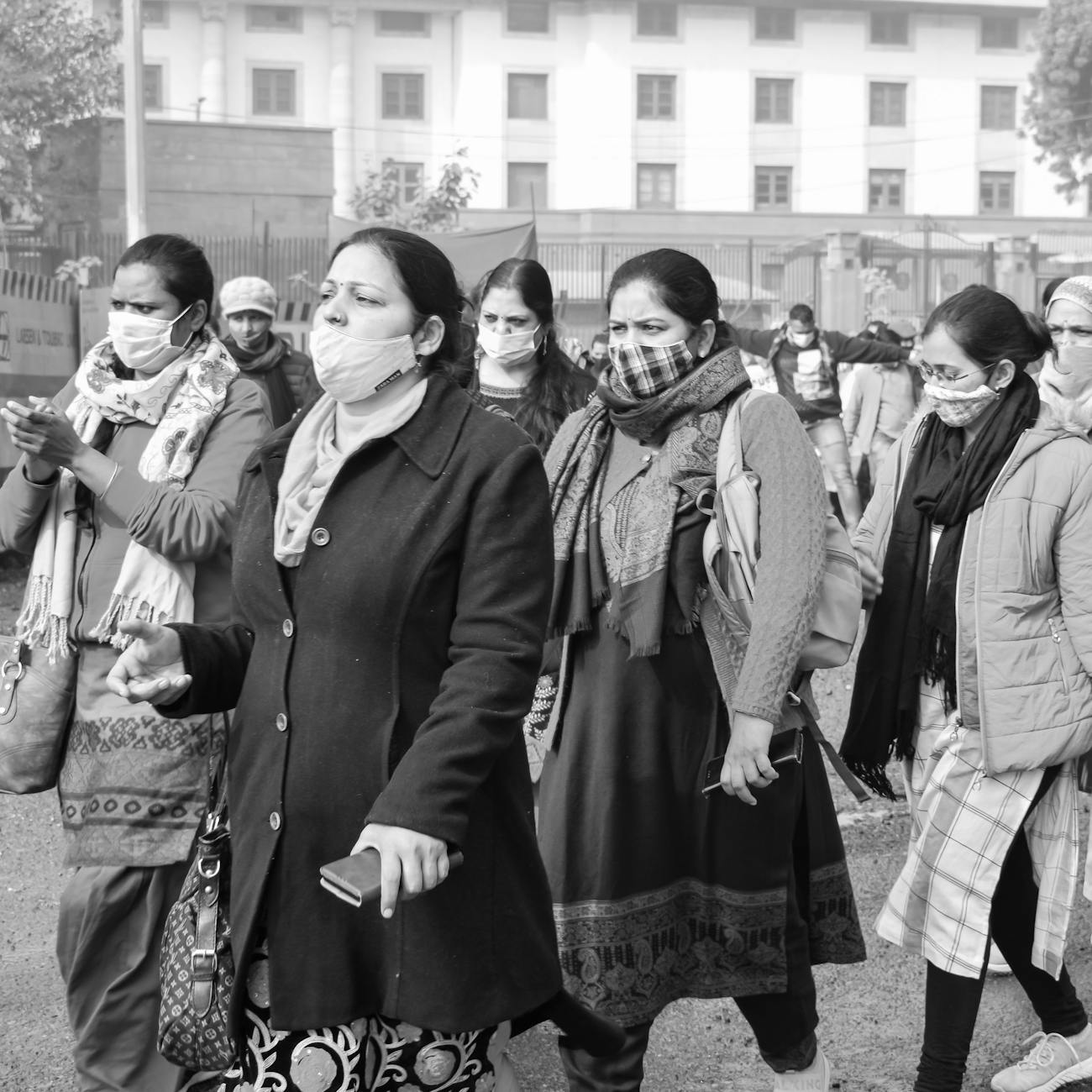
Social and Behavioral Health: Social and Behavioral Health refers to the study of how social, cultural, and environmental factors impact the health and well-being of individuals and communities. It focuses on understanding how behaviors, attitudes, and social structures influence health outcomes and seeks to develop interventions to promote positive health behaviors and outcomes.
Public Health: Public Health is the science and practice of preventing disease, promoting health, and prolonging life through organized efforts and informed choices of society, organizations, public and private, communities, and individuals. It involves a wide range of activities aimed at improving the health of populations, including disease prevention, health promotion, and health protection.
Determinants of Health: Determinants of Health are the factors that influence the health of individuals and populations. These factors can be divided into five broad categories: biological, behavioral, social, economic, and environmental. Understanding these determinants is essential for developing effective strategies to improve health outcomes.
Social Determinants of Health: Social Determinants of Health are the conditions in which people are born, grow, live, work, and age that impact their health. These include factors such as income, education, employment, social support networks, and access to healthcare services. Addressing social determinants is crucial for reducing health disparities and promoting health equity.
Behavioral Determinants of Health: Behavioral Determinants of Health refer to the actions and patterns of behavior that influence health outcomes. These can include lifestyle choices, such as diet, exercise, smoking, and alcohol consumption. Understanding behavioral determinants is essential for promoting healthy behaviors and preventing chronic diseases.
Health Promotion: Health Promotion is the process of enabling people to increase control over, and to improve, their health. It involves empowering individuals and communities to take action to improve their health through education, awareness, and behavior change. Health promotion strategies can include campaigns, programs, and policies aimed at promoting healthy behaviors and environments.
Health Education: Health Education is the provision of information and resources to help individuals make informed decisions about their health. It aims to increase knowledge and awareness of health issues and empower individuals to take positive actions to protect and improve their health. Health education can be delivered through various channels, such as schools, workplaces, and community settings.
Health Communication: Health Communication is the use of communication strategies to inform and influence individual and community decisions that enhance health. It involves disseminating health information through various channels, such as media, social networks, and interpersonal communication. Effective health communication is essential for promoting health behaviors and encouraging positive health outcomes.
Health Behavior: Health Behavior refers to the actions and habits that individuals engage in that affect their health. This can include behaviors such as eating a healthy diet, exercising regularly, avoiding tobacco and alcohol, and seeking preventive healthcare services. Understanding health behaviors is essential for promoting healthy lifestyles and preventing chronic diseases.
Health Promotion Programs: Health Promotion Programs are structured interventions designed to promote health and prevent disease. These programs can target specific populations or address particular health issues through a combination of education, behavior change, and environmental strategies. Examples of health promotion programs include smoking cessation programs, nutrition education initiatives, and physical activity campaigns.
Health Equity: Health Equity refers to the absence of unfair and avoidable differences in health outcomes among different populations or groups. It involves ensuring that all individuals have the opportunity to achieve their full health potential, regardless of their social or economic circumstances. Promoting health equity requires addressing social determinants of health and reducing disparities in access to healthcare services.
Health Disparities: Health Disparities are differences in health outcomes between different populations or groups. These differences can be influenced by factors such as race, ethnicity, socioeconomic status, and geographic location. Addressing health disparities is essential for achieving health equity and improving the overall health of the population.
Health Literacy: Health Literacy is the ability to obtain, process, and understand basic health information and services needed to make appropriate health decisions. It involves skills such as reading, writing, numeracy, and critical thinking related to health issues. Improving health literacy is essential for empowering individuals to take control of their health and navigate the healthcare system effectively.
Community Health: Community Health refers to the health status and well-being of a group of individuals living in a specific geographic area. It involves assessing and addressing the health needs of the community through collaborative efforts with local organizations, healthcare providers, and community members. Community health initiatives can include health promotion activities, disease prevention programs, and access to healthcare services.
Health Behavior Change: Health Behavior Change is the process of adopting new behaviors or modifying existing behaviors to improve health outcomes. It involves setting goals, developing action plans, and overcoming barriers to change. Effective health behavior change strategies can include education, motivation, social support, and environmental changes to promote healthy behaviors.
Environmental Health: Environmental Health focuses on the study of how environmental factors impact human health. This includes factors such as air and water quality, food safety, housing conditions, and occupational hazards. Environmental health efforts aim to prevent and control environmental exposures that can lead to adverse health effects and promote a safe and healthy environment for all.
Health Promotion Interventions: Health Promotion Interventions are actions and strategies designed to promote health and prevent disease. These interventions can target individuals, communities, or populations and can involve a range of activities, such as education, policy changes, and environmental modifications. Examples of health promotion interventions include workplace wellness programs, school-based health initiatives, and community health fairs.
Social Marketing: Social Marketing is the use of marketing principles and techniques to promote behavior change for social good. It involves applying marketing strategies to influence attitudes, beliefs, and behaviors related to health issues. Social marketing campaigns can be used to promote healthy behaviors, raise awareness of health risks, and encourage individuals to take action to improve their health.
Health Policy: Health Policy refers to decisions, plans, and actions undertaken to achieve specific health goals within a society or organization. It involves setting priorities, allocating resources, and implementing programs to improve the health of the population. Health policies can address a wide range of issues, such as access to healthcare, disease prevention, and health promotion.
Health Promotion Evaluation: Health Promotion Evaluation is the process of assessing the effectiveness and impact of health promotion programs and interventions. It involves measuring outcomes, collecting data, and analyzing results to determine the success of the intervention. Evaluation helps to identify strengths and weaknesses of programs and inform future decision-making and planning.
Health Promotion Planning: Health Promotion Planning is the process of developing strategies and interventions to promote health and prevent disease. It involves setting goals, identifying target populations, and selecting appropriate interventions based on evidence and best practices. Health promotion planning aims to create effective programs that address the specific health needs of the population.
Health Promotion Strategies: Health Promotion Strategies are the approaches and methods used to promote health and prevent disease. These strategies can include education, behavior change, policy development, and environmental modifications. Effective health promotion strategies are tailored to the needs of the target population and are based on evidence of what works to improve health outcomes.
Health Promotion Campaigns: Health Promotion Campaigns are organized efforts to raise awareness of health issues and promote healthy behaviors among specific populations. These campaigns can use various media channels, such as television, radio, social media, and print materials, to reach a wide audience. Health promotion campaigns aim to educate, motivate, and empower individuals to make positive changes to improve their health.
Health Promotion Challenges: Health Promotion Challenges are obstacles and barriers that can hinder the effectiveness of health promotion efforts. These challenges can include lack of funding, limited resources, cultural barriers, and competing priorities. Overcoming health promotion challenges requires creative solutions, collaboration, and a comprehensive understanding of the social and environmental factors that influence health behaviors.
Health Promotion Research: Health Promotion Research is the systematic investigation of health promotion strategies, interventions, and outcomes. It involves designing studies, collecting data, and analyzing results to generate new knowledge and evidence in the field of health promotion. Health promotion research helps to inform best practices, policies, and programs for improving health outcomes.
Health Promotion Ethics: Health Promotion Ethics refers to the moral principles and standards that guide the practice of health promotion. It involves considerations of autonomy, beneficence, non-maleficence, and justice in designing and implementing health promotion programs. Ethical principles help to ensure that health promotion efforts are conducted in a responsible and respectful manner that promotes the well-being of individuals and communities.
Health Promotion Best Practices: Health Promotion Best Practices are evidence-based strategies and approaches that have been shown to be effective in promoting health and preventing disease. These practices are based on research and evaluation of health promotion interventions and programs. Implementing best practices can help to maximize the impact of health promotion efforts and improve health outcomes.
Health Promotion Resources: Health Promotion Resources are tools, materials, and information that support the planning, implementation, and evaluation of health promotion programs. These resources can include guidelines, toolkits, training materials, and data sources related to health promotion. Access to health promotion resources is essential for developing effective programs and interventions to improve health outcomes.
Health Promotion Outcomes: Health Promotion Outcomes are the results and impact of health promotion programs and interventions on the health of individuals and populations. These outcomes can include changes in knowledge, attitudes, behaviors, and health status. Monitoring and evaluating health promotion outcomes are essential for assessing the effectiveness of interventions and informing future decision-making and planning.
Public Health Interventions: Public Health Interventions are actions and strategies designed to protect and promote the health of populations. These interventions can target specific health issues, such as infectious diseases, chronic conditions, and environmental hazards. Public health interventions can include policies, programs, and services aimed at improving the overall health of communities and reducing health disparities.
Health Promotion Partnerships: Health Promotion Partnerships are collaborations between organizations, agencies, and stakeholders to promote health and prevent disease. These partnerships can involve government agencies, healthcare providers, community organizations, and businesses working together to address health issues. Building partnerships can help to leverage resources, share expertise, and coordinate efforts to achieve common health goals.
Health Promotion Sustainability: Health Promotion Sustainability refers to the ability of health promotion programs and interventions to be maintained over time and have a lasting impact on health outcomes. Sustainability involves ensuring that programs are cost-effective, meet the needs of the target population, and have support from stakeholders. Promoting sustainability is essential for achieving long-term improvements in health.
Health Promotion Evaluation Frameworks: Health Promotion Evaluation Frameworks are systematic approaches for assessing the effectiveness and impact of health promotion programs. These frameworks provide guidelines and tools for planning, implementing, and evaluating health promotion initiatives. Using evaluation frameworks helps to ensure that programs are rigorously evaluated and that outcomes are measured consistently across different interventions.
Health Promotion Capacity Building: Health Promotion Capacity Building is the process of strengthening the knowledge, skills, and resources of individuals and organizations involved in health promotion. Capacity building aims to enhance the ability of stakeholders to plan, implement, and evaluate health promotion programs effectively. Building capacity is essential for ensuring the sustainability and success of health promotion efforts.
Health Promotion Advocacy: Health Promotion Advocacy is the process of promoting policies, programs, and resources that support health promotion and disease prevention. Advocacy involves raising awareness of health issues, mobilizing support from stakeholders, and influencing decision-makers to take action to improve health outcomes. Health promotion advocacy is essential for addressing systemic barriers to health and promoting health equity.
Health Promotion Evaluation Indicators: Health Promotion Evaluation Indicators are measures used to assess the effectiveness and impact of health promotion programs. These indicators can include changes in knowledge, attitudes, behaviors, and health outcomes. Selecting appropriate evaluation indicators is essential for monitoring the progress of programs, identifying areas for improvement, and demonstrating the value of health promotion efforts.
Health Promotion Evaluation Methods: Health Promotion Evaluation Methods are techniques used to collect and analyze data to assess the effectiveness of health promotion programs. These methods can include surveys, interviews, focus groups, and observational studies. Choosing the right evaluation methods is essential for obtaining reliable and valid results that can inform decision-making and improve program outcomes.
Health Promotion Implementation Strategies: Health Promotion Implementation Strategies are approaches used to put health promotion programs into action. These strategies can include setting goals, developing action plans, and engaging stakeholders in the planning and implementation process. Effective implementation strategies help to ensure that programs are delivered successfully and that outcomes are achieved.
Health Promotion Policy Development: Health Promotion Policy Development is the process of creating policies and guidelines to support health promotion efforts. These policies can include laws, regulations, and guidelines that promote healthy behaviors, environments, and practices. Health promotion policy development aims to create supportive environments that make it easier for individuals to make healthy choices and improve their health.
Health Promotion Evaluation Tools: Health Promotion Evaluation Tools are instruments and resources used to collect data, measure outcomes, and assess the impact of health promotion programs. These tools can include surveys, questionnaires, assessment scales, and data collection forms. Using evaluation tools helps to standardize data collection, ensure consistency in measurement, and facilitate the evaluation process.
Health Promotion Program Planning: Health Promotion Program Planning is the process of developing strategies and interventions to address specific health issues and promote healthy behaviors. This involves conducting needs assessments, setting goals, and selecting appropriate interventions based on evidence and best practices. Health promotion program planning aims to create effective programs that meet the needs of the target population and achieve desired health outcomes.
Health Promotion Program Evaluation: Health Promotion Program Evaluation is the process of assessing the effectiveness and impact of health promotion programs. This involves measuring outcomes, collecting data, and analyzing results to determine the success of the program. Program evaluation helps to identify strengths and weaknesses, measure progress toward goals, and inform decision-making for future program planning and implementation.
Health Promotion Program Implementation: Health Promotion Program Implementation is the process of putting health promotion programs into action. This involves executing planned activities, engaging stakeholders, and monitoring progress toward program goals. Effective program implementation ensures that interventions are delivered as intended and that outcomes are achieved to improve health outcomes.
Health Promotion Program Monitoring: Health Promotion Program Monitoring is the ongoing process of tracking and assessing the progress of health promotion programs. This involves collecting data, measuring outcomes, and identifying areas for improvement. Program monitoring helps to ensure that interventions are implemented effectively, outcomes are achieved, and adjustments can be made to improve program performance.
Health Promotion Program Sustainability: Health Promotion Program Sustainability refers to the ability of health promotion programs to be maintained over time and have a lasting impact on health outcomes. Sustainability involves ensuring that programs are cost-effective, meet the needs of the target population, and have support from stakeholders. Promoting sustainability is essential for achieving long-term improvements in health.
Health Promotion Program Funding: Health Promotion Program Funding is the financial support provided to implement health promotion programs. This can include grants, contracts, donations, and other sources of funding to cover program costs. Securing adequate funding is essential for developing and sustaining effective health promotion programs that can achieve desired health outcomes.
Health Promotion Program Partnerships: Health Promotion Program Partnerships are collaborations between organizations, agencies, and stakeholders to implement health promotion programs. These partnerships can involve government agencies, healthcare providers, community organizations, and businesses working together to address health issues. Building partnerships can help to leverage resources, share expertise, and coordinate efforts to achieve common health goals.
Health Promotion Program Evaluation Frameworks: Health Promotion Program Evaluation Frameworks are systematic approaches for assessing the effectiveness and impact of health promotion programs. These frameworks provide guidelines and tools for planning, implementing, and evaluating health promotion initiatives. Using evaluation frameworks helps to ensure that programs are rigorously evaluated and that outcomes are measured consistently across different interventions.
Health Promotion Program Capacity Building: Health Promotion Program Capacity Building is the process of strengthening the knowledge, skills, and resources of individuals and organizations involved in health promotion programs. Capacity building aims to enhance the ability of stakeholders to plan, implement, and evaluate health promotion programs effectively. Building capacity is essential for ensuring the sustainability and success of health promotion efforts.
Health Promotion Program Advocacy: Health Promotion Program Advocacy is the process of promoting policies, programs, and resources that support health promotion and disease prevention. Advocacy involves raising awareness of health issues, mobilizing support from stakeholders, and influencing decision-makers to take action to improve health outcomes. Health promotion advocacy is essential for addressing systemic barriers to health and promoting health equity.
Health Promotion Program Evaluation Indicators: Health Promotion Program Evaluation Indicators are measures used to assess the effectiveness and impact of health promotion programs. These indicators can include changes in knowledge, attitudes, behaviors, and health outcomes. Selecting appropriate evaluation indicators is essential for monitoring the progress of programs, identifying areas for improvement, and demonstrating the value of health promotion efforts.
Health Promotion Program Evaluation Methods: Health Promotion Program Evaluation Methods are techniques used to collect and analyze data to assess the effectiveness of health promotion programs. These methods can include surveys, interviews, focus groups, and observational studies. Choosing the right evaluation methods is essential for obtaining reliable and valid results that can inform decision-making and improve program outcomes.
Health Promotion Program Implementation Strategies: Health Promotion Program Implementation Strategies are approaches used to put health promotion programs into action. These strategies can include setting goals, developing action plans, and engaging stakeholders in the planning and implementation process. Effective implementation strategies help to ensure that programs are delivered successfully and that outcomes are achieved.
Health Promotion Program Policy Development: Health Promotion Program Policy Development is the process of creating policies and guidelines to support health promotion efforts. These policies can include laws, regulations, and guidelines that promote healthy behaviors, environments, and practices. Health promotion policy development aims to create supportive environments that make it easier for individuals to make healthy choices and improve their health.
Health Promotion Program Evaluation Tools: Health Promotion Program Evaluation Tools are instruments and resources used to collect data, measure outcomes, and assess the impact of health promotion programs. These tools can include surveys, questionnaires, assessment scales, and data collection forms. Using evaluation tools helps to standardize data collection, ensure consistency in measurement, and facilitate the evaluation process.
Health Promotion Program Planning: Health Promotion Program Planning is the process of developing strategies and interventions to address specific health issues and promote healthy behaviors. This involves conducting needs assessments, setting goals, and selecting appropriate interventions based on evidence and best practices. Health promotion program planning aims to create effective programs that meet the needs of the target population and achieve desired health outcomes.
Health Promotion Program Evaluation: Health Promotion Program Evaluation is the process of assessing the effectiveness and impact of health promotion programs. This involves measuring outcomes, collecting data, and analyzing results to determine the success of the program. Program evaluation helps to identify strengths and weaknesses, measure progress toward goals, and inform decision-making for future program planning and implementation.
Health Promotion Program Implementation: Health Promotion Program Implementation is the process of putting health promotion programs into action. This involves executing planned activities, engaging stakeholders, and monitoring progress toward
Key takeaways
- Social and Behavioral Health: Social and Behavioral Health refers to the study of how social, cultural, and environmental factors impact the health and well-being of individuals and communities.
- It involves a wide range of activities aimed at improving the health of populations, including disease prevention, health promotion, and health protection.
- Determinants of Health: Determinants of Health are the factors that influence the health of individuals and populations.
- Social Determinants of Health: Social Determinants of Health are the conditions in which people are born, grow, live, work, and age that impact their health.
- Behavioral Determinants of Health: Behavioral Determinants of Health refer to the actions and patterns of behavior that influence health outcomes.
- It involves empowering individuals and communities to take action to improve their health through education, awareness, and behavior change.
- Health Education: Health Education is the provision of information and resources to help individuals make informed decisions about their health.