
Principles of Strength and Conditioning
Principles of Strength and Conditioning: The principles of strength and conditioning are the foundational concepts that guide the design and implementation of effective training programs to improve athletic performance. These principles are…
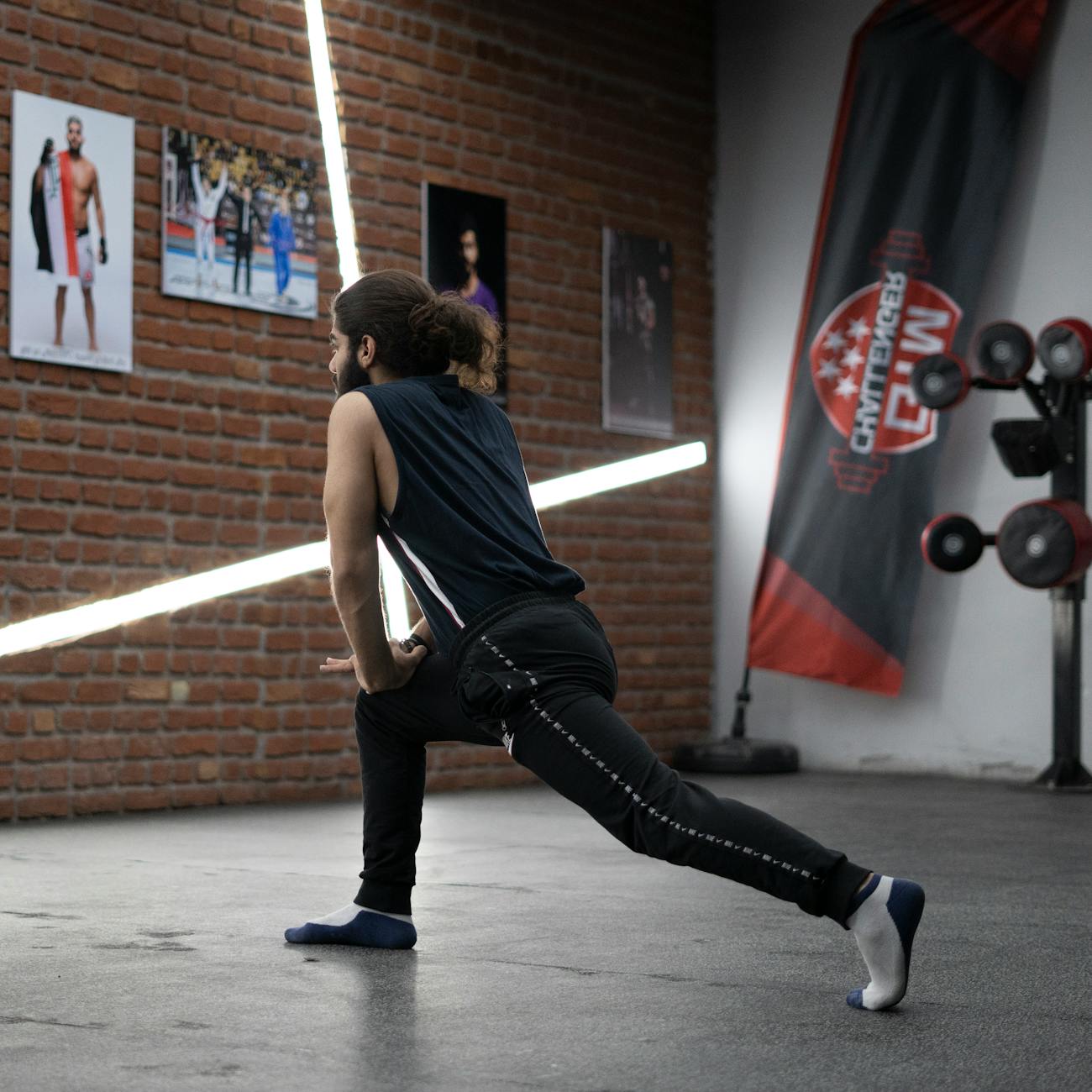
Principles of Strength and Conditioning: The principles of strength and conditioning are the foundational concepts that guide the design and implementation of effective training programs to improve athletic performance. These principles are essential for coaches and trainers to understand to maximize the benefits of their training programs.
Strength: Strength is the ability of a muscle or group of muscles to generate force against a resistance. It is a critical component of athletic performance and is essential for activities such as sprinting, jumping, and lifting weights.
Conditioning: Conditioning refers to the overall physical preparedness of an athlete, including cardiovascular fitness, muscular endurance, and flexibility. Conditioning training aims to improve an athlete's overall physical capabilities to perform at their best.
Professional Certificate in Strength and Conditioning: The Professional Certificate in Strength and Conditioning is a specialized certification program that provides coaches and trainers with the knowledge and skills needed to design and implement effective strength and conditioning programs for athletes.
Strength Training: Strength training involves exercises that are specifically designed to improve muscle strength, power, and endurance. These exercises typically involve lifting weights or using resistance bands to challenge the muscles.
Resistance Training: Resistance training is a form of strength training that involves using external resistance, such as weights, bands, or body weight, to challenge the muscles. Resistance training is essential for building muscle strength and power.
Power Training: Power training focuses on developing explosive strength and speed. It typically involves exercises that require quick and forceful movements, such as plyometrics and Olympic lifts.
Endurance Training: Endurance training is aimed at improving an athlete's cardiovascular fitness and muscular endurance. It typically involves activities such as running, cycling, or swimming for extended periods.
Periodization: Periodization is the systematic planning of training programs to optimize performance and prevent overtraining. It involves dividing the training program into distinct phases, each with specific goals and intensities.
Macrocycle: The macrocycle is the longest phase of periodization, typically lasting for a year or more. It includes all the training phases leading up to the main competition or performance.
Mesocycle: The mesocycle is a medium-term phase of periodization, typically lasting for several weeks to a few months. It focuses on specific aspects of training, such as strength or power.
Microcycle: The microcycle is the shortest phase of periodization, typically lasting for a week. It includes the specific workouts and training sessions that make up the training program.
Linear Periodization: Linear periodization is a traditional approach to training that involves gradually increasing the training intensity and volume over time. It typically starts with a high volume of low-intensity training and progresses to low volume of high-intensity training.
Undulating Periodization: Undulating periodization is a more flexible approach to training that involves changing the intensity and volume of training within each week or even each workout. It allows for more variation in training stimuli and can be particularly effective for advanced athletes.
Strength and Power: Strength and power are closely related but distinct components of athletic performance. Strength is the ability to generate force, while power is the ability to generate force quickly. Both are essential for activities such as sprinting, jumping, and lifting weights.
Maximal Strength: Maximal strength is the maximum amount of force that a muscle or group of muscles can generate in a single effort. It is essential for activities such as powerlifting and weightlifting.
Relative Strength: Relative strength is the amount of force that a muscle or group of muscles can generate relative to body weight. It is a critical component of activities that require strength-to-weight ratio, such as gymnastics and rock climbing.
Power: Power is the ability to generate force quickly. It is essential for activities that require explosive movements, such as sprinting, jumping, and throwing.
Rate of Force Development (RFD): Rate of force development is the speed at which an athlete can generate force. It is a critical component of power production and is essential for activities that require quick and explosive movements.
Concentric Contraction: Concentric contraction is the shortening of a muscle as it generates force. It is the phase of muscle contraction that is used to lift a weight or perform an explosive movement.
Eccentric Contraction: Eccentric contraction is the lengthening of a muscle as it generates force. It is the phase of muscle contraction that is used to control a weight or decelerate a movement.
Isometric Contraction: Isometric contraction is the contraction of a muscle without any change in length. It is used to stabilize the body or hold a position, such as in a plank or wall sit.
Functional Training: Functional training involves exercises that mimic real-life movements or activities. It aims to improve an athlete's ability to perform daily tasks or sports-specific movements more efficiently.
Core Stability: Core stability refers to the ability of the muscles in the core (abdominals, lower back, and pelvis) to work together to support the spine and pelvis during movement. It is essential for maintaining proper posture and preventing injuries.
Balance Training: Balance training involves exercises that challenge an athlete's ability to maintain stability and control their body position. It is essential for improving coordination, proprioception, and preventing falls.
Flexibility: Flexibility refers to the range of motion of a joint or group of joints. It is essential for performing movements efficiently and preventing injuries. Flexibility training involves stretching exercises to improve joint mobility.
Static Stretching: Static stretching involves holding a stretch position for a period of time to lengthen the muscles and improve flexibility. It is typically done after a workout to help relax the muscles and improve range of motion.
Dynamic Stretching: Dynamic stretching involves moving the joints through a full range of motion to improve flexibility and warm up the muscles. It is typically done before a workout to prepare the body for exercise.
Proprioception: Proprioception is the body's ability to sense the position, movement, and force of body parts. It is essential for balance, coordination, and joint stability. Proprioception training involves exercises that challenge the body's awareness of its own position in space.
Speed Training: Speed training involves exercises that aim to improve an athlete's running or sprinting speed. It typically includes drills, sprints, and plyometric exercises to improve stride length and frequency.
Agility Training: Agility training involves exercises that improve an athlete's ability to change direction quickly and efficiently. It typically includes drills that require rapid changes in direction, such as shuttle runs and cone drills.
Strength and Conditioning Coach: A strength and conditioning coach is a professional who designs and implements training programs to improve athletic performance. They work with athletes to develop strength, power, endurance, and overall physical preparedness.
Assessment: Assessment is the process of evaluating an athlete's physical abilities, strengths, weaknesses, and areas for improvement. It typically includes tests, measurements, and evaluations to guide the design of a training program.
Functional Movement Screen (FMS): The Functional Movement Screen is a tool used to assess an athlete's movement patterns, mobility, and stability. It helps identify movement dysfunctions and asymmetries that may increase the risk of injury.
Strength Assessment: Strength assessment involves testing an athlete's maximal strength, muscular endurance, and power. It typically includes exercises such as the bench press, squat, and vertical jump to evaluate strength levels.
Power Assessment: Power assessment involves testing an athlete's ability to generate force quickly. It typically includes exercises such as the power clean, medicine ball throws, and vertical jump to evaluate power production.
Endurance Assessment: Endurance assessment involves testing an athlete's cardiovascular fitness and muscular endurance. It typically includes exercises such as the mile run, beep test, and plank hold to evaluate endurance levels.
Progressive Overload: Progressive overload is the gradual increase in training intensity, volume, or load over time to stimulate further adaptations in strength and conditioning. It is essential for continued progress and improvement.
Specificity: Specificity refers to the principle that training adaptations are specific to the type of training performed. To improve in a particular skill or activity, the training program must closely mimic the demands of that skill or activity.
Individualization: Individualization involves tailoring the training program to meet the specific needs, goals, and abilities of the athlete. It takes into account factors such as age, gender, fitness level, injury history, and sport-specific requirements.
Recovery: Recovery is the process of rest, nutrition, and regeneration necessary to allow the body to repair and adapt to the stress of training. Adequate recovery is essential for preventing overtraining and maximizing performance.
Regeneration: Regeneration refers to the specific strategies and techniques used to enhance recovery and promote healing after training sessions. It may include activities such as foam rolling, massage, stretching, and ice baths.
Rest: Rest is a crucial component of recovery that allows the body to repair and rebuild muscle tissue. It is essential to prevent overtraining and fatigue.
Nutrition: Nutrition plays a critical role in supporting training adaptations, recovery, and performance. Athletes should focus on consuming a balanced diet that provides the necessary nutrients to fuel workouts and promote muscle growth and repair.
Hydration: Hydration is essential for maintaining performance, regulating body temperature, and preventing dehydration. Athletes should drink an adequate amount of water before, during, and after workouts to stay hydrated.
Sleep: Sleep is essential for recovery, hormone regulation, and overall health. Athletes should aim to get 7-9 hours of quality sleep per night to support optimal performance and recovery.
Stress Management: Stress management techniques, such as deep breathing, meditation, and mindfulness, can help athletes reduce stress levels and improve recovery. Chronic stress can negatively impact performance and should be managed effectively.
Injury Prevention: Injury prevention strategies, such as proper warm-up, cool-down, stretching, and mobility exercises, can help athletes reduce the risk of injuries during training and competition. It is essential to prioritize injury prevention to maintain long-term health and performance.
Challenges: Strength and conditioning programs present numerous challenges for coaches, trainers, and athletes. These challenges may include time constraints, limited resources, injuries, plateaus in progress, and adherence to the training program.
Adherence: Adherence refers to the athlete's commitment and consistency in following the training program. It is essential for achieving long-term progress and performance improvements.
Plateau: A plateau occurs when an athlete's progress in strength or conditioning stalls despite continued training efforts. Plateaus may be due to factors such as overtraining, inadequate recovery, lack of variation in training stimuli, or improper programming.
Overtraining: Overtraining is a state of excessive exercise without adequate rest and recovery. It can lead to decreased performance, fatigue, injury, and burnout. It is essential to monitor training volume, intensity, and recovery to prevent overtraining.
Burnout: Burnout is a state of physical and mental exhaustion caused by prolonged stress and overtraining. It can lead to decreased motivation, performance, and overall well-being. Athletes should be aware of the signs of burnout and take steps to prevent it.
Competition: Competition is a crucial aspect of strength and conditioning training, as it provides athletes with the opportunity to test their skills, measure progress, and perform at their best. Competing can help athletes stay motivated, set goals, and improve their performance.
Performance Enhancement: Performance enhancement involves strategies and techniques that aim to improve an athlete's physical abilities, skills, and overall performance. It may include strength training, speed training, agility drills, mental preparation, and recovery strategies.
Periodization Models: There are several periodization models that coaches and trainers can use to structure training programs, including linear periodization, undulating periodization, block periodization, and conjugate periodization. Each model has its own benefits and limitations, and the choice of model depends on the athlete's goals, sport, and training experience.
Block Periodization: Block periodization is a form of periodization that involves dividing the training program into distinct blocks of training, each focusing on specific aspects of performance, such as strength, power, or endurance. It allows for more focused training and may be particularly effective for advanced athletes.
Conjugate Periodization: Conjugate periodization is a form of periodization that involves training multiple qualities, such as strength, power, and endurance, simultaneously. It aims to develop a well-rounded athlete with a broad base of physical abilities. Conjugate periodization may be particularly effective for athletes in sports that require a variety of physical qualities.
Strength and Conditioning Program Design: Designing an effective strength and conditioning program involves considering the athlete's goals, sport-specific requirements, training experience, strengths, weaknesses, and injury history. The program should be progressive, specific, individualized, and include a variety of training modalities to maximize performance improvements.
Strength and Conditioning Equipment: Strength and conditioning equipment includes a wide range of tools and devices used to facilitate training, such as barbells, dumbbells, kettlebells, resistance bands, weight machines, plyometric boxes, agility ladders, and medicine balls. Coaches and trainers should select equipment that is appropriate for the athlete's goals, abilities, and training program.
Strength and Conditioning Exercises: Strength and conditioning exercises can be categorized into various types, including compound exercises (e.g., squats, deadlifts, bench press), isolation exercises (e.g., bicep curls, leg extensions), plyometric exercises (e.g., box jumps, medicine ball throws), agility drills (e.g., shuttle runs, cone drills), and mobility exercises (e.g., hip flexor stretches, shoulder rotations). Coaches and trainers should select exercises that target the athlete's specific needs and goals.
Strength and Conditioning Certifications: Strength and conditioning certifications are professional credentials that demonstrate a coach or trainer's knowledge, skills, and expertise in designing and implementing effective training programs. Popular certifications include the NSCA Certified Strength and Conditioning Specialist (CSCS), NASM Certified Strength and Conditioning Coach (CSC), and ACE Certified Personal Trainer.
Strength and Conditioning Associations: Strength and conditioning associations are organizations that provide resources, education, networking opportunities, and support for coaches, trainers, and professionals in the field of strength and conditioning. Popular associations include the National Strength and Conditioning Association (NSCA), American College of Sports Medicine (ACSM), and National Academy of Sports Medicine (NASM).
Strength and Conditioning Resources: Strength and conditioning resources include books, websites, journals, podcasts, and online courses that provide valuable information, research, and tools for coaches, trainers, and athletes. Popular resources include "Starting Strength" by Mark Rippetoe, "Strength Training Anatomy" by Frederic Delavier, and the NSCA Essentials of Strength Training and Conditioning textbook.
Strength and Conditioning Trends: Strength and conditioning trends are emerging practices, techniques, equipment, and methodologies that are gaining popularity in the field of athletic training. Examples of current trends include wearable technology for tracking performance, high-intensity interval training (HIIT) for conditioning, and functional training for improving movement patterns.
Strength and Conditioning Innovations: Strength and conditioning innovations are groundbreaking developments, technologies, and methodologies that are revolutionizing the field of athletic training. Examples of innovations include advanced biomechanical analysis for assessing movement patterns, personalized training programs based on genetic testing, and virtual reality training simulations for enhancing performance.
Strength and Conditioning Challenges: Strength and conditioning challenges are obstacles, difficulties, and constraints that coaches, trainers, and athletes may face when designing and implementing training programs. Common challenges include time constraints, limited resources, injuries, plateaus in progress, and adherence to the training program. Coaches and trainers should be prepared to address these challenges creatively and effectively.
Strength and Conditioning Solutions: Strength and conditioning solutions are strategies, techniques, and approaches that can help coaches, trainers, and athletes overcome challenges and achieve success in their training programs. Solutions may include effective time management, creative use of resources, injury prevention strategies, program modifications, and motivational techniques. By implementing these solutions, coaches and trainers can optimize performance and results.
Strength and Conditioning Success: Strength and conditioning success is the achievement of desired outcomes, goals, and performance improvements through effective training programs, dedication, and hard work. Success in strength and conditioning requires commitment, consistency, proper planning, and a focus on continuous improvement. By setting clear goals, following a well-designed program, and staying motivated, athletes can reach their full potential and excel in their sport.
Strength and Conditioning Benefits: Strength and conditioning training offers numerous benefits for athletes, including improved strength, power, endurance, speed, agility, balance, coordination, flexibility, and overall performance. It can also help prevent injuries, enhance recovery, boost confidence, and support long-term health and well-being. By incorporating strength and conditioning into their training regimen, athletes can maximize their athletic potential and achieve success in their sport.
Key takeaways
- Principles of Strength and Conditioning: The principles of strength and conditioning are the foundational concepts that guide the design and implementation of effective training programs to improve athletic performance.
- It is a critical component of athletic performance and is essential for activities such as sprinting, jumping, and lifting weights.
- Conditioning: Conditioning refers to the overall physical preparedness of an athlete, including cardiovascular fitness, muscular endurance, and flexibility.
- Strength Training: Strength training involves exercises that are specifically designed to improve muscle strength, power, and endurance.
- Resistance Training: Resistance training is a form of strength training that involves using external resistance, such as weights, bands, or body weight, to challenge the muscles.
- It typically involves exercises that require quick and forceful movements, such as plyometrics and Olympic lifts.
- Endurance Training: Endurance training is aimed at improving an athlete's cardiovascular fitness and muscular endurance.