
International Maritime Organization (IMO) Regulations
The International Maritime Organization (IMO) is the United Nations specialized agency responsible for regulating shipping on a global scale. Its primary objective is to promote safe, secure, efficient, and environmentally friendly shipping…
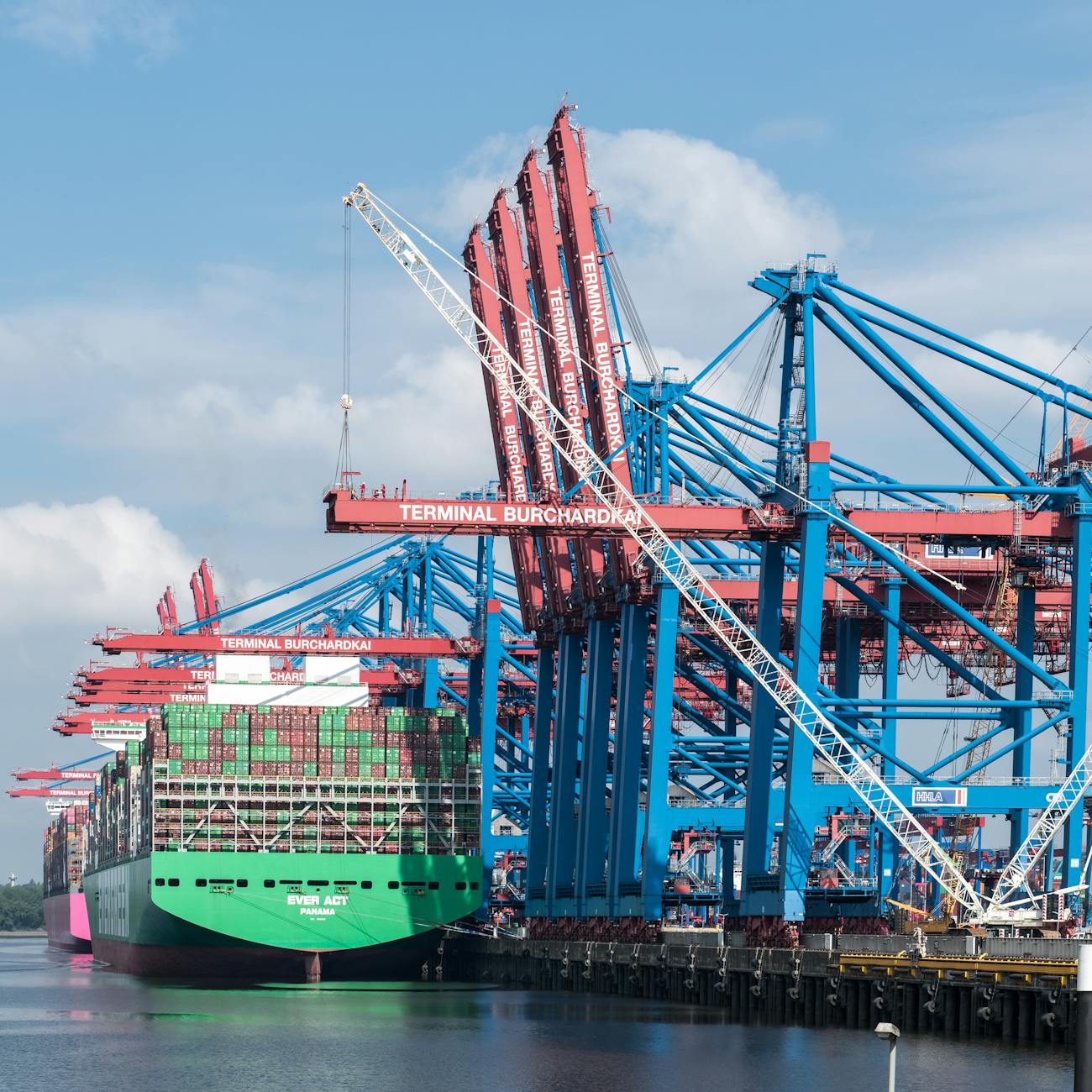
The International Maritime Organization (IMO) is the United Nations specialized agency responsible for regulating shipping on a global scale. Its primary objective is to promote safe, secure, efficient, and environmentally friendly shipping through the adoption of international regulations.
**Key Terms**
1. **International Maritime Organization (IMO)**: The United Nations agency responsible for regulating international shipping.
2. **Maritime Regulatory Compliance**: The adherence to international regulations set by the IMO to ensure safe and environmentally friendly shipping operations.
3. **Global Maritime Regulations**: Rules and standards established by the IMO that apply to all ships operating in international waters.
4. **Safety of Life at Sea (SOLAS)**: An international treaty that sets minimum safety standards for ships, including construction, equipment, and operation.
5. **International Convention for the Prevention of Pollution from Ships (MARPOL)**: A treaty that aims to prevent pollution of the marine environment by ships through the regulation of discharge of harmful substances.
6. **International Ship and Port Facility Security (ISPS) Code**: A set of security measures aimed at enhancing the security of ships and port facilities.
7. **Ballast Water Management (BWM)**: Regulations governing the management and treatment of ballast water to prevent the spread of invasive species.
8. **Emission Control Areas (ECAs)**: Designated areas where stricter regulations on emissions of sulfur oxides and other pollutants apply.
9. **Port State Control (PSC)**: The inspection of foreign ships in national ports to ensure compliance with international regulations.
10. **Flag State**: The country under whose laws a ship is registered, responsible for enforcing regulations on its vessels.
**Vocabulary**
1. **Compliance**: The act of adhering to laws, regulations, and standards.
2. **Enforcement**: The implementation of regulations and rules through monitoring and penalties for non-compliance.
3. **Inspection**: The process of examining a ship to ensure compliance with regulations.
4. **Audit**: A systematic review of a ship's records and procedures to assess compliance.
5. **Certification**: The issuance of documents verifying compliance with specific regulations.
6. **Detention**: The act of holding a ship in port due to serious non-compliance with regulations.
7. **Pollution**: The introduction of harmful substances into the marine environment.
8. **Invasive Species**: Non-native species that can cause harm to ecosystems when introduced into new environments.
9. **Sulfur Oxides (SOx)**: Harmful pollutants emitted by ships burning high-sulfur fuel.
10. **Emission Control Technology**: Equipment and systems installed on ships to reduce harmful emissions.
**Examples**
1. A ship must comply with SOLAS regulations by ensuring it has an adequate number of lifeboats for all passengers and crew.
2. MARPOL regulations require ships to treat their wastewater before discharging it into the sea to prevent pollution.
3. Ships sailing in ECAs must use low-sulfur fuel or install scrubbers to reduce emissions of sulfur oxides.
4. ISPS Code mandates that ships and port facilities implement security measures such as access control and security drills.
**Practical Applications**
1. Ship operators must ensure their vessels are in compliance with IMO regulations to avoid penalties and fines.
2. Port authorities conduct regular inspections to verify ships' compliance with international regulations.
3. Shipowners invest in emission control technology to meet MARPOL requirements and reduce environmental impact.
4. Crew members undergo training on safety procedures to ensure compliance with SOLAS regulations.
**Challenges**
1. Keeping up with the frequent updates and amendments to IMO regulations can be challenging for ship operators.
2. Ensuring consistent enforcement of regulations across different countries and regions poses a challenge to achieving global compliance.
3. Compliance with environmental regulations such as MARPOL requires significant investment in technology and infrastructure.
4. Balancing safety, security, and environmental concerns while maintaining operational efficiency can be a complex challenge for the shipping industry.
By understanding and adhering to IMO regulations, the global maritime industry can contribute to safer, more secure, and environmentally sustainable shipping practices.
Key takeaways
- Its primary objective is to promote safe, secure, efficient, and environmentally friendly shipping through the adoption of international regulations.
- **International Maritime Organization (IMO)**: The United Nations agency responsible for regulating international shipping.
- **Maritime Regulatory Compliance**: The adherence to international regulations set by the IMO to ensure safe and environmentally friendly shipping operations.
- **Global Maritime Regulations**: Rules and standards established by the IMO that apply to all ships operating in international waters.
- **Safety of Life at Sea (SOLAS)**: An international treaty that sets minimum safety standards for ships, including construction, equipment, and operation.
- **International Convention for the Prevention of Pollution from Ships (MARPOL)**: A treaty that aims to prevent pollution of the marine environment by ships through the regulation of discharge of harmful substances.
- **International Ship and Port Facility Security (ISPS) Code**: A set of security measures aimed at enhancing the security of ships and port facilities.