
Visual Merchandising Strategies
Visual Merchandising Strategies are crucial in the retail industry to attract customers, create a memorable shopping experience, and ultimately drive sales. In the Graduate Certificate in British Strategic Retail Space Planning, students wi…
Visual Merchandising Strategies are crucial in the retail industry to attract customers, create a memorable shopping experience, and ultimately drive sales. In the Graduate Certificate in British Strategic Retail Space Planning, students will learn about key terms and vocabulary related to Visual Merchandising Strategies to effectively plan and execute retail spaces. Let's delve into these terms in detail:
1. **Visual Merchandising**: Visual Merchandising is the practice of designing and arranging a store's layout and displays to engage customers and increase sales. It involves using visual elements such as color, lighting, signage, and product placement to create an appealing shopping environment.
2. **Retail Space Planning**: Retail Space Planning is the process of designing the layout of a retail store to optimize traffic flow, product placement, and customer experience. It involves considering factors such as store size, customer behavior, and merchandise assortment to create an efficient and visually appealing space.
3. **Planogram**: A Planogram is a visual representation of how products should be displayed in a store to maximize sales. It includes details such as product placement, shelf space allocation, and signage to guide store staff in setting up displays.
4. **Fixture**: A Fixture is a permanent or semi-permanent structure in a retail store used to display merchandise. Examples include shelves, racks, and display cases that are strategically placed to showcase products and attract customers.
5. **Visual Elements**: Visual Elements refer to the various components of a store's design that contribute to its overall aesthetic appeal. These elements include color, lighting, signage, graphics, and product displays that work together to create a cohesive and engaging environment.
6. **Traffic Flow**: Traffic Flow is the movement of customers through a retail store. It is essential to consider traffic flow when designing a store layout to ensure that customers can easily navigate the space and access products without feeling crowded or overwhelmed.
7. **Merchandise Assortment**: Merchandise Assortment refers to the range of products available for sale in a retail store. It is important to carefully curate the merchandise assortment to appeal to the target market and meet customer demand while maximizing sales and profitability.
8. **Signage**: Signage is the use of visual graphics and text to communicate information to customers in a retail store. Effective signage can guide customers to different sections of the store, promote special offers, and enhance the overall shopping experience.
9. **Product Placement**: Product Placement is the strategic arrangement of merchandise in a store to attract customer attention and encourage purchases. Placing popular or high-margin items at eye level or near the entrance can increase sales and drive impulse purchases.
10. **Color Psychology**: Color Psychology is the study of how different colors affect human emotions and behavior. In retail, colors are used strategically to create a mood or convey a brand message. For example, warm colors like red and orange can stimulate appetite in a food store, while cool colors like blue and green promote relaxation in a spa.
11. **Lighting**: Lighting plays a crucial role in setting the mood and highlighting products in a retail store. Proper lighting can enhance merchandise displays, create a welcoming atmosphere, and draw attention to key areas of the store.
12. **Seasonal Displays**: Seasonal Displays are themed displays in a retail store that change with the seasons or holidays. These displays help create a sense of excitement and urgency among customers and can drive sales by capitalizing on seasonal trends and occasions.
13. **Interactive Displays**: Interactive Displays engage customers by allowing them to interact with products in a hands-on way. Examples include touch screens, virtual reality experiences, and product demonstrations that enhance the shopping experience and encourage purchase decisions.
14. **Store Layout**: Store Layout refers to the physical arrangement of different sections within a retail store. Common layouts include grid, loop, free-flow, and boutique layouts, each designed to optimize traffic flow, product visibility, and customer experience.
15. **In-Store Marketing**: In-Store Marketing encompasses various promotional activities within a retail store to influence customer behavior and drive sales. This can include in-store events, demonstrations, sampling, and promotions that create a sense of urgency and excitement among customers.
16. **Sensory Marketing**: Sensory Marketing involves appealing to customers' senses to create a memorable and immersive shopping experience. This can include using music, scents, textures, and other sensory cues to evoke emotions, build brand loyalty, and enhance the overall shopping environment.
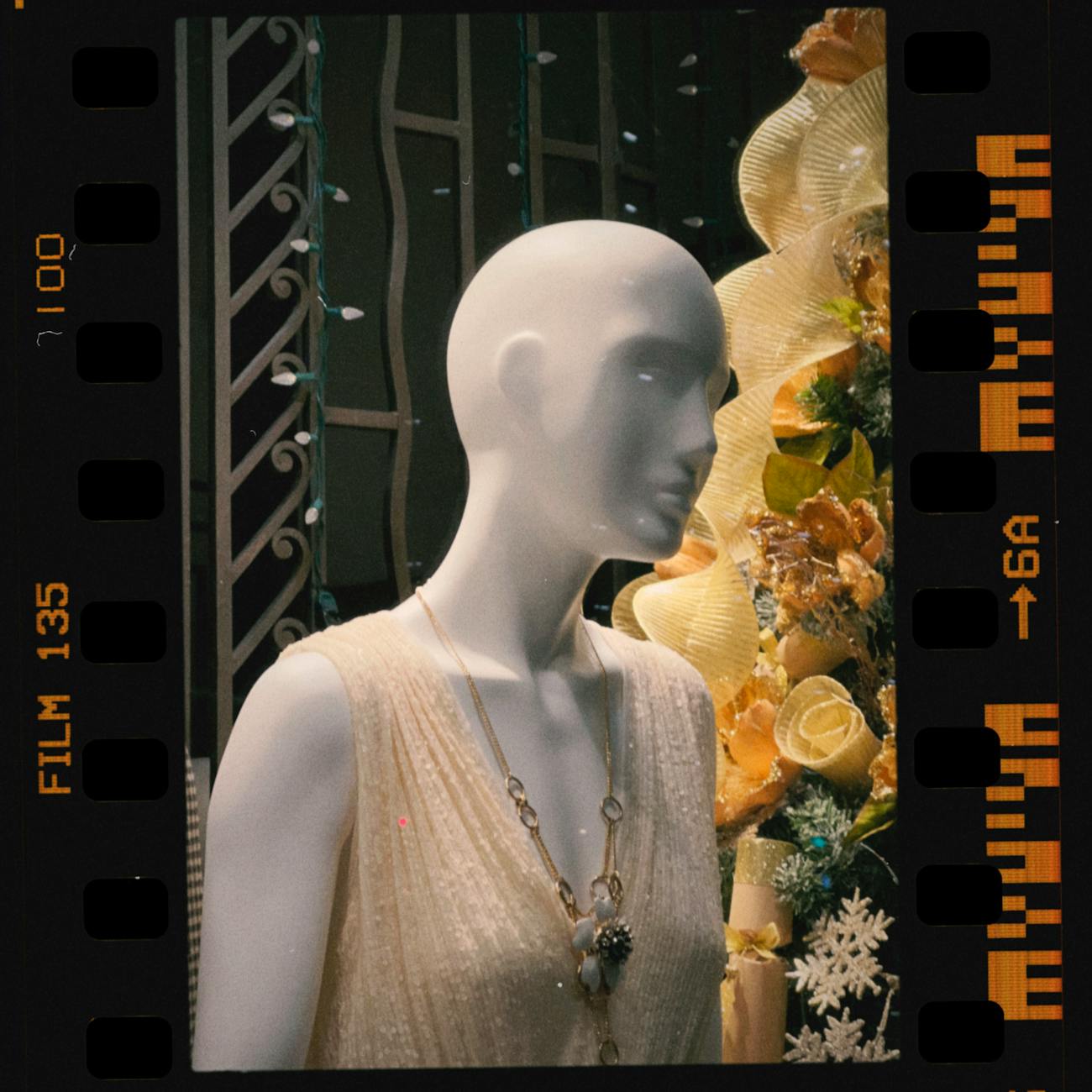
17. **Window Display**: A Window Display is a visual showcase of merchandise in a store's window to attract passersby and entice them to enter the store. Window displays are an essential part of a store's visual merchandising strategy and can set the tone for the overall shopping experience.
18. **Point of Purchase (POP) Displays**: Point of Purchase Displays are promotional displays located near the checkout counter to encourage impulse purchases. These displays typically feature small, high-margin items or last-minute deals to capture customers' attention and increase sales.
19. **Customer Journey**: The Customer Journey refers to the path that a customer takes from entering a store to making a purchase. Understanding the customer journey is crucial for retailers to identify touchpoints, pain points, and opportunities to enhance the shopping experience and drive sales.
20. **Retail Design**: Retail Design involves creating a store environment that reflects the brand identity, engages customers, and enhances the overall shopping experience. It encompasses elements such as store layout, fixtures, signage, lighting, and decor to create a cohesive and visually appealing space.
21. **Brand Identity**: Brand Identity is the unique personality and image that a brand conveys to customers through its visual and verbal communication. Consistent brand identity across all touchpoints, including store design, packaging, and marketing, helps build brand recognition and loyalty among customers.
22. **Experiential Retail**: Experiential Retail focuses on creating immersive and interactive experiences for customers in a physical store. This can include live demonstrations, workshops, tastings, and other activities that engage customers and build a deeper connection with the brand.
23. **Omnichannel Retailing**: Omnichannel Retailing integrates online and offline channels to provide a seamless shopping experience for customers. This approach allows customers to research, shop, and interact with a brand across multiple touchpoints, including stores, websites, mobile apps, and social media.
24. **Visual Merchandising Techniques**: Visual Merchandising Techniques are methods used to create visually appealing displays and optimize the store layout to attract customers and increase sales. These techniques include color blocking, focal points, storytelling, symmetry, and repetition to create a cohesive and engaging shopping environment.
25. **Retail Technology**: Retail Technology encompasses the use of technology tools and solutions to enhance the retail experience for customers and streamline operations for retailers. Examples include digital signage, RFID tags, mobile payment systems, and virtual reality applications that improve efficiency, convenience, and engagement in a retail store.
26. **Customer Engagement**: Customer Engagement refers to the interactions and relationships that customers have with a brand or retailer. Engaging customers through personalized experiences, targeted promotions, and excellent customer service can build loyalty, increase repeat business, and drive sales.
27. **Visual Merchandising Trends**: Visual Merchandising Trends are emerging practices and techniques that are shaping the retail industry and influencing how stores design their spaces and displays. Keeping up with current trends such as sustainability, experiential retail, and digital integration can help retailers stay competitive and attract modern consumers.
28. **Visual Communication**: Visual Communication involves using images, graphics, and design elements to convey information and evoke emotions in a retail setting. Effective visual communication can help retailers communicate brand messages, promote products, and create a cohesive and memorable shopping experience for customers.
29. **Inventory Management**: Inventory Management is the process of overseeing and controlling the flow of merchandise in a retail store to ensure that products are available when customers want them. Efficient inventory management practices help retailers minimize stockouts, reduce excess inventory, and improve overall profitability.
30. **Retail Analytics**: Retail Analytics involves using data and insights to analyze customer behavior, sales trends, and store performance to make informed business decisions. By leveraging retail analytics tools and techniques, retailers can optimize pricing, promotions, product assortment, and store layout to drive sales and enhance the customer experience.
In conclusion, understanding key terms and vocabulary related to Visual Merchandising Strategies is essential for students in the Graduate Certificate in British Strategic Retail Space Planning to develop effective retail spaces and drive business success. By mastering these concepts and applying them in real-world scenarios, students can create engaging and profitable retail environments that attract customers, increase sales, and build brand loyalty.
Key takeaways
- In the Graduate Certificate in British Strategic Retail Space Planning, students will learn about key terms and vocabulary related to Visual Merchandising Strategies to effectively plan and execute retail spaces.
- **Visual Merchandising**: Visual Merchandising is the practice of designing and arranging a store's layout and displays to engage customers and increase sales.
- **Retail Space Planning**: Retail Space Planning is the process of designing the layout of a retail store to optimize traffic flow, product placement, and customer experience.
- It includes details such as product placement, shelf space allocation, and signage to guide store staff in setting up displays.
- Examples include shelves, racks, and display cases that are strategically placed to showcase products and attract customers.
- These elements include color, lighting, signage, graphics, and product displays that work together to create a cohesive and engaging environment.
- It is essential to consider traffic flow when designing a store layout to ensure that customers can easily navigate the space and access products without feeling crowded or overwhelmed.