
Design Thinking
Design Thinking is a human-centered approach to innovation that draws from the designer's toolkit to integrate the needs of people, the possibilities of technology, and the requirements for business success. It is a methodology that provide…
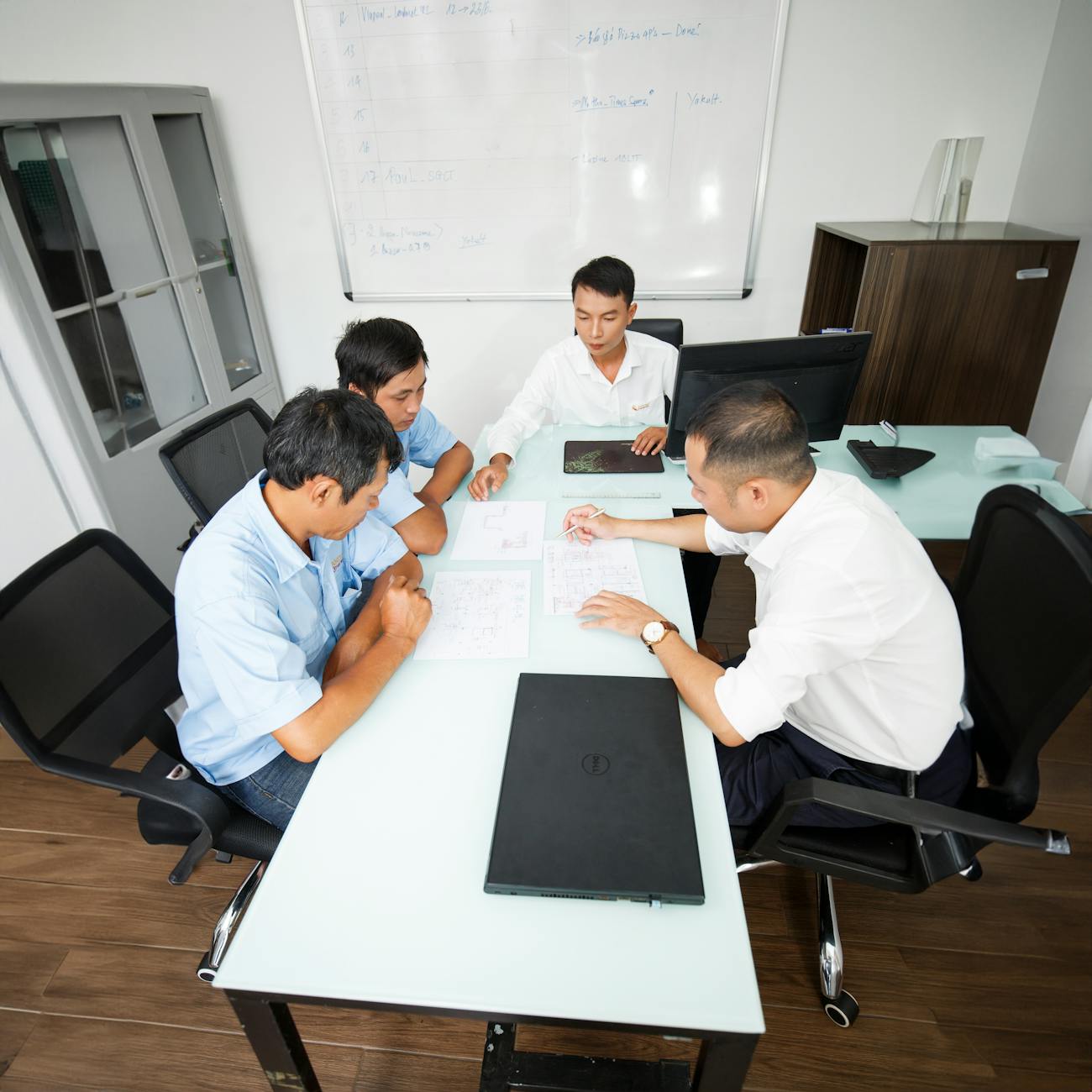
Design Thinking is a human-centered approach to innovation that draws from the designer's toolkit to integrate the needs of people, the possibilities of technology, and the requirements for business success. It is a methodology that provides a solution-based approach to solving problems. In this course, we will explore key terms and vocabulary associated with Design Thinking to help you understand and apply this powerful concept in your strategic management and innovation efforts.
1. **Empathy**: Empathy is the ability to understand and share the feelings of others. In the context of Design Thinking, empathy is crucial as it allows designers to put themselves in the shoes of the users they are designing for. By empathizing with users, designers can better understand their needs, desires, and challenges, which in turn helps them create more meaningful and effective solutions.
2. **User-Centric**: Being user-centric means designing products, services, or experiences with the end user in mind. Design Thinking emphasizes the importance of focusing on the needs and preferences of users throughout the design process. By prioritizing the user experience, designers can create solutions that are more intuitive, engaging, and valuable to the end user.
3. **Iterative**: Design Thinking is an iterative process, meaning that it involves repeating a series of steps multiple times to refine and improve a design. Designers often create prototypes or mock-ups of their ideas and gather feedback from users to make iterative improvements. This iterative approach allows designers to test and validate their ideas quickly, leading to more successful outcomes.
4. **Prototyping**: Prototyping is the process of creating a preliminary version of a product or design to test its feasibility and gather feedback. Prototypes can range from simple sketches or wireframes to more complex models or simulations. By prototyping early in the design process, designers can identify potential flaws, make necessary adjustments, and iterate on their designs more effectively.
5. **Collaboration**: Collaboration is essential in Design Thinking as it involves working closely with diverse team members, stakeholders, and end users to generate innovative solutions. By bringing together individuals with different backgrounds, expertise, and perspectives, designers can leverage the collective intelligence of the group to generate creative ideas and insights.
6. **Ideation**: Ideation is the process of generating a wide range of creative ideas and solutions to a given problem. Design Thinking encourages designers to think outside the box, explore unconventional approaches, and challenge assumptions to come up with innovative solutions. Ideation sessions often involve brainstorming, sketching, and rapid prototyping to generate and refine ideas.
7. **Human-Centered Design**: Human-centered design is a key principle of Design Thinking that emphasizes designing products, services, or experiences that are tailored to the needs, behaviors, and preferences of the end user. By focusing on human needs and experiences, designers can create solutions that are more intuitive, user-friendly, and impactful.
8. **Design Sprints**: Design sprints are a time-bound and structured approach to solving complex problems quickly and efficiently. They typically involve a series of activities such as research, ideation, prototyping, and testing conducted over a short period (e.g., one week). Design sprints help teams rapidly iterate on ideas, gather feedback, and make informed decisions to move projects forward.
9. **Empathize**: Empathize is the first stage in the Design Thinking process, where designers seek to understand the needs, preferences, and challenges of the end user. Through interviews, observations, and other research methods, designers gather insights that inform the design process and help them empathize with users to create more meaningful solutions.
10. **Define**: Define is the second stage in the Design Thinking process, where designers synthesize the research findings from the empathize stage to define the problem statement or design challenge. By clearly articulating the problem, designers can align on the goals, constraints, and requirements of the project, setting the stage for ideation and solution generation.
11. **Ideate**: Ideate is the third stage in the Design Thinking process, where designers brainstorm, generate creative ideas, and explore potential solutions to the defined problem. Through ideation sessions, designers aim to generate a wide range of ideas, challenge assumptions, and push the boundaries of traditional thinking to uncover innovative solutions.
12. **Prototype**: Prototype is the fourth stage in the Design Thinking process, where designers create tangible representations of their ideas to test and validate them with users. Prototypes can take various forms, from low-fidelity sketches to high-fidelity mock-ups, depending on the complexity of the design. By prototyping early and often, designers can iterate on their ideas and gather feedback to refine their designs.
13. **Test**: Test is the final stage in the Design Thinking process, where designers gather feedback from users on their prototypes to evaluate the effectiveness and usability of the design. By testing their ideas with real users, designers can identify strengths, weaknesses, and areas for improvement, leading to more successful outcomes and user-centered solutions.
14. **Design Challenge**: A design challenge is a specific problem or opportunity that designers aim to address through the Design Thinking process. Design challenges are typically framed as open-ended questions or statements that guide the design process and inspire creative solutions. By defining a clear design challenge, designers can focus their efforts and generate more targeted and impactful solutions.
15. **Creative Confidence**: Creative confidence is the belief in one's ability to think creatively, generate innovative ideas, and solve complex problems. Design Thinking helps build creative confidence by providing a structured framework and set of tools to guide the design process. By encouraging experimentation, collaboration, and risk-taking, Design Thinking empowers individuals to unleash their creative potential and drive innovation.
16. **Design Mindset**: A design mindset is a way of thinking that emphasizes curiosity, empathy, experimentation, and collaboration to solve complex problems and create meaningful solutions. Design Thinking promotes a design mindset by encouraging designers to adopt a human-centered approach, challenge assumptions, and embrace ambiguity to drive innovation and creativity.
17. **User Journey**: A user journey is a visual representation of the steps, interactions, and emotions that a user experiences when engaging with a product, service, or experience. User journeys help designers understand the user's perspective, identify pain points, and opportunities for improvement in the design. By mapping out the user journey, designers can create more user-centric and seamless experiences for their target audience.
18. **Design Principles**: Design principles are foundational guidelines or rules that inform the design process and help designers make informed decisions. Design principles often reflect the values, goals, and objectives of the organization or project, guiding designers in creating cohesive, user-friendly, and visually appealing designs. By adhering to design principles, designers can maintain consistency, coherence, and effectiveness in their work.
19. **Design Strategy**: Design strategy is a plan or approach that outlines how design will be used to achieve business goals, solve problems, or create value for users. Design strategy involves aligning design decisions with the overall business strategy, market needs, and user preferences to drive innovation and competitive advantage. By developing a clear design strategy, organizations can leverage design as a strategic asset to differentiate themselves in the marketplace.
20. **Design System**: A design system is a set of interconnected components, patterns, and guidelines that define the visual and functional elements of a product or brand. Design systems help ensure consistency, coherence, and efficiency in design by providing reusable assets, design standards, and best practices. By implementing a design system, organizations can streamline the design process, improve collaboration, and maintain brand integrity across different touchpoints.
21. **Design Brief**: A design brief is a document that outlines the goals, objectives, constraints, and requirements of a design project. Design briefs provide designers with a clear understanding of the project scope, user needs, and design criteria, guiding them in the development of creative solutions. By creating a comprehensive design brief, organizations can align stakeholders, set expectations, and drive successful design outcomes.
22. **Design Thinking Tools**: Design Thinking tools are techniques, methods, or resources that help designers facilitate the design process, generate ideas, and solve problems creatively. Design Thinking tools can range from simple brainstorming exercises and sketching techniques to more advanced prototyping software and user testing platforms. By leveraging Design Thinking tools, designers can enhance collaboration, foster creativity, and drive innovation in their projects.
23. **Design Critique**: A design critique is a structured review or feedback session where designers present their work, receive feedback, and evaluate design solutions against the project goals. Design critiques help designers identify strengths, weaknesses, and opportunities for improvement in their designs, fostering a culture of continuous learning and refinement. By engaging in design critiques, designers can gather diverse perspectives, validate their ideas, and make informed design decisions.
24. **Design Sprint**: A design sprint is a time-bound and intensive process that brings together cross-functional teams to solve complex problems, generate ideas, and prototype solutions in a short period. Design sprints typically last five days and involve a series of activities such as research, ideation, prototyping, and testing. By condensing the design process into a sprint, teams can accelerate innovation, make informed decisions, and deliver impactful solutions quickly.
25. **Design Studio**: A design studio is a collaborative workspace where designers, stakeholders, and end users come together to ideate, sketch, and prototype design solutions. Design studios provide a creative and interactive environment for generating ideas, exploring concepts, and iterating on designs. By hosting design studios, organizations can foster creativity, teamwork, and innovation in their design projects.
26. **Design Thinking Workshop**: A Design Thinking workshop is a facilitated session that brings together stakeholders, experts, and designers to explore a specific problem, generate ideas, and prototype solutions using Design Thinking methods. Design Thinking workshops typically involve a series of activities such as empathy mapping, ideation sessions, and prototyping exercises. By hosting Design Thinking workshops, organizations can foster collaboration, creativity, and innovation in their teams.
27. **Design Ethnography**: Design ethnography is a research method that involves observing and studying people in their natural environment to gain insights into their behaviors, preferences, and needs. Design ethnography helps designers understand the context, culture, and motivations of users, informing the design process and guiding the development of user-centered solutions. By conducting design ethnography, designers can uncover hidden opportunities, identify unmet needs, and create more impactful designs.
28. **Design for Delight**: Design for Delight is a principle coined by IDEO, a leading design firm, that emphasizes creating products, services, or experiences that delight and surprise users. Design for Delight encourages designers to go beyond meeting basic needs and expectations to deliver memorable and emotionally engaging solutions. By designing for delight, designers can create products that resonate with users, foster loyalty, and drive customer satisfaction.
29. **Design Innovation**: Design innovation refers to the process of applying creative thinking, human-centered design, and strategic planning to develop novel solutions that address complex challenges, meet user needs, and drive business growth. Design innovation involves pushing boundaries, challenging assumptions, and exploring new possibilities to create disruptive and transformative solutions. By leveraging design innovation, organizations can differentiate themselves, stay ahead of competitors, and drive sustainable growth.
30. **Design Thinking Mindset**: A Design Thinking mindset is a way of thinking and approaching problems that emphasizes empathy, curiosity, experimentation, and collaboration. Design Thinking promotes a human-centered approach, encouraging designers to understand user needs, challenge assumptions, and iterate on ideas to create innovative solutions. By adopting a Design Thinking mindset, individuals can foster creativity, empathy, and resilience in their work, driving positive change and innovation.
31. **Design Thinking Process**: The Design Thinking process is a structured framework that guides designers through a series of stages, from empathizing with users and defining the problem to ideating, prototyping, and testing solutions. The Design Thinking process typically consists of five stages: Empathize, Define, Ideate, Prototype, and Test. By following the Design Thinking process, designers can create user-centered, innovative, and effective solutions to complex problems.
32. **Design Thinking Framework**: A Design Thinking framework is a structured model or approach that provides a systematic way to apply Design Thinking principles and methods to solve problems, generate ideas, and drive innovation. Design Thinking frameworks often consist of a series of steps, tools, and techniques that guide designers through the design process. By using a Design Thinking framework, designers can navigate complexity, foster creativity, and deliver impactful solutions in a consistent and repeatable manner.
33. **Design Thinking Principles**: Design Thinking principles are foundational guidelines or beliefs that underpin the Design Thinking approach and inform the design process. Design Thinking principles often emphasize human-centered design, collaboration, iteration, and experimentation to drive innovation and create meaningful solutions. By adhering to Design Thinking principles, designers can stay focused on user needs, challenge assumptions, and generate creative ideas that address real-world problems effectively.
34. **Design Thinking Tools and Techniques**: Design Thinking tools and techniques are methods, practices, or resources that help designers facilitate the design process, generate ideas, and solve problems creatively. Design Thinking tools and techniques can range from empathy maps and user personas to brainstorming exercises and prototyping tools. By leveraging Design Thinking tools and techniques, designers can enhance collaboration, foster creativity, and drive innovation in their projects.
35. **Design Thinking Workshop Activities**: Design Thinking workshop activities are interactive exercises or tasks that engage participants in the Design Thinking process, from empathizing with users and defining the problem to ideating, prototyping, and testing solutions. Design Thinking workshop activities can include brainstorming sessions, role-playing exercises, prototyping challenges, and user testing simulations. By incorporating a variety of workshop activities, facilitators can stimulate creativity, teamwork, and innovation in their teams.
36. **Design Thinking Case Studies**: Design Thinking case studies are real-world examples or stories that illustrate how organizations have applied Design Thinking principles and methods to solve complex problems, drive innovation, and create value for users. Design Thinking case studies often highlight successful projects, challenges faced, and lessons learned in the design process. By studying Design Thinking case studies, designers can gain insights, inspiration, and best practices to inform their own design projects.
37. **Design Thinking Challenges**: Design Thinking challenges are obstacles, constraints, or uncertainties that designers may encounter in the design process, from understanding user needs and defining the problem to generating ideas, prototyping solutions, and testing designs. Design Thinking challenges can include limited resources, conflicting stakeholder interests, ambiguous requirements, and resistance to change. By addressing Design Thinking challenges creatively and collaboratively, designers can overcome obstacles, innovate effectively, and drive successful outcomes.
38. **Design Thinking Best Practices**: Design Thinking best practices are proven strategies, techniques, or approaches that help designers optimize the design process, foster creativity, and deliver impactful solutions. Design Thinking best practices can include conducting user research, prototyping early and often, iterating on ideas, and testing designs with real users. By following Design Thinking best practices, designers can enhance collaboration, drive innovation, and create user-centered solutions that meet stakeholder needs and business objectives.
39. **Design Thinking Principles and Strategies**: Design Thinking principles and strategies are foundational guidelines and approaches that guide designers in applying Design Thinking methods to solve problems, generate ideas, and drive innovation. Design Thinking principles and strategies often emphasize empathy, iteration, collaboration, and experimentation to create human-centered solutions that address user needs and business goals. By aligning with Design Thinking principles and strategies, designers can navigate complexity, inspire creativity, and deliver successful outcomes in their design projects.
40. **Design Thinking Implementation**: Design Thinking implementation refers to the process of applying Design Thinking principles, methods, and tools to solve problems, generate ideas, and drive innovation in a real-world context. Design Thinking implementation involves setting clear goals, engaging stakeholders, conducting user research, ideating, prototyping, testing, and iterating on solutions. By effectively implementing Design Thinking, organizations can create user-centered, innovative, and impactful solutions that meet user needs, drive business growth, and differentiate themselves in the marketplace.
41. **Design Thinking for Innovation**: Design Thinking for innovation is an approach that leverages Design Thinking principles and methods to drive creative problem-solving, generate new ideas, and develop breakthrough innovations. Design Thinking for innovation involves challenging assumptions, exploring new possibilities, and pushing boundaries to create transformative solutions that address emerging trends, market needs, and user preferences. By embracing Design Thinking for innovation, organizations can foster a culture of creativity, experimentation, and collaboration to drive sustainable growth and competitive advantage.
42. **Design Thinking and Strategic Management**: Design Thinking and strategic management are complementary disciplines that can help organizations innovate, create value, and achieve strategic objectives. Design Thinking provides a human-centered approach to problem-solving, creativity, and innovation, while strategic management offers a framework for setting goals, making decisions, and allocating resources effectively. By integrating Design Thinking with strategic management, organizations can drive innovation, design user-centric solutions, and align design efforts with business goals to drive sustainable growth and competitive advantage.
43. **Design Thinking and Organizational Change**: Design Thinking and organizational change are interconnected concepts that can help organizations adapt, evolve, and thrive in a dynamic and complex environment. Design Thinking provides a structured approach to problem-solving, creativity, and innovation, while organizational change involves transforming processes, structures, and cultures to drive growth and innovation. By applying Design Thinking principles to organizational change initiatives, organizations can foster creativity, collaboration, and agility to navigate change effectively, drive innovation, and achieve strategic goals.
44. **Design Thinking and Digital Transformation**: Design Thinking and digital transformation are intertwined concepts that can help organizations leverage technology, data, and innovation to drive business growth and competitive advantage. Design Thinking offers a human-centered approach to problem-solving, creativity, and innovation, while digital transformation involves adopting digital technologies, processes, and business models to create value for users and stakeholders. By applying Design Thinking to digital transformation initiatives, organizations can design user-centric digital experiences, streamline processes, and drive innovation to succeed in the digital age.
45. **Design Thinking and Customer Experience**: Design Thinking and customer experience are closely related concepts that can help organizations create memorable, engaging, and meaningful experiences for their customers. Design Thinking provides a human-centered approach to problem-solving, creativity, and innovation, while customer experience focuses on understanding and meeting the needs, preferences, and expectations of customers across all touchpoints. By applying Design Thinking principles to customer experience design, organizations can create user-centric products, services, and interactions that drive customer satisfaction, loyalty, and advocacy.
46. **Design Thinking and Product Development**: Design Thinking and product development are interconnected disciplines that can help organizations design, develop, and launch successful products that meet user needs and business objectives. Design Thinking provides a human-centered approach to problem-solving, creativity, and innovation, while product development involves defining requirements, designing features, and testing prototypes to bring products to market. By integrating Design Thinking into the product development process, organizations can create user-centric products, streamline development cycles, and drive innovation to achieve market success and competitive advantage.
47. **Design Thinking and Service Design**: Design Thinking and service design are complementary disciplines that can help organizations design, deliver, and optimize services that meet user needs, preferences, and expectations. Design Thinking provides a human-centered approach to problem-solving, creativity, and innovation, while service design focuses on understanding and improving the end-to-end service experience for users. By applying Design Thinking principles to service design, organizations can create seamless, user-friendly, and effective services that drive customer satisfaction, loyalty, and business growth.
48. **Design Thinking and Innovation Management**: Design Thinking and innovation management are interconnected disciplines that can help organizations foster creativity, generate new ideas, and drive innovation to achieve strategic objectives. Design Thinking provides a human-centered approach to problem-solving, creativity, and innovation, while innovation management involves
Key takeaways
- Design Thinking is a human-centered approach to innovation that draws from the designer's toolkit to integrate the needs of people, the possibilities of technology, and the requirements for business success.
- By empathizing with users, designers can better understand their needs, desires, and challenges, which in turn helps them create more meaningful and effective solutions.
- By prioritizing the user experience, designers can create solutions that are more intuitive, engaging, and valuable to the end user.
- **Iterative**: Design Thinking is an iterative process, meaning that it involves repeating a series of steps multiple times to refine and improve a design.
- By prototyping early in the design process, designers can identify potential flaws, make necessary adjustments, and iterate on their designs more effectively.
- By bringing together individuals with different backgrounds, expertise, and perspectives, designers can leverage the collective intelligence of the group to generate creative ideas and insights.
- Design Thinking encourages designers to think outside the box, explore unconventional approaches, and challenge assumptions to come up with innovative solutions.