
Cultural Competence
Cultural Competence Cultural competence refers to the ability of individuals or organizations to effectively interact with people from different cultural backgrounds. It involves understanding, respecting, and valuing the beliefs, norms, cu…
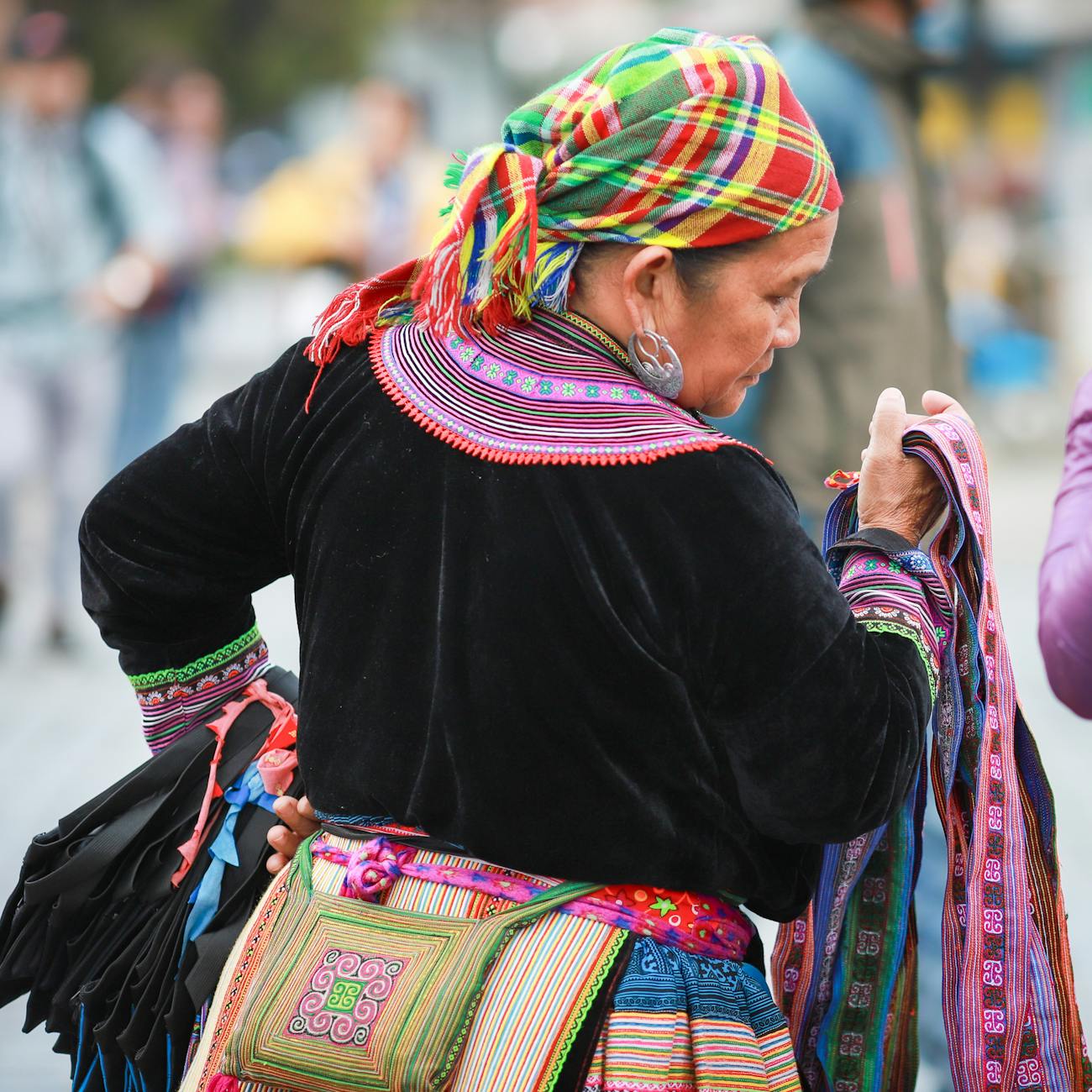
Cultural Competence Cultural competence refers to the ability of individuals or organizations to effectively interact with people from different cultural backgrounds. It involves understanding, respecting, and valuing the beliefs, norms, customs, and practices of diverse groups. Cultural competence is essential in critical incident stress management (CISM) as it helps responders navigate the complexities of working with individuals in distress from various cultural backgrounds.
Cultural competence involves several key components, including:
1. Cultural Awareness: Being aware of one's own cultural beliefs, biases, and values, as well as recognizing and respecting the cultural diversity of others.
2. Cultural Knowledge: Understanding the cultural norms, traditions, language, history, and practices of different cultural groups.
3. Cultural Sensitivity: Being sensitive to the unique needs, preferences, and perspectives of individuals from diverse cultural backgrounds.
4. Cultural Skills: Developing the skills to effectively communicate, engage, and work with people from different cultures.
5. Cultural Respect: Showing respect for the cultural identities, beliefs, and practices of others, even if they differ from one's own.
Cultural competence is crucial in CISM because it helps responders build trust, establish rapport, and provide appropriate support to individuals experiencing critical incidents. By being culturally competent, responders can better understand the cultural context of a situation, tailor their interventions to meet the needs of diverse populations, and avoid misunderstandings or conflicts that may arise from cultural differences.
Cultural competence also plays a role in promoting equity, diversity, and inclusion within CISM programs and organizations. By embracing cultural competence, responders can create a more inclusive and welcoming environment for individuals from all backgrounds, ensuring that everyone has access to the support they need during times of crisis.
Challenges in Cultural Competence: Despite its importance, cultural competence in CISM can present several challenges. Some common challenges include:
1. Language Barriers: Communicating effectively with individuals who speak different languages can be challenging and may require the use of interpreters or language translation services.
2. Cultural Norms: Understanding and respecting cultural norms and practices that may differ from one's own can be complex and may require ongoing learning and adaptation.
3. Unconscious Bias: Overcoming unconscious bias and stereotypes that may influence interactions with individuals from different cultural backgrounds can be difficult but is essential for cultural competence.
4. Power Dynamics: Recognizing and addressing power dynamics that may exist between responders and individuals in distress from marginalized or minority cultural groups is crucial for building trust and rapport.
Practical Applications of Cultural Competence in CISM: Cultural competence is not just a theoretical concept but has practical applications in CISM. Some key practical applications include:
1. Cultural Assessment: Conducting cultural assessments to understand the cultural backgrounds, beliefs, and needs of individuals affected by critical incidents.
2. Cultural Consultation: Seeking guidance and consultation from cultural experts or community leaders to ensure that interventions are culturally appropriate and effective.
3. Cultural Adaptation: Adapting CISM interventions, materials, and strategies to be culturally relevant and sensitive to the needs of diverse populations.
4. Cultural Competence Training: Providing training and education on cultural competence to responders and staff members to enhance their skills and knowledge in working with diverse populations.
5. Cultural Humility: Practicing cultural humility by acknowledging one's limitations, being open to learning from others, and continuously striving to improve cultural competence.
By applying these practical strategies and principles of cultural competence, responders can enhance their effectiveness in providing support and care to individuals in distress from diverse cultural backgrounds.
Overall, cultural competence is a vital component of CISM that helps responders navigate the complexities of working with individuals from diverse cultural backgrounds. By developing cultural awareness, knowledge, sensitivity, skills, and respect, responders can build trust, establish rapport, and provide effective support to those in need during critical incidents. Embracing cultural competence also promotes equity, diversity, and inclusion within CISM programs and organizations, creating a more inclusive and supportive environment for all individuals.
Key takeaways
- Cultural competence is essential in critical incident stress management (CISM) as it helps responders navigate the complexities of working with individuals in distress from various cultural backgrounds.
- Cultural Awareness: Being aware of one's own cultural beliefs, biases, and values, as well as recognizing and respecting the cultural diversity of others.
- Cultural Knowledge: Understanding the cultural norms, traditions, language, history, and practices of different cultural groups.
- Cultural Sensitivity: Being sensitive to the unique needs, preferences, and perspectives of individuals from diverse cultural backgrounds.
- Cultural Skills: Developing the skills to effectively communicate, engage, and work with people from different cultures.
- Cultural Respect: Showing respect for the cultural identities, beliefs, and practices of others, even if they differ from one's own.
- Cultural competence is crucial in CISM because it helps responders build trust, establish rapport, and provide appropriate support to individuals experiencing critical incidents.