
Culinary Techniques for Airline Catering
Culinary Techniques for Airline Catering covers a range of skills and methods that are essential for preparing meals to be served on flights. This course is part of the Graduate Certificate in Inflight Catering and Services Management progr…
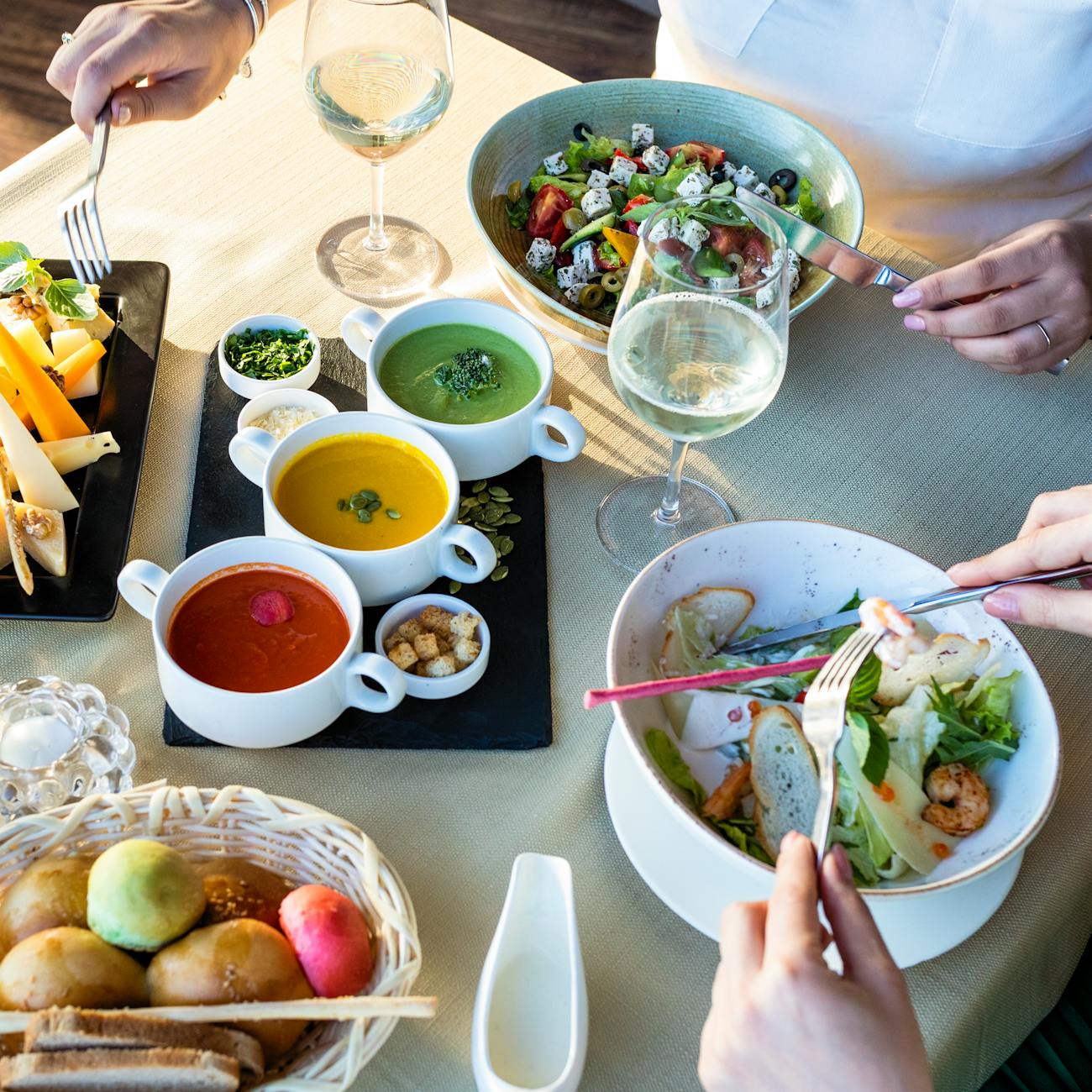
Culinary Techniques for Airline Catering covers a range of skills and methods that are essential for preparing meals to be served on flights. This course is part of the Graduate Certificate in Inflight Catering and Services Management program, which aims to provide students with the knowledge and skills needed to succeed in the airline catering industry.
Key Terms and Vocabulary:
1. Meal Planning: - Meal planning involves determining the menu for a flight based on factors such as flight duration, passenger preferences, dietary restrictions, and airline budget. It is essential to create balanced and appealing meals that can be prepared and served efficiently on an aircraft.
2. Food Safety: - Food safety refers to the practices and procedures that ensure food is safe to eat. This includes proper handling, storage, cooking, and serving of food to prevent contamination and foodborne illnesses.
3. Culinary Techniques: - Culinary techniques are the skills and methods used in food preparation. This includes knife skills, cooking methods (e.g., grilling, sautéing, baking), food presentation, and flavor combinations.
4. Recipe Development: - Recipe development involves creating new dishes or modifying existing recipes to suit the needs and preferences of airline passengers. This may involve adjusting portion sizes, ingredients, or cooking methods to ensure the meal can be prepared in an airline kitchen.
5. Menu Engineering: - Menu engineering is the process of designing a menu to maximize profitability and customer satisfaction. This involves strategically pricing dishes, highlighting popular items, and balancing the menu to offer a variety of flavors and textures.
6. Portion Control: - Portion control is the practice of serving standardized portion sizes to ensure consistency in meal presentation and cost control. This is crucial in airline catering to manage food waste and maintain profitability.
7. Food Allergies and Dietary Restrictions: - Food allergies and dietary restrictions are common considerations in airline catering. Caterers must be able to accommodate passengers with allergies or special dietary needs by providing alternative meal options that meet their requirements.
8. Food Production: - Food production refers to the process of preparing and cooking meals in a commercial kitchen. This includes prepping ingredients, cooking dishes to order, and plating meals for service.
9. Time Management: - Time management is critical in airline catering to ensure meals are prepared and served on schedule. Chefs must be able to prioritize tasks, work efficiently, and coordinate with other staff members to meet deadlines.
10. Garnishing and Presentation: - Garnishing and presentation play a significant role in airline catering, as visually appealing dishes can enhance the dining experience for passengers. Chefs use garnishes, sauces, and plating techniques to create attractive and appetizing meals.
11. Food Cost Control: - Food cost control involves managing expenses related to food purchasing, preparation, and waste. Chefs must be able to estimate portion costs, monitor inventory levels, and minimize food spoilage to maximize profitability.
12. Culinary Equipment: - Culinary equipment refers to the tools and appliances used in food preparation. This includes knives, pots, pans, ovens, grills, and other specialized equipment needed in a commercial kitchen.
13. Menu Testing and Evaluation: - Menu testing and evaluation involve sampling and assessing dishes before they are added to the airline menu. Chefs may conduct taste tests, gather feedback from focus groups, and analyze sales data to determine the popularity and success of a dish.
14. Plating and Service Techniques: - Plating and service techniques are essential skills for airline caterers to ensure meals are presented attractively and served efficiently on a flight. This includes portioning food, arranging dishes on serving trays, and coordinating service with flight attendants.
15. Seasonal Menu Planning: - Seasonal menu planning involves adjusting the airline menu to reflect seasonal ingredients and flavors. Chefs may incorporate fresh produce, seafood, and other seasonal items to create dishes that are in line with current culinary trends.
16. Culinary Trends: - Culinary trends refer to popular styles, ingredients, and techniques in the food industry. Keeping abreast of culinary trends allows airline caterers to offer innovative and on-trend dishes that appeal to passengers.
17. Food Quality Control: - Food quality control is the process of ensuring that meals meet established standards for taste, appearance, and safety. This may involve conducting taste tests, monitoring cooking temperatures, and inspecting ingredients for freshness.
18. Global Cuisine: - Global cuisine encompasses a wide range of culinary traditions and flavors from around the world. Airline caterers may draw inspiration from different cuisines to create diverse and culturally authentic dishes for passengers.
19. Beverage Pairing: - Beverage pairing involves matching food dishes with complementary drinks such as wine, beer, or cocktails. Airline caterers may offer beverage pairing suggestions on the menu to enhance the dining experience for passengers.
20. Food Presentation: - Food presentation refers to the visual arrangement of dishes on a plate or serving tray. Chefs use color, texture, and shape to create visually appealing presentations that entice passengers to eat and enjoy the meal.
21. Culinary Innovation: - Culinary innovation involves experimenting with new ingredients, techniques, and concepts to create unique and exciting dishes. Airline caterers may collaborate with chefs, food scientists, and suppliers to develop innovative menu items that set them apart from competitors.
22. Food Service Standards: - Food service standards are guidelines and protocols that ensure meals are prepared, served, and presented consistently to meet customer expectations. This includes maintaining cleanliness, following food safety regulations, and providing excellent customer service.
23. Culinary Training: - Culinary training is essential for chefs and kitchen staff to develop the skills and knowledge needed to excel in airline catering. Training programs may cover culinary techniques, food safety practices, menu planning, and customer service.
24. In-flight Catering Logistics: - In-flight catering logistics involve coordinating the preparation, packaging, and delivery of meals to be served on an aircraft. This includes managing food production schedules, organizing meal kits, and ensuring meals are loaded onto the plane in a timely manner.
25. Dietary Preferences: - Dietary preferences are individual choices regarding food and beverages. Airline caterers must be able to accommodate a variety of dietary preferences, including vegetarian, vegan, gluten-free, and low-sodium options, to meet the diverse needs of passengers.
26. Food Presentation Techniques: - Food presentation techniques are methods used to arrange and garnish dishes to enhance their visual appeal. This may include using edible flowers, decorative sauces, or creative plating styles to create a memorable dining experience for passengers.
27. Menu Customization: - Menu customization allows passengers to select their preferred meal options from a list of choices. Airline caterers may offer customization options for special occasions, dietary restrictions, or premium meal packages to cater to individual passenger preferences.
28. Culinary Creativity: - Culinary creativity involves thinking outside the box to develop new and innovative dishes. Chefs may experiment with unusual ingredients, fusion cuisines, or avant-garde techniques to create dishes that surprise and delight passengers.
29. Food Presentation Standards: - Food presentation standards set the criteria for how dishes should be plated and served to passengers. This includes guidelines for portion sizes, garnishes, and overall presentation to ensure meals look appetizing and inviting.
30. Culinary Collaboration: - Culinary collaboration involves working with other chefs, suppliers, and industry partners to create memorable dining experiences for passengers. Collaboration allows chefs to share ideas, resources, and expertise to elevate the quality of airline catering.
31. Food Pairing: - Food pairing is the practice of combining food items that complement each other in taste and texture. Chefs may pair dishes with complementary sauces, condiments, or side dishes to create harmonious flavor profiles that enhance the overall dining experience.
32. Menu Innovation: - Menu innovation involves introducing new dishes, ingredients, or cooking techniques to refresh the airline menu and attract passengers. Chefs may explore culinary trends, customer feedback, and market research to develop innovative menu offerings that set the airline apart from competitors.
33. Culinary Excellence: - Culinary excellence is the pursuit of culinary perfection through consistent quality, creativity, and attention to detail. Chefs strive for culinary excellence by continuously refining their skills, experimenting with new flavors, and exceeding customer expectations.
34. Food Presentation Skills: - Food presentation skills are the abilities needed to plate dishes attractively and creatively. Chefs use techniques such as stacking, molding, and garnishing to create visually stunning presentations that enhance the dining experience for passengers.
35. Menu Planning Strategies: - Menu planning strategies involve developing a cohesive and profitable menu that appeals to a wide range of passengers. This may include offering a mix of popular and signature dishes, incorporating seasonal ingredients, and balancing cost-effective options with premium selections.
36. Culinary Aesthetics: - Culinary aesthetics refer to the visual appeal of dishes and the artistry involved in food presentation. Chefs pay attention to color, texture, and arrangement to create visually striking meals that engage all the senses.
37. Food Safety Regulations: - Food safety regulations are laws and guidelines that govern the handling, storage, and preparation of food to ensure it is safe for consumption. Chefs must comply with food safety regulations to protect the health and well-being of passengers.
38. Culinary Skills Development: - Culinary skills development involves honing and expanding culinary abilities through practice, training, and continuous learning. Chefs may attend workshops, take courses, or participate in culinary competitions to develop new techniques and stay current with industry trends.
39. Beverage Selection: - Beverage selection involves choosing a range of drinks to complement the airline menu and satisfy passenger preferences. Airline caterers may offer a selection of alcoholic and non-alcoholic beverages, including wines, cocktails, sodas, and juices, to enhance the dining experience.
40. Food Presentation Techniques: - Food presentation techniques are methods used to arrange and garnish dishes to enhance their visual appeal. This may include using edible flowers, decorative sauces, or creative plating styles to create a memorable dining experience for passengers.
41. Menu Customization: - Menu customization allows passengers to select their preferred meal options from a list of choices. Airline caterers may offer customization options for special occasions, dietary restrictions, or premium meal packages to cater to individual passenger preferences.
42. Culinary Creativity: - Culinary creativity involves thinking outside the box to develop new and innovative dishes. Chefs may experiment with unusual ingredients, fusion cuisines, or avant-garde techniques to create dishes that surprise and delight passengers.
43. Food Presentation Standards: - Food presentation standards set the criteria for how dishes should be plated and served to passengers. This includes guidelines for portion sizes, garnishes, and overall presentation to ensure meals look appetizing and inviting.
44. Culinary Collaboration: - Culinary collaboration involves working with other chefs, suppliers, and industry partners to create memorable dining experiences for passengers. Collaboration allows chefs to share ideas, resources, and expertise to elevate the quality of airline catering.
45. Food Pairing: - Food pairing is the practice of combining food items that complement each other in taste and texture. Chefs may pair dishes with complementary sauces, condiments, or side dishes to create harmonious flavor profiles that enhance the overall dining experience.
46. Menu Innovation: - Menu innovation involves introducing new dishes, ingredients, or cooking techniques to refresh the airline menu and attract passengers. Chefs may explore culinary trends, customer feedback, and market research to develop innovative menu offerings that set the airline apart from competitors.
47. Culinary Excellence: - Culinary excellence is the pursuit of culinary perfection through consistent quality, creativity, and attention to detail. Chefs strive for culinary excellence by continuously refining their skills, experimenting with new flavors, and exceeding customer expectations.
48. Food Presentation Skills: - Food presentation skills are the abilities needed to plate dishes attractively and creatively. Chefs use techniques such as stacking, molding, and garnishing to create visually stunning presentations that enhance the dining experience for passengers.
49. Menu Planning Strategies: - Menu planning strategies involve developing a cohesive and profitable menu that appeals to a wide range of passengers. This may include offering a mix of popular and signature dishes, incorporating seasonal ingredients, and balancing cost-effective options with premium selections.
50. Culinary Aesthetics: - Culinary aesthetics refer to the visual appeal of dishes and the artistry involved in food presentation. Chefs pay attention to color, texture, and arrangement to create visually striking meals that engage all the senses.
51. Food Safety Regulations: - Food safety regulations are laws and guidelines that govern the handling, storage, and preparation of food to ensure it is safe for consumption. Chefs must comply with food safety regulations to protect the health and well-being of passengers.
52. Culinary Skills Development: - Culinary skills development involves honing and expanding culinary abilities through practice, training, and continuous learning. Chefs may attend workshops, take courses, or participate in culinary competitions to develop new techniques and stay current with industry trends.
53. Beverage Selection: - Beverage selection involves choosing a range of drinks to complement the airline menu and satisfy passenger preferences. Airline caterers may offer a selection of alcoholic and non-alcoholic beverages, including wines, cocktails, sodas, and juices, to enhance the dining experience.
54. Menu Engineering: - Menu engineering is the process of designing a menu to maximize profitability and customer satisfaction. This involves strategically pricing dishes, highlighting popular items, and balancing the menu to offer a variety of flavors and textures.
55. Culinary Trends: - Culinary trends refer to popular styles, ingredients, and techniques in the food industry. Keeping abreast of culinary trends allows airline caterers to offer innovative and on-trend dishes that appeal to passengers.
56. Food Quality Control: - Food quality control is the process of ensuring that meals meet established standards for taste, appearance, and safety. This may involve conducting taste tests, monitoring cooking temperatures, and inspecting ingredients for freshness.
57. Global Cuisine: - Global cuisine encompasses a wide range of culinary traditions and flavors from around the world. Airline caterers may draw inspiration from different cuisines to create diverse and culturally authentic dishes for passengers.
58. Beverage Pairing: - Beverage pairing involves matching food dishes with complementary drinks such as wine, beer, or cocktails. Airline caterers may offer beverage pairing suggestions on the menu to enhance the dining experience for passengers.
59. Food Presentation: - Food presentation refers to the visual arrangement of dishes on a plate or serving tray. Chefs use color, texture, and shape to create visually appealing presentations that entice passengers to eat and enjoy the meal.
60. Culinary Innovation: - Culinary innovation involves experimenting with new ingredients, techniques, and concepts to create unique and exciting dishes. Airline caterers may collaborate with chefs, food scientists, and suppliers to develop innovative menu items that set them apart from competitors.
61. Food Service Standards: - Food service standards are guidelines and protocols that ensure meals are prepared, served, and presented consistently to meet customer expectations. This includes maintaining cleanliness, following food safety regulations, and providing excellent customer service.
62. Culinary Training: - Culinary training is essential for chefs and kitchen staff to develop the skills and knowledge needed to excel in airline catering. Training programs may cover culinary techniques, food safety practices, menu planning, and customer service.
63. In-flight Catering Logistics: - In-flight catering logistics involve coordinating the preparation, packaging, and delivery of meals to be served on an aircraft. This includes managing food production schedules, organizing meal kits, and ensuring meals are loaded onto the plane in a timely manner.
64. Dietary Preferences: - Dietary preferences are individual choices regarding food and beverages. Airline caterers must be able to accommodate a variety of dietary preferences, including vegetarian, vegan, gluten-free, and low-sodium options, to meet the diverse needs of passengers.
65. Food Presentation Techniques: - Food presentation techniques are methods used to arrange and garnish dishes to enhance their visual appeal. This may include using edible flowers, decorative sauces, or creative plating styles to create a memorable dining experience for passengers.
66. Menu Customization: - Menu customization allows passengers to select their preferred meal options from a list of choices. Airline caterers may offer customization options for special occasions, dietary restrictions, or premium meal packages to cater to individual passenger preferences.
67. Culinary Creativity: - Culinary creativity involves thinking outside the box to develop new and innovative dishes. Chefs may experiment with unusual ingredients, fusion cuisines, or avant-garde techniques to create dishes that surprise and delight passengers.
68. Food Presentation Standards: - Food presentation standards set the criteria for how dishes should be plated and served to passengers. This includes guidelines for portion sizes, garnishes, and overall presentation to ensure meals look appetizing and inviting.
69. Culinary Collaboration: - Culinary collaboration involves working with other chefs, suppliers, and industry partners to create memorable dining experiences for passengers. Collaboration allows chefs to share ideas, resources, and expertise to elevate the quality of airline catering.
70. Food Pairing: - Food pairing is the practice of combining food items that complement each other in taste and texture. Chefs may pair dishes with complementary sauces, condiments, or side dishes to create harmonious flavor profiles that enhance the overall dining experience.
71. Menu Innovation: - Menu innovation involves introducing new dishes, ingredients, or cooking techniques to refresh the airline menu and attract passengers. Chefs may explore culinary trends, customer feedback, and market research to develop innovative menu offerings that set the airline apart from competitors.
72. Culinary Excellence: - Culinary excellence is the pursuit of culinary perfection through consistent quality, creativity, and attention to detail. Chefs strive for culinary excellence by continuously refining their skills, experimenting with new flavors, and exceeding customer expectations.
73. Food Presentation Skills: - Food presentation skills are the abilities needed to plate dishes attractively and creatively. Chefs use techniques such as stacking, molding, and garnishing to create visually stunning presentations that enhance the dining experience for passengers.
74. Menu Planning Strategies: - Menu planning strategies involve developing a cohesive and profitable menu that appeals to a wide range of passengers. This may include offering a mix of popular and signature dishes, incorporating seasonal ingredients, and balancing cost-effective options with premium selections.
75. Culinary Aesthetics: - Culinary aesthetics refer to the visual appeal of dishes and the artistry involved in food presentation. Chefs pay attention to color, texture, and arrangement to create visually striking meals that engage all the senses.
76. Food Safety Regulations: - Food safety regulations are laws and guidelines that govern the handling, storage, and preparation of food to ensure it is safe for consumption. Chefs must comply with food safety regulations to protect the health and well-being of passengers.
77. Culinary Skills Development: - Culinary skills development involves honing and expanding culinary abilities through practice, training, and continuous learning. Chefs may attend workshops, take courses, or participate in culinary competitions to develop new techniques and stay current with industry trends.
78. Beverage Selection: - Beverage selection involves choosing a range of drinks to complement the airline menu and satisfy passenger preferences. Airline caterers may offer a selection of alcoholic and non-alcoholic beverages, including wines, cocktails, sodas, and juices, to enhance the dining experience.
79. Menu Engineering: - Menu engineering is
Key takeaways
- This course is part of the Graduate Certificate in Inflight Catering and Services Management program, which aims to provide students with the knowledge and skills needed to succeed in the airline catering industry.
- Meal Planning: - Meal planning involves determining the menu for a flight based on factors such as flight duration, passenger preferences, dietary restrictions, and airline budget.
- This includes proper handling, storage, cooking, and serving of food to prevent contamination and foodborne illnesses.
- Culinary Techniques: - Culinary techniques are the skills and methods used in food preparation.
- Recipe Development: - Recipe development involves creating new dishes or modifying existing recipes to suit the needs and preferences of airline passengers.
- This involves strategically pricing dishes, highlighting popular items, and balancing the menu to offer a variety of flavors and textures.
- Portion Control: - Portion control is the practice of serving standardized portion sizes to ensure consistency in meal presentation and cost control.