
Group Counselling in Schools
Group Counselling in schools is a crucial aspect of providing comprehensive mental health support to students. It involves bringing together a small group of students facing similar challenges or issues to work through their concerns collec…
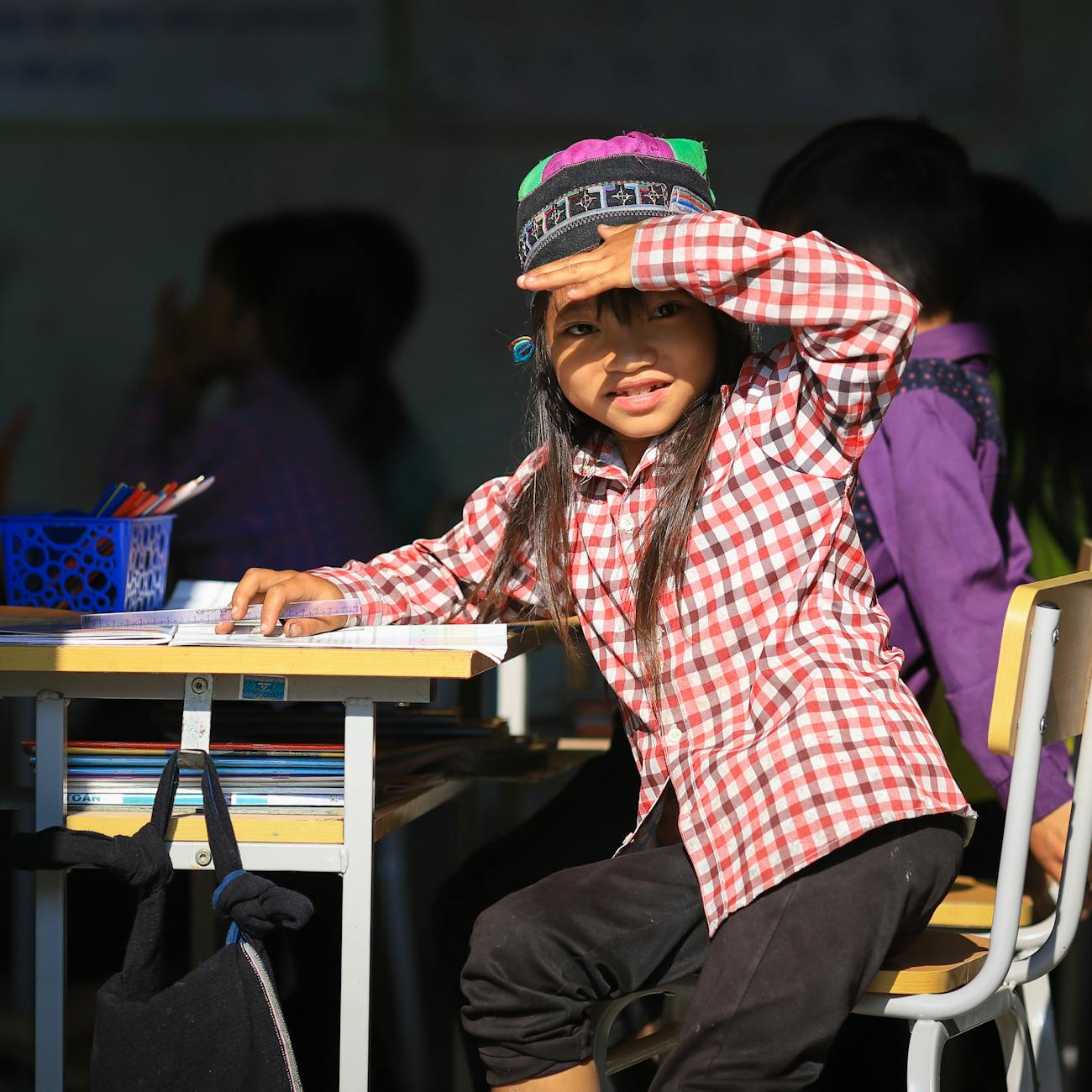
Group Counselling in schools is a crucial aspect of providing comprehensive mental health support to students. It involves bringing together a small group of students facing similar challenges or issues to work through their concerns collectively, under the guidance of a trained school counsellor. This form of counselling allows students to share their experiences, learn from one another, and develop coping strategies in a supportive environment.
School Counselling is a specialized field of counselling that focuses on addressing the academic, social, emotional, and career development needs of students in a school setting. School counsellors work with students individually and in groups to provide guidance, support, and interventions to help them navigate the challenges they face during their educational journey.
Postgraduate Certificate in School Counselling is a specialized program designed to equip individuals with the knowledge, skills, and competencies needed to work as school counsellors. This certificate program typically covers a range of topics related to counselling theory, techniques, ethics, and practical applications in a school setting.
Key Terms and Vocabulary for Group Counselling in Schools
1. Group Dynamics: Refers to the interactions, relationships, and processes that occur within a group. Understanding group dynamics is essential for a school counsellor leading a group counselling session to effectively manage conflicts, facilitate communication, and promote a positive group environment.
2. Confidentiality: The ethical principle that ensures that information shared by students during counselling sessions is kept private and not disclosed to others without their consent. Maintaining confidentiality is crucial in building trust and creating a safe space for students to open up during group counselling.
3. Boundaries: Refers to the limits that define the professional relationship between a school counsellor and students. Establishing clear boundaries in group counselling helps maintain a professional and therapeutic environment while ensuring the safety and well-being of all group members.
4. Icebreakers: Activities or exercises used at the beginning of a group counselling session to help students feel more comfortable, break the ice, and foster connections among group members. Icebreakers can help create a sense of cohesion and trust within the group.
5. Norms: The established guidelines or expectations that govern the behavior and interactions within a group. Setting norms in group counselling helps create a structured and respectful environment where students feel safe expressing themselves and engaging in discussions.
6. Active Listening: The practice of fully concentrating, understanding, responding, and remembering what is being said during a counselling session. School counsellors use active listening skills to demonstrate empathy, validate students' experiences, and build rapport with group members.
7. Empowerment: The process of enabling individuals to gain control over their lives, make informed decisions, and take positive actions to improve their well-being. Group counselling in schools aims to empower students by providing them with the tools, resources, and support needed to address their concerns and build resilience.
8. Reflective Practice: The ongoing process of self-evaluation, self-awareness, and professional development that school counsellors engage in to enhance their counselling skills and effectiveness. Reflective practice helps counsellors identify areas for improvement, learn from their experiences, and grow professionally.
9. Self-disclosure: The act of sharing personal information or experiences with group members during a counselling session. School counsellors may use self-disclosure strategically to build trust, normalize feelings, and model healthy communication within the group.
10. Role Play: An interactive technique where group members act out scenarios or situations to explore different perspectives, practice new skills, and gain insight into their own behavior. Role play can be a valuable tool in group counselling for developing empathy, communication, and problem-solving skills.
11. Resilience: The ability to bounce back from adversity, cope with stress, and adapt to challenges in a healthy and constructive way. Group counselling in schools can help students build resilience by providing them with support, coping strategies, and a sense of community to navigate difficult situations.
12. Conflict Resolution: The process of addressing and resolving disagreements or conflicts that may arise within a group. School counsellors facilitate conflict resolution in group counselling by helping students communicate effectively, listen to each other's perspectives, and find mutually acceptable solutions.
13. Empathy: The ability to understand and share the feelings and perspectives of others. School counsellors demonstrate empathy in group counselling by showing genuine concern, validating students' emotions, and creating a supportive and non-judgmental space for sharing.
14. Group Cohesion: The degree of unity, connection, and solidarity among group members. Building group cohesion in group counselling involves fostering a sense of belonging, trust, and collaboration within the group to enhance the effectiveness of the counselling process.
15. Feedback: Constructive information, comments, or suggestions provided to group members to help them reflect on their behavior, performance, or interactions. School counsellors use feedback in group counselling to promote self-awareness, encourage growth, and improve communication within the group.
16. Cultural Competence: The awareness, knowledge, and skills needed to effectively work with individuals from diverse cultural backgrounds. School counsellors practicing group counselling in schools must be culturally competent to understand and respect the unique perspectives, values, and experiences of all group members.
17. Group Counseling Techniques: The specific methods, strategies, and interventions used by school counsellors to facilitate group counselling sessions effectively. These techniques may include psychoeducation, mindfulness exercises, art therapy, role-playing, and cognitive-behavioral interventions tailored to the needs of the group.
18. Group Counseling Process: The series of stages and steps involved in planning, implementing, and evaluating group counselling sessions. School counsellors follow a structured process to build rapport, set goals, establish group norms, facilitate discussions, and monitor progress throughout the counselling sessions.
19. Group Counseling Ethics: The ethical principles and guidelines that govern the practice of group counselling in schools. School counsellors adhere to ethical standards such as confidentiality, informed consent, respect for autonomy, and professional boundaries to ensure the well-being and rights of group members are protected.
20. Group Counseling Benefits: The positive outcomes and advantages of participating in group counselling sessions for students. Benefits may include increased self-awareness, improved social skills, enhanced coping strategies, reduced feelings of isolation, and a sense of connection and support from peers.
21. Group Counseling Challenges: The potential obstacles, difficulties, or issues that may arise during group counselling sessions in schools. Challenges could include managing group dynamics, addressing conflicts, respecting diverse perspectives, ensuring participation from all group members, and balancing individual needs within the group setting.
22. Group Counseling Outcomes: The desired results and changes that school counsellors aim to achieve through group counselling interventions. Outcomes may include improved mental health, enhanced social-emotional skills, increased self-confidence, stronger peer relationships, and a greater sense of belonging and support within the school community.
23. School-Based Group Counseling: The provision of group counselling services within a school environment to address the diverse needs of students. School-based group counselling is accessible, convenient, and integrated into the school's support system to promote student well-being, academic success, and positive mental health outcomes.
24. Group Counseling Interventions: The targeted strategies and activities implemented by school counsellors to address specific concerns or issues within a group setting. Interventions may focus on promoting social skills, building resilience, managing stress, improving self-esteem, or addressing behavioral challenges to support students' overall well-being.
25. Group Counseling Evaluation: The process of assessing the effectiveness, impact, and outcomes of group counselling interventions in schools. School counsellors use evaluation measures such as pre and post assessments, feedback surveys, observation, and progress monitoring to determine the success of group counselling programs and make informed adjustments.
26. Group Counseling Models: The theoretical frameworks and approaches used to guide the practice of group counselling in schools. Models such as the psychoeducational model, cognitive-behavioral model, person-centered model, and solution-focused model provide school counsellors with structured methods for facilitating group counselling sessions and achieving therapeutic goals.
27. Group Counseling Leadership: The skills and qualities required for school counsellors to effectively lead and facilitate group counselling sessions. Effective group counselling leadership involves creating a safe and inclusive environment, fostering trust and collaboration, encouraging participation, managing conflicts, and promoting the well-being of all group members.
28. Group Counseling Supervision: The process of receiving guidance, feedback, and support from a qualified supervisor to enhance the practice of group counselling in schools. Supervision helps school counsellors reflect on their work, develop their skills, address ethical dilemmas, and ensure the quality and effectiveness of group counselling interventions.
29. Group Counseling Referrals: The process of referring students to group counselling services within or outside the school setting based on their needs and preferences. School counsellors collaborate with other professionals, agencies, or community resources to provide students with additional support and specialized interventions that complement group counselling.
30. Group Counseling Research: The investigation and study of the efficacy, outcomes, and best practices of group counselling interventions in school settings. Research in group counselling helps inform evidence-based practices, improve intervention strategies, and contribute to the ongoing development and advancement of school counselling services.
In conclusion, understanding the key terms and vocabulary related to group counselling in schools is essential for school counsellors to effectively plan, implement, and evaluate group counselling interventions that support the well-being and development of students. By incorporating these concepts into their practice, school counsellors can create a safe, supportive, and empowering environment where students can learn, grow, and thrive together.
Key takeaways
- It involves bringing together a small group of students facing similar challenges or issues to work through their concerns collectively, under the guidance of a trained school counsellor.
- School counsellors work with students individually and in groups to provide guidance, support, and interventions to help them navigate the challenges they face during their educational journey.
- Postgraduate Certificate in School Counselling is a specialized program designed to equip individuals with the knowledge, skills, and competencies needed to work as school counsellors.
- Understanding group dynamics is essential for a school counsellor leading a group counselling session to effectively manage conflicts, facilitate communication, and promote a positive group environment.
- Confidentiality: The ethical principle that ensures that information shared by students during counselling sessions is kept private and not disclosed to others without their consent.
- Establishing clear boundaries in group counselling helps maintain a professional and therapeutic environment while ensuring the safety and well-being of all group members.
- Icebreakers: Activities or exercises used at the beginning of a group counselling session to help students feel more comfortable, break the ice, and foster connections among group members.