
Motorsport Media and Communication
Key Terms and Vocabulary for Motorsport Media and Communication
Key Terms and Vocabulary for Motorsport Media and Communication
Motorsport is an exhilarating and fast-paced industry that captivates millions of fans worldwide. As technology advances, the role of media and communication in motorsport becomes increasingly vital. From broadcasting races to engaging fans on social media, effective communication strategies are crucial for success in this competitive field. This guide will explore key terms and vocabulary essential for professionals in Motorsport Media and Communication.
1. Motorsport
Motorsport refers to competitive racing involving motor vehicles. It encompasses a wide range of disciplines, including Formula 1, NASCAR, rally racing, and endurance racing. Motorsport events are held on various tracks, circuits, and terrains, each demanding different skills and strategies from drivers and teams.
2. Media
Media plays a central role in motorsport, providing coverage and exposure to fans around the world. Traditional media outlets such as television, radio, and print publications have been joined by digital platforms like websites, social media, and streaming services. Effective media management is crucial for promoting events, engaging audiences, and maximizing sponsorships.
3. Communication
Communication in motorsport involves conveying information clearly and effectively to various stakeholders, including fans, teams, sponsors, and media outlets. It includes verbal, written, and visual communication strategies aimed at building relationships, promoting events, and managing crises.
4. Press Release
A press release is a formal statement issued to the media to announce news or updates related to a motorsport event, team, or driver. It typically includes key information, quotes, and contact details for further inquiries. Press releases are essential for generating media coverage and attracting attention from journalists.
5. Public Relations (PR)
Public relations in motorsport involves managing relationships between teams, drivers, sponsors, and the public. PR professionals work to enhance the image and reputation of their clients through media exposure, community engagement, and strategic communication initiatives.
6. Sponsorship
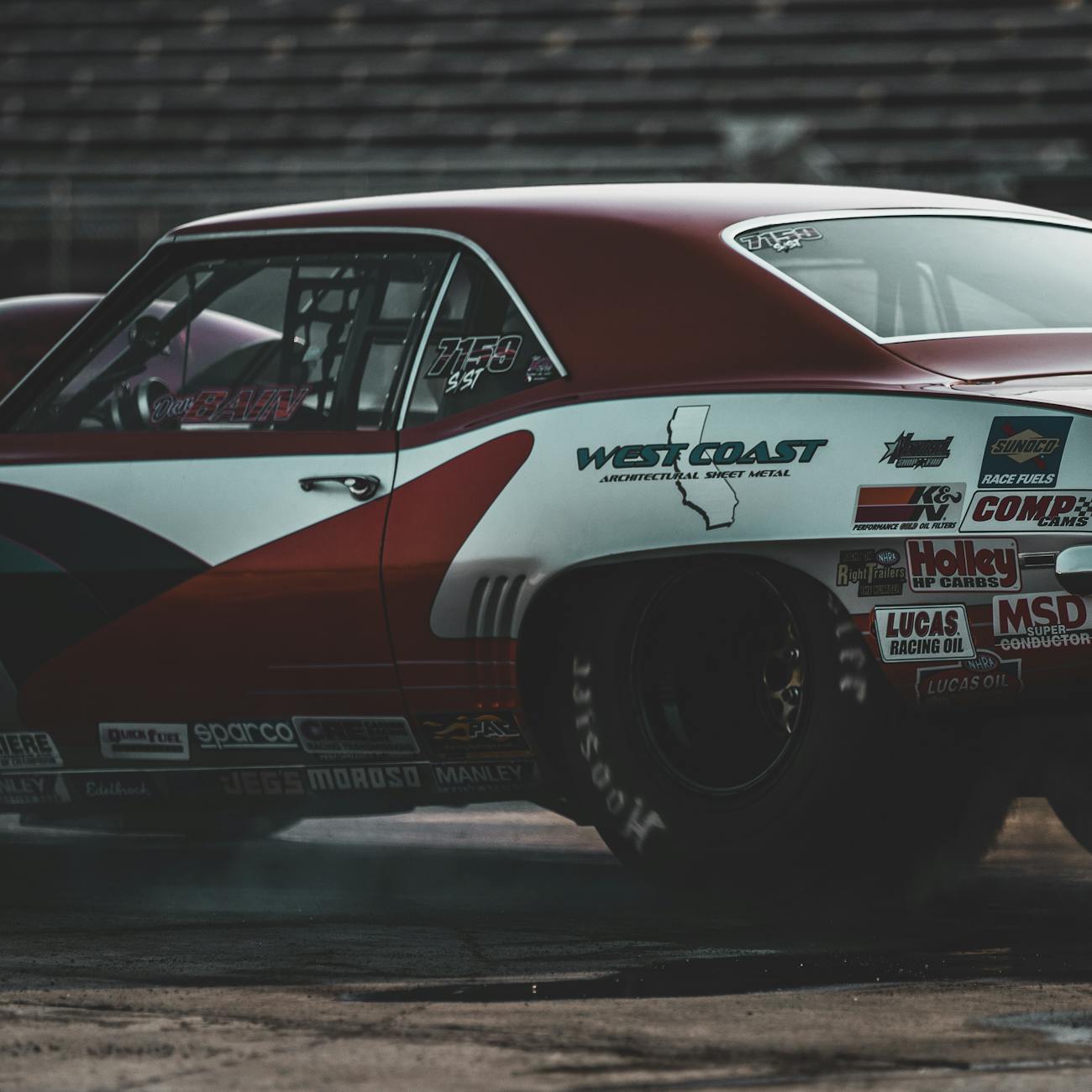
Sponsorship is a crucial source of revenue for motorsport teams and events. Sponsors provide financial support in exchange for branding opportunities, exposure, and promotional rights. Securing and maintaining sponsorships is a key aspect of motorsport media and communication.
7. Branding
Branding is the process of creating a distinct identity and image for a motorsport team, driver, or event. It involves developing logos, colors, slogans, and other visual elements that differentiate the brand and resonate with fans. Consistent branding helps build recognition and loyalty among audiences.
8. Social Media
Social media platforms such as Facebook, Twitter, Instagram, and YouTube play a significant role in motorsport communication. Teams, drivers, and events use social media to engage with fans, share updates, and create interactive content. Leveraging social media effectively can enhance visibility and fan engagement.
9. Livestreaming
Livestreaming allows motorsport events to be broadcast in real-time over the internet. Platforms like Twitch, YouTube, and Facebook Live enable fans to watch races, interviews, and behind-the-scenes footage from anywhere in the world. Livestreaming enhances accessibility and engagement for audiences.
10. Content Marketing
Content marketing involves creating and distributing valuable, relevant content to attract and engage audiences. In motorsport, content marketing can take the form of articles, videos, podcasts, and social media posts that provide insights, entertainment, and behind-the-scenes access. Effective content marketing builds relationships and brand loyalty.
11. Crisis Communication
Crisis communication is the process of managing and responding to unexpected events or issues that could harm the reputation of a motorsport team, driver, or event. PR professionals must act swiftly and transparently to address crises, mitigate negative impacts, and maintain trust with stakeholders.
12. Fan Engagement
Fan engagement involves interacting with and involving fans in motorsport activities. Teams and events use various strategies such as contests, fan clubs, social media polls, and meet-and-greets to connect with fans, build loyalty, and enhance the overall fan experience.
13. Digital Marketing
Digital marketing utilizes online channels to promote motorsport events, teams, and sponsors. It includes strategies such as search engine optimization (SEO), email marketing, social media advertising, and influencer partnerships. Effective digital marketing can reach targeted audiences and drive engagement and conversions.
14. Broadcast Rights
Broadcast rights refer to the exclusive rights to televise or stream motorsport events. Television networks, streaming platforms, and online services pay significant fees for these rights to attract viewers and advertisers. Negotiating and managing broadcast rights is a critical aspect of motorsport media and communication.
15. Influencer Marketing
Influencer marketing involves collaborating with popular personalities, bloggers, or social media influencers to promote motorsport brands or products. Influencers with large followings can help reach new audiences, increase brand awareness, and drive engagement through sponsored content and endorsements.
16. Data Analytics
Data analytics involves collecting, analyzing, and interpreting data to gain insights and make informed decisions. In motorsport media and communication, data analytics can help track audience behavior, measure campaign performance, and optimize strategies for reaching and engaging fans effectively.
17. Virtual Reality (VR) and Augmented Reality (AR)
Virtual reality (VR) and augmented reality (AR) technologies offer immersive experiences for motorsport fans. VR allows users to experience races or simulations in a virtual environment, while AR overlays digital content onto the real world, enhancing live events and engagement opportunities.
18. Fan Experience
Fan experience encompasses all interactions and touchpoints that fans have with motorsport events, teams, and drivers. Creating memorable and engaging experiences through unique content, access, and activities can foster loyalty, increase attendance, and enhance the overall enjoyment of fans.
19. Event Promotion
Event promotion involves marketing and advertising efforts to attract fans, sponsors, and media attention to motorsport events. Strategies may include social media campaigns, press releases, influencer partnerships, and targeted advertising to generate excitement and drive attendance.
20. Data Visualization
Data visualization is the graphical representation of data to convey insights and trends effectively. In motorsport media and communication, data visualization tools can help present complex information such as race statistics, performance metrics, and audience demographics in a clear and engaging format.
21. Virtual Fan Engagement
Virtual fan engagement refers to online activities and experiences designed to connect with fans who cannot attend motorsport events in person. Virtual fan engagement initiatives may include live chats, virtual tours, interactive games, and exclusive content to keep fans engaged and connected remotely.
22. Team Communication
Effective communication within motorsport teams is essential for coordinating strategies, sharing information, and maximizing performance on and off the track. Team communication includes clear directives, feedback, and collaboration among drivers, engineers, mechanics, and support staff to achieve shared goals.
23. Data Security
Data security is a critical concern in motorsport media and communication, given the sensitive information collected and shared online. Protecting data from cyber threats, unauthorized access, and data breaches is essential to safeguarding privacy, reputation, and intellectual property in the digital age.
24. Broadcast Production
Broadcast production involves the planning, filming, and editing of motorsport events for television, streaming, or online platforms. Production teams are responsible for capturing the action, creating engaging narratives, and delivering high-quality broadcasts that enhance the viewer experience and showcase the excitement of racing.
25. Crisis Management
Crisis management in motorsport involves preparing for and responding to unforeseen events that could damage the reputation or safety of teams, drivers, or events. Effective crisis management plans, protocols, and communication strategies are essential for handling emergencies, resolving issues, and maintaining trust with stakeholders.
26. Interactive Content
Interactive content engages audiences by allowing them to participate, respond, or influence the content experience. In motorsport media and communication, interactive content such as polls, quizzes, live chats, and virtual experiences can enhance fan engagement, drive interactivity, and create memorable connections with audiences.
27. Fan Loyalty
Fan loyalty is the emotional attachment and commitment that fans have to motorsport teams, drivers, or events. Building fan loyalty requires consistent engagement, quality experiences, and meaningful interactions that foster trust, enthusiasm, and a sense of belonging among fans, leading to long-term support and advocacy.
28. Event Coverage
Event coverage involves reporting, analyzing, and sharing information about motorsport events through various media channels. Journalists, broadcasters, and content creators provide live updates, interviews, highlights, and insights to keep fans informed and engaged before, during, and after races.
29. Gamification
Gamification applies game elements and principles to non-game contexts, such as motorsport marketing and communication. Gamification strategies like challenges, rewards, leaderboards, and interactive experiences can motivate fans, enhance engagement, and create immersive and competitive experiences that drive participation and brand loyalty.
30. Storytelling
Storytelling is the art of crafting narratives that engage, inspire, and resonate with audiences. In motorsport media and communication, storytelling techniques can bring races, drivers, and events to life by creating emotional connections, highlighting personalities, and capturing the drama and excitement of the sport through compelling narratives.
In conclusion, mastering the key terms and vocabulary in motorsport media and communication is essential for professionals looking to succeed in this dynamic and competitive industry. By understanding and applying these concepts effectively, professionals can engage fans, promote brands, and enhance the overall experience of motorsport for audiences worldwide.
Key takeaways
- From broadcasting races to engaging fans on social media, effective communication strategies are crucial for success in this competitive field.
- Motorsport events are held on various tracks, circuits, and terrains, each demanding different skills and strategies from drivers and teams.
- Traditional media outlets such as television, radio, and print publications have been joined by digital platforms like websites, social media, and streaming services.
- Communication in motorsport involves conveying information clearly and effectively to various stakeholders, including fans, teams, sponsors, and media outlets.
- A press release is a formal statement issued to the media to announce news or updates related to a motorsport event, team, or driver.
- PR professionals work to enhance the image and reputation of their clients through media exposure, community engagement, and strategic communication initiatives.
- Sponsors provide financial support in exchange for branding opportunities, exposure, and promotional rights.