
Government Regulations
Government Regulations in the context of mining project finance refer to the rules, laws, policies, and standards set by governmental bodies to govern the mining industry. These regulations are put in place to ensure the responsible and sus…
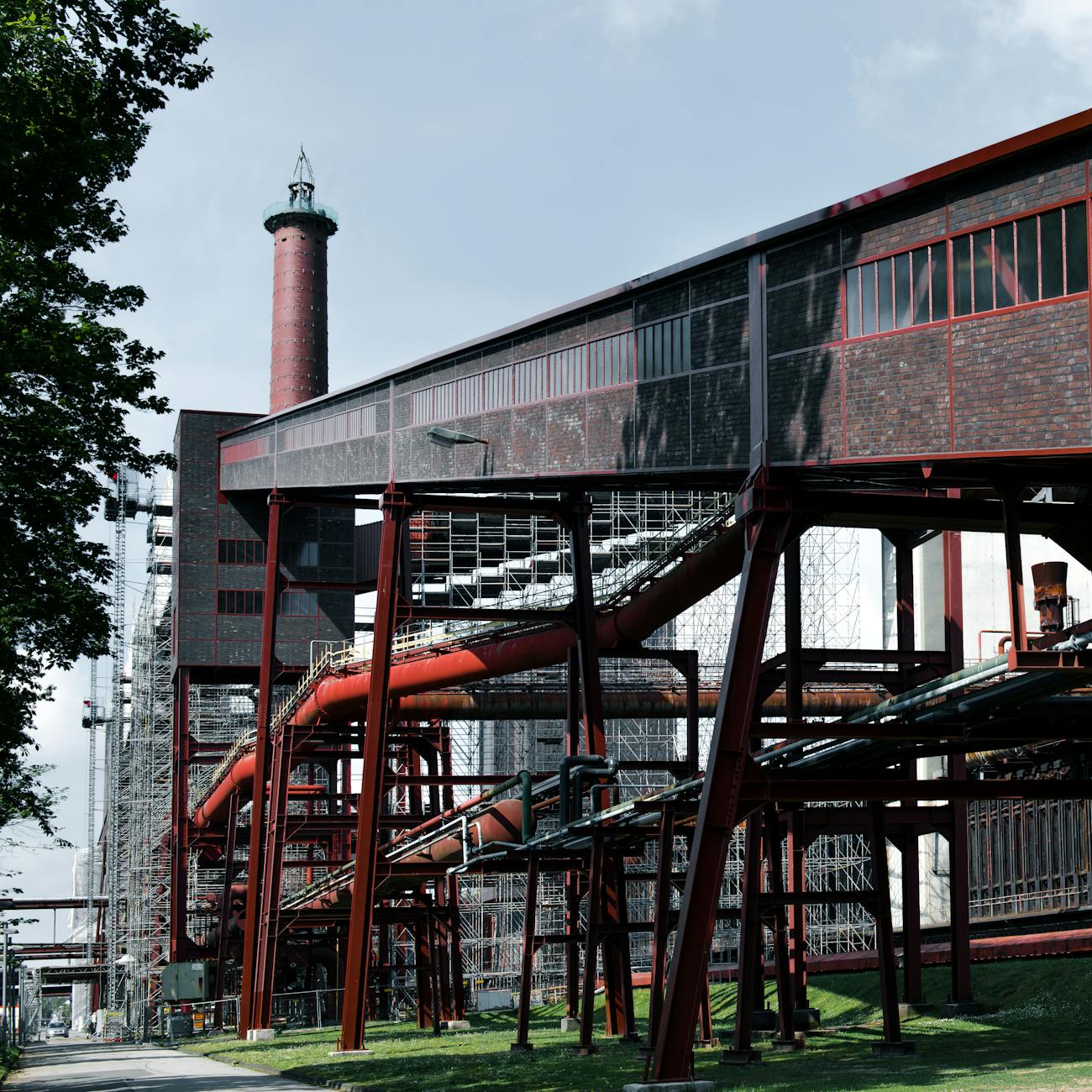
Government Regulations in the context of mining project finance refer to the rules, laws, policies, and standards set by governmental bodies to govern the mining industry. These regulations are put in place to ensure the responsible and sustainable development of mining projects, protect the environment, safeguard the rights of local communities, and promote economic growth.
Understanding and complying with Government Regulations is critical for mining companies seeking to finance their projects. Failure to adhere to these regulations can lead to significant financial, legal, and reputational risks. Therefore, mining project finance professionals must have a comprehensive understanding of the key terms and vocabulary related to Government Regulations in the mining sector.
1. **Environmental Impact Assessment (EIA)**: An Environmental Impact Assessment is a process that evaluates the potential environmental impacts of a proposed mining project. It helps identify and mitigate potential environmental risks and ensures compliance with environmental regulations. Mining companies are required to conduct EIAs before starting any new project to assess its impact on the environment and local communities.
2. **Social License to Operate (SLO)**: Social License to Operate refers to the acceptance and approval of a mining project by local communities, stakeholders, and indigenous groups. It is essential for mining companies to engage with local communities, address their concerns, and build trust to obtain and maintain the SLO. Failure to secure the SLO can lead to protests, delays, and even project shutdowns.
3. **Mining Permit**: A Mining Permit is a legal document issued by government authorities that grants permission to a mining company to explore, develop, and operate a mining project. It outlines the terms and conditions under which the company can conduct mining activities, including environmental and social responsibilities.
4. **Environmental Regulations**: Environmental Regulations are laws and policies that govern the impact of mining activities on the environment. These regulations set standards for air and water quality, waste management, reclamation, and biodiversity conservation. Mining companies must comply with these regulations to minimize their environmental footprint and ensure sustainable operations.
5. **Health and Safety Regulations**: Health and Safety Regulations are measures designed to protect the health and safety of workers in the mining industry. They cover aspects such as mine ventilation, emergency response, personal protective equipment, and training. Compliance with health and safety regulations is crucial to prevent accidents, injuries, and fatalities in mining operations.
6. **Reclamation**: Reclamation refers to the process of restoring the land affected by mining activities to its original or an acceptable condition. It involves activities such as landscaping, soil remediation, and revegetation to minimize the long-term environmental impact of mining projects. Reclamation is often a legal requirement to obtain closure and reclamation bonds.
7. **Closure and Reclamation Bonds**: Closure and Reclamation Bonds are financial guarantees that mining companies must provide to cover the costs of closing and reclaiming a mining site once operations cease. These bonds ensure that the necessary funds are available to restore the site to a safe and environmentally sound condition. Failure to reclaim a site can result in financial penalties and legal liabilities.
8. **Community Development Agreements (CDAs)**: Community Development Agreements are contracts between mining companies and local communities that outline the benefits, responsibilities, and obligations of both parties. CDAs aim to ensure that communities benefit from mining projects through employment opportunities, infrastructure development, social programs, and environmental protection initiatives. Effective CDAs can help build positive relationships and support the SLO.
9. **Royalties**: Royalties are payments made by mining companies to governments for the right to extract mineral resources from a specific area. Royalties are typically calculated as a percentage of the value of the minerals produced and are a key source of revenue for governments. Understanding royalty rates and payment terms is essential for financial planning and project feasibility assessments.
10. **Permitting Process**: The Permitting Process involves obtaining various permits and approvals from government authorities to conduct mining activities legally. This process can be complex and time-consuming, requiring detailed documentation, environmental assessments, public consultations, and regulatory compliance. Delays in the permitting process can impact project timelines and financing arrangements.
11. **Compliance Monitoring**: Compliance Monitoring is the ongoing process of ensuring that mining companies adhere to Government Regulations and fulfill their environmental, social, and legal obligations. It involves regular inspections, audits, and reporting to verify compliance with permit conditions, environmental standards, and community agreements. Effective compliance monitoring is essential to detect and address any non-compliance issues promptly.
12. **Sustainable Development**: Sustainable Development in the mining sector refers to balancing economic growth, environmental protection, and social responsibility. It involves integrating environmental and social considerations into mining projects to minimize negative impacts, maximize benefits for local communities, and promote long-term sustainability. Mining companies are increasingly expected to demonstrate a commitment to sustainable development to attract investors and secure financing.
13. **Indigenous Rights**: Indigenous Rights are the legal and customary rights of indigenous peoples to their lands, resources, and cultural heritage. Mining projects often intersect with indigenous territories, raising issues of land rights, consultation, and consent. Respecting indigenous rights is essential for building trust, avoiding conflicts, and securing the SLO. Consultation with indigenous communities is a key aspect of the permitting process.
14. **Corporate Social Responsibility (CSR)**: Corporate Social Responsibility is the voluntary commitment of mining companies to operate ethically, contribute to sustainable development, and address social and environmental challenges. CSR initiatives may include community investment programs, environmental stewardship, human rights policies, and transparency in reporting. Demonstrating CSR can enhance the company's reputation, attract investors, and mitigate risks.
15. **Conflict Minerals**: Conflict Minerals are minerals sourced from regions affected by armed conflict and human rights abuses. The mining and trade of conflict minerals, such as gold, tin, tungsten, and tantalum, have been linked to funding armed groups and perpetuating violence. Governments and international organizations have implemented regulations to combat the trade in conflict minerals and promote responsible sourcing practices.
16. **Transparency and Anti-Corruption**: Transparency and Anti-Corruption measures aim to promote integrity, accountability, and good governance in the mining sector. Transparency initiatives include disclosing payments to governments, publishing project agreements, and reporting on environmental and social performance. Anti-corruption policies seek to prevent bribery, fraud, and unethical practices in mining operations. Compliance with transparency and anti-corruption standards is essential for maintaining credibility and investor confidence.
In conclusion, Government Regulations play a crucial role in shaping the mining industry and influencing mining project finance. Understanding the key terms and vocabulary related to Government Regulations is essential for mining project finance professionals to navigate the complex regulatory landscape, mitigate risks, and ensure the successful and sustainable development of mining projects. By staying informed about regulatory requirements, engaging with stakeholders, and adopting best practices, mining companies can enhance their social license to operate, attract investment, and contribute to responsible mining practices.
Key takeaways
- These regulations are put in place to ensure the responsible and sustainable development of mining projects, protect the environment, safeguard the rights of local communities, and promote economic growth.
- Therefore, mining project finance professionals must have a comprehensive understanding of the key terms and vocabulary related to Government Regulations in the mining sector.
- **Environmental Impact Assessment (EIA)**: An Environmental Impact Assessment is a process that evaluates the potential environmental impacts of a proposed mining project.
- **Social License to Operate (SLO)**: Social License to Operate refers to the acceptance and approval of a mining project by local communities, stakeholders, and indigenous groups.
- **Mining Permit**: A Mining Permit is a legal document issued by government authorities that grants permission to a mining company to explore, develop, and operate a mining project.
- **Environmental Regulations**: Environmental Regulations are laws and policies that govern the impact of mining activities on the environment.
- **Health and Safety Regulations**: Health and Safety Regulations are measures designed to protect the health and safety of workers in the mining industry.