
Food Processing and Packaging
Key Terms and Vocabulary for Food Processing and Packaging
Key Terms and Vocabulary for Food Processing and Packaging
Food processing and packaging play a crucial role in ensuring the safety, quality, and shelf-life of food products. Understanding key terms and vocabulary in this field is essential for professionals working in food chemistry. In this guide, we will explore important terms related to food processing and packaging to enhance your knowledge and expertise in this area.
1. Food Processing
Food processing refers to the transformation of raw ingredients into food products through various physical, chemical, and biological processes. This includes cleaning, sorting, cooking, preservation, and packaging of food items. Food processing aims to improve the safety, quality, and shelf-life of food products while maintaining nutritional value.
Examples of food processing techniques include: - Blanching: A process of briefly immersing food items in boiling water to deactivate enzymes and preserve color. - Fermentation: The conversion of sugars into alcohol or organic acids by microorganisms like yeast or bacteria to enhance flavor and preservation. - Freezing: A method of preserving food by lowering its temperature below freezing point to inhibit microbial growth and enzymatic activity.
Challenges in food processing include: - Maintaining food safety standards to prevent contamination and foodborne illnesses. - Preserving nutritional content during processing to ensure the health benefits of food products. - Minimizing food waste by optimizing processing techniques and reducing losses during production.
2. Food Packaging
Food packaging involves enclosing food products in containers or materials to protect them from external factors such as light, moisture, oxygen, and microorganisms. Packaging plays a vital role in preserving food quality, extending shelf-life, and providing information to consumers about the product.
Types of food packaging materials include: - Plastic: Commonly used for packaging due to its flexibility, durability, and cost-effectiveness. - Paper: Used for dry food products like cereals, snacks, and bakery items. - Glass: Suitable for beverages, sauces, and condiments due to its impermeability and transparency.
Functions of food packaging: - Protection: Preventing contamination, spoilage, and physical damage during storage and transportation. - Preservation: Extending the shelf-life of food products by controlling moisture, oxygen, and light exposure. - Communication: Providing essential information to consumers such as ingredients, nutritional facts, and expiration dates.
Challenges in food packaging include: - Environmental impact: Minimizing waste and promoting sustainable packaging solutions to reduce plastic pollution. - Regulatory compliance: Ensuring that packaging materials meet safety standards and labeling requirements set by regulatory authorities. - Consumer preferences: Adapting packaging designs and materials to meet the changing demands and preferences of consumers.
3. Food Chemistry
Food chemistry is the study of chemical processes and interactions that occur in food ingredients during processing, storage, and consumption. Understanding food chemistry is essential for developing safe and high-quality food products while ensuring nutritional value and sensory attributes.
Key concepts in food chemistry: - Maillard reaction: A chemical reaction between amino acids and reducing sugars that causes browning and flavor development in cooked food. - Oxidation: The reaction of food components with oxygen leading to off-flavors, rancidity, and nutrient degradation. - pH: A measure of acidity or alkalinity in food products that influences texture, taste, and shelf-life.
Applications of food chemistry: - Formulation: Developing recipes and formulations for food products by understanding the interactions between ingredients and processing conditions. - Quality control: Monitoring chemical changes in food products to ensure consistency, safety, and compliance with industry standards. - Flavor enhancement: Modifying the chemical composition of food to enhance flavor profiles and create unique taste experiences.
Challenges in food chemistry include: - Ingredient interactions: Understanding the complex interactions between different components in food formulations to achieve desired properties and sensory attributes. - Nutritional analysis: Assessing the impact of processing techniques on the nutritional content of food products to maintain their health benefits. - Food safety: Identifying and mitigating chemical hazards in food processing to prevent contamination and ensure consumer safety.
4. Food Safety
Food safety refers to the practices and procedures implemented to prevent foodborne illnesses and ensure the safety of food products for consumption. Maintaining food safety is essential for protecting public health and building consumer trust in the food industry.
Principles of food safety: - Hygiene: Following good hygiene practices to prevent contamination of food products by microorganisms, chemicals, or physical hazards. - Hazard analysis: Identifying and assessing potential hazards in food processing and packaging to implement control measures and prevent risks. - Traceability: Tracking and documenting the journey of food products from production to consumption to facilitate recalls and investigations in case of contamination.
Examples of food safety measures: - HACCP (Hazard Analysis and Critical Control Points): A systematic approach to identifying and controlling hazards in food production processes to ensure safety and quality. - Sanitation: Maintaining clean and sanitary conditions in food processing facilities to prevent microbial contamination and cross-contamination. - Allergen management: Implementing procedures to prevent allergen cross-contact and ensure accurate labeling of allergenic ingredients in food products.
Challenges in food safety include: - Emerging pathogens: Adapting to new and evolving pathogens that pose risks to food safety and public health. - Supply chain management: Ensuring the safety and quality of food products throughout the supply chain, from raw materials to finished goods. - Compliance with regulations: Keeping up with changing regulations and standards to meet legal requirements and industry best practices in food safety.
5. Food Quality
Food quality refers to the characteristics and attributes of food products that meet consumer expectations and preferences. Ensuring high food quality is essential for building brand loyalty, gaining competitive advantage, and meeting regulatory standards.
Factors influencing food quality: - Freshness: The degree of freshness and integrity of ingredients used in food products, which impacts taste, texture, and nutritional value. - Sensory attributes: The appearance, aroma, taste, and texture of food products that influence consumer perception and acceptance. - Shelf-life: The duration for which food products maintain their quality, safety, and freshness under specified storage conditions.
Methods for assessing food quality: - Sensory evaluation: Subjective assessment of food products by trained panelists or consumers to evaluate sensory attributes and overall acceptability. - Chemical analysis: Quantitative analysis of chemical components in food products to determine nutritional content, authenticity, and compliance with standards. - Microbiological testing: Detection and enumeration of microorganisms in food products to assess safety, spoilage, and shelf-life.
Challenges in food quality include: - Consistency: Maintaining consistent quality across batches and production runs to meet consumer expectations and brand standards. - Product differentiation: Developing unique and innovative food products that stand out in the market and appeal to target consumers. - Quality assurance: Implementing quality control measures and monitoring systems to ensure adherence to quality standards and regulatory requirements.
6. Food Regulations
Food regulations are laws and standards established by government authorities to ensure the safety, quality, and labeling of food products for consumers. Compliance with food regulations is mandatory for food manufacturers, processors, and retailers to protect public health and promote transparency in the food supply chain.
Key aspects of food regulations: - Food labeling: Requirements for labeling food products with accurate information about ingredients, nutritional facts, allergens, and expiration dates. - Food additives: Approval and regulation of additives used in food processing to enhance safety, quality, and shelf-life of food products. - Food safety standards: Guidelines and protocols for maintaining food safety throughout the production, processing, and distribution of food products.
Examples of food regulations: - FDA (Food and Drug Administration): The U.S. regulatory agency responsible for ensuring the safety and labeling of food products, dietary supplements, and cosmetics. - EU Food Law: The European Union regulations governing food safety, quality, and labeling requirements for food products sold in EU member states. - Codex Alimentarius: International food standards established by the FAO (Food and Agriculture Organization) and WHO (World Health Organization) to harmonize global food regulations and ensure consumer protection.
Challenges in food regulations include: - Globalization: Adapting to diverse regulatory requirements and standards in different markets and regions to facilitate international trade. - Technological advancements: Addressing emerging technologies in food production and processing that may require updates to existing regulations and oversight. - Consumer awareness: Responding to increased consumer demand for transparency, sustainability, and ethical practices in food production and labeling.
7. Food Packaging Innovations
Food packaging innovations involve the development of new materials, technologies, and designs to improve the safety, sustainability, and convenience of food packaging. Innovations in food packaging aim to address environmental concerns, reduce waste, and enhance consumer experiences with food products.
Examples of food packaging innovations: - Biodegradable packaging: Packaging materials that can be broken down by natural processes, reducing environmental impact and waste accumulation. - Active packaging: Packaging systems that interact with food products to extend shelf-life, enhance freshness, and prevent spoilage. - Smart packaging: Packaging with sensors or indicators that monitor food quality, temperature, and freshness to ensure safety and quality.
Benefits of food packaging innovations: - Sustainability: Reducing the environmental footprint of food packaging by using recyclable, compostable, or biodegradable materials. - Safety: Enhancing the safety and quality of food products through innovative packaging solutions that prevent contamination and spoilage. - Convenience: Improving convenience for consumers with user-friendly packaging designs, portion control options, and on-the-go packaging formats.
Challenges in food packaging innovations include: - Cost: Balancing the costs of developing and implementing innovative packaging solutions with the benefits of improved sustainability and functionality. - Compatibility: Ensuring that new packaging materials and technologies are compatible with existing supply chains, processing equipment, and recycling systems. - Consumer acceptance: Educating consumers about the benefits and advantages of innovative packaging solutions to drive adoption and acceptance in the market.
8. Food Processing Technologies
Food processing technologies involve the use of equipment, machinery, and techniques to transform raw ingredients into value-added food products. Advancements in food processing technologies enhance efficiency, quality, and safety in food production while meeting consumer demands for convenience and variety.
Examples of food processing technologies: - High-pressure processing: A non-thermal processing method that uses high pressure to inactivate pathogens, extend shelf-life, and preserve nutrients in food. - Microwave heating: A rapid and uniform heating method that reduces processing time, energy consumption, and microbial contamination in food products. - Freeze-drying: A dehydration technique that removes water from food products under low temperature and pressure to preserve texture, flavor, and nutritional content.
Benefits of food processing technologies: - Efficiency: Improving production efficiency and throughput by automating processes, reducing labor costs, and minimizing processing time. - Quality control: Enhancing quality control measures with automated monitoring systems, real-time data analysis, and traceability in food processing operations. - Innovation: Facilitating the development of new food products, formulations, and packaging solutions through technological advancements and process optimization.
Challenges in food processing technologies include: - Equipment maintenance: Ensuring the proper maintenance and calibration of processing equipment to prevent breakdowns, downtime, and quality issues. - Technological complexity: Training employees and operators on the use of advanced processing technologies and equipment to optimize performance and safety. - Regulatory compliance: Adhering to regulations and standards for food processing technologies to ensure food safety, quality, and traceability in production processes.
9. Food Packaging Materials
Food packaging materials are substances used to enclose and protect food products during storage, transportation, and consumption. Choosing the right packaging materials is essential for maintaining food quality, safety, and shelf-life while meeting regulatory requirements and consumer preferences.
Types of food packaging materials: - Plastic: Versatile, lightweight, and cost-effective packaging material used for a wide range of food products, from beverages to snacks. - Paper: Renewable, biodegradable, and customizable packaging material suitable for dry food products like cereals, grains, and bakery items. - Metal: Durable, impermeable, and recyclable packaging material used for canned food products, beverages, and ready-to-eat meals.
Considerations for selecting food packaging materials: - Barrier properties: The ability of packaging materials to prevent moisture, oxygen, light, and microorganisms from affecting food quality and safety. - Sustainability: The environmental impact of packaging materials in terms of recyclability, compostability, biodegradability, and resource efficiency. - Compatibility: The suitability of packaging materials for specific food products, processing conditions, storage requirements, and distribution channels.
Challenges in food packaging materials include: - Material innovation: Developing new packaging materials with improved performance, sustainability, and cost-effectiveness to meet evolving consumer and industry demands. - Recycling infrastructure: Improving recycling systems and infrastructure to facilitate the collection, sorting, and recycling of packaging materials and reduce waste. - Regulatory compliance: Ensuring that packaging materials meet safety standards, labeling requirements, and environmental regulations to protect consumer health and the environment.
10. Food Safety Management
Food safety management involves the implementation of systems, procedures, and practices to ensure the safety, quality, and compliance of food products throughout the production, processing, and distribution chain. Effective food safety management is essential for preventing foodborne illnesses, recalls, and reputation damage in the food industry.
Components of food safety management: - GMP (Good Manufacturing Practices): Standardized practices and guidelines for maintaining hygiene, sanitation, and safety in food processing facilities to prevent contamination and hazards. - SOPs (Standard Operating Procedures): Documented procedures and protocols for food handling, processing, packaging, and storage to ensure consistency, quality, and safety. - Training and education: Providing employees with training, education, and resources on food safety practices, regulations, and best practices to promote a culture of safety and compliance.
Benefits of food safety management: - Risk mitigation: Identifying and addressing potential hazards, risks, and vulnerabilities in food production processes to prevent contamination, recalls, and legal issues. - Compliance: Ensuring adherence to food safety regulations, standards, and certifications to meet customer requirements, regulatory mandates, and industry best practices. - Continuous improvement: Implementing feedback mechanisms, audits, and reviews to continuously improve food safety practices, procedures, and systems based on data and insights.
Challenges in food safety management include: - Supply chain complexity: Managing and monitoring food safety risks across complex and global supply chains with multiple stakeholders, vendors, and distribution channels. - Crisis management: Responding to food safety incidents, recalls, and emergencies with effective communication, containment, and resolution strategies to protect public health and brand reputation. - Technology adoption: Leveraging technology, data analytics, and digital tools for real-time monitoring, traceability, and transparency in food safety management to enhance efficiency and effectiveness.
11. Sensory Evaluation
Sensory evaluation is the scientific assessment of food products by trained panelists or consumers to evaluate sensory attributes such as appearance, aroma, taste, texture, and overall acceptability. Sensory evaluation plays a crucial role in product development, quality control, and consumer acceptance of food products.
Methods of sensory evaluation: - Descriptive analysis: Trained panelists use standardized procedures and sensory attributes to objectively describe and evaluate food products based on appearance, aroma, taste, texture, and flavor. - Consumer testing: Consumers participate in sensory tests, surveys, or focus groups to provide feedback on food products, preferences, and purchase intentions to inform product development and marketing strategies. - Discrimination testing: Panelists or consumers differentiate between samples to identify sensory differences, similarities, or preferences in food products to assess quality, consistency, and acceptability.
Applications of sensory evaluation: - Product development: Using sensory evaluation to optimize formulations, ingredients, processing techniques, and packaging designs to meet consumer preferences, expectations, and sensory profiles. - Quality control: Implementing sensory tests, panels, and evaluations to monitor product consistency, shelf-life, and sensory attributes throughout production, processing, and distribution. - Marketing and branding: Leveraging sensory evaluation data and consumer insights to develop marketing strategies, product positioning, and branding initiatives that resonate with target consumers and drive purchase decisions.
Challenges in sensory evaluation include: - Subjectivity: Managing the subjective nature of sensory evaluation due to individual differences, biases, and preferences that may influence sensory perceptions and ratings of food products. - Standardization: Establishing and maintaining standardized protocols, procedures, and criteria for sensory evaluation to ensure reliability, reproducibility, and validity of results across tests and panelists. - Consumer engagement: Engaging consumers in sensory tests, evaluations, and feedback mechanisms to gather insights, preferences, and perceptions that inform product development, marketing strategies, and quality improvement initiatives.
12. Food Preservation
Food preservation involves the use of techniques, methods, and technologies to extend the shelf-life, safety, and quality of food products by inhibiting microbial growth, enzymatic activity, and oxidation. Effective food preservation methods help prevent spoilage, waste, and contamination while maintaining nutritional value and sensory attributes.
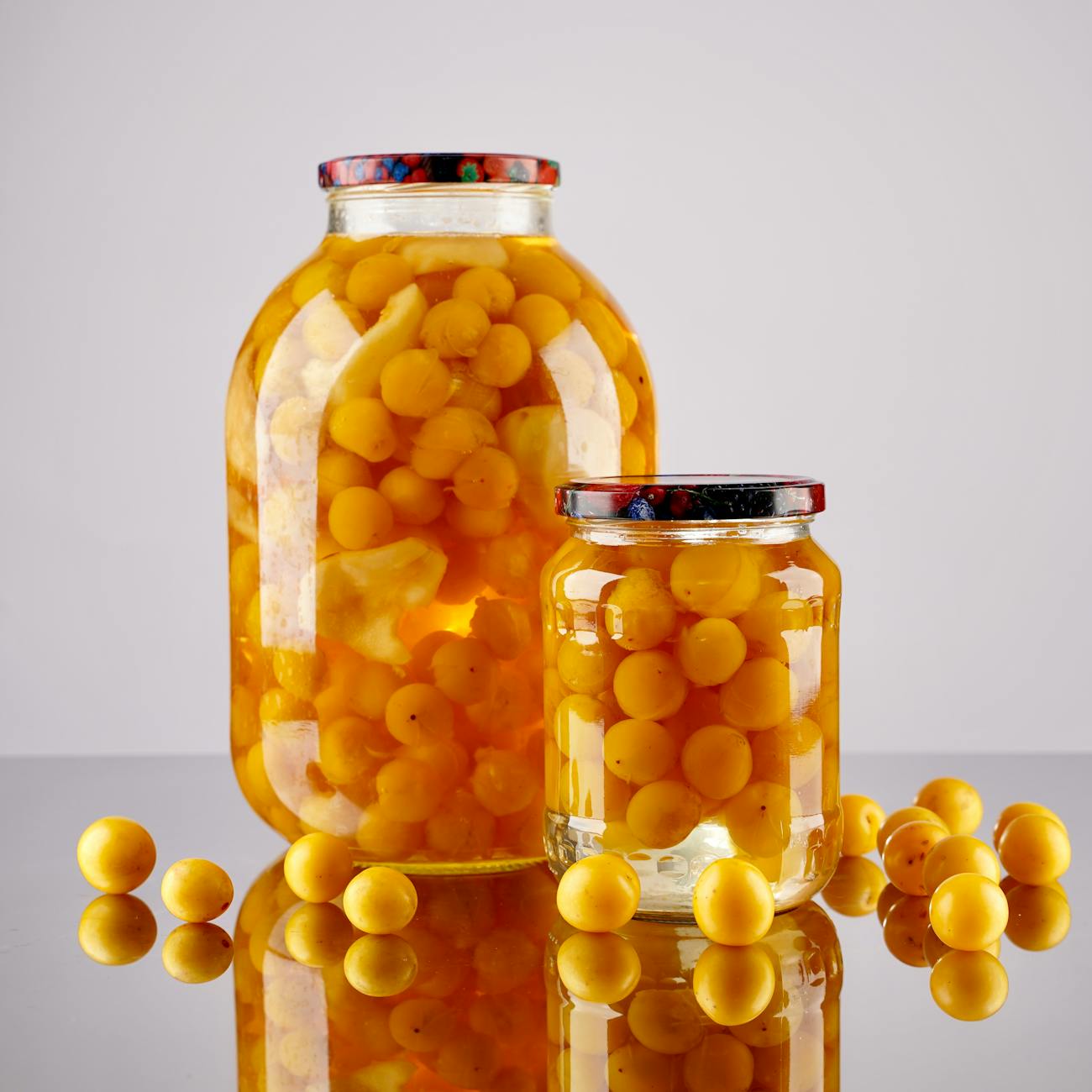
Methods of food preservation: - Canning: A heat treatment method that sterilizes food products in sealed containers to destroy microorganisms, enzymes, and spoilage agents for long-term storage. - Drying: A dehydration technique that removes water from food products to inhibit microbial growth, extend shelf-life, and preserve texture, flavor, and nutrients. - Pickling: A preservation method that uses acidic solutions like vinegar or brine to ferment and preserve food products, enhancing flavor, texture, and shelf-life.
Benefits of food preservation: - Shelf-life extension: Prolonging the freshness, safety, and quality of food products to reduce waste, improve inventory management, and meet consumer demand for convenience. - Seasonal availability: Preserving seasonal fruits, vegetables, and ingredients through canning, freezing, or drying to enjoy them year-round and support local agriculture. - Nutritional retention: Preserving the nutritional content of food products by minimizing nutrient loss, degradation, and oxidation during processing and storage to maintain health benefits.
Challenges in food preservation include: - Technological advancements: Adopting new preservation technologies, methods, and equipment to improve efficiency, safety, and sustainability in food processing and packaging. - Clean label trends: Addressing consumer preferences for natural, minimally processed, and preservative-free food products that pose challenges for shelf-life extension and microbial control. - Regulatory requirements: Complying with regulations, standards, and labeling requirements for preserved food products to ensure safety, quality, and transparency in ingredient use and processing techniques.
13. Food Additives
Food additives are substances added to food products to enhance safety, quality, shelf-life, appearance, taste, texture, or nutritional value. Food additives serve various functions in food processing and packaging to improve product characteristics, stability, and consumer acceptance.
Types of food additives: - Preservatives: Additives that inhibit microbial growth, enzymatic activity, or oxidation to extend shelf-life, prevent spoilage, and maintain food safety. - Antioxidants: Additives that prevent or delay oxidation in food products to preserve color, flavor, texture, and nutritional content. - Emulsifiers: Additives that stabilize and homogenize food products by reducing surface tension and promoting the dispersion of ingredients in formulations.
Functions of food additives: - Safety: Enhancing food safety by preventing microbial contamination, spoilage, and pathogen growth in food products during processing, storage, and distribution. - Quality: Improving product quality by enhancing sensory attributes, appearance, texture, and stability in food formulations to meet consumer expectations and preferences. - Convenience: Providing convenience and functionality in food products through additives that enhance processing, packaging,
Key takeaways
- In this guide, we will explore important terms related to food processing and packaging to enhance your knowledge and expertise in this area.
- Food processing refers to the transformation of raw ingredients into food products through various physical, chemical, and biological processes.
- Examples of food processing techniques include: - Blanching: A process of briefly immersing food items in boiling water to deactivate enzymes and preserve color.
- Challenges in food processing include: - Maintaining food safety standards to prevent contamination and foodborne illnesses.
- Food packaging involves enclosing food products in containers or materials to protect them from external factors such as light, moisture, oxygen, and microorganisms.
- Types of food packaging materials include: - Plastic: Commonly used for packaging due to its flexibility, durability, and cost-effectiveness.
- Functions of food packaging: - Protection: Preventing contamination, spoilage, and physical damage during storage and transportation.