
Quality Management
Quality Management is a critical aspect of project management in the Life Sciences industry. It is essential to ensure that products and services meet the required standards and expectations of customers, regulatory bodies, and stakeholders…
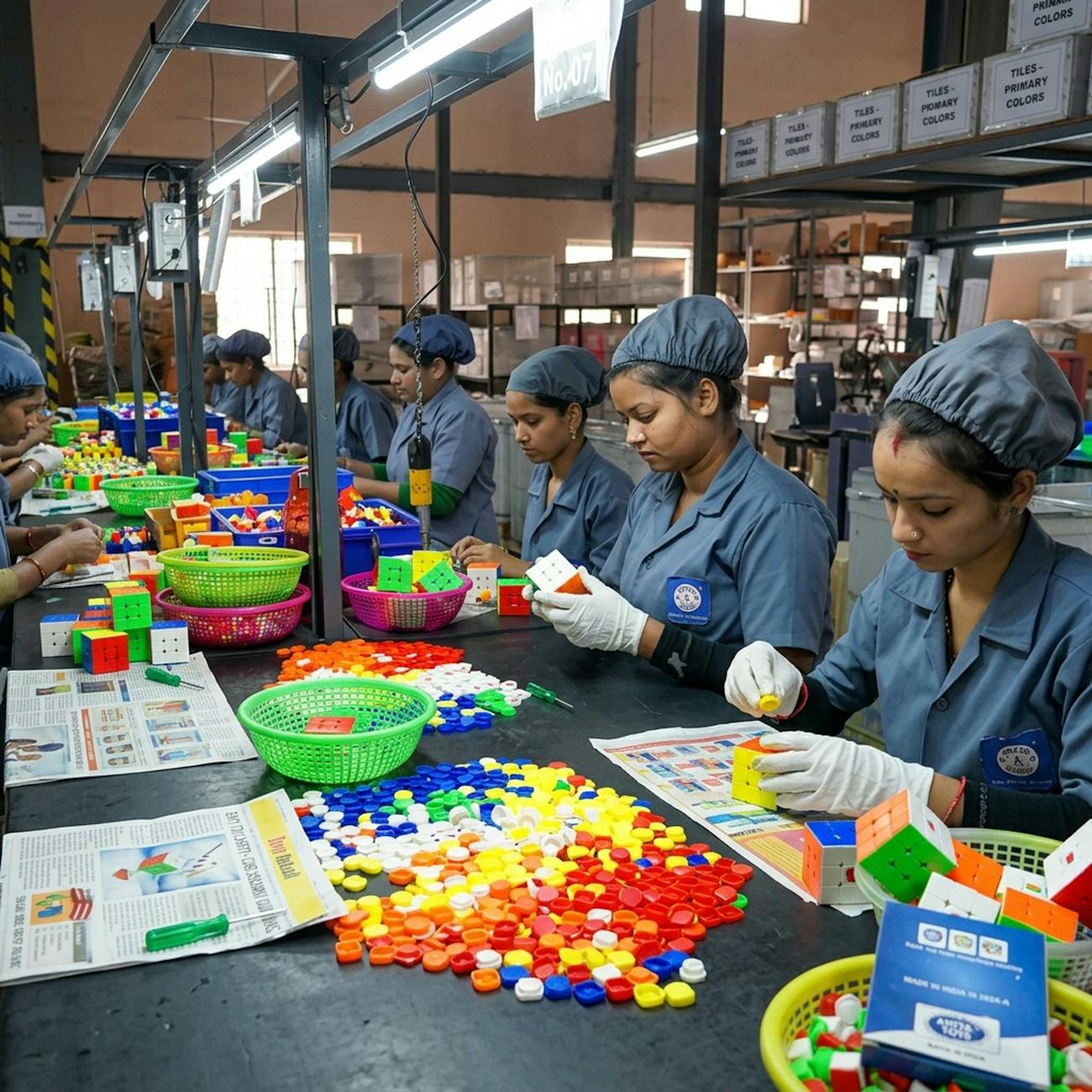
Quality Management is a critical aspect of project management in the Life Sciences industry. It is essential to ensure that products and services meet the required standards and expectations of customers, regulatory bodies, and stakeholders. In this course, we will explore key terms and vocabulary related to Quality Management to help you understand and apply these concepts effectively in your projects.
1. **Quality:** Quality is the degree to which a product or service meets customer requirements and expectations. It involves characteristics such as performance, reliability, durability, and aesthetics. Quality is essential in the Life Sciences industry to ensure the safety and efficacy of products like pharmaceuticals, medical devices, and biotechnology products.
2. **Quality Management:** Quality Management is the process of planning, controlling, and improving quality in all aspects of a project. It involves identifying quality requirements, establishing quality standards, and implementing measures to achieve and maintain quality throughout the project lifecycle. Quality Management aims to meet or exceed customer expectations while complying with regulations and industry standards.
3. **Total Quality Management (TQM):** Total Quality Management is a comprehensive approach to quality improvement that involves all members of an organization in continuous improvement efforts. TQM focuses on customer satisfaction, employee involvement, process improvement, and data-driven decision-making. It emphasizes the importance of leadership commitment, employee empowerment, and a culture of quality excellence.
4. **Quality Assurance (QA):** Quality Assurance is the systematic process of ensuring that products and services meet specified requirements and standards. QA activities include quality planning, quality control, and quality improvement. QA aims to prevent defects, reduce variation, and enhance the overall quality of deliverables. It provides confidence to stakeholders that quality requirements will be met.
5. **Quality Control (QC):** Quality Control is the process of monitoring and verifying the quality of products and services during production or delivery. QC activities include inspections, testing, measurements, and audits to identify defects and non-conformances. QC aims to detect and correct problems before products are released to customers, ensuring that they meet quality standards.
6. **Quality Management System (QMS):** A Quality Management System is a set of policies, procedures, and processes used to ensure that an organization consistently delivers products and services that meet customer requirements. A QMS defines roles and responsibilities, establishes quality objectives, and provides a framework for managing quality throughout the organization. It typically includes documentation, training, audits, and continuous improvement processes.
7. **ISO 9001:** ISO 9001 is an international standard for Quality Management Systems that sets out the criteria for a QMS based on quality principles such as customer focus, leadership, engagement of people, process approach, improvement, evidence-based decision making, and relationship management. Compliance with ISO 9001 demonstrates an organization's commitment to quality and customer satisfaction.
8. **Six Sigma:** Six Sigma is a data-driven methodology for process improvement that aims to reduce defects and variation in products and services. Six Sigma uses statistical tools and techniques to identify and eliminate causes of defects, errors, and inefficiencies. The goal of Six Sigma is to achieve near-perfect quality by targeting a defect rate of fewer than 3.4 defects per million opportunities.
9. **Lean Manufacturing:** Lean Manufacturing is a systematic approach to minimizing waste and maximizing value in production processes. Lean principles focus on identifying and eliminating non-value-added activities, reducing lead times, improving flow, and increasing efficiency. Lean tools such as 5S, Kanban, and Value Stream Mapping help organizations streamline operations and improve quality.
10. **Root Cause Analysis:** Root Cause Analysis is a methodical process for identifying the underlying causes of problems or defects. It involves investigating the symptoms, tracing back to the root causes, and implementing corrective actions to prevent recurrence. Root Cause Analysis helps organizations address quality issues proactively and improve processes to prevent future problems.
11. **Pareto Principle:** The Pareto Principle, also known as the 80/20 rule, states that roughly 80% of effects come from 20% of causes. In Quality Management, the Pareto Principle is used to prioritize problems, defects, or improvement opportunities based on their impact. By focusing on the vital few factors that contribute most to quality issues, organizations can achieve significant improvements with minimal effort.
12. **Continuous Improvement:** Continuous Improvement, also known as Kaizen, is the ongoing effort to enhance products, services, and processes incrementally. It involves identifying opportunities for improvement, implementing changes, measuring outcomes, and repeating the cycle to achieve better results continuously. Continuous Improvement is a core principle of Quality Management and ensures that organizations remain competitive and responsive to customer needs.
13. **Risk Management:** Risk Management is the process of identifying, assessing, and mitigating risks that could affect the quality, safety, or success of a project. Risk Management involves identifying potential risks, analyzing their likelihood and impact, developing risk response plans, and monitoring risks throughout the project lifecycle. Effective Risk Management helps organizations anticipate and address issues that could jeopardize project objectives.
14. **Failure Mode and Effects Analysis (FMEA):** Failure Mode and Effects Analysis is a systematic technique for identifying and prioritizing potential failure modes in a product or process. FMEA helps organizations anticipate failure modes, assess their potential effects, and develop preventive or corrective actions to mitigate risks. FMEA is a proactive approach to quality management that aims to prevent defects and improve reliability.
15. **Key Performance Indicators (KPIs):** Key Performance Indicators are measurable metrics used to evaluate the performance of processes, products, or projects against predefined goals or targets. KPIs help organizations monitor progress, identify areas for improvement, and make data-driven decisions. Examples of KPIs in Quality Management include defect rates, customer satisfaction scores, on-time delivery, and process efficiency.
16. **Cost of Quality (COQ):** Cost of Quality is the total cost incurred by an organization to achieve or maintain quality standards. COQ includes the costs of prevention (e.g., training, quality planning), appraisal (e.g., inspections, testing), and failure (e.g., rework, warranty claims). By analyzing the Cost of Quality, organizations can identify opportunities to reduce waste, improve processes, and enhance overall quality performance.
17. **Benchmarking:** Benchmarking is the process of comparing organizational processes, products, or performance metrics against best practices or industry standards. Benchmarking helps organizations identify areas for improvement, set performance targets, and learn from top performers in the industry. By benchmarking against peers or competitors, organizations can drive continuous improvement and achieve superior quality outcomes.
18. **Quality Culture:** Quality Culture refers to the shared values, beliefs, attitudes, and behaviors within an organization that prioritize and support quality excellence. A strong quality culture fosters a commitment to continuous improvement, customer focus, teamwork, and accountability for quality outcomes. Organizations with a positive quality culture are more likely to achieve sustainable success and deliver high-quality products and services.
19. **Balanced Scorecard:** The Balanced Scorecard is a strategic performance management tool that aligns organizational objectives with key performance indicators in four perspectives: financial, customer, internal processes, and learning and growth. The Balanced Scorecard helps organizations balance short-term and long-term goals, measure performance across multiple dimensions, and drive continuous improvement in quality and overall business performance.
20. **Quality Function Deployment (QFD):** Quality Function Deployment is a method for translating customer requirements into specific design and process characteristics. QFD helps organizations identify customer needs, prioritize design features, and align product development with customer expectations. By using QFD, organizations can ensure that products and services are designed and delivered to meet or exceed customer requirements.
In conclusion, mastering the key terms and vocabulary related to Quality Management is essential for project managers in the Life Sciences industry to ensure the successful delivery of high-quality products and services. By understanding concepts such as Total Quality Management, ISO 9001, Six Sigma, and Continuous Improvement, project managers can effectively plan, monitor, and improve quality throughout the project lifecycle. Applying tools and techniques like Root Cause Analysis, FMEA, and Benchmarking can help organizations identify opportunities for quality enhancement and drive continuous improvement. By fostering a strong quality culture and using performance management tools like Balanced Scorecard and Quality Function Deployment, project managers can lead their teams to achieve superior quality outcomes and meet the expectations of customers and stakeholders in the Life Sciences industry.
Key takeaways
- In this course, we will explore key terms and vocabulary related to Quality Management to help you understand and apply these concepts effectively in your projects.
- Quality is essential in the Life Sciences industry to ensure the safety and efficacy of products like pharmaceuticals, medical devices, and biotechnology products.
- It involves identifying quality requirements, establishing quality standards, and implementing measures to achieve and maintain quality throughout the project lifecycle.
- **Total Quality Management (TQM):** Total Quality Management is a comprehensive approach to quality improvement that involves all members of an organization in continuous improvement efforts.
- **Quality Assurance (QA):** Quality Assurance is the systematic process of ensuring that products and services meet specified requirements and standards.
- **Quality Control (QC):** Quality Control is the process of monitoring and verifying the quality of products and services during production or delivery.
- **Quality Management System (QMS):** A Quality Management System is a set of policies, procedures, and processes used to ensure that an organization consistently delivers products and services that meet customer requirements.