
Biomechanics in Dance
Biomechanics in Dance is a key area of study within Dance Science that focuses on the mechanical principles of movement in relation to dance performance. Understanding the biomechanics of dance can help dancers optimize their performance, p…
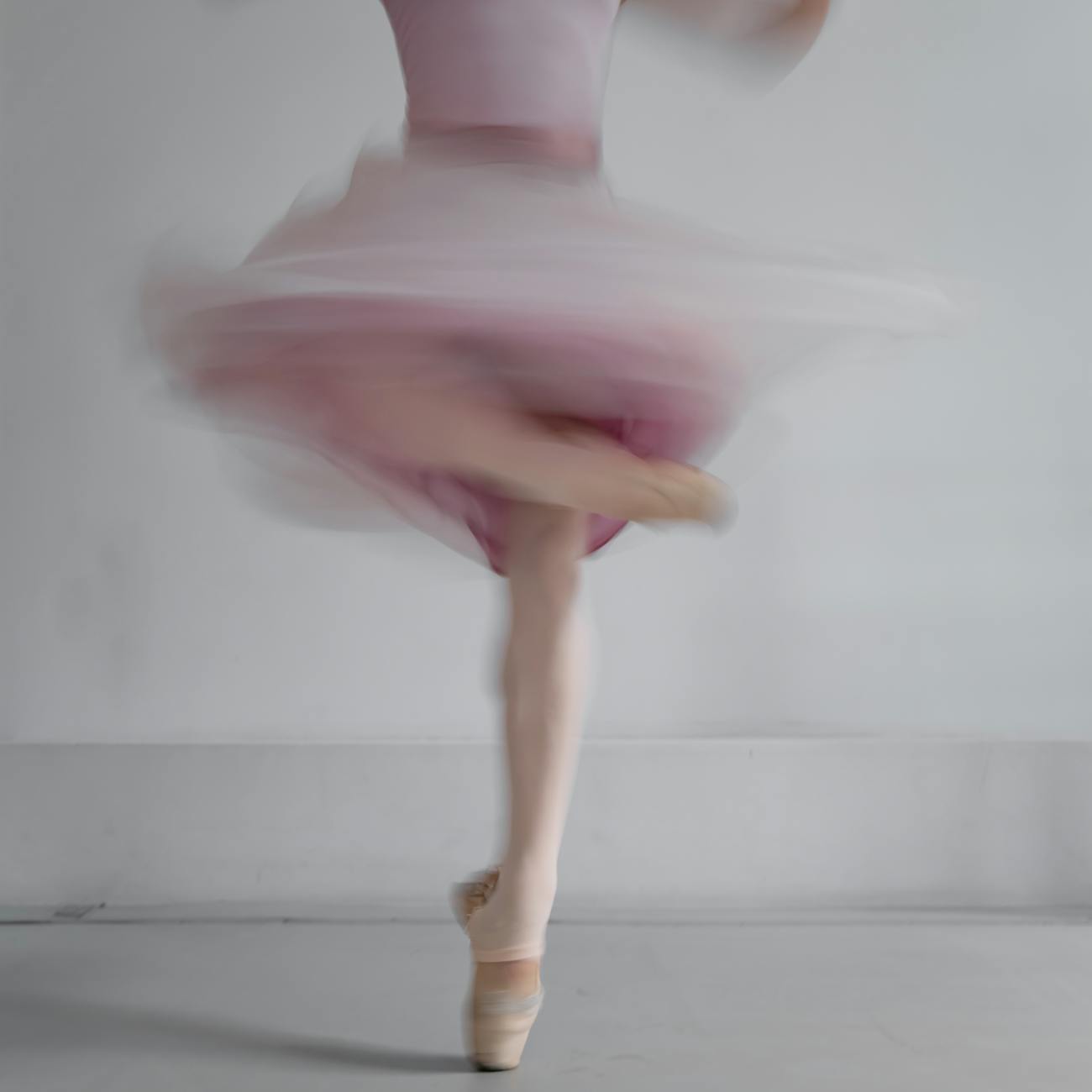
Biomechanics in Dance is a key area of study within Dance Science that focuses on the mechanical principles of movement in relation to dance performance. Understanding the biomechanics of dance can help dancers optimize their performance, prevent injuries, and enhance their overall technique. In this course, we will explore various key terms and vocabulary related to Biomechanics in Dance to provide a comprehensive understanding of this important subject.
**Biomechanics**: Biomechanics is the study of the mechanical laws relating to the movement or structure of living organisms. In dance, biomechanics refers to the application of mechanical principles to the human body in motion.
**Kinematics**: Kinematics is the branch of mechanics concerned with the motion of objects without reference to the forces that cause the motion. In dance, kinematics involves the study of movement patterns, positions, and velocities of body segments during various dance movements.
**Kinetics**: Kinetics is the branch of mechanics that deals with the forces acting on a system, causing it to change its motion. In dance, kinetics is important for understanding the forces that dancers exert on their bodies and the environment during movement.
**Force**: Force is a push or pull that can cause an object to accelerate, decelerate, or deform. In dance, forces are generated by muscles and external factors such as the floor or partner interactions.
**Gravity**: Gravity is the force that attracts a body towards the center of the earth. In dance, gravity influences movements such as jumps, falls, and balances.
**Torque**: Torque is the tendency of a force to rotate an object about an axis. In dance, torque is important for movements that involve rotation, such as turns and pirouettes.
**Center of Mass**: The center of mass is the point at which the body's mass is concentrated and around which it balances. In dance, awareness of the center of mass is crucial for maintaining balance and control during movement.
**Alignment**: Alignment refers to the proper positioning of body segments in relation to each other and the environment. Proper alignment is essential for efficient movement and injury prevention in dance.
**Posture**: Posture is the position of the body in space, including the arrangement of body segments and the distribution of weight. Good posture is important for optimal movement quality and overall health in dance.
**Joint Mobility**: Joint mobility refers to the range of motion available at a joint. In dance, adequate joint mobility is necessary for performing various movements with ease and fluidity.
**Flexibility**: Flexibility is the ability of a muscle or group of muscles to lengthen and stretch. Flexibility is essential for achieving full range of motion in dance movements and preventing injuries.
**Strength**: Strength is the ability of muscles to exert force against resistance. In dance, strength is important for executing powerful movements, maintaining stability, and preventing injuries.
**Power**: Power is the ability to generate force quickly. In dance, power is crucial for explosive movements such as jumps and leaps.
**Balance**: Balance is the ability to control the body's position in space. In dance, balance is essential for maintaining stability during various movements, such as turns and balances.
**Coordination**: Coordination is the ability to integrate multiple body parts to produce efficient and smooth movements. In dance, coordination is necessary for executing complex movement sequences with precision.
**Proprioception**: Proprioception is the body's ability to sense the position, movement, and orientation of body parts. In dance, proprioception is important for body awareness, spatial orientation, and movement control.
**Feedback**: Feedback is information received by the body about the outcome of a movement. In dance, feedback helps dancers adjust their movements to achieve desired outcomes, such as alignment, balance, and coordination.
**Motor Learning**: Motor learning is the process of acquiring and refining motor skills through practice and experience. In dance, motor learning is essential for improving technique, efficiency, and performance quality.
**Motor Control**: Motor control is the process by which the nervous system coordinates and regulates movement. In dance, motor control is important for executing precise and coordinated movements.
**Biomechanical Analysis**: Biomechanical analysis is the process of examining movement patterns and mechanics to understand performance, efficiency, and injury risk. In dance, biomechanical analysis can help identify areas for improvement and optimize technique.
**Injury Prevention**: Injury prevention in dance involves strategies to reduce the risk of musculoskeletal injuries. Understanding biomechanics can help dancers identify and address movement patterns that may contribute to injury.
**Performance Enhancement**: Biomechanics can also be used to enhance dance performance by optimizing movement efficiency, power production, and technical execution. By applying biomechanical principles, dancers can improve their overall performance quality.
**Challenges and Limitations**: Despite its benefits, studying biomechanics in dance can present challenges such as the complexity of human movement, individual differences in movement patterns, and the limitations of biomechanical analysis tools. Overcoming these challenges requires a multidisciplinary approach and a thorough understanding of dance science principles.
**Practical Applications**: The principles of biomechanics can be applied to various aspects of dance training and performance, including technique development, injury prevention, movement analysis, and performance enhancement. By integrating biomechanics into dance practice, dancers can improve their overall movement quality and long-term health.
In conclusion, Biomechanics in Dance is a valuable field of study that offers insights into the mechanical principles of movement and their application to dance performance. By understanding key terms and concepts related to biomechanics, dancers can enhance their technique, prevent injuries, and optimize their performance. Through the application of biomechanical principles, dancers can improve their movement quality, efficiency, and overall dance experience.
Key takeaways
- In this course, we will explore various key terms and vocabulary related to Biomechanics in Dance to provide a comprehensive understanding of this important subject.
- **Biomechanics**: Biomechanics is the study of the mechanical laws relating to the movement or structure of living organisms.
- **Kinematics**: Kinematics is the branch of mechanics concerned with the motion of objects without reference to the forces that cause the motion.
- In dance, kinetics is important for understanding the forces that dancers exert on their bodies and the environment during movement.
- In dance, forces are generated by muscles and external factors such as the floor or partner interactions.
- **Gravity**: Gravity is the force that attracts a body towards the center of the earth.
- In dance, torque is important for movements that involve rotation, such as turns and pirouettes.