
Sports Injury Management
Acute injury refers to damage that occurs suddenly as a result of a specific traumatic event. Typical examples include a football player landing awkwardly and sustaining an ankle sprain , or a tennis player feeling a sharp pain in the elbow…
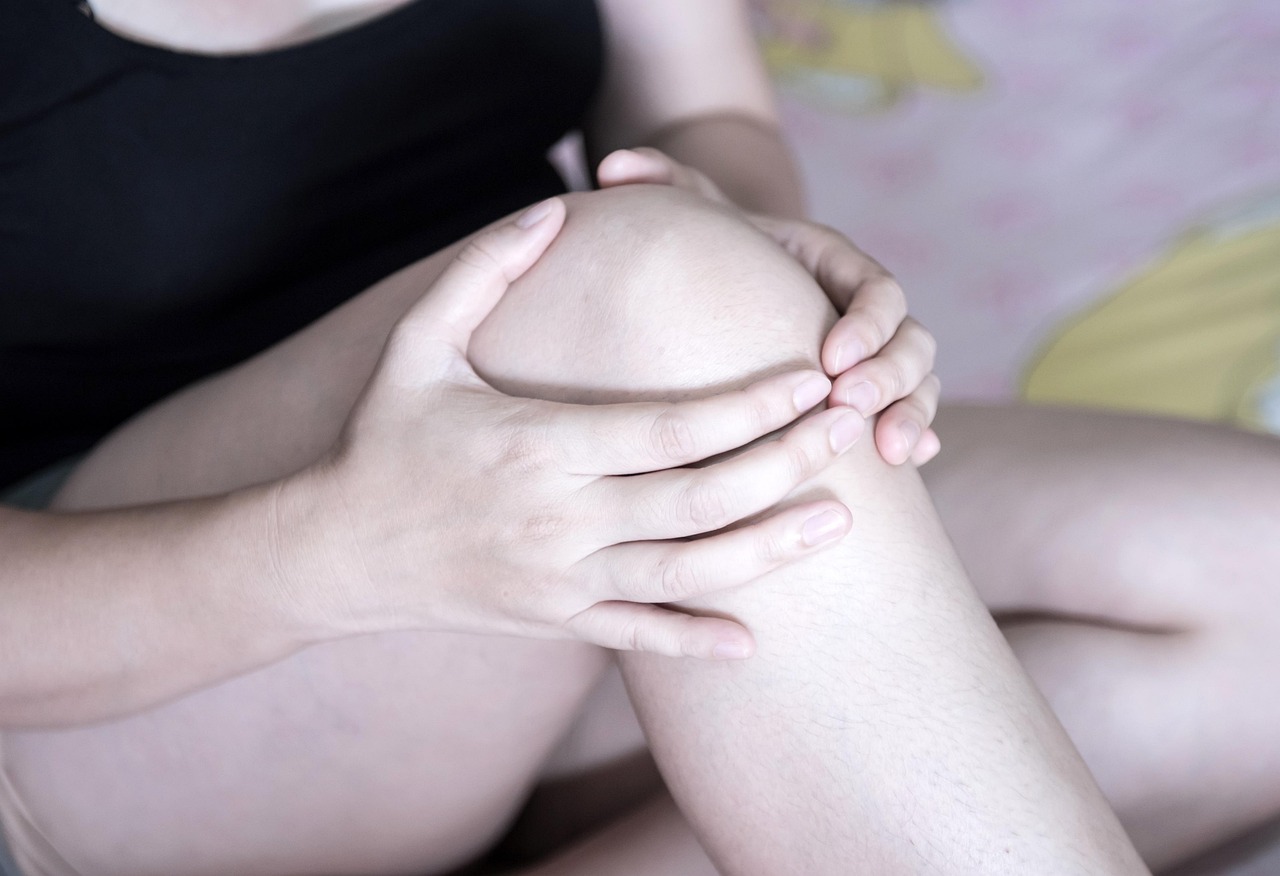
Acute injury refers to damage that occurs suddenly as a result of a specific traumatic event. Typical examples include a football player landing awkwardly and sustaining an ankle sprain, or a tennis player feeling a sharp pain in the elbow after a powerful serve, indicating a possible lateral epicondylitis. Acute injuries are characterized by rapid onset of pain, swelling, and loss of function. Management strategies focus on minimizing tissue damage, controlling inflammation, and initiating early mobilization when appropriate.
Chronic injury develops over time from repetitive stress or overuse. A classic case is a runner who develops shin splints after increasing mileage too quickly. Chronic injuries often present with insidious pain, stiffness, and a gradual decline in performance. Treatment emphasizes load management, corrective exercise, and addressing biomechanical deficits that contribute to the injury pattern.
Sprain is the stretching or tearing of ligaments, the fibrous connective tissue that stabilizes joints. The severity is graded on a scale of I to III. A Grade I sprain involves microscopic fiber disruption, mild swelling, and minimal loss of stability. A Grade II sprain shows partial tearing, moderate swelling, and some joint laxity. A Grade III sprain is a complete rupture, leading to marked swelling, significant instability, and often a palpable gap in the ligament. An example is a grade II ankle sprain sustained during a basketball game when a player lands on a supinated foot.
Strain denotes injury to muscle fibers or tendons. Like sprains, strains are graded I through III. A Grade I strain involves a few muscle fibers, causing mild discomfort and little loss of strength. A Grade II strain includes a larger number of fibers, resulting in moderate pain, swelling, and reduced force production. A Grade III strain is a complete rupture, often presenting with a palpable defect, severe pain, and a marked loss of function. A common scenario is a hamstring strain in a sprinter who accelerates rapidly at the start of a race.
Contusion is a bruise resulting from direct blunt force to soft tissue, causing capillary rupture and hemorrhage. Athletes may experience a contusion after a collision in rugby or a hard fall in gymnastics. The hallmark signs are localized pain, swelling, and discoloration. While most contusions resolve with conservative care, deep muscle contusions can develop compartment syndrome, a surgical emergency.
Dislocation occurs when the articulating surfaces of a joint lose their normal relationship. A shoulder dislocation is frequently seen in contact sports when a player is tackled and the humeral head is forced out of the glenoid fossa. Immediate reduction and immobilization are essential to prevent neurovascular compromise and recurrent instability.
Fracture is a break in the continuity of bone. In sports, fractures can be simple (non‑displaced) or complex (displaced, comminuted). A common example is a stress fracture of the metatarsal in a long‑distance runner, which often presents with localized dorsal foot pain that worsens with activity. Diagnosis relies on imaging, and management ranges from protected weight‑bearing to surgical fixation depending on fracture type and location.
Stress fracture is a type of fatigue fracture caused by repetitive loading that exceeds the bone’s remodeling capacity. Early signs include vague ache and tenderness over the affected bone. If activity continues, the fracture can progress to a complete break. Preventative strategies involve gradual progression of training load, adequate nutrition, and monitoring of risk factors such as low bone mineral density.
Ligamentous laxity describes an increased range of motion in a joint due to loose ligaments. Some athletes possess inherent laxity, which can predispose them to recurrent sprains. Clinical assessment includes the anterior drawer test for the ankle and the Lachman test for the knee. Management may involve proprioceptive training, bracing, and, in severe cases, surgical reconstruction.
Proprioception is the body’s ability to sense joint position and movement. It is critical for dynamic stability and injury prevention. Proprioceptive deficits often follow an acute sprain, leading to a higher risk of re‑injury. Rehabilitation protocols incorporate balance boards, wobble cushions, and single‑leg stance exercises to restore proprioceptive acuity.
RICE stands for Rest, Ice, Compression, and Elevation. It is a widely taught first‑aid protocol for acute soft‑tissue injuries. Rest prevents further tissue damage; ice reduces metabolic demand and inflammation; compression limits swelling; elevation utilizes gravity to decrease edema. While RICE remains a cornerstone of early management, recent literature supports modifications such as “MEAT” (Movement, Ice, Compression, Elevation) to encourage gentle mobilization.
PRICE expands on RICE by adding “Protection” to the acronym. Protection involves using braces, taping, or crutches to safeguard the injured area during the acute phase. For instance, a player with a grade I ankle sprain may wear a lace‑up brace to limit inversion stress while still allowing early range of motion.
PEACE & PACE is a newer protocol that replaces “Rest” with “Protection” and emphasizes “Education” and “Control” of pain and swelling. The acronym stands for Protection, Education, Compression, and Elevation, followed by Progressive loading, Exercise, Recovery, and Sport‑specific training. This approach aligns with current evidence favoring early controlled loading to promote tissue healing.
Inflammation is a physiological response to tissue injury involving increased blood flow, leukocyte infiltration, and the release of inflammatory mediators. While inflammation is essential for debris removal and the initiation of repair, excessive or prolonged inflammation can impede healing. Anti‑inflammatory modalities include cryotherapy, non‑steroidal anti‑inflammatory drugs (NSAIDs), and therapeutic ultrasound.
Healing phases are typically divided into three overlapping stages: Inflammatory, proliferative, and remodeling. During the inflammatory phase (days 0‑5), the focus is on controlling swelling and pain. The proliferative phase (days 5‑21) involves fibroblast activity, collagen synthesis, and granulation tissue formation. The remodeling phase (weeks 3‑12 and beyond) sees the maturation and alignment of collagen fibers, increased tensile strength, and functional restoration. Understanding these phases guides the timing of interventions such as manual therapy, loading, and functional training.
Manual therapy includes joint mobilizations, soft‑tissue mobilizations, and myofascial release techniques. For example, a grade III posterior glides of the talocrural joint may be applied to improve dorsiflexion after an ankle sprain, while deep transverse friction massage can be used to address tendon adhesions in a chronic patellar tendinopathy. Manual therapy is most effective when combined with active therapeutic exercise.
Therapeutic exercise encompasses a range of activities designed to restore strength, flexibility, endurance, and neuromuscular control. Early in the rehabilitation process, isometric contractions are often prescribed to maintain muscle activation without stressing the injured structure. As healing progresses, isotonic, eccentric, and plyometric exercises are introduced to enhance functional performance. For instance, eccentric calf raises are a gold‑standard intervention for Achilles tendinopathy.
Eccentric training emphasizes lengthening muscle contractions under load. This modality has strong evidence supporting its use in tendinopathies such as patellar and Achilles tendinopathy. An example protocol involves performing three sets of 15 slow eccentric heel drops daily for six weeks, gradually increasing load by adding weight.
Isokinetic testing provides objective data on muscle strength and power at a constant angular velocity. It is commonly employed in return‑to‑play decision making for athletes recovering from lower‑extremity injuries. A typical assessment might involve measuring quadriceps peak torque at 60°/s and comparing the injured limb to the contralateral side. Deficits greater than 10‑15 % often indicate the need for further conditioning before clearance.
Functional testing evaluates an athlete’s ability to perform sport‑specific tasks. Tests such as the single‑leg hop for distance, the Y‑Balance test, and the Illinois agility run help clinicians gauge readiness for return to competition. These assessments also identify persistent deficits that may require targeted intervention.
Return‑to‑play (RTP) criteria are evidence‑based guidelines used to determine when an athlete can safely resume competition. Criteria typically include: Pain‑free full range of motion, restored strength within 90‑95 % of the uninvolved side, successful completion of sport‑specific functional tests, and physician clearance. A structured RTP protocol may progress through stages such as non‑contact training, full practice, and finally competitive play.
Rehabilitation phases can be categorized into four stages: Acute, sub‑acute, functional, and performance. The acute phase focuses on controlling inflammation and protecting the injured tissue. The sub‑acute phase introduces gentle range‑of‑motion and low‑intensity strengthening. The functional phase emphasizes dynamic stability, proprioception, and sport‑specific movements. The performance phase aims to restore pre‑injury levels of speed, power, and endurance.
Neuromuscular electrical stimulation (NMES) delivers electrical currents to elicit muscle contractions. NMES can be used to prevent atrophy during immobilization, promote circulation, and facilitate motor relearning. In a post‑operative knee reconstruction, NMES may be applied to the quadriceps to counteract inhibition and promote early activation.
Therapeutic modalities such as ultrasound, laser therapy, and low‑level laser therapy (LLLT) are adjuncts that may aid tissue healing. Ultrasound delivers mechanical vibrations that increase tissue temperature, improve blood flow, and enhance collagen extensibility. While evidence varies, many clinicians incorporate pulsed ultrasound during the proliferative phase of tendon healing.
Cryotherapy is the application of cold to reduce metabolic demand and pain. Ice packs, cold water immersion, and circulating ice machines are common tools. Typical protocols advise 15‑20 minutes of application every 2‑3 hours during the first 48 hours post‑injury. Cryotherapy should be avoided in patients with cold intolerance, Raynaud’s phenomenon, or impaired sensation.
Heat therapy is employed during the later stages of healing to promote tissue extensibility and relaxation. Moist heat packs, warm whirlpools, and infrared lamps can be used once acute inflammation has subsided. Heat should not be applied over acute injuries or open wounds.
Compression garments such as elastic sleeves and bandages provide external pressure that can limit edema and improve venous return. In chronic overuse injuries like patellar tendinopathy, compression may also provide proprioceptive feedback and support during activity.
Bracing and taping are mechanical support strategies that restrict harmful joint motions while allowing functional movement. Athletic taping techniques, such as the “figure‑8” for the ankle or “figure‑4” for the knee, are commonly taught in sports medicine courses. Proper application requires knowledge of anatomy, tension, and skin tolerance.
Biomechanical assessment involves evaluating alignment, joint kinematics, and movement patterns that may predispose an athlete to injury. Tools such as video analysis, motion capture systems, and force plates provide quantitative data. For example, excessive knee valgus during a drop‑jump can be identified and corrected through targeted hip abductor strengthening.
Gait analysis examines walking and running mechanics to detect abnormalities that may lead to overuse injuries. Common findings include overpronation, excessive forefoot loading, and altered stride length. Interventions may include orthotics, footwear modifications, and gait retraining drills.
Orthotics are custom‑made or prefabricated devices placed inside shoes to correct foot posture and distribute forces more evenly. They are frequently prescribed for athletes with plantar fasciitis, posterior tibial tendon dysfunction, or chronic shin splints. Proper fitting and patient education are essential for compliance.
Footwear selection is a critical component of injury prevention. Shoes should match the sport’s demands, the athlete’s foot type, and the playing surface. A runner with a high arch may benefit from a cushioned shoe, whereas a lateral‑support shoe may be more appropriate for a basketball player who requires stability during rapid changes of direction.
Load monitoring involves tracking training volume, intensity, and frequency to avoid sudden spikes that increase injury risk. Tools such as session rating of perceived exertion (sRPE), GPS tracking, and heart‑rate monitoring help quantify external and internal loads. Athletes and coaches can use this data to plan progressive overload while incorporating adequate recovery.
Recovery strategies encompass nutrition, sleep, and active recovery modalities. Adequate protein intake (1.2‑2.0 G/kg body weight) supports tissue repair, while carbohydrates replenish glycogen stores. Sleep of 7‑9 hours per night facilitates hormonal regulation of growth and repair. Low‑intensity activities like cycling or swimming promote blood flow without placing high stress on healing tissues.
Nutrition for healing emphasizes nutrients that play a role in collagen synthesis, inflammation modulation, and immune function. Vitamin C, zinc, and copper are essential cofactors for collagen cross‑linking. Omega‑3 fatty acids have anti‑inflammatory properties that may aid recovery. A diet rich in lean protein, fruits, vegetables, and healthy fats provides these nutrients.
Hydrotherapy utilizes water immersion to reduce weight‑bearing stress while allowing movement. Aquatic exercises are particularly useful during the sub‑acute phase for athletes with lower‑extremity injuries. The buoyancy of water reduces joint compression, enabling earlier activation of musculature without pain.
Blood flow restriction (BFR) training combines low‑load resistance exercise with a pneumatic cuff applied proximally to restrict venous outflow while maintaining arterial inflow. This technique stimulates muscle hypertrophy and strength gains at loads as low as 20‑30 % of one‑repetition maximum. BFR is gaining popularity for early rehabilitation when high loads are contraindicated.
Psychological aspects of sports injury management are increasingly recognized as essential to successful outcomes. Athletes may experience anxiety, depression, or loss of identity during periods of inactivity. Incorporating mental skills training, goal setting, and counseling can improve adherence to rehabilitation and expedite return to sport.
Fear‑avoidance is a common barrier where athletes avoid movements they perceive as threatening, leading to deconditioning and prolonged recovery. Graded exposure to feared activities, combined with education about tissue tolerance, helps reduce fear‑avoidance behaviors.
Compliance refers to the degree to which athletes follow prescribed rehabilitation protocols. Factors influencing compliance include perceived relevance, complexity of the program, and support from the clinical team. Strategies to improve compliance involve clear communication, setting realistic goals, and using technology such as mobile apps for reminders.
Outcome measures are standardized tools used to assess progress and determine readiness for return. Examples include the Visual Analogue Scale (VAS) for pain, the Lower Extremity Functional Scale (LEFS), and the International Knee Documentation Committee (IKDC) questionnaire for knee pathology. Regular administration of these measures provides objective data to guide clinical decision‑making.
Imaging modalities play a pivotal role in diagnosing sports injuries. Plain radiographs are first‑line for suspected fractures or dislocations. Magnetic resonance imaging (MRI) offers superior soft‑tissue contrast and is the gold standard for detecting ligament tears, meniscal injuries, and muscle strains. Ultrasound provides dynamic assessment of tendons and can be used for guided injections.
Diagnostic ultrasound is a bedside tool that allows clinicians to visualize tendon thickness, neovascularization, and structural integrity in real time. It is especially useful for guiding cortisone injections into the rotator cuff or patellar tendon. Skillful use requires knowledge of anatomy and proper probe positioning.
Cortisone injection involves delivering a corticosteroid medication directly into inflamed tissue to reduce pain and swelling. While effective for short‑term relief, repeated injections may weaken tendons and delay healing. Current guidelines recommend limiting corticosteroid use to a few injections per year and combining it with a structured rehabilitation program.
Platelet‑rich plasma (PRP) therapy concentrates autologous platelets and growth factors to accelerate tissue repair. PRP is injected into the injury site, such as a chronic hamstring strain, with the goal of enhancing collagen synthesis. Evidence remains mixed, and clinicians must discuss realistic expectations with athletes.
Stem‑cell therapy is an emerging regenerative technique that involves harvesting mesenchymal stem cells from bone marrow or adipose tissue, processing them, and injecting them into damaged structures. While promising for cartilage defects and tendon injuries, the method is still investigational and subject to regulatory considerations.
Regenerative medicine encompasses all biologic interventions aimed at restoring tissue function, including PRP, stem cells, and growth‑factor injections. The selection of a specific modality depends on the type of injury, stage of healing, and athlete’s goals.
Functional movement screen (FMS) is a systematic assessment of seven movement patterns that identifies mobility and stability deficits. Scores guide corrective exercise selection to address asymmetries that may predispose athletes to injury. For example, a poor overhead squat score may indicate limited thoracic spine mobility, prompting targeted mobility drills.
Dynamic warm‑up prepares the body for activity by increasing temperature, enhancing neuromuscular activation, and improving range of motion. A typical protocol includes jogging, leg swings, lunges, and sport‑specific drills. Research shows that dynamic warm‑ups reduce the incidence of acute injuries compared with static stretching alone.
Static stretching involves holding a muscle in a lengthened position for a period of time, usually 15‑30 seconds. While static stretching improves flexibility, performing it before high‑intensity activity may transiently reduce muscle strength and power. Therefore, static stretching is best reserved for the cool‑down phase or dedicated flexibility sessions.
Cool‑down facilitates the gradual return of heart rate and circulation to baseline levels, and may incorporate low‑intensity aerobic work and static stretching. A proper cool‑down can aid in the removal of metabolic waste products and reduce delayed onset muscle soreness (DOMS).
Delayed onset muscle soreness (DOMS) typically peaks 24‑72 hours after unaccustomed eccentric activity. Strategies to mitigate DOMS include progressive overload, proper warm‑up, and post‑exercise nutrition. While DOMS is not a sign of injury, severe soreness may indicate excessive training load.
Training periodization is the systematic planning of training cycles (macro, meso, and microcycles) to optimize performance and reduce injury risk. Periodization balances phases of preparation, competition, and transition, incorporating variations in volume, intensity, and specificity.
Overtraining syndrome occurs when an athlete experiences performance decrements, persistent fatigue, and increased injury susceptibility due to excessive training load without adequate recovery. Early signs include mood changes, sleep disturbances, and elevated resting heart rate. Management requires load reduction, psychological support, and gradual re‑introduction of training.
Rehabilitation documentation is essential for tracking progress, communicating with other health professionals, and meeting legal and insurance requirements. Documentation should include subjective reports, objective findings, assessment, plan, and any modifications to the program. Accurate records also support outcome research and quality improvement.
Interdisciplinary collaboration involves coordination among physical therapists, physicians, athletic trainers, nutritionists, and psychologists. A multidisciplinary approach ensures comprehensive care, addressing all aspects of an athlete’s health. For example, a soccer player with an ACL reconstruction may receive surgical care from an orthopaedic surgeon, postoperative rehabilitation from a PT, strength conditioning from a strength coach, and mental skills training from a sport psychologist.
Acute care pathway outlines the steps from injury occurrence to initial assessment, emergency management, imaging, and referral. Prompt recognition of red‑flag conditions such as compartment syndrome, vascular injury, or open fractures is critical. A systematic pathway improves patient outcomes and streamlines communication among providers.
Compartment syndrome is a surgical emergency characterized by increased pressure within a closed muscle compartment, leading to compromised perfusion. Symptoms include severe pain disproportionate to the injury, pain on passive stretch, and tense swelling. Immediate fasciotomy is required to prevent irreversible muscle and nerve damage.
Chronic compartment syndrome presents with recurrent pain and tightness during exercise, typically in the anterior leg or forearm. Diagnosis involves measuring intracompartmental pressure before and after activity. Management may include activity modification, stretching, and, in refractory cases, surgical decompression.
Myofascial trigger point is a hyperirritable spot within a taut band of skeletal muscle that elicits referred pain. Trigger points often develop after acute injuries or chronic overuse. Manual techniques such as ischemic compression or dry needling can deactivate trigger points and improve tissue extensibility.
Dry needling involves inserting fine filiform needles into myofascial trigger points to elicit a local twitch response and reduce muscle tension. While evidence supports its use for pain reduction, practitioners must be trained in anatomy and needle safety.
Joint mobilization is a passive manual technique that applies graded forces to move a joint within its physiological range. Grades I‑II are used for pain relief, while grades III‑IV improve joint accessory motion. For example, a grade III posterior glide of the shoulder may be employed to increase external rotation after a rotator cuff strain.
Soft‑tissue mobilization includes techniques such as cross‑friction massage, myofascial release, and instrument‑assisted soft‑tissue mobilization (IASTM). These interventions aim to break down adhesions, improve tissue glide, and stimulate collagen remodeling. They are often integrated into the proliferative phase of tendon healing.
Neuromuscular re‑education focuses on restoring optimal movement patterns through drills that emphasize timing, sequencing, and coordination. Techniques include agility ladder drills, cone drills, and sport‑specific movement simulations. Success depends on progressive overload and feedback.
Agility training improves the ability to change direction rapidly and efficiently. Drills such as the “T‑drill”, “Illinois shuffle”, and “5‑10‑5 shuttle” challenge an athlete’s speed, reaction time, and dynamic stability. Incorporating agility training after basic strength work ensures safe progression.
Strength training is fundamental for injury prevention and rehabilitation. Progressive resistance exercises target major muscle groups, with emphasis on the kinetic chain relevant to the sport. For a basketball player recovering from a knee injury, squats, lunges, and hip abductor work are prioritized to support joint stability.
Power training develops the ability to exert force quickly. Plyometric exercises such as box jumps, depth jumps, and medicine‑ball throws improve the stretch‑shortening cycle. Power training is introduced after adequate strength and control are established, typically in the functional phase of rehab.
Core stability refers to the ability of the trunk muscles to maintain a neutral spine under load. Core deficits are linked to low back pain and lower‑extremity injuries. Exercises like planks, side bridges, and dead‑bugs enhance core endurance and control.
Hip strengthening is essential for controlling lower‑extremity alignment. Weak gluteus medius and maximus contribute to excessive knee valgus and patellofemoral stress. Targeted exercises such as clamshells, lateral band walks, and single‑leg deadlifts address these deficits.
Upper‑extremity injury terminology includes terms like “rotator cuff tendinopathy”, “labral tear”, and “shoulder impingement”. Rotator cuff tendinopathy presents with insidious shoulder pain aggravated by overhead activity. Management involves rotator cuff strengthening, scapular stabilization, and activity modification.
Shoulder impingement occurs when the supraspinatus tendon becomes compressed between the humeral head and the acromion during elevation. Clinical tests such as the Hawkins‑Kennedy and Neer’s sign help identify impingement. Treatment includes subacromial space decompression through manual therapy, scapular strengthening, and, when indicated, surgical decompression.
Labral tear involves damage to the fibrocartilaginous ring that deepens the glenoid socket. A “SLAP” tear (superior labrum anterior to posterior) is common in overhead athletes. Diagnosis often requires MRI arthrography. Rehabilitation focuses on restoring scapular mechanics, rotator cuff strength, and gradual return to throwing.
Throwing mechanics are a sequence of coordinated motions that generate high velocities while minimizing stress on the shoulder and elbow. Faulty mechanics can lead to injuries such as ulnar collateral ligament (UCL) strain. Video analysis and biomechanical assessment guide corrective interventions.
Ulnar collateral ligament (UCL) injury is prevalent in baseball pitchers due to repetitive valgus stress. Acute UCL sprains present with medial elbow pain, while chronic insufficiency may require surgical reconstruction (Tommy John surgery). Non‑operative management includes rest, strengthening of forearm flexors, and gradual throwing progression.
Patellofemoral pain syndrome (PFPS) is a common overuse condition characterized by anterior knee pain worsened by activities such as squatting, stair climbing, and prolonged sitting. Contributing factors include quadriceps weakness, hip adductor tightness, and abnormal patellar tracking. Rehabilitation emphasizes quadriceps strengthening, hip abductor activation, and patellar taping.
Achilles tendinopathy manifests as pain and stiffness in the posterior ankle, often aggravated by running or jumping. Histological studies reveal degenerative changes rather than inflammation, leading to the term “tendinosis”. Evidence‑based treatment includes eccentric calf training, load management, and, when necessary, adjunctive modalities such as PRP.
Plantar fasciitis presents with heel pain that is worst with the first steps after waking. Contributing factors include tight calf muscles, excessive pronation, and high‑impact activities. Management combines stretching of the gastrocnemius‑soleus complex, night splints, orthotics, and activity modification.
Stress reaction is a precursor to a stress fracture, characterized by localized bone pain without a complete break. Early detection through imaging and clinical evaluation allows for activity modification before a full fracture occurs.
Rehabilitation progression criteria guide the transition between phases. For example, progression from the sub‑acute to functional phase may require pain‑free range of motion, ≥80 % strength of the contralateral side, and successful completion of single‑leg balance tasks without compensation.
Gait retraining uses cues and feedback to alter maladaptive patterns. A runner with overstriding may be taught to increase cadence to 180 steps per minute, reducing ground reaction forces and lowering injury risk. Real‑time auditory or visual feedback enhances learning.
Neuromuscular fatigue impairs proprioception and motor control, increasing injury susceptibility. Monitoring fatigue through subjective scales, heart‑rate variability, and performance tests helps guide training adjustments.
Training load quantification can be expressed using the acute‑to‑chronic workload ratio (ACWR). An ACWR >1.5 Is associated with a higher injury risk. Coaches can use this metric to balance spikes in intensity with appropriate tapering periods.
Return‑to‑activity (RTA) protocol is a stepwise plan that bridges the gap between rehabilitation and full competition. It typically includes stages such as: (1) Pain‑free range of motion, (2) low‑impact conditioning, (3) sport‑specific drills, (4) non‑contact practice, (5) full contact practice, and (6) competition. Each stage requires meeting predefined criteria before advancing.
Functional movement patterns such as squat, lunge, and hinge provide a framework for progressive loading. Mastery of proper technique ensures that forces are transmitted safely through the kinetic chain, reducing the likelihood of compensatory injuries.
Clinical reasoning is the cognitive process that integrates assessment findings, evidence‑based practice, and athlete goals to formulate a treatment plan. It involves hypothesis generation, testing, and modification based on response. Developing strong clinical reasoning skills is a core objective of the Professional Certificate in Physical Therapy Techniques.
Evidence‑based practice (EBP) combines the best available research, clinical expertise, and patient values. For sports injury management, this means selecting interventions that have demonstrated efficacy, such as eccentric loading for tendinopathy, while also respecting the athlete’s preferences and timeline.
Continuing education ensures that clinicians stay current with evolving research, technologies, and treatment modalities. Participation in workshops, conferences, and journal clubs enhances knowledge and improves patient outcomes.
Legal and ethical considerations include informed consent, confidentiality, and scope of practice. When performing invasive procedures such as injections, clinicians must adhere to institutional policies and obtain appropriate documentation. Ethical practice also involves recognizing when an athlete’s desire to return to sport conflicts with medical advice and navigating that situation with empathy.
Telehealth has emerged as a valuable tool for delivering follow‑up care, exercise prescription, and education remotely. Video visits allow clinicians to observe movement patterns, provide real‑time feedback, and monitor adherence. However, limitations include the inability to perform hands‑on manual therapy and potential technology barriers.
Outcome research in sports injury management often utilizes randomized controlled trials (RCTs), cohort studies, and systematic reviews. Critical appraisal of the literature helps clinicians discern high‑quality evidence from methodological bias. For example, the effectiveness of PRP for Achilles tendinopathy remains controversial due to heterogeneous study designs.
Cost‑effectiveness analyses compare the financial impact of different interventions relative to their clinical benefits. In many cases, conservative management (e.G., Exercise therapy) is more cost‑effective than surgical options for common overuse injuries, provided that proper progression and adherence are maintained.
Patient education is a cornerstone of successful rehabilitation. Providing clear instructions on activity modifications, home exercise programs, and signs of complication empowers athletes to take an active role in their recovery. Visual aids, handouts, and digital resources enhance comprehension.
Home exercise program (HEP) should be individualized, realistic, and progressive. A typical HEP for a post‑ankle sprain may include ankle alphabet tracing, theraband eversion/inversion, and single‑leg balance exercises, performed three times per day. Regular check‑ins ensure proper technique and adjust difficulty as needed.
Goal setting utilizes the SMART framework (Specific, Measurable, Achievable, Relevant, Time‑bound). An example goal could be: “Increase single‑leg hop distance on the injured leg from 45 cm to 55 cm within four weeks.” Clear goals facilitate motivation and track progress.
Motivation strategies may involve gamification of exercises, use of wearable technology to display performance metrics, and positive reinforcement from the therapist. Tailoring strategies to the athlete’s personality and sport enhances engagement.
Risk factor assessment identifies intrinsic and extrinsic variables that predispose athletes to injury. Intrinsic factors include previous injury, joint laxity, and muscle imbalances. Extrinsic factors encompass training surface, equipment, and environmental conditions. A comprehensive risk profile guides preventative interventions.
Pre‑participation screening often includes a health questionnaire, musculoskeletal examination, and functional tests. Identifying deficits before the season enables targeted conditioning programs to address weaknesses and reduce injury incidence.
Warm‑up protocols should be sport‑specific, incorporating dynamic movements that mimic the demands of competition. For a soccer player, a warm‑up might include high‑knee runs, lateral shuffles, and ball‑dribbling drills, followed by short sprints. Research demonstrates that well‑designed warm‑ups lower the rate of hamstring strains.
Cool‑down protocols aid in recovery by gradually reducing heart rate, preventing blood pooling, and facilitating removal of metabolic waste. Incorporating static stretching, gentle aerobic activity, and foam rolling during the cool‑down can improve flexibility and reduce post‑exercise soreness.
Foam rolling is a self‑myofascial release technique that applies pressure to muscle tissue, promoting blood flow and reducing tension. While evidence varies, many athletes report decreased perceived muscle tightness after rolling the quadriceps, hamstrings, and calves.
Massage therapy can be employed to alleviate muscle soreness, improve circulation, and enhance relaxation. Techniques such as Swedish massage, deep‑tissue massage, and sports massage are selected based on the athlete’s needs and stage of recovery.
Hydration management is essential for optimal performance and recovery. Dehydration impairs thermoregulation, reduces endurance, and can increase injury risk. Athletes should aim to replace fluid losses at a rate of 150 ml per kilogram of body weight lost during exercise, using water or electrolyte‑containing beverages.
Environmental considerations such as temperature, humidity, and altitude affect training load and injury risk. Heat acclimatization protocols, appropriate clothing, and monitoring of core temperature help mitigate heat‑related illnesses.
Sleep hygiene influences tissue repair, hormonal balance, and cognitive function. Strategies to improve sleep include establishing a consistent bedtime routine, limiting screen exposure before sleep, and creating a dark, quiet environment. Athletes reporting <7 hours of sleep per night are at higher risk for injury.
Psychosocial support involves recognizing the emotional impact of injury and providing resources such as counseling, peer support groups, and mental skills coaching. Addressing anxiety, depression, and identity loss contributes to holistic recovery.
Return‑to‑competition monitoring continues after the athlete has resumed full participation. Ongoing assessment of performance metrics, injury surveillance, and load management ensures that the athlete remains healthy and can sustain high‑level performance.
Injury surveillance systems collect data on injury incidence, mechanism, severity, and time loss. Analyzing this data helps identify trends, evaluate the effectiveness of preventive programs, and inform policy changes. Commonly used models include the NCAA Injury Surveillance System and the FIFA Medical and Research Programme.
Preventive exercise programs such as the FIFA 11+ and the OSTRC (Oslo Sports Trauma Research Center) injury prevention program have demonstrated reductions in lower‑extremity injuries among soccer players and other athletes. These programs incorporate core stability, strength, plyometrics, and agility drills performed regularly.
Load‑bearing exercises are introduced once the tissue can tolerate compressive forces without pain. Examples include partial weight‑bearing squats for a post‑knee surgery patient and step‑ups for a foot fracture after cast removal. Gradual progression in load ensures safe adaptation.
Functional bracing provides support while allowing movement, facilitating a smoother transition back to sport. An example is a hinged knee brace that limits valgus stress while permitting flexion and extension during rehabilitation.
Sport‑specific conditioning tailors cardiovascular and muscular training to the energy systems and movement patterns of the athlete’s sport. For a swimmer, interval training in the pool emphasizes aerobic capacity and stroke efficiency, while for a sprinter, short high‑intensity intervals develop anaerobic power.
Periodized strength training cycles through phases of hypertrophy, maximal strength, and power development. A typical macrocycle may span 12‑16 weeks, with mesocycles of 4‑6 weeks each. This structured approach maximizes adaptations while minimizing overuse injuries.
Recovery modalities such as contrast water therapy (alternating hot and cold immersion) aim to modulate circulation and reduce soreness. While evidence is mixed, many athletes find contrast therapy subjectively beneficial after intense training sessions.
Sleep tracking devices provide objective data on sleep duration and quality, allowing clinicians to identify patterns that may affect performance. Integrating sleep data into training plans can guide adjustments in load and recovery.
Psychological readiness scales assess an athlete’s confidence, fear, and perceived readiness to return. The ACL‑Return to Sport after Injury (ACL‑RSI) questionnaire, for example, evaluates mental readiness following ACL reconstruction. Scores can inform the timing of progression to sport‑specific drills.
Motivational interviewing is a counseling technique that helps athletes explore ambivalence about change, enhancing intrinsic motivation.
Key takeaways
- Typical examples include a football player landing awkwardly and sustaining an ankle sprain, or a tennis player feeling a sharp pain in the elbow after a powerful serve, indicating a possible lateral epicondylitis.
- Treatment emphasizes load management, corrective exercise, and addressing biomechanical deficits that contribute to the injury pattern.
- A Grade III sprain is a complete rupture, leading to marked swelling, significant instability, and often a palpable gap in the ligament.
- A Grade III strain is a complete rupture, often presenting with a palpable defect, severe pain, and a marked loss of function.
- While most contusions resolve with conservative care, deep muscle contusions can develop compartment syndrome, a surgical emergency.
- A shoulder dislocation is frequently seen in contact sports when a player is tackled and the humeral head is forced out of the glenoid fossa.
- A common example is a stress fracture of the metatarsal in a long‑distance runner, which often presents with localized dorsal foot pain that worsens with activity.