
Renewable Energy Technologies
Renewable Energy Technologies (RETs) are energy generation methods that use natural resources such as sunlight, wind, rain, tides, and geothermal heat. These resources are replenished naturally and are virtually inexhaustible, making RETs s…
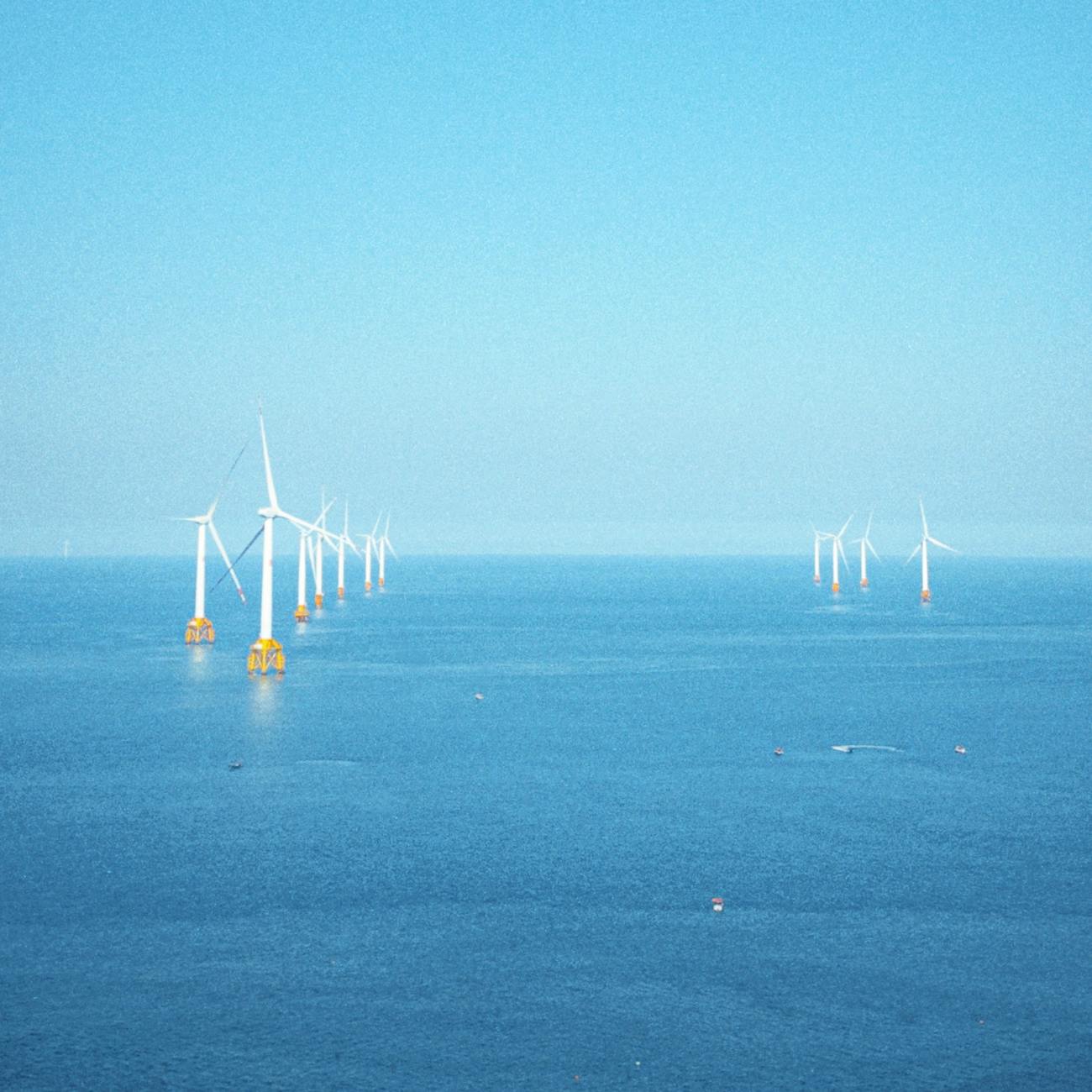
Renewable Energy Technologies (RETs) are energy generation methods that use natural resources such as sunlight, wind, rain, tides, and geothermal heat. These resources are replenished naturally and are virtually inexhaustible, making RETs sustainable and environmentally friendly alternatives to traditional fossil fuel-based energy systems. In this Professional Certificate in Renewable Energy Project Management, you will learn about various RETs and how to manage projects involving these technologies. Here are some key terms and vocabulary related to RETs that you will encounter in the course:
1. Photovoltaics (PV): PV is a technology that converts sunlight directly into electricity. PV cells, also known as solar cells, are made of semiconductor materials such as silicon, which absorb photons from sunlight and generate electron-hole pairs. PV cells are connected in series and parallel to form PV modules, which are then connected to form PV arrays. PV systems can be used for various applications, including grid-connected and off-grid systems. 2. Concentrated Solar Power (CSP): CSP is a technology that uses mirrors to concentrate sunlight and generate heat, which is then converted into electricity. CSP systems use different designs, such as parabolic troughs, linear Fresnel reflectors, and solar towers, to focus sunlight onto a receiver. The heat absorbed by the receiver is used to produce steam, which drives a turbine and generates electricity. CSP systems can also store thermal energy for later use, making them suitable for dispatchable power generation. 3. Wind Turbines: Wind turbines are devices that convert wind energy into mechanical and electrical energy. Wind turbines consist of blades that rotate around a rotor, which is connected to a generator. The rotation of the rotor generates electricity, which can be used for various applications, including grid-connected and off-grid systems. Wind turbines can be classified based on their size, design, and application. 4. Hydroelectric Power: Hydroelectric power is a technology that uses the kinetic energy of flowing water to generate electricity. Hydroelectric power systems use dams, weirs, or barrages to divert water into a turbine, which drives a generator. Hydroelectric power is a clean and renewable energy source that can provide reliable and dispatchable power. 5. Geothermal Energy: Geothermal energy is a technology that uses the heat from the Earth's interior to generate electricity or provide heating and cooling. Geothermal energy can be harnessed using different methods, such as geothermal power plants, geothermal heat pumps, and direct-use applications. Geothermal energy is a reliable and renewable energy source that can provide base-load power and reduce greenhouse gas emissions. 6. Biomass Energy: Biomass energy is a technology that uses organic matter to generate electricity, heat, or biofuels. Biomass energy can be harnessed using various feedstocks, such as wood, agricultural residues, and municipal solid waste. Biomass energy systems can be classified based on their size, design, and application. 7. Energy Storage: Energy storage is a technology that stores excess energy generated by RETs for later use. Energy storage systems can be used to balance the supply and demand of electricity, improve the reliability and quality of power, and reduce the cost of energy. Energy storage systems can be classified based on their capacity, response time, and discharge duration. 8. Grid Integration: Grid integration is the process of connecting RETs to the electrical grid. Grid integration requires the use of various technologies, such as inverters, transformers, and control systems, to ensure the safe and reliable operation of the grid. Grid integration also involves the use of communication and monitoring systems to manage the flow of electricity and maintain the stability of the grid. 9. Project Management: Project management is the process of planning, executing, and controlling projects to achieve specific goals and objectives. Project management involves the use of various tools, techniques, and methodologies to manage time, cost, quality, risk, and stakeholders. Project management is essential for the successful implementation of RETs and the achievement of renewable energy goals.
Examples:
* A 1 MW PV system can generate enough electricity to power about 200 homes in a year. * The world's largest CSP plant, the Noor Ouarzazate complex in Morocco, has a capacity of 510 MW and can provide electricity to over 1 million people. * A 2 MW wind turbine can generate enough electricity to power about 500 homes in a year. * The Three Gorges Dam in China is the largest hydroelectric power plant in the world, with a capacity of 22.5 GW and
Key takeaways
- These resources are replenished naturally and are virtually inexhaustible, making RETs sustainable and environmentally friendly alternatives to traditional fossil fuel-based energy systems.
- Grid integration requires the use of various technologies, such as inverters, transformers, and control systems, to ensure the safe and reliable operation of the grid.
- * The world's largest CSP plant, the Noor Ouarzazate complex in Morocco, has a capacity of 510 MW and can provide electricity to over 1 million people.