
Environmental Toxicology
Environmental Toxicology: Environmental toxicology is the study of the harmful effects of various chemical, physical, or biological agents on living organisms and the environment. It involves assessing the impact of these toxic substances o…
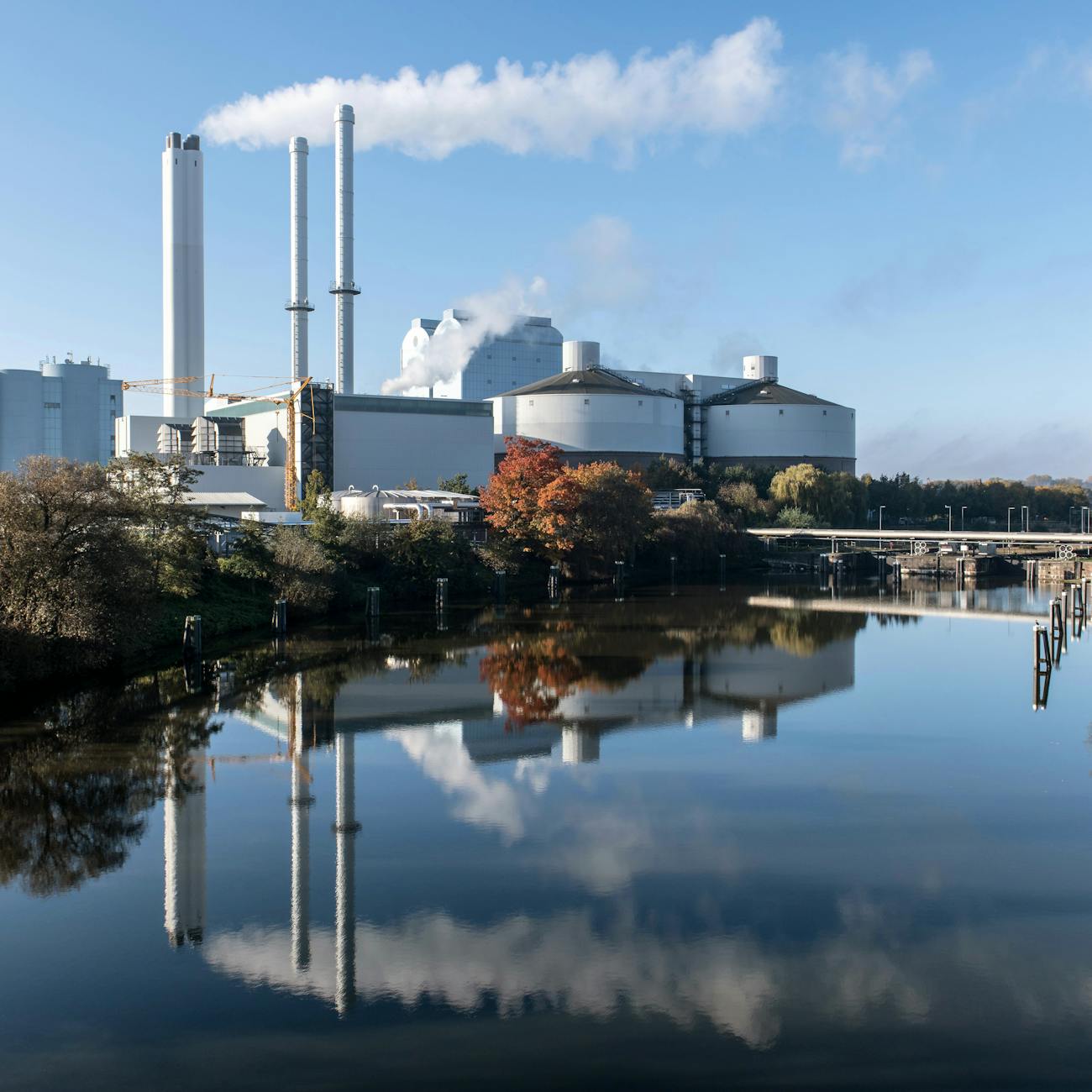
Environmental Toxicology: Environmental toxicology is the study of the harmful effects of various chemical, physical, or biological agents on living organisms and the environment. It involves assessing the impact of these toxic substances on ecosystems and human health.
Toxicogenomics: Toxicogenomics is a field that combines toxicology and genomics to understand how genes respond to toxic substances. It involves studying how genes are expressed and regulated in response to environmental toxins, providing insights into the mechanisms of toxicity.
Key Terms and Vocabulary:
1. Toxicity: Toxicity refers to the degree to which a substance can harm living organisms. It is a measure of the harmful effects of a substance on an organism or ecosystem.
2. Xenobiotics: Xenobiotics are chemical substances that are foreign to an organism, such as drugs, pesticides, and pollutants. These substances are not naturally produced or expected to be present in the organism.
3. Bioaccumulation: Bioaccumulation is the build-up of a substance in an organism over time, often at a rate faster than the organism can eliminate it. This can lead to toxic effects as the concentration of the substance increases.
4. Biomagnification: Biomagnification is the process by which certain substances become more concentrated as they move up the food chain. Organisms at higher trophic levels can accumulate higher levels of toxic substances than those at lower trophic levels.
5. Acute toxicity: Acute toxicity refers to the harmful effects of a substance that occur shortly after a single exposure or within a short period. It is typically measured by the LD50, which is the dose that is lethal to 50% of the test population.
6. Chronic toxicity: Chronic toxicity refers to the long-term harmful effects of a substance that occur after repeated or continuous exposure over an extended period. It can lead to cumulative damage to an organism over time.
7. Endocrine disruptors: Endocrine disruptors are substances that interfere with the normal functioning of the endocrine system, which regulates hormones. These chemicals can mimic or block hormone action, leading to adverse effects on development, reproduction, and metabolism.
8. Risk assessment: Risk assessment is the process of evaluating the potential harm that a toxic substance may pose to human health or the environment. It involves assessing exposure levels, toxicity data, and other factors to determine the level of risk.
9. Genotoxicity: Genotoxicity refers to the ability of a substance to damage the genetic material (DNA) of cells. Genotoxic substances can cause mutations, chromosomal abnormalities, and other genetic changes that may lead to cancer or other diseases.
10. Metabolism: Metabolism is the process by which an organism breaks down or transforms substances, such as drugs or toxins, into different compounds. It plays a crucial role in determining the toxicity and elimination of substances from the body.
11. Absorption: Absorption is the process by which a substance enters the body through various routes, such as ingestion, inhalation, or dermal contact. The rate and extent of absorption can influence the toxic effects of a substance.
12. Distribution: Distribution refers to the movement of a substance throughout the body after absorption. Factors such as blood flow, tissue binding, and lipid solubility can affect the distribution of a toxicant in the body.
13. Elimination: Elimination is the process by which a substance is removed from the body, primarily through metabolism and excretion. The rate of elimination determines how long a toxicant remains in the body and its potential for toxicity.
14. Exposure assessment: Exposure assessment is the process of estimating the amount, frequency, and duration of exposure to a toxic substance. It is essential for determining the potential risks associated with exposure to environmental contaminants.
15. Mode of action: Mode of action refers to the specific biochemical or physiological mechanisms through which a toxic substance exerts its effects on cells or organisms. Understanding the mode of action is crucial for predicting and mitigating toxicity.
16. Synergistic effects: Synergistic effects occur when the combined action of two or more substances is greater than the sum of their individual effects. This can result in increased toxicity and adverse outcomes compared to exposure to each substance alone.
17. Risk management: Risk management involves making decisions and implementing strategies to minimize or control the risks associated with exposure to toxic substances. It aims to protect human health and the environment from potential harm.
18. Ecotoxicology: Ecotoxicology is the study of the effects of toxic substances on ecosystems and the organisms within them. It focuses on understanding how pollutants impact biodiversity, food chains, and ecosystem functions.
19. Environmental fate: Environmental fate refers to the processes that determine the behavior and distribution of a substance in the environment. This includes factors such as degradation, transformation, transport, and accumulation of pollutants.
20. Toxicokinetics: Toxicokinetics is the study of the absorption, distribution, metabolism, and excretion of toxic substances in the body. It helps in understanding how chemicals move through biological systems and how they are processed.
21. Toxicodynamics: Toxicodynamics is the study of the mechanisms by which toxic substances interact with biological targets to produce toxic effects. It involves understanding how chemicals disrupt normal cellular functions and lead to adverse outcomes.
22. Dose-response relationship: The dose-response relationship describes the relationship between the dose of a toxic substance and the biological response it produces. It helps in determining the toxicity of a substance at different exposure levels.
23. Hazard identification: Hazard identification is the process of determining whether a substance has the potential to cause harm to human health or the environment. It involves evaluating the available data on toxicity, exposure, and other factors.
24. Risk characterization: Risk characterization involves integrating exposure assessment, toxicity data, and other information to estimate the potential risks associated with a particular substance. It helps in evaluating the overall risk and making informed decisions.
25. Environmental monitoring: Environmental monitoring is the process of collecting and analyzing samples from the environment to assess the levels of pollutants and their impact on ecosystems. It helps in tracking changes in environmental quality over time.
26. Adverse outcome pathway (AOP): An adverse outcome pathway is a conceptual framework that describes the sequence of events from a molecular initiating event to an adverse outcome at the organism or population level. AOPs help in understanding the mechanisms of toxicity and predicting adverse effects.
27. Hazardous waste: Hazardous waste is any waste material that poses a substantial risk to human health or the environment due to its toxicity, reactivity, flammability, or other characteristics. Proper management and disposal of hazardous waste are essential to prevent environmental contamination.
28. Persistent organic pollutants (POPs): Persistent organic pollutants are toxic chemicals that persist in the environment, bioaccumulate in organisms, and pose a threat to human health and ecosystems. Examples include pesticides, industrial chemicals, and byproducts of combustion.
29. Bioassay: A bioassay is a test used to measure the biological response of an organism to a specific substance. It can provide information on the toxicity, potency, and effects of a chemical on living systems.
30. Environmental risk assessment: Environmental risk assessment is the process of evaluating the potential risks posed by environmental contaminants to ecosystems and human health. It involves assessing exposure pathways, toxicity data, and other factors to determine the level of risk.
31. Mutagenicity: Mutagenicity refers to the ability of a substance to induce mutations in the genetic material of cells. Mutagens can cause changes in DNA sequence, leading to genetic disorders, cancer, and other adverse effects.
32. Carcinogenicity: Carcinogenicity is the ability of a substance to cause cancer in humans or animals. Carcinogens can initiate or promote the development of tumors by altering cellular processes and genetic mechanisms.
33. Risk communication: Risk communication involves sharing information about potential risks associated with exposure to toxic substances with the public, stakeholders, and decision-makers. It aims to enhance understanding, awareness, and collaboration in managing risks effectively.
34. Ecological risk assessment: Ecological risk assessment is the process of evaluating the potential risks posed by contaminants to ecosystems and wildlife. It considers factors such as exposure pathways, toxicity data, and ecological sensitivity to assess the impacts of pollutants on biodiversity.
35. Environmental remediation: Environmental remediation is the process of restoring contaminated sites to a safe and sustainable condition. It involves removing or neutralizing pollutants, minimizing risks to human health and the environment, and restoring ecosystem functions.
36. Hazardous substances: Hazardous substances are chemicals or materials that have the potential to cause harm to human health or the environment. They may be toxic, flammable, corrosive, or reactive and require special handling and disposal procedures.
37. Ecological footprint: An ecological footprint is a measure of the environmental impact of human activities in terms of the resources consumed and waste generated. It helps in assessing the sustainability of human actions and their effects on ecosystems.
38. Risk mitigation: Risk mitigation involves implementing measures to reduce or eliminate the risks associated with exposure to toxic substances. It includes strategies such as pollution prevention, exposure controls, and emergency response plans to protect human health and the environment.
39. Environmental monitoring: Environmental monitoring is the process of collecting and analyzing samples from the environment to assess the levels of pollutants and their impact on ecosystems. It helps in tracking changes in environmental quality over time.
40. Environmental management: Environmental management involves planning, implementing, and evaluating strategies to protect and sustainably use natural resources while minimizing negative impacts on the environment. It aims to achieve a balance between development and conservation.
41. Risk assessment methodologies: Risk assessment methodologies are frameworks and tools used to evaluate the potential risks associated with exposure to toxic substances. They include quantitative and qualitative approaches to assess hazards, exposures, and risks.
42. Environmental sustainability: Environmental sustainability is the ability to maintain or improve the quality of the environment while meeting the needs of current and future generations. It involves balancing economic, social, and environmental considerations to achieve long-term ecological health.
43. Environmental policy: Environmental policy refers to laws, regulations, and guidelines that govern the management and protection of the environment. It sets out goals, objectives, and measures to promote sustainable development and address environmental challenges.
44. Environmental justice: Environmental justice is the fair treatment and meaningful involvement of all people, regardless of race, ethnicity, or income, in environmental decision-making. It aims to address environmental inequalities and ensure equitable access to a healthy environment.
45. Sustainability reporting: Sustainability reporting involves disclosing information on an organization's environmental, social, and economic performance to stakeholders. It provides transparency, accountability, and opportunities for improvement in sustainability practices.
46. Green chemistry: Green chemistry is the design and development of chemical products and processes that reduce or eliminate the use and generation of hazardous substances. It promotes sustainable practices, resource efficiency, and pollution prevention in the chemical industry.
47. Ecological footprint analysis: Ecological footprint analysis is a tool used to measure the environmental impact of human activities in terms of land and resources consumed. It helps in assessing the sustainability of resource use and identifying opportunities for reducing ecological footprints.
48. Environmental ethics: Environmental ethics is a branch of philosophy that explores moral principles and values concerning the relationship between humans and the environment. It involves ethical considerations, responsibilities, and decision-making in environmental issues.
49. Greenhouse gas emissions: Greenhouse gas emissions are gases that trap heat in the Earth's atmosphere, leading to global warming and climate change. Examples include carbon dioxide, methane, and nitrous oxide, which are released from human activities such as burning fossil fuels and deforestation.
50. Biodiversity conservation: Biodiversity conservation is the protection and management of biological diversity, including species, ecosystems, and genetic resources. It aims to maintain the variety of life on Earth, support ecosystem services, and preserve natural habitats.
51. Environmental impact assessment: Environmental impact assessment is the process of evaluating the potential environmental consequences of a proposed project, development, or policy. It involves identifying, predicting, and mitigating impacts on ecosystems, resources, and communities.
52. Green building: Green building refers to the design and construction of sustainable buildings that minimize environmental impacts and promote energy efficiency. It incorporates eco-friendly materials, resource conservation, and renewable energy technologies.
53. Sustainable agriculture: Sustainable agriculture is a farming approach that promotes environmentally friendly practices, biodiversity conservation, and resource efficiency. It aims to produce food in a way that is economically viable, socially responsible, and ecologically sustainable.
54. Renewable energy: Renewable energy is energy derived from natural resources that are replenished on a human timescale, such as sunlight, wind, and water. It provides clean, sustainable alternatives to fossil fuels and helps reduce greenhouse gas emissions.
55. Environmental conservation: Environmental conservation involves the protection, preservation, and restoration of natural habitats, species, and ecosystems. It aims to maintain biodiversity, ecosystem services, and the health of the environment for future generations.
56. Sustainable development: Sustainable development is a holistic approach to meeting the needs of present and future generations while preserving the environment. It balances economic growth, social equity, and environmental protection to achieve long-term sustainability.
57. Pollution control: Pollution control involves implementing measures to reduce or prevent the release of harmful substances into the environment. It includes technologies, regulations, and practices to minimize pollution and protect human health and ecosystems.
58. Climate change mitigation: Climate change mitigation refers to efforts to reduce or prevent the emission of greenhouse gases and limit global warming. It includes strategies such as energy efficiency, renewable energy, carbon capture, and reforestation to combat climate change.
59. Ecosystem services: Ecosystem services are the benefits that humans derive from ecosystems, such as clean water, pollination, soil fertility, and climate regulation. They are essential for human well-being, economic activities, and environmental sustainability.
60. Environmental education: Environmental education is the process of raising awareness, knowledge, and skills about environmental issues, sustainability, and conservation. It aims to empower individuals and communities to make informed decisions and take action to protect the environment.
61. Waste management: Waste management is the collection, transport, processing, and disposal of waste materials in an environmentally responsible manner. It includes recycling, composting, and waste-to-energy technologies to reduce waste and minimize environmental impacts.
62. Carbon footprint: A carbon footprint is the total amount of greenhouse gases, especially carbon dioxide, emitted by an individual, organization, or activity. It is a measure of the impact on climate change and can be reduced through energy efficiency and sustainable practices.
63. Environmental modeling: Environmental modeling involves using mathematical and computational tools to simulate and predict the behavior of environmental systems. It helps in understanding complex processes, assessing risks, and making informed decisions in environmental management.
64. Conservation biology: Conservation biology is a multidisciplinary field that focuses on the study and preservation of biodiversity, ecosystems, and endangered species. It aims to address threats to biological diversity and promote sustainable conservation strategies.
65. Environmental monitoring: Environmental monitoring is the process of collecting and analyzing samples from the environment to assess the levels of pollutants and their impact on ecosystems. It helps in tracking changes in environmental quality over time.
66. Environmental impact assessment: Environmental impact assessment is the process of evaluating the potential environmental consequences of a proposed project, development, or policy. It involves identifying, predicting, and mitigating impacts on ecosystems, resources, and communities.
67. Green building: Green building refers to the design and construction of sustainable buildings that minimize environmental impacts and promote energy efficiency. It incorporates eco-friendly materials, resource conservation, and renewable energy technologies.
68. Sustainable agriculture: Sustainable agriculture is a farming approach that promotes environmentally friendly practices, biodiversity conservation, and resource efficiency. It aims to produce food in a way that is economically viable, socially responsible, and ecologically sustainable.
69. Renewable energy: Renewable energy is energy derived from natural resources that are replenished on a human timescale, such as sunlight, wind, and water. It provides clean, sustainable alternatives to fossil fuels and helps reduce greenhouse gas emissions.
70. Environmental conservation: Environmental conservation involves the protection, preservation, and restoration of natural habitats, species, and ecosystems. It aims to maintain biodiversity, ecosystem services, and the health of the environment for future generations.
71. Sustainable development: Sustainable development is a holistic approach to meeting the needs of present and future generations while preserving the environment. It balances economic growth, social equity, and environmental protection to achieve long-term sustainability.
72. Pollution control: Pollution control involves implementing measures to reduce or prevent the release of harmful substances into the environment. It includes technologies, regulations, and practices to minimize pollution and protect human health and ecosystems.
73. Climate change mitigation: Climate change mitigation refers to efforts to reduce or prevent the emission of greenhouse gases and limit global warming. It includes strategies such as energy efficiency, renewable energy, carbon capture, and reforestation to combat climate change.
74. Ecosystem services: Ecosystem services are the benefits that humans derive from ecosystems, such as clean water, pollination, soil fertility, and climate regulation. They are essential for human well-being, economic activities, and environmental sustainability.
75. Environmental education: Environmental education is the process of raising awareness, knowledge, and skills about environmental issues, sustainability, and conservation. It aims to empower individuals and communities to make informed decisions and take action to protect the environment.
76. Waste management: Waste management is the collection, transport, processing, and disposal of waste materials in an environmentally responsible manner. It includes recycling, composting, and waste-to-energy technologies to reduce waste and minimize environmental impacts.
77. Carbon footprint: A carbon footprint is the total amount of greenhouse gases, especially carbon dioxide, emitted by an individual, organization, or activity. It is a measure of the impact on climate change and can be reduced through energy efficiency and sustainable practices.
78. Environmental modeling: Environmental modeling involves using mathematical and computational tools to simulate and predict the behavior of environmental systems. It helps in understanding complex processes, assessing risks, and making informed decisions in environmental management.
79. Conservation biology: Conservation biology is a multidisciplinary field that focuses on the study and preservation of biodiversity, ecosystems, and endangered species. It aims to address threats to biological diversity and promote sustainable
Key takeaways
- Environmental Toxicology: Environmental toxicology is the study of the harmful effects of various chemical, physical, or biological agents on living organisms and the environment.
- It involves studying how genes are expressed and regulated in response to environmental toxins, providing insights into the mechanisms of toxicity.
- Toxicity: Toxicity refers to the degree to which a substance can harm living organisms.
- Xenobiotics: Xenobiotics are chemical substances that are foreign to an organism, such as drugs, pesticides, and pollutants.
- Bioaccumulation: Bioaccumulation is the build-up of a substance in an organism over time, often at a rate faster than the organism can eliminate it.
- Biomagnification: Biomagnification is the process by which certain substances become more concentrated as they move up the food chain.
- Acute toxicity: Acute toxicity refers to the harmful effects of a substance that occur shortly after a single exposure or within a short period.