
Fire Safety and Emergency Procedures
Fire Safety and Emergency Procedures
Fire Safety and Emergency Procedures
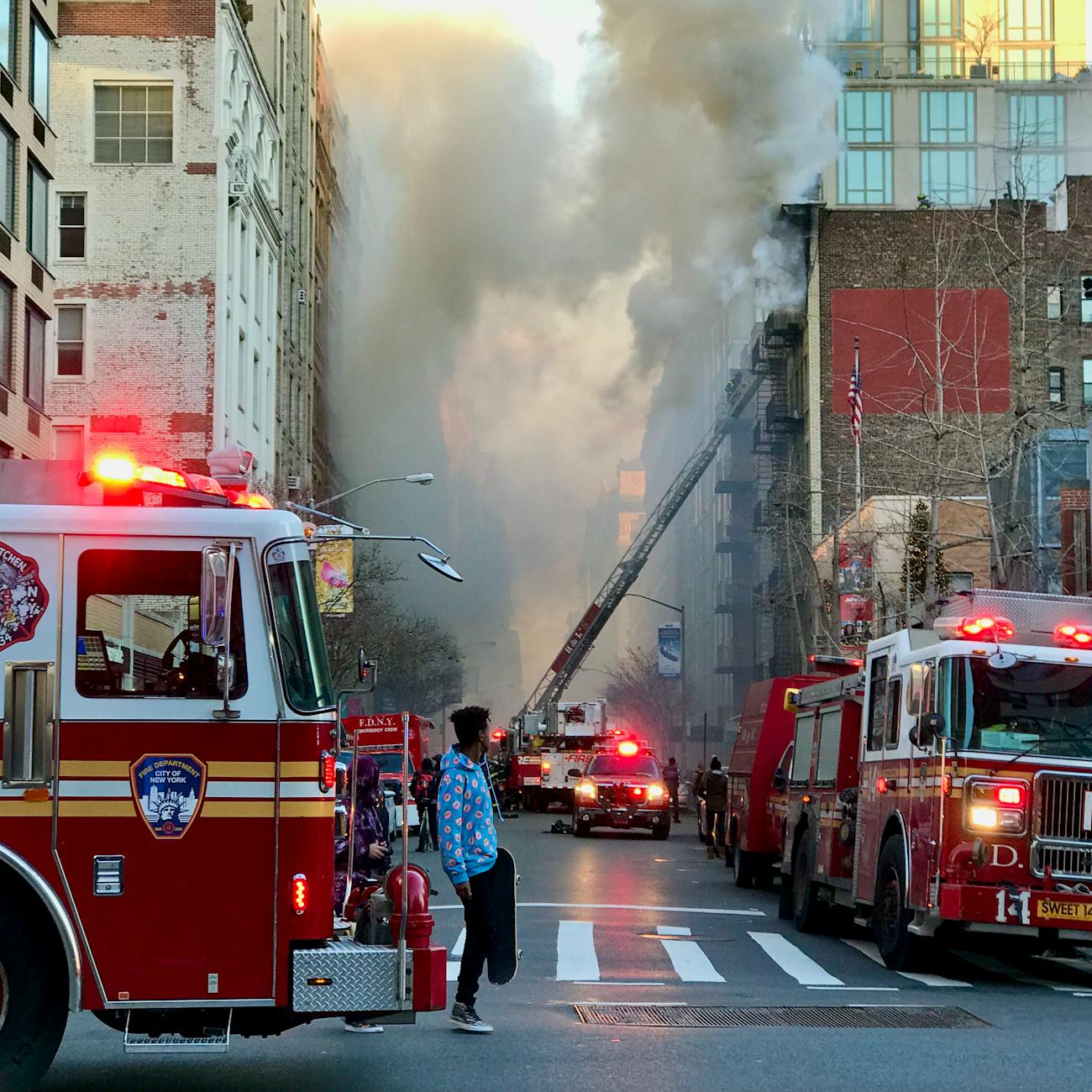
Fire safety is a critical aspect of hotel maintenance and engineering management. It is essential to have a comprehensive understanding of fire safety protocols and emergency procedures to ensure the safety of guests, staff, and property. In this course, we will explore key terms and vocabulary related to fire safety and emergency procedures to equip you with the knowledge and skills necessary to effectively respond to fire emergencies in a hotel setting.
Fire Triangle
The fire triangle is a fundamental concept in fire safety that illustrates the three elements necessary for a fire to ignite and continue burning: oxygen, heat, and fuel. Without one of these elements, a fire cannot start or sustain itself. Understanding the fire triangle is crucial for preventing and controlling fires in hotels.
Fire Prevention
Fire prevention measures are designed to reduce the risk of fires occurring in a hotel. These measures include regular maintenance of electrical systems, proper storage of flammable materials, implementation of smoking policies, and training staff on fire safety procedures. By implementing effective fire prevention strategies, hotels can minimize the likelihood of fires breaking out on their premises.
Fire Detection Systems
Fire detection systems are essential components of a hotel's fire safety infrastructure. These systems include smoke detectors, heat detectors, and fire alarms that can quickly alert occupants to the presence of a fire. Regular testing and maintenance of fire detection systems are critical to ensure they are functioning properly and can effectively detect fires in their early stages.
Fire Suppression Systems
Fire suppression systems are designed to extinguish fires or prevent their spread in a hotel. Common types of fire suppression systems include sprinkler systems, fire extinguishers, and fire blankets. These systems are strategically placed throughout the hotel to provide quick access to firefighting equipment in the event of a fire emergency.
Emergency Evacuation Plan
An emergency evacuation plan outlines the procedures to follow in the event of a fire or other emergency that requires the evacuation of a hotel. The plan includes designated evacuation routes, assembly points, and responsibilities for staff members during an evacuation. Regular drills and training sessions are essential to ensure that all staff are familiar with the evacuation plan and can respond effectively in an emergency.
Fire Warden
A fire warden is a designated individual responsible for coordinating fire safety efforts in a hotel. Fire wardens receive specialized training on fire safety procedures and are tasked with leading evacuations, conducting fire drills, and ensuring that fire safety equipment is maintained and accessible. Having well-trained fire wardens is crucial for effectively managing fire emergencies in a hotel.
Fire Safety Regulations
Fire safety regulations are laws and guidelines that hotels must adhere to in order to ensure the safety of occupants and comply with legal requirements. These regulations may include requirements for fire detection and suppression systems, emergency lighting, escape routes, and training for staff members. Failure to comply with fire safety regulations can result in fines, penalties, or even closure of the hotel.
Emergency Response Team
An emergency response team is a group of individuals within a hotel who are trained to respond to emergencies, including fires. This team may include fire wardens, first aiders, and other staff members with specialized training in emergency procedures. The emergency response team plays a crucial role in coordinating the hotel's response to emergencies and ensuring the safety of guests and staff.
Fire Drill
A fire drill is a simulated exercise conducted in a hotel to test the effectiveness of its emergency evacuation procedures. During a fire drill, staff and guests are instructed to evacuate the building as they would in a real fire emergency. Fire drills help to identify any weaknesses in the evacuation plan and provide an opportunity to practice response procedures in a controlled environment.
Emergency Lighting
Emergency lighting is a critical component of a hotel's fire safety infrastructure. In the event of a power outage during a fire emergency, emergency lighting provides illumination in exit routes and other critical areas to guide occupants to safety. Regular testing and maintenance of emergency lighting systems are essential to ensure they are operational when needed.
Fire Safety Training
Fire safety training is essential for all staff members in a hotel to ensure they are prepared to respond effectively to fire emergencies. Training should cover topics such as fire prevention, evacuation procedures, operation of fire safety equipment, and communication during emergencies. Ongoing training and refresher courses are necessary to keep staff members informed of the latest fire safety protocols.
Fire Extinguisher
A fire extinguisher is a portable device used to extinguish small fires in their early stages. Fire extinguishers contain a specific type of extinguishing agent, such as water, foam, dry chemical, or CO2, that is discharged onto the fire to suppress it. Staff members should receive training on how to properly use fire extinguishers and be familiar with the locations of extinguishers throughout the hotel.
Fire Alarm System
A fire alarm system is a network of interconnected devices that detect and alert occupants to the presence of a fire. Fire alarm systems typically include smoke detectors, heat detectors, manual pull stations, and audible alarms. When a fire is detected, the system activates alarms throughout the hotel to notify occupants to evacuate the building.
Fire Safety Inspection
Fire safety inspections are conducted regularly in hotels to assess compliance with fire safety regulations and identify any hazards or deficiencies that may pose a risk of fire. Inspections may be carried out by local fire authorities, insurance companies, or third-party inspectors. Corrective actions must be taken promptly to address any issues identified during a fire safety inspection.
Emergency Communication System
An emergency communication system is a method of disseminating information to occupants during a fire emergency. This system may include public address systems, emergency notification devices, and visual alerts to communicate evacuation instructions and other critical information. Effective communication systems are essential for ensuring that occupants can respond quickly and safely during an emergency.
Fire Risk Assessment
A fire risk assessment is a systematic evaluation of the potential fire hazards in a hotel and the effectiveness of existing fire safety measures. The assessment identifies areas of concern, such as flammable materials, faulty electrical wiring, or inadequate escape routes, and recommends actions to mitigate these risks. Regular fire risk assessments are essential to maintain a high level of fire safety in a hotel.
Fire Safety Plan
A fire safety plan is a comprehensive document that outlines the fire safety procedures, protocols, and responsibilities in a hotel. The plan includes information on fire detection and suppression systems, emergency evacuation routes, assembly points, and contact information for emergency services. All staff members should be familiar with the fire safety plan and receive training on its implementation.
Emergency Exit
Emergency exits are designated routes that occupants can use to evacuate a building during a fire emergency. These exits are clearly marked with illuminated exit signs and lead to safe assembly points outside the building. It is essential to keep emergency exits clear of obstructions and ensure that they are easily accessible to all occupants at all times.
Fire Safety Coordinator
A fire safety coordinator is a designated individual responsible for overseeing fire safety initiatives in a hotel. The coordinator is responsible for developing and implementing fire safety policies, conducting fire safety training for staff, coordinating fire drills and evacuation procedures, and ensuring compliance with fire safety regulations. The fire safety coordinator plays a crucial role in maintaining a safe environment for guests and staff.
Fire Door
A fire door is a specially designed door that is constructed to prevent the spread of fire and smoke between compartments in a building. Fire doors are equipped with fire-resistant materials, seals, and self-closing mechanisms to provide a barrier against fire and protect escape routes. Maintaining fire doors in good condition is essential to their effectiveness in containing fires.
Fire Safety Signage
Fire safety signage includes signs and labels that provide essential information to occupants during a fire emergency. This signage may include exit signs, fire extinguisher locations, emergency contact numbers, and evacuation routes. Clear and visible fire safety signage is crucial for guiding occupants to safety and ensuring they can quickly access necessary information during an emergency.
Fire Marshal
A fire marshal is a trained individual responsible for overseeing fire safety efforts in a hotel and coordinating responses to fire emergencies. Fire marshals receive specialized training on fire prevention, detection, and suppression techniques and work closely with fire wardens and emergency response teams to ensure a coordinated and effective response to fires. Fire marshals play a key role in maintaining a high level of fire safety in hotels.
Fire Safety Equipment
Fire safety equipment includes a wide range of devices and systems designed to prevent, detect, and suppress fires in a hotel. This equipment may include fire alarms, sprinkler systems, fire extinguishers, emergency lighting, smoke detectors, and fire blankets. Regular maintenance and testing of fire safety equipment are essential to ensure it is in good working condition and can effectively respond to fire emergencies.
Emergency Response Plan
An emergency response plan outlines the procedures to follow in various emergency scenarios, including fires, medical emergencies, natural disasters, and other critical incidents. The plan includes protocols for notifying emergency services, evacuating occupants, securing the building, and addressing other emergency response tasks. Regular review and updates to the emergency response plan are necessary to ensure it remains current and effective.
Fire Safety Training
Fire safety training is essential for all staff members in a hotel to ensure they are prepared to respond effectively to fire emergencies. Training should cover topics such as fire prevention, evacuation procedures, operation of fire safety equipment, and communication during emergencies. Ongoing training and refresher courses are necessary to keep staff members informed of the latest fire safety protocols.
Fire Extinguisher
A fire extinguisher is a portable device used to extinguish small fires in their early stages. Fire extinguishers contain a specific type of extinguishing agent, such as water, foam, dry chemical, or CO2, that is discharged onto the fire to suppress it. Staff members should receive training on how to properly use fire extinguishers and be familiar with the locations of extinguishers throughout the hotel.
Fire Alarm System
A fire alarm system is a network of interconnected devices that detect and alert occupants to the presence of a fire. Fire alarm systems typically include smoke detectors, heat detectors, manual pull stations, and audible alarms. When a fire is detected, the system activates alarms throughout the hotel to notify occupants to evacuate the building.
Fire Safety Inspection
Fire safety inspections are conducted regularly in hotels to assess compliance with fire safety regulations and identify any hazards or deficiencies that may pose a risk of fire. Inspections may be carried out by local fire authorities, insurance companies, or third-party inspectors. Corrective actions must be taken promptly to address any issues identified during a fire safety inspection.
Emergency Communication System
An emergency communication system is a method of disseminating information to occupants during a fire emergency. This system may include public address systems, emergency notification devices, and visual alerts to communicate evacuation instructions and other critical information. Effective communication systems are essential for ensuring that occupants can respond quickly and safely during an emergency.
Fire Risk Assessment
A fire risk assessment is a systematic evaluation of the potential fire hazards in a hotel and the effectiveness of existing fire safety measures. The assessment identifies areas of concern, such as flammable materials, faulty electrical wiring, or inadequate escape routes, and recommends actions to mitigate these risks. Regular fire risk assessments are essential to maintain a high level of fire safety in a hotel.
Fire Safety Plan
A fire safety plan is a comprehensive document that outlines the fire safety procedures, protocols, and responsibilities in a hotel. The plan includes information on fire detection and suppression systems, emergency evacuation routes, assembly points, and contact information for emergency services. All staff members should be familiar with the fire safety plan and receive training on its implementation.
Emergency Exit
Emergency exits are designated routes that occupants can use to evacuate a building during a fire emergency. These exits are clearly marked with illuminated exit signs and lead to safe assembly points outside the building. It is essential to keep emergency exits clear of obstructions and ensure that they are easily accessible to all occupants at all times.
Fire Safety Coordinator
A fire safety coordinator is a designated individual responsible for overseeing fire safety initiatives in a hotel. The coordinator is responsible for developing and implementing fire safety policies, conducting fire safety training for staff, coordinating fire drills and evacuation procedures, and ensuring compliance with fire safety regulations. The fire safety coordinator plays a crucial role in maintaining a safe environment for guests and staff.
Fire Door
A fire door is a specially designed door that is constructed to prevent the spread of fire and smoke between compartments in a building. Fire doors are equipped with fire-resistant materials, seals, and self-closing mechanisms to provide a barrier against fire and protect escape routes. Maintaining fire doors in good condition is essential to their effectiveness in containing fires.
Fire Safety Signage
Fire safety signage includes signs and labels that provide essential information to occupants during a fire emergency. This signage may include exit signs, fire extinguisher locations, emergency contact numbers, and evacuation routes. Clear and visible fire safety signage is crucial for guiding occupants to safety and ensuring they can quickly access necessary information during an emergency.
Fire Marshal
A fire marshal is a trained individual responsible for overseeing fire safety efforts in a hotel and coordinating responses to fire emergencies. Fire marshals receive specialized training on fire prevention, detection, and suppression techniques and work closely with fire wardens and emergency response teams to ensure a coordinated and effective response to fires. Fire marshals play a key role in maintaining a high level of fire safety in hotels.
Fire Safety Equipment
Fire safety equipment includes a wide range of devices and systems designed to prevent, detect, and suppress fires in a hotel. This equipment may include fire alarms, sprinkler systems, fire extinguishers, emergency lighting, smoke detectors, and fire blankets. Regular maintenance and testing of fire safety equipment are essential to ensure it is in good working condition and can effectively respond to fire emergencies.
Emergency Response Plan
An emergency response plan outlines the procedures to follow in various emergency scenarios, including fires, medical emergencies, natural disasters, and other critical incidents. The plan includes protocols for notifying emergency services, evacuating occupants, securing the building, and addressing other emergency response tasks. Regular review and updates to the emergency response plan are necessary to ensure it remains current and effective.
Key takeaways
- In this course, we will explore key terms and vocabulary related to fire safety and emergency procedures to equip you with the knowledge and skills necessary to effectively respond to fire emergencies in a hotel setting.
- The fire triangle is a fundamental concept in fire safety that illustrates the three elements necessary for a fire to ignite and continue burning: oxygen, heat, and fuel.
- These measures include regular maintenance of electrical systems, proper storage of flammable materials, implementation of smoking policies, and training staff on fire safety procedures.
- Regular testing and maintenance of fire detection systems are critical to ensure they are functioning properly and can effectively detect fires in their early stages.
- These systems are strategically placed throughout the hotel to provide quick access to firefighting equipment in the event of a fire emergency.
- Regular drills and training sessions are essential to ensure that all staff are familiar with the evacuation plan and can respond effectively in an emergency.
- Fire wardens receive specialized training on fire safety procedures and are tasked with leading evacuations, conducting fire drills, and ensuring that fire safety equipment is maintained and accessible.