
Brand Identity Design
Brand Identity Design: Brand Identity Design is the process of creating a visual representation of a brand that communicates its values, personality, and unique selling propositions. It involves designing the visual elements that make up a …
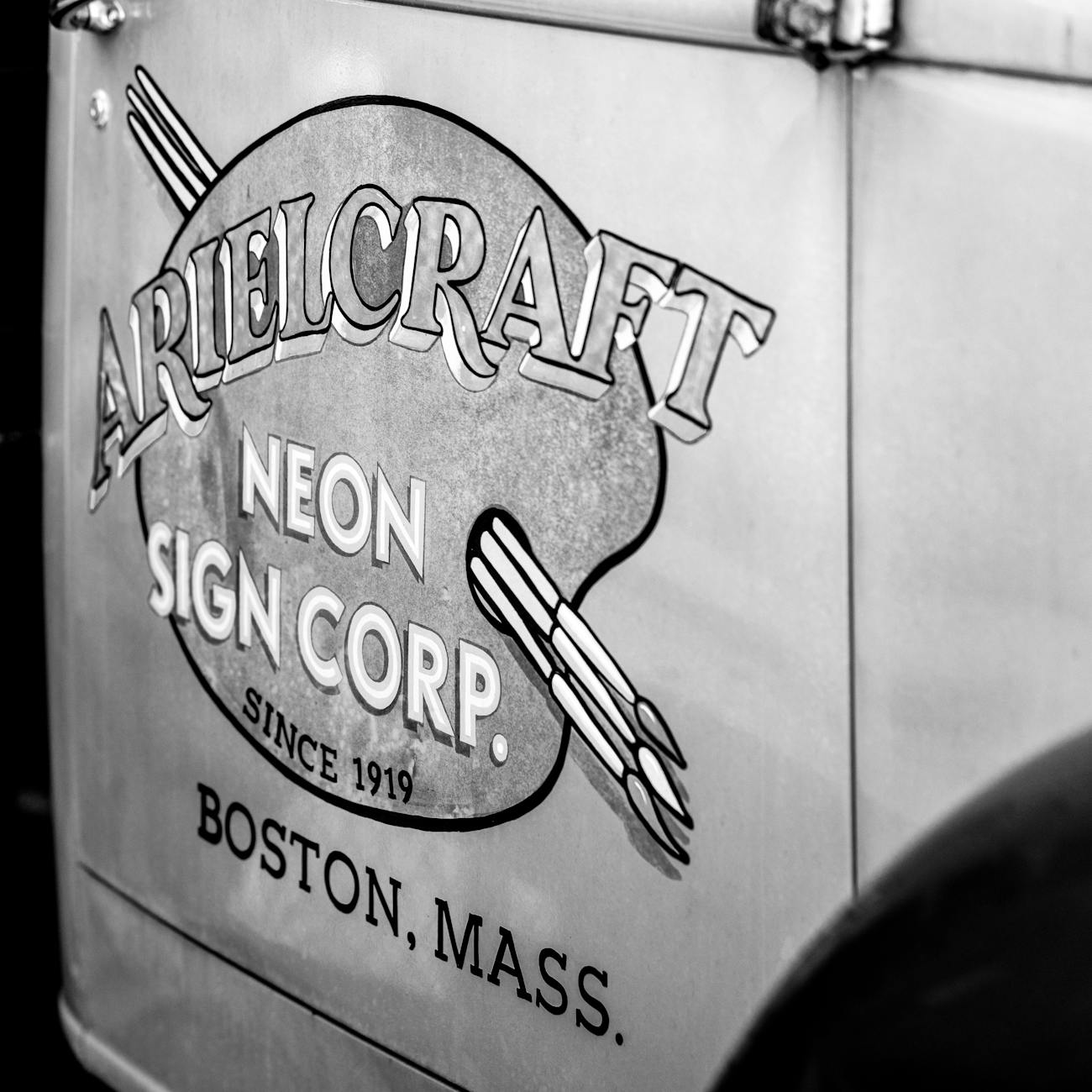
Brand Identity Design: Brand Identity Design is the process of creating a visual representation of a brand that communicates its values, personality, and unique selling propositions. It involves designing the visual elements that make up a brand's identity, such as logos, color schemes, typography, and other design elements. Brand Identity Design is crucial for creating a strong and memorable brand that stands out in a crowded marketplace.
Key Terms:
1. Brand: A brand is a set of associations and perceptions that consumers have about a product, service, or company. It is what sets a product or service apart from its competitors and influences consumer decisions.
2. Identity: Identity refers to the visual and verbal elements that represent a brand, including logos, color schemes, typography, and messaging. It is how a brand presents itself to the world and how consumers recognize and remember it.
3. Design: Design is the process of creating visual and aesthetic elements that communicate a message or evoke an emotional response. In Brand Identity Design, design elements are used to create a cohesive and visually appealing representation of a brand.
4. Visual Elements: Visual elements are the components of a brand's identity that can be seen, such as logos, color schemes, typography, and imagery. These elements play a crucial role in creating a brand's visual identity and conveying its values and personality.
5. Logo: A logo is a graphic mark, emblem, or symbol used to identify a brand. It is often the most recognizable element of a brand's identity and is used on all marketing materials, products, and communications.
6. Color Scheme: A color scheme is a set of colors chosen to represent a brand. Colors can evoke different emotions and associations, so selecting the right color scheme is essential in Brand Identity Design.
7. Typography: Typography refers to the style, size, and arrangement of text used in a brand's identity. It plays a crucial role in conveying a brand's personality and message.
8. Messaging: Messaging refers to the language and tone used in a brand's communications. It includes slogans, taglines, and other written content that conveys the brand's values and positioning.
9. Unique Selling Proposition (USP): A Unique Selling Proposition is a feature or benefit that sets a product or service apart from its competitors. It is a key element in brand positioning and messaging.
10. Brand Personality: Brand Personality is a set of human characteristics attributed to a brand. It helps consumers relate to and connect with the brand on an emotional level.
11. Brand Positioning: Brand Positioning refers to the place a brand occupies in the minds of consumers relative to its competitors. It is how a brand is perceived by its target audience and is influenced by its unique selling propositions.
12. Brand Guidelines: Brand Guidelines are a set of rules and standards that govern how a brand's visual and verbal identity should be used. They ensure consistency and coherence across all brand communications.
13. Brand Equity: Brand Equity is the value of a brand as perceived by consumers. It reflects the brand's reputation, customer loyalty, and overall strength in the marketplace.
Practical Applications:
Brand Identity Design plays a crucial role in creating a strong and memorable brand that resonates with consumers. Here are some practical applications of Brand Identity Design:
- Developing a new brand identity for a startup company to differentiate it from competitors and establish a strong market presence. - Rebranding an existing company to update its image, appeal to a new target audience, or reflect changes in its products or services. - Creating a brand identity for a new product or service launch to generate excitement and interest among consumers. - Designing a brand identity for a corporate event or conference to create a cohesive and professional look and feel. - Establishing brand guidelines to ensure consistency in how the brand is presented across all communication channels.
Challenges:
While Brand Identity Design can be a powerful tool for creating a strong brand, there are several challenges that brands may face in the process:
- Ensuring consistency across all brand communications and touchpoints, especially in today's digital age where brands interact with consumers through multiple channels. - Balancing the need for a unique and memorable brand identity with the need to adhere to industry standards and conventions. - Creating a brand identity that resonates with a diverse and global audience, taking into account cultural differences and preferences. - Evolving the brand identity over time to stay relevant and appeal to changing consumer trends and preferences. - Managing brand equity and reputation to ensure that the brand identity reflects positively on the brand and builds trust with consumers.
In conclusion, Brand Identity Design is a critical component of brand building and plays a significant role in shaping how consumers perceive and interact with a brand. By carefully designing and implementing a brand identity that reflects the brand's values, personality, and unique selling propositions, brands can differentiate themselves in the marketplace, build customer loyalty, and drive business success.
Key takeaways
- Brand Identity Design: Brand Identity Design is the process of creating a visual representation of a brand that communicates its values, personality, and unique selling propositions.
- Brand: A brand is a set of associations and perceptions that consumers have about a product, service, or company.
- Identity: Identity refers to the visual and verbal elements that represent a brand, including logos, color schemes, typography, and messaging.
- Design: Design is the process of creating visual and aesthetic elements that communicate a message or evoke an emotional response.
- Visual Elements: Visual elements are the components of a brand's identity that can be seen, such as logos, color schemes, typography, and imagery.
- It is often the most recognizable element of a brand's identity and is used on all marketing materials, products, and communications.
- Colors can evoke different emotions and associations, so selecting the right color scheme is essential in Brand Identity Design.