
Supply Chain Operations
Supply Chain Operations:
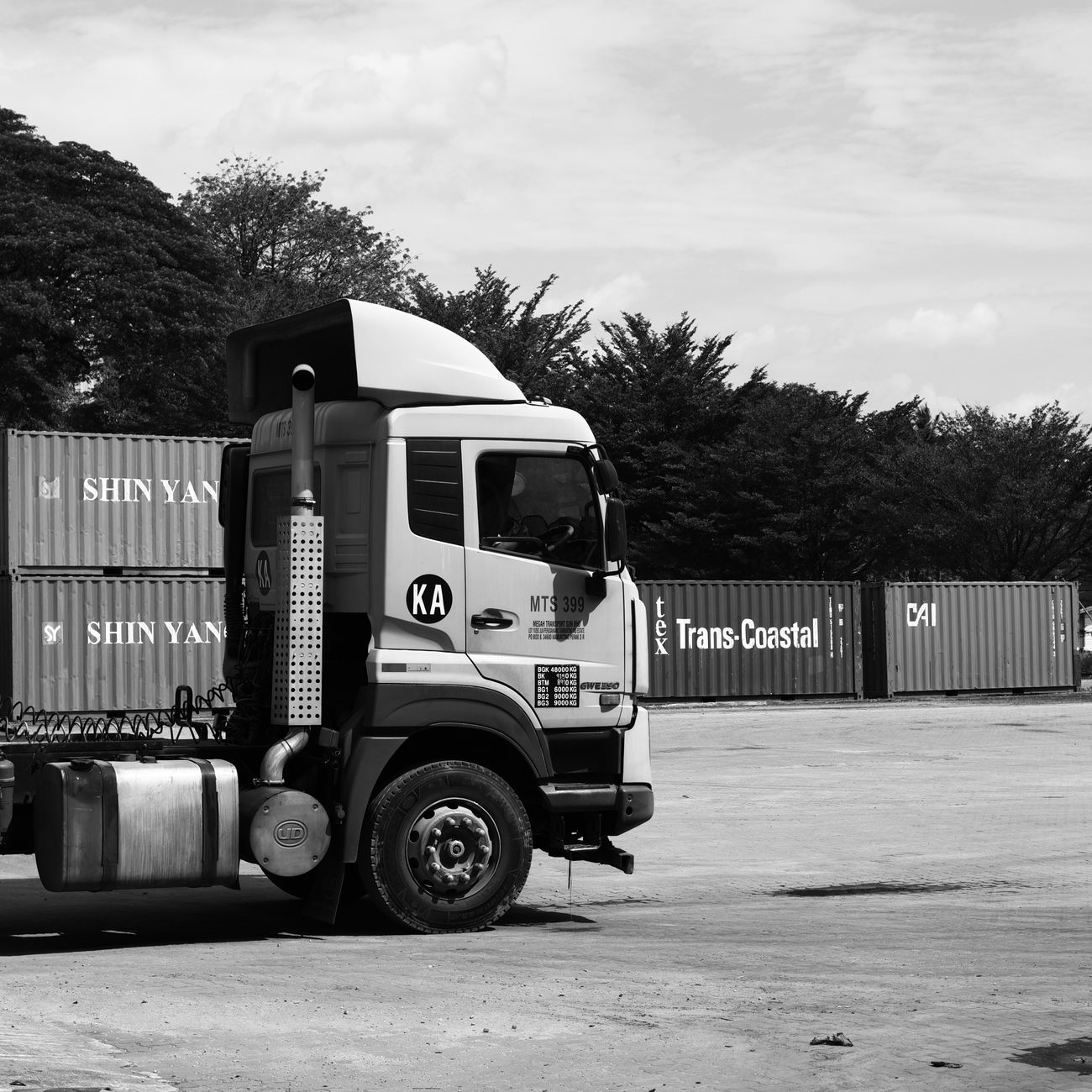
Supply Chain Operations:
Supply Chain: A supply chain refers to the network of organizations, people, activities, information, and resources involved in moving a product or service from supplier to customer. It encompasses all the steps in the process from raw materials to the final product reaching the end consumer.
Logistics: Logistics is a key component of supply chain management that involves the planning, implementation, and control of the efficient flow and storage of goods, services, and related information from point of origin to point of consumption. It includes activities such as transportation, warehousing, inventory management, and order fulfillment.
Operations: Operations in the context of supply chain management refer to the day-to-day activities involved in the production, storage, and distribution of goods and services. It includes processes such as procurement, manufacturing, and delivery to customers.
Key Terms and Vocabulary:
1. Demand Forecasting: Demand forecasting is the process of estimating future customer demand for a product or service based on historical data, market trends, and other relevant factors. It helps organizations to plan their production and inventory levels effectively.
Example: A retail company uses demand forecasting to predict the popularity of certain products during different seasons to ensure they have enough stock to meet customer demand.
2. Inventory Management: Inventory management involves overseeing the flow of goods into and out of a company's inventory. It includes maintaining optimal stock levels, tracking inventory turnover, and minimizing carrying costs.
Example: An e-commerce company uses inventory management software to track products in real-time and reorder items when stock levels are low to prevent stockouts.
3. Just-in-Time (JIT) Inventory: Just-in-Time inventory is a strategy where companies keep minimal inventory levels and only order goods from suppliers when needed. This approach reduces carrying costs and improves efficiency but requires precise demand forecasting and reliable suppliers.
Example: A car manufacturer uses JIT inventory to receive parts from suppliers exactly when they are needed on the production line, minimizing storage costs and waste.
4. Supplier Relationship Management (SRM): Supplier Relationship Management is the process of building and maintaining strong relationships with suppliers to ensure a reliable supply of high-quality goods and services. It involves communication, collaboration, and performance evaluation.
Example: A manufacturing company works closely with its key suppliers to negotiate favorable terms, share information, and collaborate on product development to improve quality and reduce costs.
5. Lead Time: Lead time is the amount of time it takes for an order to be fulfilled from the moment it is placed until the goods are received. It includes order processing, manufacturing, transportation, and delivery times.
Example: A furniture retailer considers lead time when planning its inventory levels to ensure products arrive in time for peak sales periods.
6. Supply Chain Risk Management: Supply chain risk management involves identifying, assessing, and mitigating potential risks that could disrupt the flow of goods and services within the supply chain. Risks can include natural disasters, political instability, supplier failures, and demand fluctuations.
Example: A food company diversifies its supplier base to reduce the risk of disruption due to a single supplier's failure or a supply chain disruption.
7. Key Performance Indicators (KPIs): Key Performance Indicators are metrics used to evaluate the performance of a supply chain operation. Common KPIs include on-time delivery, inventory turnover, order fulfillment rate, and cost per unit.
Example: A distribution center monitors KPIs such as order accuracy and warehouse utilization to improve operational efficiency and customer satisfaction.
8. Cross-Docking: Cross-docking is a logistics practice where incoming goods are directly transferred from inbound to outbound trucks with minimal or no storage time. It helps to reduce handling costs, improve order fulfillment speed, and streamline the supply chain.
Example: A distribution center uses cross-docking to sort and consolidate shipments for different store locations before loading them onto delivery trucks for immediate transport.
9. Supply Chain Collaboration: Supply chain collaboration involves cooperation between different entities within the supply chain, such as suppliers, manufacturers, distributors, and retailers, to share information, resources, and best practices to improve overall performance.
Example: A technology company collaborates with suppliers and logistics partners to streamline processes, reduce lead times, and enhance product quality to meet customer demands effectively.
10. Reverse Logistics: Reverse logistics refers to the process of managing the return, repair, recycling, or disposal of products after they have been delivered to customers. It involves handling product recalls, warranty repairs, and end-of-life product disposal.
Example: An electronics manufacturer implements a reverse logistics program to refurbish and recycle returned products to minimize waste and recover valuable materials.
Challenges in Supply Chain Operations:
1. Supply Chain Complexity: Managing a global supply chain with multiple suppliers, transportation routes, and distribution channels can lead to increased complexity and challenges in coordinating operations effectively.
2. Demand Volatility: Fluctuations in customer demand due to changing market conditions, seasonal trends, or unexpected events can make demand forecasting and inventory management more challenging.
3. Supply Chain Disruptions: Disruptions such as natural disasters, political unrest, supplier bankruptcies, or transportation delays can disrupt supply chain operations and lead to inventory shortages, production delays, and increased costs.
4. Cost Pressures: Pressure to reduce costs while maintaining high service levels can pose a challenge for supply chain operations, requiring organizations to optimize processes, negotiate better terms with suppliers, and improve efficiency.
5. Technology Integration: Adopting new technologies such as artificial intelligence, blockchain, and Internet of Things (IoT) in supply chain operations can improve visibility, efficiency, and decision-making but requires investment, training, and integration with existing systems.
6. Sustainability and Ethical Practices: Increasing focus on sustainability, environmental responsibility, and ethical sourcing practices in supply chain operations requires companies to align with regulations, consumer expectations, and industry standards while balancing cost and social responsibility.
7. Talent Shortage: A shortage of skilled professionals in supply chain management, logistics, and operations can hinder organizations' ability to innovate, optimize processes, and adapt to changing market dynamics.
8. Cybersecurity Risks: As supply chains become more digitally interconnected, the risk of cyber threats such as data breaches, ransomware attacks, and supply chain disruptions due to IT failures or hacking poses a significant challenge for supply chain operations.
In conclusion, supply chain operations encompass a wide range of activities, processes, and challenges that organizations must navigate to ensure the efficient flow of goods and services from suppliers to customers. By understanding key terms, implementing best practices, and addressing common challenges, companies can optimize their supply chain operations, improve performance, and meet customer demands effectively.
Key takeaways
- Supply Chain: A supply chain refers to the network of organizations, people, activities, information, and resources involved in moving a product or service from supplier to customer.
- It includes activities such as transportation, warehousing, inventory management, and order fulfillment.
- Operations: Operations in the context of supply chain management refer to the day-to-day activities involved in the production, storage, and distribution of goods and services.
- Demand Forecasting: Demand forecasting is the process of estimating future customer demand for a product or service based on historical data, market trends, and other relevant factors.
- Example: A retail company uses demand forecasting to predict the popularity of certain products during different seasons to ensure they have enough stock to meet customer demand.
- Inventory Management: Inventory management involves overseeing the flow of goods into and out of a company's inventory.
- Example: An e-commerce company uses inventory management software to track products in real-time and reorder items when stock levels are low to prevent stockouts.