
Sterilization Technologies
Sterilization Technologies
Sterilization Technologies
Sterilization is a critical process in the pharmaceutical and healthcare industries to ensure that products are free from viable microorganisms. In aseptic processing, where sterile conditions are maintained during the manufacturing of sterile products, sterilization technologies play a crucial role. Understanding the key terms and vocabulary associated with sterilization technologies is essential for professionals working in aseptic processing. Let's explore some of the key terms in this field:
1. Sterilization: Sterilization is the process of killing or removing all forms of microbial life, including bacteria, viruses, fungi, and spores. The goal of sterilization is to achieve a sterility assurance level (SAL) of 10^-6, which means that there is no more than one chance in a million of a viable microorganism being present on a product.
2. Aseptic Processing: Aseptic processing is a technique used to maintain a sterile environment during the manufacturing of sterile products. This involves controlling contamination by preventing microbial ingress into the product or the manufacturing environment.
3. Sterilization Validation: Sterilization validation is the process of demonstrating that a sterilization process is effective in achieving the desired level of sterility. This involves establishing the parameters for sterilization, conducting validation studies, and documenting the results.
4. Sterilization Cycle: A sterilization cycle is the complete process of sterilizing a product or equipment, including pre-conditioning, exposure to the sterilizing agent, and post-sterilization procedures.
5. Sterilization Agent: The sterilization agent is the substance or method used to achieve sterilization. Common sterilization agents include steam, ethylene oxide, gamma radiation, hydrogen peroxide, and dry heat.
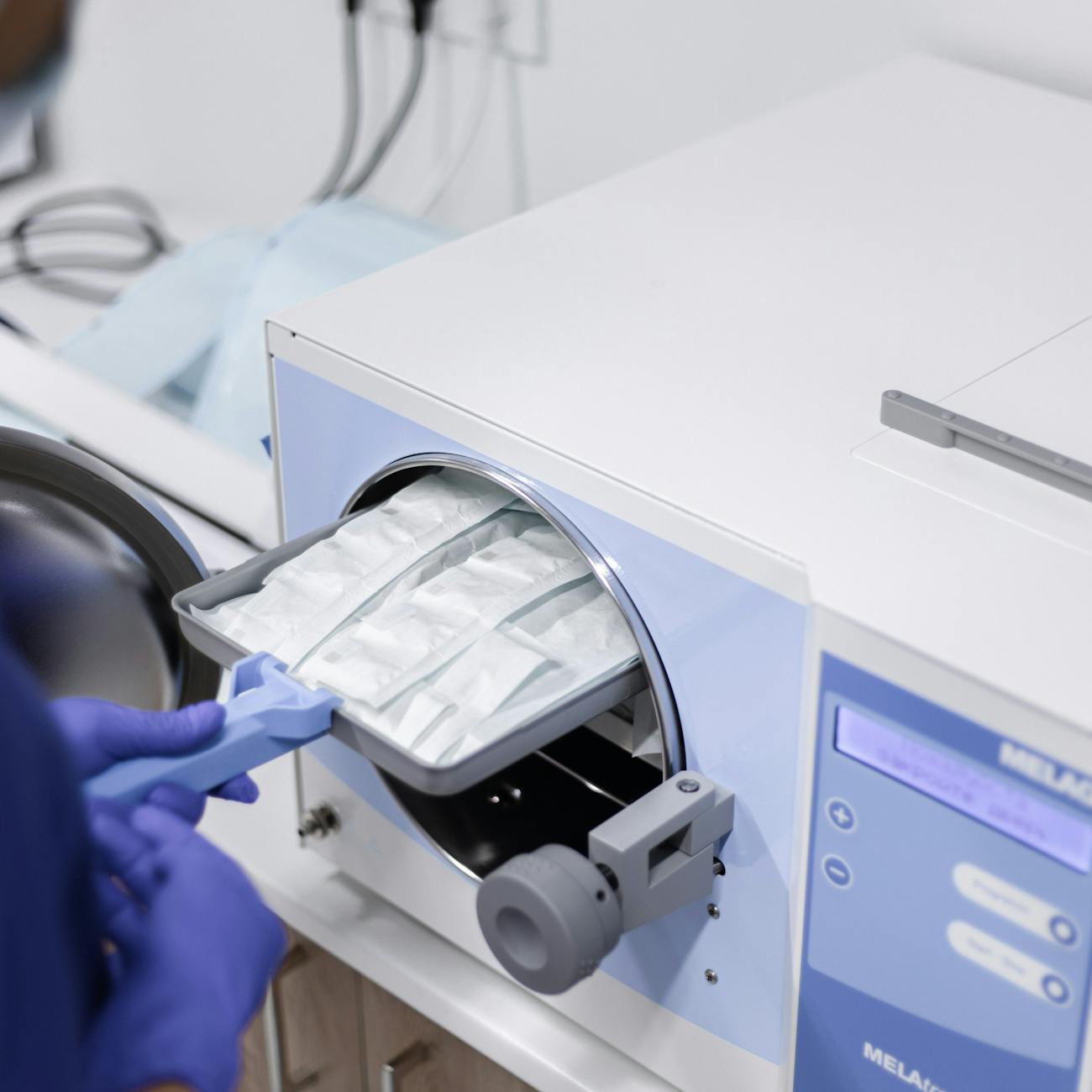
6. Steam Sterilization: Steam sterilization, also known as autoclaving, is a widely used method of sterilization that uses saturated steam under pressure to kill microorganisms. Steam sterilization is effective, reliable, and suitable for a wide range of materials.
7. Ethylene Oxide Sterilization: Ethylene oxide sterilization is a gas-based method used for sterilizing heat-sensitive medical devices and pharmaceutical products. Ethylene oxide gas penetrates materials to kill microorganisms, but it requires aeration to remove residual gas.
8. Gamma Radiation Sterilization: Gamma radiation sterilization uses high-energy gamma rays from a radioactive source to kill microorganisms. This method is commonly used for sterilizing single-use medical devices and pharmaceutical products.
9. Hydrogen Peroxide Sterilization: Hydrogen peroxide sterilization is a low-temperature method that uses vaporized hydrogen peroxide to kill microorganisms. This method is suitable for heat-sensitive materials and equipment.
10. Dry Heat Sterilization: Dry heat sterilization uses hot air or inert gases to kill microorganisms. This method is suitable for heat-stable materials but requires longer exposure times compared to other sterilization methods.
11. Biological Indicators: Biological indicators are test organisms used to monitor the effectiveness of a sterilization process. These organisms are highly resistant to sterilization methods and are used to validate the sterility of products.
12. Sterility Assurance Level (SAL): The sterility assurance level is the probability of a viable microorganism being present on a product after sterilization. A SAL of 10^-6 is commonly used in pharmaceutical and healthcare industries.
13. Validation Studies: Validation studies are conducted to demonstrate the effectiveness of a sterilization process. These studies involve determining the critical parameters for sterilization, conducting tests, and analyzing the results to ensure compliance with regulatory requirements.
14. Cycle Development: Cycle development is the process of establishing the parameters for a sterilization cycle, including time, temperature, pressure, and exposure to the sterilizing agent. This process is critical for ensuring the effectiveness of sterilization.
15. Regulatory Compliance: Regulatory compliance refers to adherence to regulations and guidelines set by regulatory authorities, such as the FDA or EMA, regarding sterilization processes. Compliance with these regulations is essential for ensuring product safety and efficacy.
16. Process Validation: Process validation is the process of establishing objective evidence that a process consistently produces a result meeting predetermined specifications. This is essential for ensuring the quality and effectiveness of sterilization processes.
17. Cross-Contamination: Cross-contamination is the transfer of microorganisms from one product or surface to another, leading to contamination. Preventing cross-contamination is essential in aseptic processing to maintain sterile conditions.
18. Cleanroom: A cleanroom is a controlled environment with a low level of environmental pollutants, such as dust, aerosol particles, and microbes. Cleanrooms are essential for aseptic processing to maintain sterile conditions.
19. Isolator Technology: Isolator technology is a containment system used to isolate a process or product from the surrounding environment. Isolators are used in aseptic processing to prevent contamination and maintain sterility.
20. Environmental Monitoring: Environmental monitoring involves the sampling and analysis of the air, surfaces, and personnel in a cleanroom to assess the level of microbial contamination. This is essential for maintaining sterile conditions.
21. Rapid Sterility Testing: Rapid sterility testing is a method used to assess the sterility of products in a shorter time compared to traditional methods. Rapid sterility testing can provide real-time results and help expedite product release.
22. Sterility Testing: Sterility testing is a process used to determine the presence or absence of viable microorganisms in a product. This test is essential for confirming the effectiveness of sterilization processes and ensuring product sterility.
23. Decontamination: Decontamination is the process of removing or reducing microbial contamination from surfaces, equipment, or products. Decontamination procedures are essential for maintaining sterile conditions in aseptic processing.
24. Sterile Barrier Systems: Sterile barrier systems are packaging systems designed to maintain the sterility of products until they are ready for use. These systems prevent microbial ingress and contamination during storage and transportation.
25. Quality Assurance: Quality assurance refers to the systematic process of ensuring that products meet specified quality standards. In aseptic processing, quality assurance plays a critical role in maintaining product safety and efficacy.
26. Risk Assessment: Risk assessment is the process of identifying, evaluating, and mitigating risks associated with a process or product. Conducting risk assessments is essential for identifying potential sources of contamination in aseptic processing.
27. Process Monitoring: Process monitoring involves the continuous assessment of critical parameters during a sterilization process to ensure that the process is operating within specified limits. Monitoring parameters such as temperature, pressure, and time is essential for maintaining effective sterilization.
28. Contamination Control: Contamination control involves implementing measures to prevent the introduction of microorganisms into a product or process. Contamination control strategies are essential for maintaining sterile conditions in aseptic processing.
29. Single-Use Systems: Single-use systems are disposable components used in aseptic processing to minimize the risk of contamination. Single-use systems eliminate the need for cleaning and sterilization of reusable equipment, reducing the risk of cross-contamination.
30. Risk Mitigation: Risk mitigation involves implementing measures to reduce or eliminate risks identified during risk assessments. This may include process improvements, procedural changes, or the use of additional controls to minimize the risk of contamination.
In conclusion, understanding the key terms and vocabulary associated with sterilization technologies is essential for professionals working in aseptic processing. By familiarizing themselves with these terms, professionals can effectively communicate, implement, and validate sterilization processes to ensure product safety and efficacy. Effective sterilization is a cornerstone of aseptic processing, and mastering the terminology in this field is crucial for success in the pharmaceutical and healthcare industries.
Key takeaways
- In aseptic processing, where sterile conditions are maintained during the manufacturing of sterile products, sterilization technologies play a crucial role.
- The goal of sterilization is to achieve a sterility assurance level (SAL) of 10^-6, which means that there is no more than one chance in a million of a viable microorganism being present on a product.
- Aseptic Processing: Aseptic processing is a technique used to maintain a sterile environment during the manufacturing of sterile products.
- Sterilization Validation: Sterilization validation is the process of demonstrating that a sterilization process is effective in achieving the desired level of sterility.
- Sterilization Cycle: A sterilization cycle is the complete process of sterilizing a product or equipment, including pre-conditioning, exposure to the sterilizing agent, and post-sterilization procedures.
- Common sterilization agents include steam, ethylene oxide, gamma radiation, hydrogen peroxide, and dry heat.
- Steam Sterilization: Steam sterilization, also known as autoclaving, is a widely used method of sterilization that uses saturated steam under pressure to kill microorganisms.