
IoT Applications in Supply Chain
Internet of Things (IoT) The Internet of Things (IoT) refers to the network of physical devices, vehicles, home appliances, and other items embedded with sensors, software, and connectivity that enables them to collect and exchange data. Th…
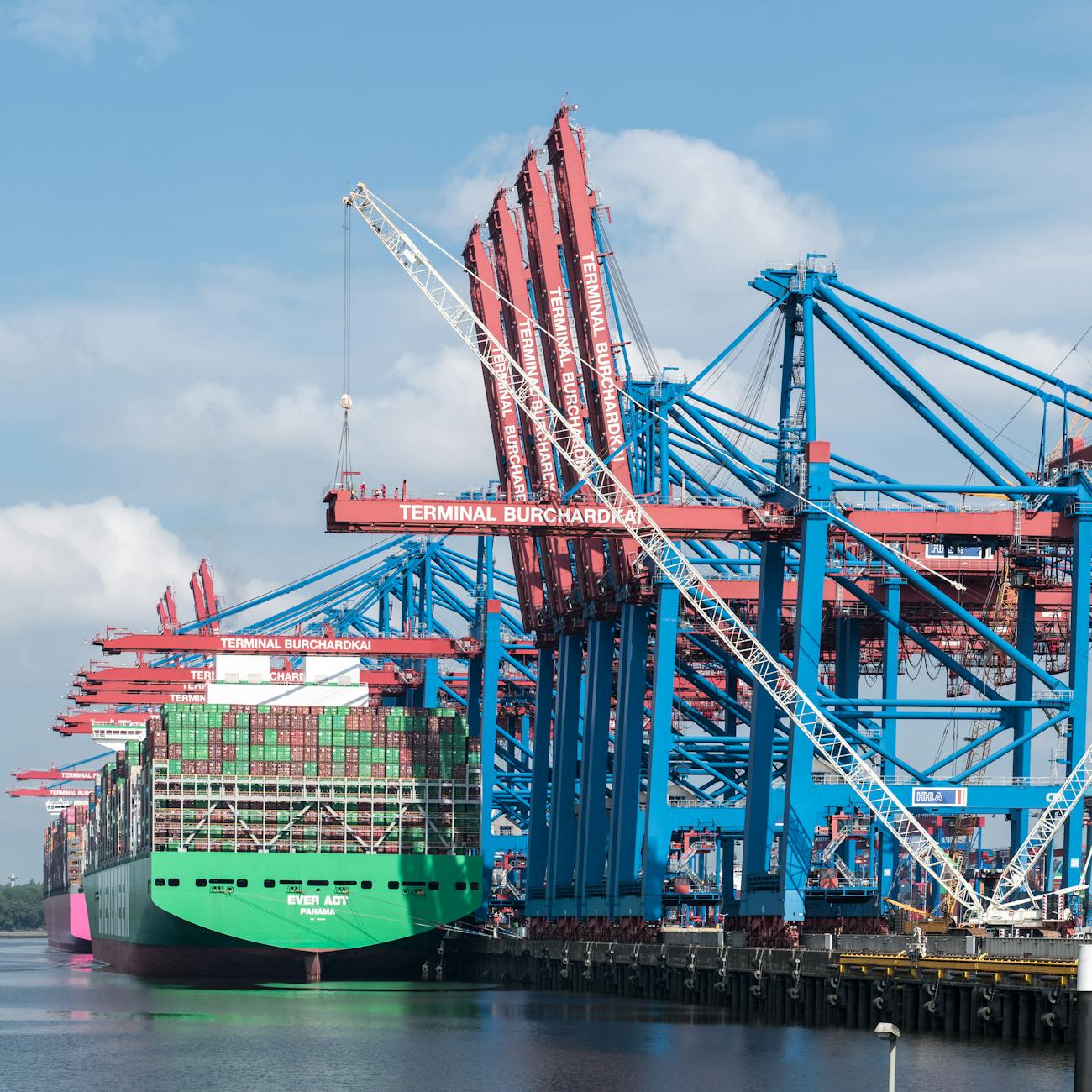
Internet of Things (IoT) The Internet of Things (IoT) refers to the network of physical devices, vehicles, home appliances, and other items embedded with sensors, software, and connectivity that enables them to collect and exchange data. These devices can communicate with each other and with centralized systems to make intelligent decisions based on the data they collect.
Supply Chain A supply chain is a network of organizations, people, activities, information, and resources involved in moving a product or service from supplier to customer. It encompasses the flow of goods, services, and information from the point of origin to the point of consumption.
IoT Applications in Supply Chain The IoT applications in supply chain involve the use of IoT technology to improve visibility, efficiency, and decision-making in supply chain operations. By incorporating IoT devices and sensors into the supply chain, organizations can track products, monitor conditions, optimize routes, and enhance overall performance.
Key Terms and Vocabulary
1. Asset Tracking Asset tracking is the process of monitoring the location, status, and movement of physical assets within a supply chain. IoT devices such as RFID tags and GPS trackers are used to track assets in real-time, providing visibility and control over inventory and equipment.
2. RFID (Radio Frequency Identification) RFID is a technology that uses radio waves to identify and track tags attached to objects. In supply chain management, RFID tags can be used to track products, containers, and assets throughout the supply chain, enabling real-time visibility and automated data capture.
3. Sensor Networks Sensor networks consist of interconnected sensors that collect data on physical or environmental conditions. In supply chain applications, sensor networks can monitor temperature, humidity, pressure, and other parameters to ensure product quality, safety, and compliance.
4. Predictive Maintenance Predictive maintenance uses IoT sensors and data analytics to predict when equipment is likely to fail so that maintenance can be performed proactively. By implementing predictive maintenance in the supply chain, organizations can minimize downtime, reduce costs, and improve operational efficiency.
5. Real-time Monitoring Real-time monitoring involves continuously tracking and analyzing data as it is generated. In supply chain management, real-time monitoring allows organizations to react quickly to changes, identify issues, and make informed decisions based on up-to-date information.
6. Smart Warehousing Smart warehousing incorporates IoT technology to automate and optimize warehouse operations. IoT devices such as smart shelves, drones, and robots can improve inventory management, picking accuracy, and warehouse efficiency.
7. Blockchain Technology Blockchain technology is a decentralized and secure digital ledger that records transactions across a network of computers. In supply chain applications, blockchain can enhance transparency, traceability, and security by creating an immutable record of transactions and product movements.
8. Data Analytics Data analytics involves analyzing and interpreting data to gain insights and make informed decisions. In supply chain management, data analytics can help optimize processes, identify trends, and improve overall performance by leveraging IoT-generated data.
9. Cloud Computing Cloud computing enables organizations to store, access, and analyze data over the internet instead of on local servers. In supply chain applications, cloud computing facilitates real-time data sharing, scalability, and collaboration among stakeholders.
10. Inventory Optimization Inventory optimization aims to minimize inventory levels while ensuring product availability and customer satisfaction. IoT-enabled inventory management systems can optimize stock levels, reduce carrying costs, and prevent stockouts by providing real-time visibility into inventory levels and demand patterns.
11. Supply Chain Visibility Supply chain visibility refers to the ability to track and monitor products, shipments, and processes across the supply chain. IoT technologies such as GPS tracking, sensors, and IoT platforms provide real-time visibility, enabling organizations to proactively manage supply chain operations.
12. Demand Forecasting Demand forecasting uses historical data, market trends, and predictive analytics to estimate future demand for products. By leveraging IoT data and analytics, organizations can improve demand forecasting accuracy, reduce stockouts, and optimize inventory levels.
13. Smart Packaging Smart packaging incorporates IoT sensors and devices into product packaging to monitor product condition, location, and authenticity. Smart packaging can enhance product safety, reduce counterfeiting, and provide real-time information to stakeholders throughout the supply chain.
14. Supply Chain Optimization Supply chain optimization involves streamlining processes, reducing costs, and improving efficiency throughout the supply chain. IoT applications such as predictive analytics, real-time monitoring, and automation can drive supply chain optimization by identifying bottlenecks, optimizing routes, and enhancing decision-making.
15. Reverse Logistics Reverse logistics encompasses the processes involved in handling returned products, recycling, and disposal. IoT technology can improve reverse logistics by tracking returned items, optimizing returns processes, and reducing waste through better visibility and control over reverse supply chain operations.
16. Condition Monitoring Condition monitoring involves tracking and analyzing the condition of assets, equipment, and products in real-time. IoT sensors can monitor parameters such as temperature, vibration, and moisture to detect anomalies, prevent failures, and ensure product quality throughout the supply chain.
17. Supply Chain Resilience Supply chain resilience refers to the ability of a supply chain to withstand disruptions and recover quickly from unforeseen events. IoT technologies can enhance supply chain resilience by providing real-time visibility, risk assessment, and mitigation strategies to minimize the impact of disruptions.
18. Smart Contracts Smart contracts are self-executing contracts with the terms of the agreement written into lines of code. In supply chain management, smart contracts can automate and secure transactions between parties, track product movements, and enforce agreements using blockchain technology.
19. Environmental Monitoring Environmental monitoring involves tracking and analyzing environmental conditions such as air quality, water quality, and emissions. IoT sensors can monitor environmental parameters in supply chain operations to ensure compliance with regulations, reduce environmental impact, and promote sustainability.
20. Supply Chain Security Supply chain security focuses on protecting supply chain assets, data, and operations from threats and vulnerabilities. IoT technologies such as biometric authentication, encryption, and blockchain can enhance supply chain security by securing data, preventing unauthorized access, and detecting security breaches.
21. Edge Computing Edge computing refers to processing data near the source of generation instead of relying on centralized cloud servers. In supply chain applications, edge computing can reduce latency, improve data processing speed, and enable real-time decision-making by processing data closer to IoT devices and sensors.
22. Fleet Management Fleet management involves overseeing and optimizing the operation of a fleet of vehicles or assets. IoT solutions can enhance fleet management by tracking vehicle location, fuel consumption, driver behavior, and maintenance schedules, leading to improved efficiency and cost savings.
23. Supply Chain Collaboration Supply chain collaboration involves sharing information, resources, and processes among supply chain partners to achieve common goals. IoT technologies can facilitate supply chain collaboration by enabling real-time data sharing, communication, and coordination among stakeholders to improve visibility and responsiveness.
24. Quality Control Quality control focuses on ensuring product quality and compliance with standards throughout the supply chain. IoT sensors and devices can monitor product quality, detect defects, and trigger alerts to prevent quality issues, improve customer satisfaction, and reduce rework.
25. Compliance Management Compliance management involves adhering to regulatory requirements, industry standards, and internal policies within the supply chain. IoT solutions can automate compliance monitoring, track regulatory changes, and ensure adherence to standards by providing real-time visibility and audit trails of compliance activities.
26. Supply Chain Traceability Supply chain traceability refers to the ability to track and trace the origin, movement, and destination of products throughout the supply chain. IoT technologies such as RFID, GPS tracking, and blockchain can enhance supply chain traceability by providing accurate and transparent records of product flows and transactions.
27. Inventory Management System An inventory management system is a software application that tracks and manages inventory levels, orders, and stock movements. IoT-enabled inventory management systems can automate inventory tracking, replenishment, and forecasting to optimize stock levels, reduce costs, and improve inventory accuracy.
28. Product Lifecycle Management Product lifecycle management involves managing the entire lifecycle of a product from design to disposal. IoT technologies can enhance product lifecycle management by providing real-time data on product usage, performance, and maintenance to optimize product design, production, and service processes.
29. Supply Chain Integration Supply chain integration involves connecting and coordinating activities across different functions, departments, and organizations within the supply chain. IoT solutions can facilitate supply chain integration by enabling seamless data sharing, communication, and collaboration among supply chain partners to improve efficiency and visibility.
30. Autonomous Logistics Autonomous logistics refers to the use of autonomous vehicles, drones, and robots to automate and optimize logistics operations. IoT technology can enable autonomous logistics by providing real-time data on routes, traffic conditions, and delivery schedules to improve efficiency, reduce costs, and enhance safety in supply chain operations.
Key takeaways
- These devices can communicate with each other and with centralized systems to make intelligent decisions based on the data they collect.
- Supply Chain A supply chain is a network of organizations, people, activities, information, and resources involved in moving a product or service from supplier to customer.
- IoT Applications in Supply Chain The IoT applications in supply chain involve the use of IoT technology to improve visibility, efficiency, and decision-making in supply chain operations.
- IoT devices such as RFID tags and GPS trackers are used to track assets in real-time, providing visibility and control over inventory and equipment.
- In supply chain management, RFID tags can be used to track products, containers, and assets throughout the supply chain, enabling real-time visibility and automated data capture.
- In supply chain applications, sensor networks can monitor temperature, humidity, pressure, and other parameters to ensure product quality, safety, and compliance.
- Predictive Maintenance Predictive maintenance uses IoT sensors and data analytics to predict when equipment is likely to fail so that maintenance can be performed proactively.