
Orofacial Pain Treatment Modalities
Orofacial Pain: Orofacial pain refers to any discomfort experienced in the mouth, face, or jaw area. This type of pain can be caused by a variety of factors, including dental issues, nerve damage, muscle tension, or systemic health conditio…
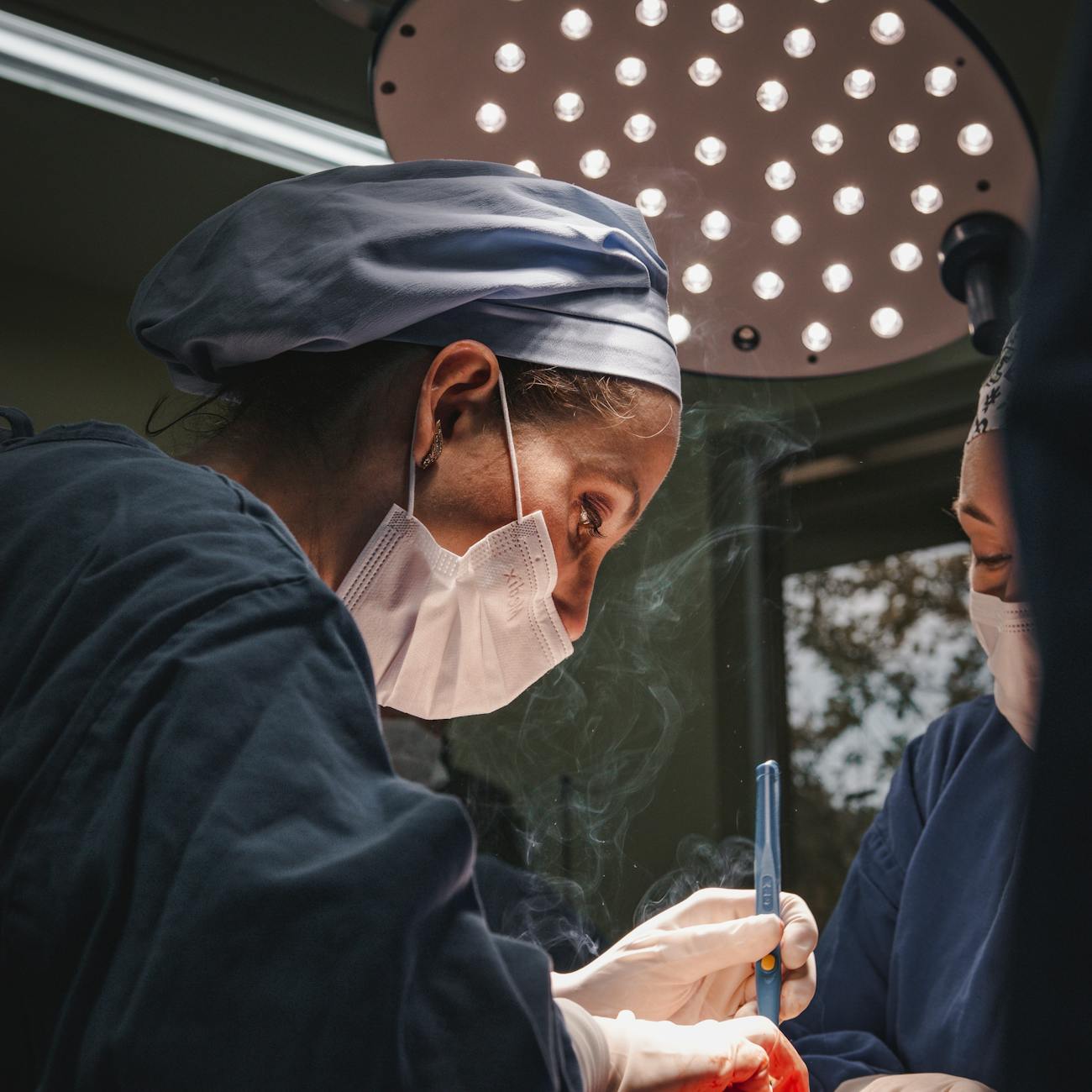
Orofacial Pain: Orofacial pain refers to any discomfort experienced in the mouth, face, or jaw area. This type of pain can be caused by a variety of factors, including dental issues, nerve damage, muscle tension, or systemic health conditions. Orofacial pain can be acute or chronic and can range from mild to severe. It is essential to accurately diagnose and treat orofacial pain to improve the patient's quality of life.
Pain Management: Pain management involves the assessment, diagnosis, and treatment of pain to improve the patient's quality of life. In orofacial pain management, healthcare professionals use a variety of modalities to help patients alleviate discomfort and restore normal function in the mouth, face, or jaw area.
Treatment Modalities: Treatment modalities are the different approaches and techniques used in orofacial pain management to address pain and improve the patient's well-being. These modalities can include pharmacological treatments, physical therapies, behavioral interventions, and surgical procedures. The choice of treatment modality depends on the specific cause and severity of the orofacial pain.
Pharmacological Treatments: Pharmacological treatments involve the use of medications to manage orofacial pain. There are several classes of drugs commonly used in orofacial pain management, including analgesics, anti-inflammatories, muscle relaxants, antidepressants, and anticonvulsants. These medications can help alleviate pain, reduce inflammation, and improve the patient's overall comfort.
Analgesics: Analgesics are medications that help relieve pain. Common analgesics used in orofacial pain management include acetaminophen, nonsteroidal anti-inflammatory drugs (NSAIDs), and opioids. These drugs work by blocking pain signals in the brain or reducing inflammation in the affected area.
Anti-inflammatories: Anti-inflammatory drugs help reduce inflammation and swelling in the orofacial region, which can contribute to pain. NSAIDs such as ibuprofen and aspirin are commonly used to manage orofacial pain caused by inflammation. These drugs can help alleviate discomfort and improve the patient's ability to eat, speak, and perform daily activities.
Muscle Relaxants: Muscle relaxants are medications that help reduce muscle tension and spasm in the orofacial region. These drugs can be beneficial for patients experiencing orofacial pain due to temporomandibular joint disorders or muscle dysfunction. By relaxing the muscles, these medications can help alleviate pain and improve jaw function.
Antidepressants: Antidepressants are medications commonly used in orofacial pain management to help regulate pain perception and mood. Tricyclic antidepressants such as amitriptyline and selective serotonin reuptake inhibitors (SSRIs) like fluoxetine can be effective in treating chronic orofacial pain. These drugs can help reduce pain intensity and improve the patient's overall well-being.
Anticonvulsants: Anticonvulsant medications are often used to manage neuropathic pain in the orofacial region. Drugs such as gabapentin and pregabalin can help reduce nerve-related pain and improve the patient's quality of life. These medications work by stabilizing nerve activity and reducing abnormal pain signals.
Physical Therapies: Physical therapies play a crucial role in orofacial pain management by addressing muscle tension, joint dysfunction, and postural issues that contribute to pain. Common physical therapies used in orofacial pain management include manual therapy, exercise programs, ultrasound therapy, and electrical stimulation. These therapies aim to improve muscle strength, flexibility, and coordination to alleviate pain and restore normal function.
Manual Therapy: Manual therapy involves hands-on techniques performed by healthcare professionals to address muscle tension and joint dysfunction in the orofacial region. Therapists may use techniques such as massage, mobilization, or manipulation to improve muscle flexibility, reduce pain, and restore proper jaw function. Manual therapy can be beneficial for patients with temporomandibular joint disorders or muscle-related orofacial pain.
Exercise Programs: Exercise programs are designed to improve muscle strength, flexibility, and coordination in the orofacial region. Patients with orofacial pain may benefit from specific exercises targeting the jaw, neck, and facial muscles to reduce pain and improve function. These programs are often tailored to the individual's needs and may include stretching, strengthening, and relaxation exercises.
Ultrasound Therapy: Ultrasound therapy uses high-frequency sound waves to stimulate tissue healing and reduce inflammation in the orofacial region. This non-invasive treatment can help alleviate pain, improve circulation, and promote tissue repair. Ultrasound therapy is often used in conjunction with other physical therapies to enhance the overall effectiveness of treatment.
Electrical Stimulation: Electrical stimulation involves the use of electrical currents to stimulate nerves and muscles in the orofacial region. This therapy can help reduce pain, improve muscle function, and promote tissue healing. Electrical stimulation may be used in patients with neuropathic pain, muscle weakness, or post-surgical orofacial pain to enhance recovery and improve outcomes.
Behavioral Interventions: Behavioral interventions are essential in orofacial pain management to address psychological factors that contribute to pain perception and coping strategies. Common behavioral interventions used in orofacial pain management include cognitive-behavioral therapy (CBT), biofeedback, relaxation techniques, and stress management. These interventions aim to improve the patient's emotional well-being, reduce pain intensity, and enhance treatment outcomes.
Cognitive-Behavioral Therapy (CBT): Cognitive-behavioral therapy is a psychological intervention that helps patients identify and modify negative thoughts and behaviors related to pain. By changing maladaptive beliefs and coping strategies, CBT can help reduce pain intensity, improve function, and enhance the patient's quality of life. CBT is often used in conjunction with other treatments to address the multidimensional nature of orofacial pain.
Biofeedback: Biofeedback is a technique that helps patients learn to control physiological responses such as muscle tension, heart rate, and skin temperature. By providing real-time feedback on these responses, patients can develop self-regulation skills to reduce pain and stress. Biofeedback can be beneficial for patients with orofacial pain related to muscle tension or stress-related conditions.
Relaxation Techniques: Relaxation techniques such as deep breathing, progressive muscle relaxation, and guided imagery can help patients manage pain and stress in the orofacial region. These techniques promote relaxation, reduce muscle tension, and improve the patient's overall well-being. Relaxation techniques can be used as standalone interventions or in combination with other treatments to enhance pain management outcomes.
Stress Management: Stress management strategies are essential in orofacial pain management to address the impact of stress on pain perception and coping mechanisms. Techniques such as mindfulness meditation, yoga, and cognitive reframing can help patients reduce stress levels, improve emotional well-being, and alleviate orofacial pain. Stress management should be integrated into the overall treatment plan to optimize outcomes.
Surgical Procedures: Surgical procedures may be necessary in some cases of orofacial pain where conservative treatments have not been effective. Surgical interventions aim to address structural abnormalities, nerve compression, or joint dysfunction that contribute to pain. Common surgical procedures in orofacial pain management include arthrocentesis, arthroscopy, nerve decompression, and joint replacement. Surgical options should be considered carefully and discussed with the patient to ensure optimal outcomes.
Arthrocentesis: Arthrocentesis is a minimally invasive surgical procedure used to treat temporomandibular joint disorders by flushing out inflammatory substances and debris from the joint. This procedure can help reduce pain, improve jaw function, and restore normal joint mechanics. Arthrocentesis is often performed under local anesthesia in an outpatient setting and has a low risk of complications.
Arthroscopy: Arthroscopy is a surgical procedure that involves inserting a small camera and instruments into the temporomandibular joint to diagnose and treat structural abnormalities. This minimally invasive technique allows surgeons to visualize the joint, remove adhesions, and repair damaged tissues. Arthroscopy can help improve joint function, reduce pain, and restore normal jaw movement in patients with temporomandibular joint disorders.
Nerve Decompression: Nerve decompression is a surgical procedure used to relieve pressure on compressed nerves in the orofacial region. This procedure can help alleviate neuropathic pain, numbness, and tingling caused by nerve compression. Nerve decompression may be considered for patients with trigeminal neuralgia, facial neuropathies, or nerve entrapment syndromes to improve symptoms and quality of life.
Joint Replacement: Joint replacement surgery may be recommended for patients with severe degenerative joint disease or joint dysfunction in the orofacial region. This procedure involves removing the damaged joint and replacing it with an artificial joint to restore function and alleviate pain. Joint replacement can help improve jaw mobility, reduce discomfort, and enhance the patient's ability to eat and speak.
Challenges in Orofacial Pain Management: Orofacial pain management presents several challenges for healthcare professionals due to the complex nature of pain and the multidimensional factors that contribute to its development. Some of the key challenges in orofacial pain management include accurate diagnosis, individualized treatment planning, patient education, and interdisciplinary collaboration.
Accurate Diagnosis: Accurately diagnosing the underlying cause of orofacial pain is crucial for effective treatment. Orofacial pain can have various etiologies, including dental issues, nerve damage, muscle dysfunction, or systemic conditions. Healthcare professionals must conduct a thorough evaluation, including a comprehensive history, physical examination, imaging studies, and diagnostic tests, to identify the root cause of pain and tailor treatment accordingly.
Individualized Treatment Planning: Each patient with orofacial pain presents with unique symptoms, underlying conditions, and treatment preferences. Healthcare professionals must develop individualized treatment plans that address the specific needs and goals of the patient. This may involve a combination of pharmacological treatments, physical therapies, behavioral interventions, and surgical procedures tailored to the individual's condition and response to treatment.
Patient Education: Patient education is essential in orofacial pain management to empower patients to take an active role in their care and make informed decisions about treatment. Healthcare professionals should educate patients about the underlying causes of orofacial pain, treatment options, self-management strategies, and expected outcomes. By providing clear and accurate information, patients can better understand their condition and participate in their recovery process.
Interdisciplinary Collaboration: Orofacial pain management often requires collaboration among healthcare professionals from different specialties, including dentistry, oral and maxillofacial surgery, neurology, physical therapy, psychology, and pain medicine. Interdisciplinary teams can provide comprehensive care that addresses the physical, emotional, and psychological aspects of orofacial pain. Collaborating with colleagues from various disciplines can help optimize treatment outcomes and improve the patient's overall well-being.
Conclusion: In conclusion, orofacial pain management involves a multidisciplinary approach to assess, diagnose, and treat pain in the mouth, face, or jaw area. Healthcare professionals use a variety of treatment modalities, including pharmacological treatments, physical therapies, behavioral interventions, and surgical procedures, to help patients alleviate discomfort and improve function. By addressing the underlying causes of pain and implementing individualized treatment plans, healthcare professionals can enhance the patient's quality of life and promote long-term well-being. Challenges in orofacial pain management, such as accurate diagnosis, individualized treatment planning, patient education, and interdisciplinary collaboration, require careful consideration to optimize treatment outcomes and provide comprehensive care to patients.
Key takeaways
- This type of pain can be caused by a variety of factors, including dental issues, nerve damage, muscle tension, or systemic health conditions.
- In orofacial pain management, healthcare professionals use a variety of modalities to help patients alleviate discomfort and restore normal function in the mouth, face, or jaw area.
- Treatment Modalities: Treatment modalities are the different approaches and techniques used in orofacial pain management to address pain and improve the patient's well-being.
- There are several classes of drugs commonly used in orofacial pain management, including analgesics, anti-inflammatories, muscle relaxants, antidepressants, and anticonvulsants.
- Common analgesics used in orofacial pain management include acetaminophen, nonsteroidal anti-inflammatory drugs (NSAIDs), and opioids.
- Anti-inflammatories: Anti-inflammatory drugs help reduce inflammation and swelling in the orofacial region, which can contribute to pain.
- These drugs can be beneficial for patients experiencing orofacial pain due to temporomandibular joint disorders or muscle dysfunction.