
Supply Chain Analytics
Supply Chain Analytics is a critical component of modern retail operations, enabling companies to optimize their supply chain processes, reduce costs, improve efficiency, and enhance customer satisfaction. In the Advanced Professional Certi…
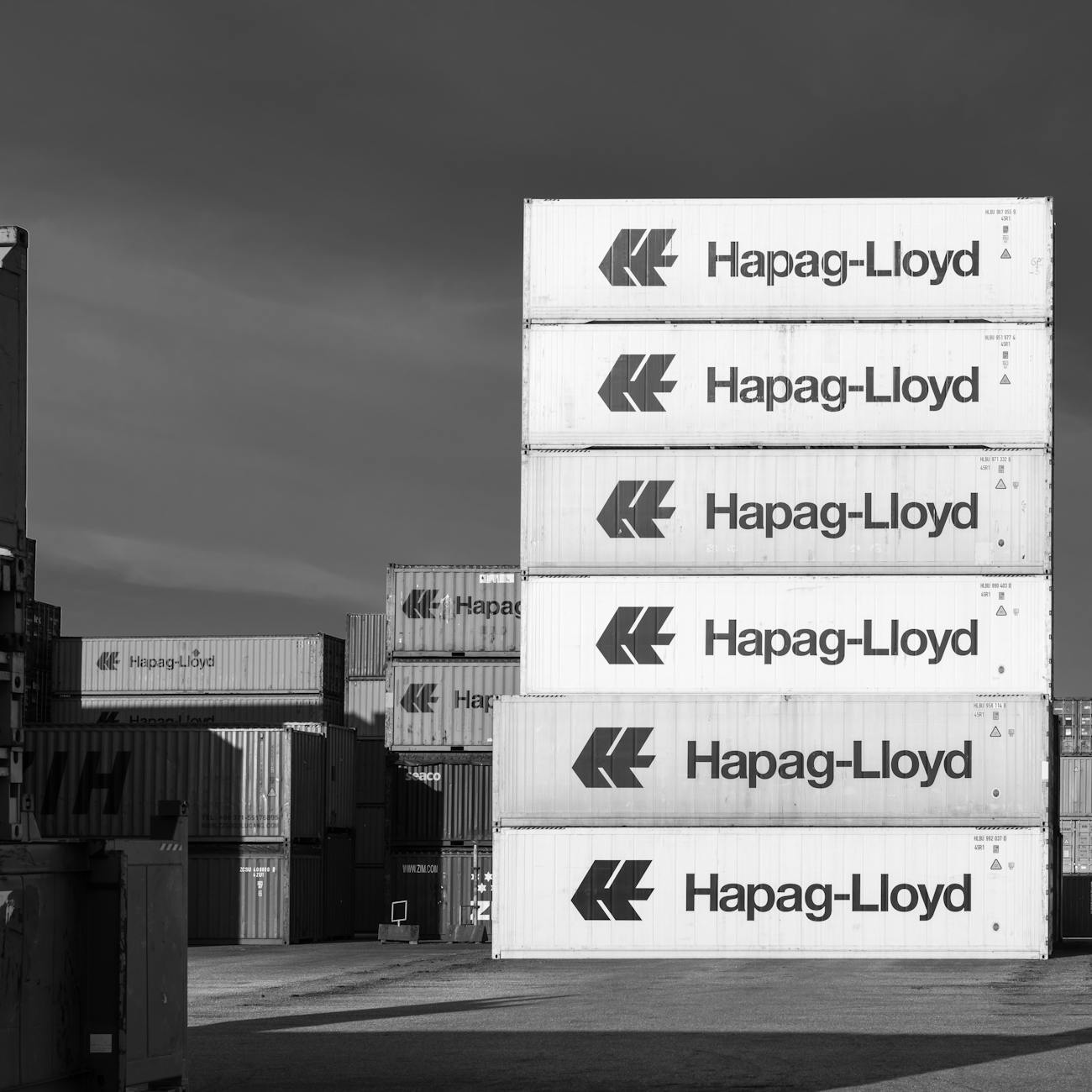
Supply Chain Analytics is a critical component of modern retail operations, enabling companies to optimize their supply chain processes, reduce costs, improve efficiency, and enhance customer satisfaction. In the Advanced Professional Certificate in Retail Analytics And Data Analysis, students will delve deep into the key terms and vocabulary associated with Supply Chain Analytics to develop a comprehensive understanding of this vital area of study. Let's explore some of the most important terms in the field:
1. **Supply Chain**: The network of organizations, resources, activities, and technology involved in the creation and delivery of a product or service to the end customer.
2. **Analytics**: The systematic computational analysis of data or statistics to uncover meaningful patterns, trends, and insights that can inform decision-making and drive business outcomes.
3. **Data Visualization**: The graphical representation of data to communicate information clearly and effectively. Examples include charts, graphs, and dashboards.
4. **Descriptive Analytics**: The analysis of historical data to understand past performance and trends, answering the question "What happened?"
5. **Predictive Analytics**: The use of data, statistical algorithms, and machine learning techniques to identify the likelihood of future outcomes, answering the question "What is likely to happen?"
6. **Prescriptive Analytics**: The use of optimization and simulation algorithms to recommend actions that will best achieve business objectives, answering the question "What should we do?"
7. **Inventory Management**: The process of overseeing and controlling the flow of goods from manufacturers to warehouses to retailers to ensure the right products are in the right place at the right time.
8. **Demand Forecasting**: The process of predicting future customer demand for products or services based on historical data, market trends, and other relevant factors.
9. **Supplier Relationship Management (SRM)**: The strategic approach to managing an organization's interactions with suppliers to maximize the value of those relationships and ensure a secure and reliable supply chain.
10. **Procurement**: The process of acquiring goods, services, or works from an external source, often involving negotiation, contracting, and supplier management.
11. **Logistics**: The management of the flow of goods, information, and other resources between the point of origin and the point of consumption to meet customer requirements.
12. **Transportation Management**: The planning, execution, and optimization of the movement of goods from one location to another to ensure timely delivery and cost efficiency.
13. **Warehousing**: The storage and handling of goods within a warehouse facility, including inventory management, picking, packing, and shipping.
14. **Supply Chain Optimization**: The process of maximizing efficiency and minimizing costs throughout the supply chain by leveraging data, technology, and best practices.
15. **Supply Chain Visibility**: The ability to track and monitor inventory, orders, and shipments in real-time across the entire supply chain to improve transparency and responsiveness.
16. **Risk Management**: The process of identifying, assessing, and mitigating risks that could disrupt the supply chain, such as natural disasters, geopolitical events, or supplier failures.
17. **Lean Supply Chain**: A management philosophy that focuses on minimizing waste and maximizing value by streamlining processes, reducing lead times, and improving efficiency.
18. **Just-in-Time (JIT) Inventory**: A strategy that aims to minimize inventory holding costs by receiving goods only when needed for production or sale.
19. **Supply Chain Resilience**: The ability of a supply chain to withstand and recover from disruptions, such as pandemics, cyber-attacks, or geopolitical crises.
20. **Omni-Channel Fulfillment**: The seamless integration of online and offline channels to provide customers with a unified shopping experience, including options for in-store pickup, home delivery, and returns.
21. **Demand-Supply Matching**: The process of aligning supply with demand to prevent stockouts, overstock situations, and other imbalances that can impact customer satisfaction and profitability.
22. **Supply Chain KPIs**: Key Performance Indicators that measure the performance of the supply chain in areas such as cost, quality, delivery, and customer service.
23. **Blockchain Technology**: A distributed ledger technology that enables secure, transparent, and tamper-proof transactions across the supply chain, improving traceability and trust.
24. **Internet of Things (IoT)**: The network of physical devices, vehicles, and other items embedded with sensors, software, and connectivity that enables them to collect and exchange data.
25. **Artificial Intelligence (AI)**: The simulation of human intelligence processes by machines, including learning, reasoning, problem-solving, perception, and language understanding.
By mastering these key terms and vocabulary in Supply Chain Analytics, students in the Advanced Professional Certificate in Retail Analytics And Data Analysis will be well-equipped to analyze, optimize, and innovate within the complex world of retail supply chains. The practical applications of these concepts are vast, ranging from reducing lead times and inventory costs to improving customer service and sustainability. However, challenges such as data quality issues, technology integration, and global supply chain disruptions must be addressed to realize the full potential of Supply Chain Analytics in the retail industry.
Key takeaways
- Supply Chain Analytics is a critical component of modern retail operations, enabling companies to optimize their supply chain processes, reduce costs, improve efficiency, and enhance customer satisfaction.
- **Supply Chain**: The network of organizations, resources, activities, and technology involved in the creation and delivery of a product or service to the end customer.
- **Analytics**: The systematic computational analysis of data or statistics to uncover meaningful patterns, trends, and insights that can inform decision-making and drive business outcomes.
- **Data Visualization**: The graphical representation of data to communicate information clearly and effectively.
- **Descriptive Analytics**: The analysis of historical data to understand past performance and trends, answering the question "What happened?
- **Predictive Analytics**: The use of data, statistical algorithms, and machine learning techniques to identify the likelihood of future outcomes, answering the question "What is likely to happen?
- **Prescriptive Analytics**: The use of optimization and simulation algorithms to recommend actions that will best achieve business objectives, answering the question "What should we do?