
Legal Aspects of Terminal Operations
Terminal Operations Management: Terminal Operations Management refers to the effective planning, organizing, directing, and controlling of terminal activities to ensure smooth and efficient operations. It involves overseeing various functio…
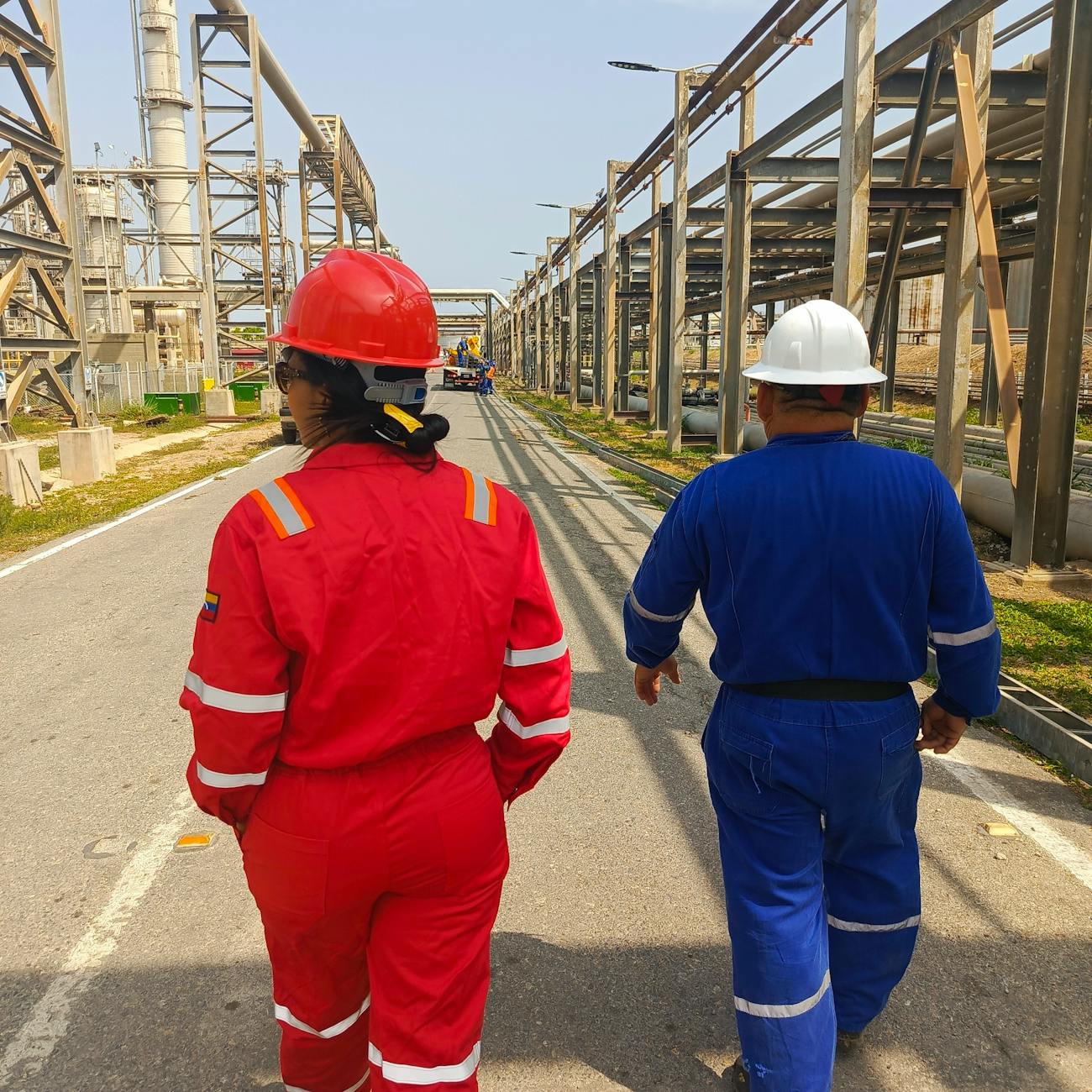
Terminal Operations Management: Terminal Operations Management refers to the effective planning, organizing, directing, and controlling of terminal activities to ensure smooth and efficient operations. It involves overseeing various functions such as vessel berthing, cargo handling, storage, and transportation.
Legal Aspects: Legal Aspects in Terminal Operations refer to the laws, regulations, and contractual agreements that govern the operation of terminals. It includes compliance with international conventions, local laws, safety regulations, environmental laws, labor laws, and contractual obligations.
Terminal: A terminal is a facility where goods are handled, stored, and transferred between different modes of transportation, such as ships, trucks, and trains. Terminals can be specialized for handling specific types of cargo, such as container terminals, bulk terminals, or oil terminals.
Operations: Operations in a terminal involve the day-to-day activities related to the handling, storage, and transportation of cargo. This includes activities like cargo loading and unloading, container stacking, warehousing, trucking, and rail operations.
Management: Management in terminal operations involves planning, organizing, directing, and controlling resources to achieve the terminal's objectives efficiently and effectively. It includes functions such as strategic planning, resource allocation, performance monitoring, and problem-solving.
Legal Framework: The legal framework in terminal operations consists of laws, regulations, international conventions, and industry standards that govern the operation of terminals. It includes maritime laws, customs regulations, safety regulations, environmental laws, labor laws, and contractual agreements.
International Conventions: International conventions are agreements between countries that establish common rules and standards for maritime activities. Examples of international conventions relevant to terminal operations include the International Maritime Organization (IMO) conventions like SOLAS (Safety of Life at Sea), MARPOL (International Convention for the Prevention of Pollution from Ships), and STCW (Standards of Training, Certification, and Watchkeeping for Seafarers).
Local Laws: Local laws refer to the regulations and statutes enacted by the government of a specific country or region that govern terminal operations. These laws may cover areas such as customs procedures, port security, labor regulations, environmental protection, and safety standards.
Regulatory Compliance: Regulatory compliance in terminal operations involves adhering to all applicable laws, regulations, and standards to ensure legal and safe operations. This includes obtaining necessary permits and licenses, conducting regular inspections, and implementing safety measures to prevent accidents and environmental damage.
Contractual Agreements: Contractual agreements are legally binding agreements between parties involved in terminal operations, such as terminal operators, shipping lines, cargo owners, and service providers. These agreements outline the rights, responsibilities, and obligations of each party regarding the use of terminal facilities and services.
Liability: Liability refers to the legal responsibility of a party for damages, losses, or injuries caused by their actions or negligence. In terminal operations, liability can arise from accidents, cargo damage, pollution incidents, or breaches of contractual obligations.
Risk Management: Risk management in terminal operations involves identifying, assessing, and mitigating risks to prevent potential losses or disruptions. It includes implementing safety measures, contingency plans, insurance coverage, and security protocols to manage risks effectively.
Insurance: Insurance is a financial product that provides protection against losses or damages resulting from unforeseen events. In terminal operations, insurance coverage is essential to protect against risks such as cargo damage, accidents, liability claims, and business interruption.
Incoterms: Incoterms are international trade terms published by the International Chamber of Commerce (ICC) that define the responsibilities of buyers and sellers in international sales contracts. Incoterms specify the delivery terms, risk transfer points, and cost allocation between parties involved in the sale and transportation of goods.
Customs Procedures: Customs procedures are the formalities and regulations imposed by customs authorities for the import and export of goods. In terminal operations, compliance with customs procedures is essential to ensure smooth clearance of cargo, proper documentation, and payment of duties and taxes.
Security Measures: Security measures in terminal operations involve implementing protocols and technologies to protect terminal facilities, personnel, and cargo from security threats such as terrorism, theft, smuggling, and sabotage. Security measures may include access control, surveillance systems, security patrols, and cybersecurity.
Environmental Regulations: Environmental regulations in terminal operations aim to minimize the impact of terminal activities on the environment and promote sustainable practices. Compliance with environmental regulations involves managing waste, preventing pollution, conserving energy, and implementing environmental management systems.
Labor Laws: Labor laws regulate the relationship between employers and employees and establish rights, duties, and protections for workers. In terminal operations, compliance with labor laws is crucial to ensure fair labor practices, workplace safety, employee rights, and labor union regulations.
Dispute Resolution: Dispute resolution in terminal operations involves resolving conflicts and disagreements between parties through negotiation, mediation, arbitration, or litigation. Effective dispute resolution mechanisms help to avoid costly legal proceedings and maintain good business relationships.
Documentation: Documentation in terminal operations refers to the paperwork, records, and electronic data required for the efficient and compliant operation of terminals. This includes bills of lading, manifests, customs declarations, cargo manifests, certificates of origin, and other documents needed for cargo handling and clearance.
Compliance Audits: Compliance audits are systematic reviews conducted to assess the terminal's adherence to legal requirements, industry standards, and internal policies. Compliance audits help identify areas of non-compliance, risks, and opportunities for improvement to enhance operational efficiency and legal compliance.
Safety Standards: Safety standards in terminal operations establish guidelines and requirements to ensure the safety of terminal personnel, equipment, and cargo. Compliance with safety standards involves implementing safety protocols, training programs, emergency response plans, and regular safety inspections.
Emergency Response: Emergency response in terminal operations involves preparing for and responding to emergencies such as accidents, fires, spills, natural disasters, or security incidents. Effective emergency response plans help minimize damage, protect personnel, and ensure continuity of terminal operations.
Quality Management: Quality management in terminal operations focuses on delivering high-quality services, meeting customer expectations, and continuous improvement. Quality management principles such as ISO 9001 help to standardize processes, monitor performance, and enhance customer satisfaction.
Technology Integration: Technology integration in terminal operations involves adopting digital solutions, automation, and data analytics to improve efficiency, accuracy, and visibility in terminal activities. Technologies such as terminal operating systems (TOS), RFID, GPS, and IoT enhance operational control, productivity, and customer service.
Supply Chain Integration: Supply chain integration in terminal operations involves collaborating with supply chain partners such as shipping lines, freight forwarders, customs brokers, and trucking companies to streamline the flow of goods and information. Integrated supply chains improve visibility, coordination, and efficiency in terminal operations.
Continuous Improvement: Continuous improvement in terminal operations involves identifying opportunities for enhancement, implementing changes, and measuring results to achieve operational excellence. Continuous improvement methodologies like Six Sigma, Lean Management, and Kaizen help optimize processes, reduce waste, and drive innovation.
Challenges: Terminal operations face various challenges such as increasing competition, regulatory complexity, technological disruptions, labor shortages, security threats, environmental concerns, and supply chain risks. Overcoming these challenges requires proactive management, strategic planning, and collaboration with stakeholders.
Competition: Competition in terminal operations is intensifying due to globalization, trade liberalization, and the growth of mega-ships. Terminals must differentiate themselves through efficiency, reliability, customer service, and value-added services to attract shipping lines and cargo owners.
Regulatory Complexity: Regulatory complexity in terminal operations arises from the multiplicity of laws, regulations, and standards governing terminal activities. Compliance with diverse legal requirements, safety regulations, environmental standards, and customs procedures poses challenges for terminal operators and requires comprehensive risk management strategies.
Technological Disruptions: Technological disruptions in terminal operations result from the rapid advancements in digital technologies, automation, and data analytics. Adopting new technologies, upgrading legacy systems, and integrating digital solutions are essential for terminals to enhance operational efficiency, visibility, and competitiveness.
Labor Shortages: Labor shortages in terminal operations stem from the aging workforce, skills gaps, and competition for talent in the maritime industry. To address labor shortages, terminals need to invest in training programs, automation, and workforce development initiatives to attract, retain, and upskill employees.
Security Threats: Security threats in terminal operations include terrorism, cyber-attacks, piracy, theft, and smuggling. Terminals must implement robust security measures, access controls, surveillance systems, and cybersecurity protocols to protect personnel, assets, and cargo from security risks.
Environmental Concerns: Environmental concerns in terminal operations relate to air pollution, water pollution, waste management, and climate change impacts. Terminals need to adopt sustainable practices, environmental management systems, and pollution prevention measures to minimize their environmental footprint and comply with regulations.
Supply Chain Risks: Supply chain risks in terminal operations arise from disruptions in transportation, trade flows, port congestion, natural disasters, and geopolitical events. Terminals must collaborate with supply chain partners, implement contingency plans, and enhance resilience to mitigate supply chain risks and ensure business continuity.
In conclusion, understanding the key terms and vocabulary related to Legal Aspects of Terminal Operations is crucial for professionals in the terminal management field to navigate the complex legal landscape, ensure compliance, manage risks, and enhance operational efficiency. By mastering these concepts and applying best practices in terminal operations, professionals can contribute to the success and sustainability of terminal facilities in the global logistics industry.
Key takeaways
- Terminal Operations Management: Terminal Operations Management refers to the effective planning, organizing, directing, and controlling of terminal activities to ensure smooth and efficient operations.
- Legal Aspects: Legal Aspects in Terminal Operations refer to the laws, regulations, and contractual agreements that govern the operation of terminals.
- Terminal: A terminal is a facility where goods are handled, stored, and transferred between different modes of transportation, such as ships, trucks, and trains.
- Operations: Operations in a terminal involve the day-to-day activities related to the handling, storage, and transportation of cargo.
- Management: Management in terminal operations involves planning, organizing, directing, and controlling resources to achieve the terminal's objectives efficiently and effectively.
- Legal Framework: The legal framework in terminal operations consists of laws, regulations, international conventions, and industry standards that govern the operation of terminals.
- International Conventions: International conventions are agreements between countries that establish common rules and standards for maritime activities.