
Technology in Hotel Security
Technology in Hotel Security
Technology in Hotel Security
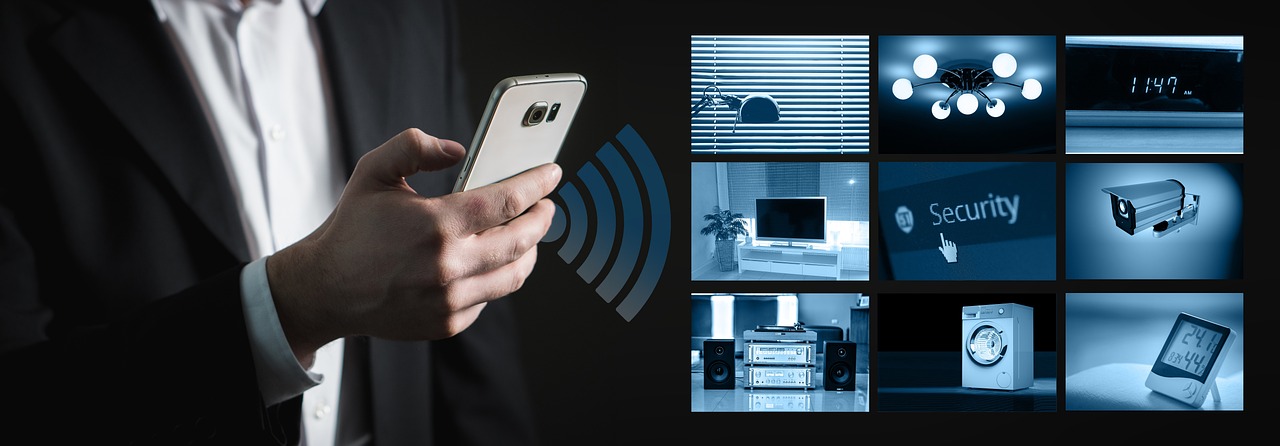
In the modern hospitality industry, the use of technology has become paramount in ensuring the safety and security of guests and hotel properties. Hotel security management professionals must stay abreast of the latest technological advancements to effectively protect guests, staff, and assets. This section will delve into key terms and vocabulary related to technology in hotel security, providing a comprehensive understanding of the tools and systems used in this critical aspect of hotel operations.
Access Control Systems
Access control systems are a crucial component of hotel security, regulating who can enter various areas of the property. These systems use a combination of physical barriers, such as keycards or biometric scanners, and electronic authentication to grant or deny access to different parts of the hotel. Access control systems help prevent unauthorized entry and can track the movement of individuals within the property.
One common type of access control system used in hotels is the keycard system. Guests are provided with electronic keycards that grant them access to their rooms and other designated areas. These keycards can be easily deactivated or reprogrammed, enhancing security in case of lost or stolen cards.
Closed-Circuit Television (CCTV)
Closed-circuit television, or CCTV, is a video surveillance system used in hotels to monitor various areas of the property. CCTV cameras are strategically placed in public spaces, hallways, parking lots, and other areas to deter criminal activity and capture evidence in case of incidents. CCTV systems can be monitored in real-time by security personnel or recorded for later review.
CCTV systems often include features such as motion detection, night vision, and remote access, allowing security teams to respond quickly to potential threats. The footage captured by CCTV cameras can also be used for investigations and evidence gathering in the event of security incidents.
Biometric Technology
Biometric technology involves using unique biological characteristics, such as fingerprints, facial recognition, or iris scans, to verify a person's identity. In hotels, biometric technology is increasingly being used for access control, guest check-in, and staff authentication. Biometric systems provide a high level of security, as they are difficult to forge or duplicate.
For example, some hotels use fingerprint scanners at key access points to ensure that only authorized individuals can enter restricted areas. Biometric technology can also streamline the check-in process for guests, eliminating the need for traditional keys or keycards. However, challenges such as privacy concerns and regulatory compliance must be carefully addressed when implementing biometric systems.
Intrusion Detection Systems
Intrusion detection systems are designed to alert security teams to unauthorized access or breaches in the hotel's perimeter or interior spaces. These systems use sensors, alarms, and monitoring devices to detect suspicious activity and trigger a response from security personnel. Intrusion detection systems can be integrated with access control systems and CCTV cameras for comprehensive security coverage.
For instance, perimeter sensors can detect when someone attempts to climb over a fence or break a window, triggering an alarm and alerting security staff. Intrusion detection systems can also be configured to differentiate between false alarms, such as wildlife or weather disturbances, and genuine security threats, ensuring a rapid and effective response to potential breaches.
Fire Detection and Alarm Systems
Fire detection and alarm systems are essential for ensuring the safety of guests and staff in the event of a fire emergency. These systems use smoke detectors, heat sensors, and alarms to detect the presence of smoke or fire and alert occupants to evacuate the building. Fire detection and alarm systems are typically integrated with the hotel's overall security infrastructure for a coordinated response to emergencies.
For example, when a smoke detector is triggered in a guest room, the fire alarm system will sound throughout the hotel, notifying occupants to evacuate. Security personnel can then use CCTV cameras to assess the situation and guide guests to safety. Regular testing and maintenance of fire detection and alarm systems are critical to ensure their reliability in emergency situations.
Wireless Communication Systems
Wireless communication systems play a vital role in enabling real-time communication among security teams, staff members, and emergency responders in hotels. These systems use wireless technologies, such as two-way radios, mobile phones, and push-to-talk devices, to facilitate quick and effective communication during security incidents or emergencies. Wireless communication systems enhance situational awareness and coordination among different stakeholders.
For instance, security personnel can use two-way radios to communicate with each other and coordinate their response to a security threat. Front desk staff can use mobile phones to alert security teams to suspicious behavior or emergencies in guest areas. However, challenges such as signal interference and network congestion must be addressed to ensure reliable communication in all areas of the hotel.
Alarm Monitoring and Response Systems
Alarm monitoring and response systems are designed to centralize the monitoring of various security alarms, such as intrusion alarms, fire alarms, and panic alarms, in a hotel. These systems use a central control panel to receive and display alarm signals from different sensors and devices, allowing security personnel to quickly assess the situation and initiate a response. Alarm monitoring and response systems help minimize response times and ensure a coordinated approach to security incidents.
For example, when an intrusion alarm is triggered in a guest room, the alarm monitoring system will display the exact location of the alarm and alert security personnel to investigate. In the event of a fire alarm, the system will provide instructions for evacuation and notify emergency services. Regular training and drills are essential to ensure that security teams can effectively respond to alarms and emergencies.
Intelligent Video Analytics
Intelligent video analytics is a technology that uses artificial intelligence and machine learning algorithms to analyze video footage from CCTV cameras and identify suspicious behavior or events. This technology can automatically detect anomalies, such as unauthorized access, loitering, or abandoned objects, and alert security personnel to take action. Intelligent video analytics enhance the effectiveness of CCTV systems by reducing the need for manual monitoring and improving response times to security threats.
For instance, intelligent video analytics can recognize when a person enters a restricted area or attempts to tamper with a security camera, triggering an alert to security teams. This technology can also provide valuable insights into guest behavior, such as traffic patterns in the lobby or occupancy rates in public areas. However, challenges such as false positives and system calibration must be addressed to ensure the accuracy and reliability of intelligent video analytics.
Integration Platforms
Integration platforms are software solutions that enable the seamless integration of different security systems and technologies in a hotel. These platforms allow security teams to centralize the management and monitoring of access control, CCTV, intrusion detection, and other security systems, providing a comprehensive view of the hotel's security posture. Integration platforms streamline operations, improve situational awareness, and facilitate a coordinated response to security incidents.
For example, an integration platform can link access control systems with CCTV cameras to automatically track individuals as they move through the hotel. In the event of an intrusion alarm, the platform can display live video feeds from affected areas and guide security personnel to respond effectively. However, interoperability issues and compatibility challenges must be considered when implementing integration platforms in a hotel environment.
Cloud-Based Security Solutions
Cloud-based security solutions leverage cloud computing technology to store and manage security data, applications, and services remotely. In hotels, cloud-based security solutions offer scalability, flexibility, and cost-effectiveness compared to traditional on-premises systems. These solutions enable remote access to security systems, real-time monitoring, and data analytics, enhancing the overall security posture of the hotel.
For instance, a cloud-based access control system allows hotel managers to remotely manage user permissions, track access logs, and receive alerts on their mobile devices. Cloud-based video surveillance systems enable off-site monitoring of CCTV cameras and provide secure storage of video footage for forensic analysis. However, data privacy and cybersecurity concerns must be addressed when migrating to cloud-based security solutions.
Physical Security Measures
Physical security measures encompass the tangible barriers, devices, and structures used to protect hotel properties from unauthorized access, theft, vandalism, and other security threats. These measures include fences, gates, locks, barriers, lighting, and surveillance cameras that deter intruders and enhance the overall security of the hotel. Physical security measures must be regularly maintained and updated to address evolving security risks.
For example, perimeter fencing and access control gates restrict unauthorized entry to the hotel grounds, while security lighting enhances visibility and deters criminal activity. Locking mechanisms on doors and windows prevent forced entry into guest rooms and other secure areas. Regular security audits and assessments are essential to identify vulnerabilities and ensure that physical security measures are effective in mitigating risks.
Cybersecurity Protocols
Cybersecurity protocols are essential for safeguarding hotel systems, networks, and data from cyber threats, such as malware, ransomware, phishing, and data breaches. Hotels collect and store sensitive guest information, including personal details, payment data, and booking records, making them attractive targets for cybercriminals. Cybersecurity protocols involve implementing preventive measures, such as firewalls, antivirus software, encryption, and employee training, to protect against cyber attacks.
For instance, hotels can use firewalls to block unauthorized access to their networks and prevent malicious software from infiltrating their systems. Encryption protocols ensure that sensitive data is securely transmitted and stored, reducing the risk of data breaches. Employee training programs educate staff on cybersecurity best practices, such as identifying suspicious emails and safeguarding confidential information. Regular security assessments and vulnerability scans are critical to identify and address potential weaknesses in hotel cybersecurity defenses.
Emergency Response Planning
Emergency response planning involves developing and implementing protocols, procedures, and training programs to effectively respond to security incidents, natural disasters, and other emergencies in a hotel. Emergency response plans outline roles and responsibilities, communication strategies, evacuation procedures, and coordination with external agencies to ensure a prompt and organized response to crises. Regular drills and exercises test the effectiveness of emergency response plans and identify areas for improvement.
For example, in the event of a fire alarm, hotel staff are trained to evacuate guests to designated assembly points and assist emergency responders in locating and extinguishing the fire. Security teams are responsible for maintaining order, securing critical assets, and coordinating with local authorities. Emergency response planning also includes provisions for medical emergencies, power outages, severe weather, and other contingencies to protect the safety and well-being of guests and staff.
Risk Assessment and Management
Risk assessment and management involve identifying, evaluating, and mitigating potential security risks and threats in a hotel environment. Risk assessments help security teams understand vulnerabilities, assess the likelihood and impact of security incidents, and prioritize resources to address high-risk areas. Risk management strategies involve implementing controls, policies, and procedures to reduce the likelihood and severity of security breaches and minimize their impact on the hotel's operations.
For example, a risk assessment may identify vulnerable access points, such as unsecured doors or windows, that could be exploited by intruders. Risk management measures may include installing additional locks, upgrading surveillance cameras, and training staff on security protocols to prevent unauthorized access. Regular monitoring and review of risk assessments are essential to adapt security measures to changing threats and ensure that the hotel remains secure and resilient.
Regulatory Compliance
Regulatory compliance refers to the adherence to laws, regulations, standards, and industry guidelines governing security practices in the hospitality sector. Hotels are subject to various legal requirements related to data protection, privacy, safety, and emergency preparedness, which aim to protect guests, staff, and assets from harm and ensure the integrity of hotel operations. Regulatory compliance involves implementing policies, procedures, and controls to meet legal obligations and uphold ethical standards in security management.
For instance, hotels must comply with data protection laws, such as the General Data Protection Regulation (GDPR), to safeguard guest information and prevent unauthorized access to personal data. Safety regulations, such as fire codes and building codes, require hotels to maintain adequate fire detection systems, emergency exits, and emergency lighting to protect occupants in case of emergencies. Security managers must stay informed about changes in regulations and ensure that security practices align with legal requirements to avoid penalties and reputational damage.
Training and Development
Training and development programs are essential for equipping security personnel, staff members, and managers with the knowledge, skills, and competencies required to effectively manage security risks and respond to emergencies in a hotel. Training programs cover a wide range of topics, including access control, CCTV monitoring, emergency response, conflict resolution, first aid, and customer service, to ensure that security teams are well-prepared to handle various security scenarios.
For example, security officers receive training on the proper use of access control systems, CCTV cameras, and intrusion detection devices to monitor and respond to security threats. Front desk staff are trained to identify suspicious behavior, verify guest identities, and communicate security concerns to the security team. Regular training sessions, drills, and simulations help reinforce security protocols, enhance teamwork, and ensure a coordinated response to security incidents.
In conclusion, technology plays a vital role in enhancing hotel security by providing advanced tools and systems to monitor, control, and respond to security threats. Access control systems, CCTV cameras, biometric technology, intrusion detection systems, fire detection and alarm systems, wireless communication systems, alarm monitoring and response systems, intelligent video analytics, integration platforms, cloud-based security solutions, physical security measures, cybersecurity protocols, emergency response planning, risk assessment and management, regulatory compliance, and training and development programs are key components of a comprehensive security strategy in a hotel environment. By understanding and leveraging these technologies effectively, security professionals can create a safe and secure environment for guests, staff, and assets, ensuring a positive guest experience and protecting the hotel's reputation and operations.
Key takeaways
- This section will delve into key terms and vocabulary related to technology in hotel security, providing a comprehensive understanding of the tools and systems used in this critical aspect of hotel operations.
- These systems use a combination of physical barriers, such as keycards or biometric scanners, and electronic authentication to grant or deny access to different parts of the hotel.
- Guests are provided with electronic keycards that grant them access to their rooms and other designated areas.
- CCTV cameras are strategically placed in public spaces, hallways, parking lots, and other areas to deter criminal activity and capture evidence in case of incidents.
- CCTV systems often include features such as motion detection, night vision, and remote access, allowing security teams to respond quickly to potential threats.
- Biometric technology involves using unique biological characteristics, such as fingerprints, facial recognition, or iris scans, to verify a person's identity.
- For example, some hotels use fingerprint scanners at key access points to ensure that only authorized individuals can enter restricted areas.