
Turfgrass Management
Turfgrass Management Turfgrass management is the practice of maintaining and caring for turfgrass to ensure it remains healthy, green, and aesthetically pleasing. It involves a combination of mowing, watering, fertilizing, pest control, and…
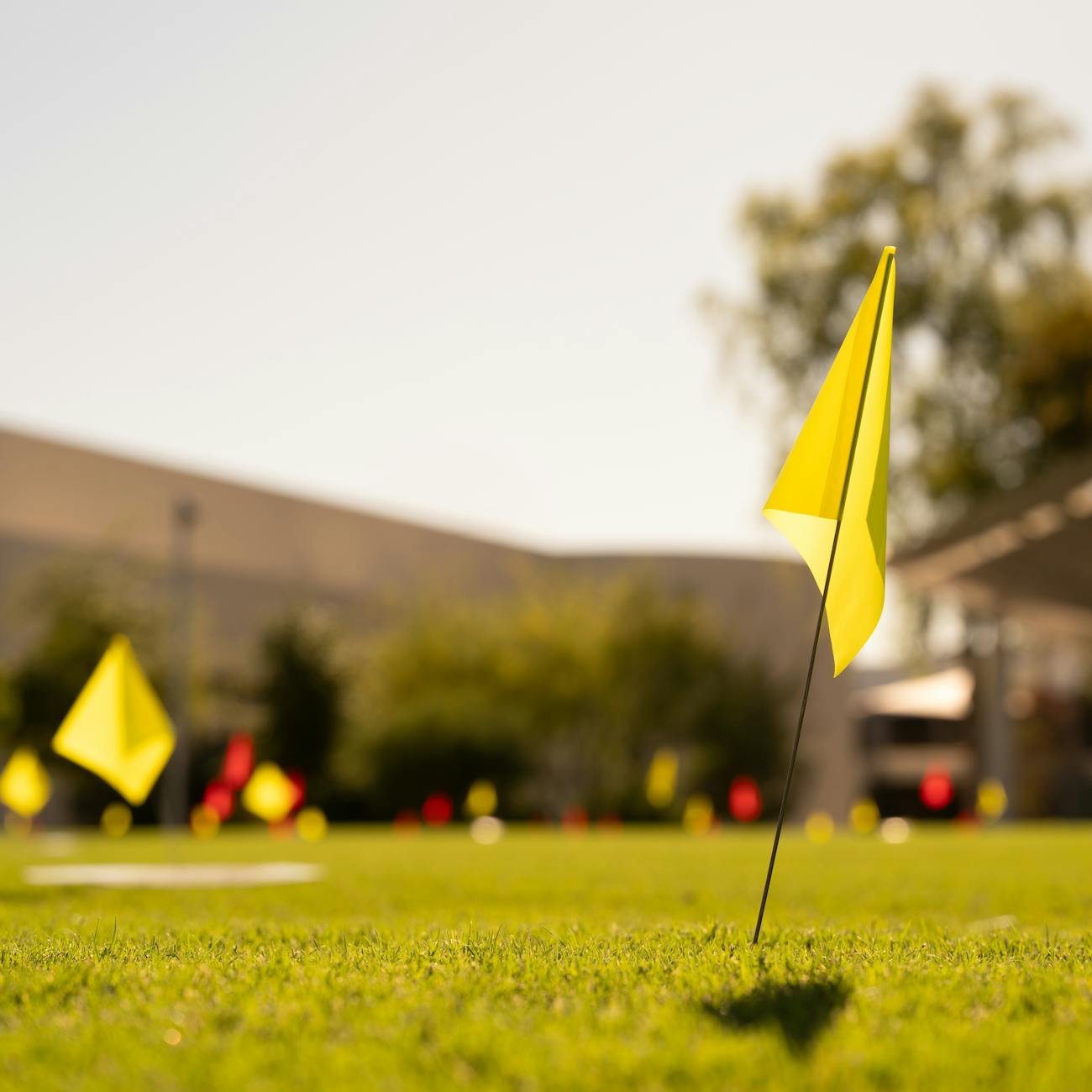
Turfgrass Management Turfgrass management is the practice of maintaining and caring for turfgrass to ensure it remains healthy, green, and aesthetically pleasing. It involves a combination of mowing, watering, fertilizing, pest control, and other practices to promote turfgrass health and growth. Proper turfgrass management is essential for golf courses, sports fields, parks, and other areas where turfgrass is a prominent feature.
Turfgrass Turfgrass refers to grass species that are specifically grown for their ability to form a dense, uniform turf. Common turfgrass species include Kentucky bluegrass, Bermuda grass, and ryegrass. Turfgrass is used in landscaping and sports turf applications due to its ability to withstand heavy foot traffic and recover quickly from damage.
Golf Course Management Golf course management involves overseeing all aspects of golf course operations, including turfgrass maintenance, facility management, budgeting, and staff supervision. Effective golf course management is crucial for ensuring the course is well-maintained, financially sustainable, and provides an enjoyable experience for golfers.
Professional Certificate A professional certificate is a credential awarded to individuals who have completed a specific course of study or training in a particular field. Professional certificates are often used to demonstrate expertise and proficiency in a specific area, such as golf course management or turfgrass maintenance.
Key Terms and Vocabulary 1. **Aerification:** The process of creating small holes in the soil to improve air circulation, reduce compaction, and promote root growth. 2. **Thatch:** A layer of dead grass stems, roots, and other organic matter that accumulates on the surface of the soil, hindering water and nutrient absorption. 3. **Topdressing:** The application of a thin layer of sand or soil to the turf to improve soil structure and smooth out uneven surfaces. 4. **Verticutting:** A process that involves cutting vertical grooves in the turf to remove thatch and promote healthy growth. 5. **Fungicide:** A chemical compound used to control or prevent fungal diseases in turfgrass. 6. **Herbicide:** A chemical substance used to control or eliminate unwanted weeds in turfgrass. 7. **Pesticide:** A substance used to control or eliminate pests, such as insects, rodents, or birds, in turfgrass. 8. **Soil pH:** A measure of the acidity or alkalinity of the soil, which affects nutrient availability and turfgrass health. 9. **Sod:** Pre-grown grass that is transplanted onto the soil to establish an instant lawn. 10. **Overseeding:** The process of planting grass seed over existing turf to improve density and fill in bare spots.
Turfgrass Species There are several common turfgrass species used in golf course management and landscaping. Each species has unique characteristics and is suited to different environmental conditions. Some popular turfgrass species include:
1. **Kentucky Bluegrass (Poa pratensis):** Known for its fine texture and dense growth habit, Kentucky bluegrass is commonly used on golf course fairways and tees. It thrives in cool climates and is known for its dark green color. 2. **Bermuda Grass (Cynodon dactylon):** A warm-season grass that is highly drought-tolerant and resilient to heavy foot traffic. Bermuda grass is commonly used on golf course greens and in sports turf applications. 3. **Ryegrass (Lolium perenne):** A cool-season grass that establishes quickly and is commonly used for overseeding in the winter to maintain year-round green turf. Ryegrass is often used on golf course roughs and fairways. 4. **Zoysia Grass (Zoysia spp.):** A warm-season grass known for its dense, lush growth and tolerance to heat and drought. Zoysia grass is commonly used in southern regions for golf course tees, fairways, and roughs.
Turfgrass Maintenance Practices Effective turfgrass management requires a combination of maintenance practices to promote healthy turf growth and appearance. Some key turfgrass maintenance practices include:
1. **Mowing:** Regular mowing helps maintain turfgrass height and promotes lateral growth. Proper mowing height and frequency are essential for healthy turf. 2. **Watering:** Proper irrigation is crucial for turfgrass health. Watering deeply and infrequently helps promote deep root growth and drought resistance. 3. **Fertilizing:** Applying the right type and amount of fertilizer at the correct time helps provide essential nutrients for turfgrass growth. 4. **Pest Control:** Monitoring for pests and applying appropriate control measures, such as insecticides or fungicides, helps protect turfgrass from damage. 5. **Aerification:** Aerifying the soil helps improve soil structure, reduce compaction, and promote root growth. 6. **Topdressing:** Applying a thin layer of sand or soil helps improve soil composition and smooth out uneven surfaces. 7. **Overseeding:** Planting grass seed over existing turf helps improve turf density and fill in bare spots.
Turfgrass Challenges Despite proper maintenance practices, turfgrass faces several challenges that can impact its health and appearance. Some common challenges in turfgrass management include:
1. **Disease:** Fungal diseases, such as brown patch or dollar spot, can affect turfgrass health and appearance. Proper cultural practices and fungicide applications can help prevent disease outbreaks. 2. **Weeds:** Unwanted weeds can compete with turfgrass for nutrients and water, affecting turf health. Herbicides are commonly used to control weeds in turfgrass. 3. **Insects:** Insect pests, such as grubs or chinch bugs, can damage turfgrass by feeding on roots or foliage. Insecticide applications can help control insect populations. 4. **Compaction:** Soil compaction can restrict root growth and water infiltration, leading to poor turf health. Aerification helps alleviate soil compaction and promote healthy turf. 5. **Thatch:** Excessive thatch buildup can impede water and nutrient uptake, leading to shallow root growth and turf decline. Verticutting and dethatching are commonly used to manage thatch.
Conclusion In conclusion, turfgrass management is a critical aspect of golf course management and landscaping. By understanding key terms and vocabulary related to turfgrass maintenance, professionals can effectively care for turfgrass and ensure healthy, green, and aesthetically pleasing turf. Implementing proper turfgrass maintenance practices, such as mowing, watering, fertilizing, and pest control, is essential for promoting turfgrass health and longevity. Despite facing challenges such as disease, weeds, and compaction, with proper management techniques, turfgrass can thrive and provide a beautiful and functional landscape for golf courses, sports fields, parks, and other outdoor spaces.
Key takeaways
- Turfgrass Management Turfgrass management is the practice of maintaining and caring for turfgrass to ensure it remains healthy, green, and aesthetically pleasing.
- Turfgrass is used in landscaping and sports turf applications due to its ability to withstand heavy foot traffic and recover quickly from damage.
- Golf Course Management Golf course management involves overseeing all aspects of golf course operations, including turfgrass maintenance, facility management, budgeting, and staff supervision.
- Professional Certificate A professional certificate is a credential awarded to individuals who have completed a specific course of study or training in a particular field.
- **Thatch:** A layer of dead grass stems, roots, and other organic matter that accumulates on the surface of the soil, hindering water and nutrient absorption.
- Turfgrass Species There are several common turfgrass species used in golf course management and landscaping.
- **Ryegrass (Lolium perenne):** A cool-season grass that establishes quickly and is commonly used for overseeding in the winter to maintain year-round green turf.