
Islamic Cryptocurrency
Islamic Cryptocurrency is a relatively new concept that combines the principles of Islamic finance with the technology of cryptocurrency. In order to understand Islamic Cryptocurrency, it is important to first understand the key terms and v…
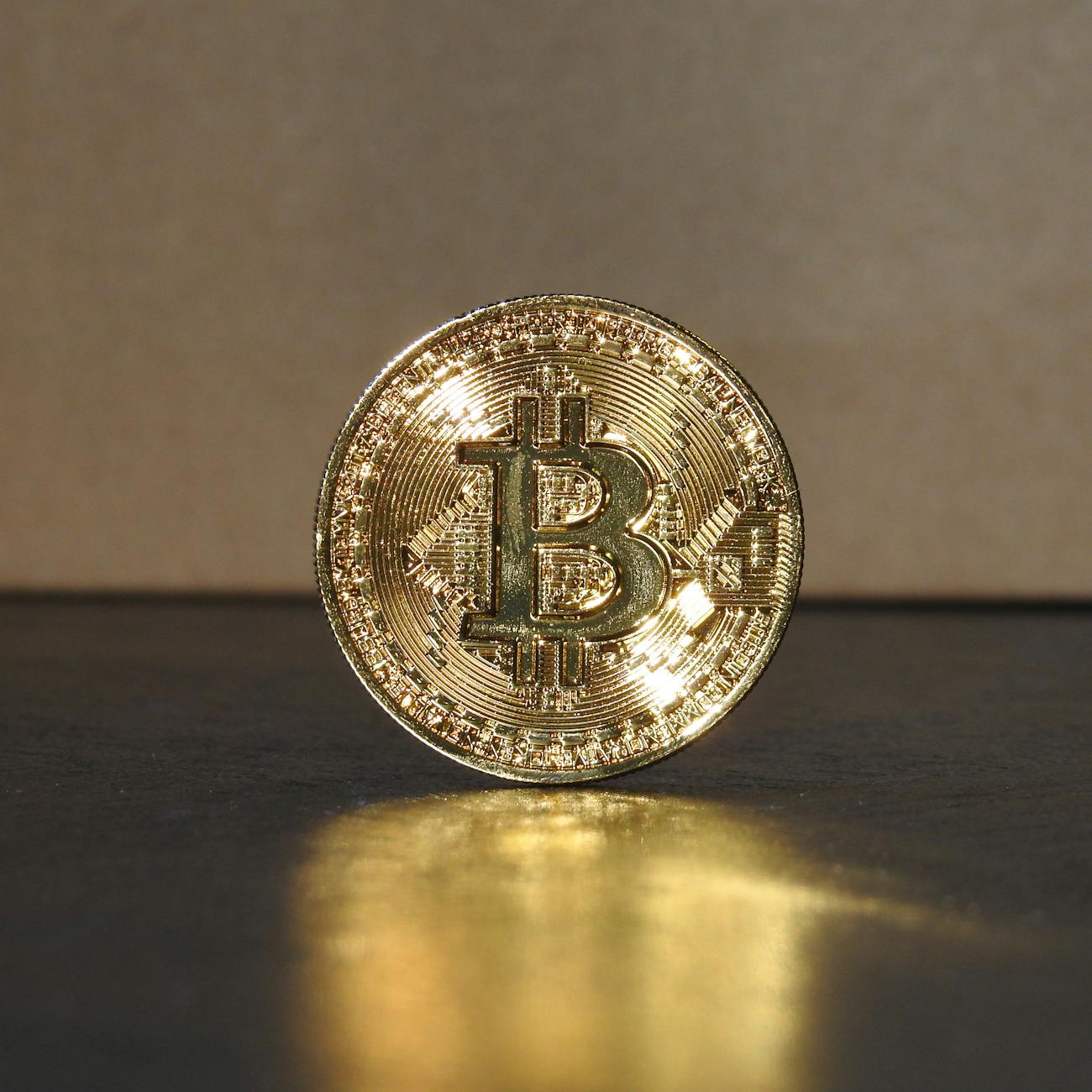
Islamic Cryptocurrency is a relatively new concept that combines the principles of Islamic finance with the technology of cryptocurrency. In order to understand Islamic Cryptocurrency, it is important to first understand the key terms and vocabulary associated with this topic.
Cryptocurrency is a digital or virtual form of currency that uses cryptography for security. It operates independently of a central authority, such as a government or financial institution. Examples of cryptocurrencies include Bitcoin, Ethereum, and Litecoin.
Islamic Finance refers to financial activities that comply with the principles of Islamic law, or Shariah. These principles prohibit the payment or receipt of interest (riba), gambling (maisir), and uncertainty (gharar). Instead, Islamic finance promotes risk-sharing, ethical investment, and the promotion of social good.
Shariah is the moral code and religious law of Islam. It is derived from the Quran and the teachings of the Prophet Muhammad. Shariah governs many aspects of a Muslim's life, including finance and economics.
Halal is an Arabic term that means permissible or lawful according to Islamic law. In the context of Islamic finance, investments and financial transactions must be deemed halal in order to comply with Shariah principles.
Haram is the opposite of halal and refers to actions or practices that are forbidden in Islam. In the context of finance, investments that involve haram activities such as gambling, alcohol, or interest are considered haram.
Riba is the Arabic term for interest. In Islamic finance, riba is prohibited because it involves the payment or receipt of interest, which is seen as exploitative and unfair.
Maisir refers to gambling or speculation. In Islamic finance, maisir is prohibited because it involves uncertain outcomes and can lead to financial harm.
Gharar is the Arabic term for uncertainty or ambiguity. In Islamic finance, gharar is prohibited because it introduces unnecessary risk and can lead to exploitation.
Blockchain is the technology that underpins cryptocurrencies. It is a decentralized, distributed ledger that records transactions across a network of computers. Blockchain ensures transparency, security, and immutability in cryptocurrency transactions.
Smart Contracts are self-executing contracts with the terms of the agreement between buyer and seller directly written into lines of code. Smart contracts automatically enforce the terms of the agreement, reducing the need for intermediaries and increasing efficiency.
Decentralization refers to the distribution of power and control across a network, rather than being concentrated in a central authority. Decentralization is a key feature of cryptocurrencies, as it ensures transparency, security, and resilience.
Tokenization is the process of converting real-world assets into digital tokens on a blockchain. Tokenization enables fractional ownership, increased liquidity, and easier transferability of assets.
Initial Coin Offering (ICO) is a fundraising method in which new projects sell their underlying cryptocurrency tokens in exchange for funding. ICOs are a popular way for startups to raise capital, but they come with regulatory challenges and risks.
Security Token Offering (STO) is a fundraising method that involves issuing security tokens backed by real-world assets. STOs are considered more regulated and secure than ICOs, as they comply with securities laws.
Proof of Stake (PoS) is a consensus mechanism used in blockchain networks to validate transactions and secure the network. PoS allows users to validate transactions and create new blocks based on the number of coins they hold.
Proof of Work (PoW) is another consensus mechanism used in blockchain networks, in which miners solve complex mathematical puzzles to validate transactions and create new blocks. PoW requires significant computational power and energy consumption.
Decentralized Finance (DeFi) refers to the ecosystem of decentralized financial applications and platforms that operate without traditional intermediaries such as banks or brokerages. DeFi aims to provide inclusive, transparent, and permissionless financial services.
Islamic DeFi is a subset of DeFi that complies with Shariah principles and Islamic finance regulations. Islamic DeFi platforms offer products and services that are halal and cater to Muslim investors.
Regulatory Compliance refers to the adherence to laws, regulations, and standards set by regulatory authorities. In the context of Islamic Cryptocurrency, regulatory compliance ensures that platforms and projects operate within the boundaries of Shariah and financial regulations.
Fatwa is a legal opinion or ruling issued by a qualified Islamic scholar on a specific issue. In the context of Islamic Cryptocurrency, fatwas provide guidance on whether certain practices or investments are halal or haram.
Sukuk are Islamic financial certificates that represent ownership in a tangible asset, project, or investment. Sukuk are structured to comply with Shariah principles and are commonly used for Islamic financing and investment.
Zakat is a form of almsgiving in Islam, where Muslims are required to donate a portion of their wealth to those in need. Zakat plays an important role in Islamic finance and ensures the redistribution of wealth in society.
Takaful is a cooperative insurance system in Islam, where participants contribute money into a pooling system to guarantee each other against loss or damage. Takaful operates on the principles of mutual assistance and shared responsibility.
Islamic Microfinance is a form of financial services that are tailored to the needs of low-income individuals and small businesses. Islamic Microfinance adheres to Shariah principles and aims to provide access to finance for marginalized communities.
Halal Cryptocurrency Exchange is a trading platform that facilitates the buying and selling of cryptocurrencies while ensuring compliance with Islamic finance principles. Halal cryptocurrency exchanges screen assets and transactions to ensure they are halal.
Islamic Cryptocurrency Wallet is a digital wallet that allows users to store, send, and receive Islamic cryptocurrencies. Islamic cryptocurrency wallets comply with Shariah principles and provide secure storage for digital assets.
Islamic Cryptocurrency Investment Fund is a fund that invests in Islamic cryptocurrencies and blockchain projects while adhering to Shariah principles. Islamic cryptocurrency investment funds offer halal investment opportunities for Muslim investors.
Compliance Officer is an individual responsible for ensuring that a company or organization complies with relevant laws, regulations, and standards. In the context of Islamic Cryptocurrency, compliance officers ensure that platforms and projects operate within the boundaries of Shariah and financial regulations.
Challenges and Opportunities Islamic Cryptocurrency faces several challenges and opportunities in the rapidly evolving landscape of finance and technology. Some of the challenges include regulatory uncertainty, lack of standardized frameworks, and the need for qualified Shariah scholars to provide guidance. However, Islamic Cryptocurrency also presents opportunities for financial inclusion, ethical investment, and innovation in Islamic finance.
In conclusion, Islamic Cryptocurrency is a promising area that combines the principles of Islamic finance with the technology of cryptocurrency. By understanding the key terms and vocabulary associated with Islamic Cryptocurrency, individuals can navigate this emerging field and contribute to the growth of halal and ethical financial products and services.
Key takeaways
- Islamic Cryptocurrency is a relatively new concept that combines the principles of Islamic finance with the technology of cryptocurrency.
- Cryptocurrency is a digital or virtual form of currency that uses cryptography for security.
- Islamic Finance refers to financial activities that comply with the principles of Islamic law, or Shariah.
- Shariah governs many aspects of a Muslim's life, including finance and economics.
- In the context of Islamic finance, investments and financial transactions must be deemed halal in order to comply with Shariah principles.
- In the context of finance, investments that involve haram activities such as gambling, alcohol, or interest are considered haram.
- In Islamic finance, riba is prohibited because it involves the payment or receipt of interest, which is seen as exploitative and unfair.