
Special Populations in ADHD Treatment
In the field of ADHD (Attention Deficit Hyperactivity Disorder) treatment, there are several special populations that require specialized care and attention. These populations include:
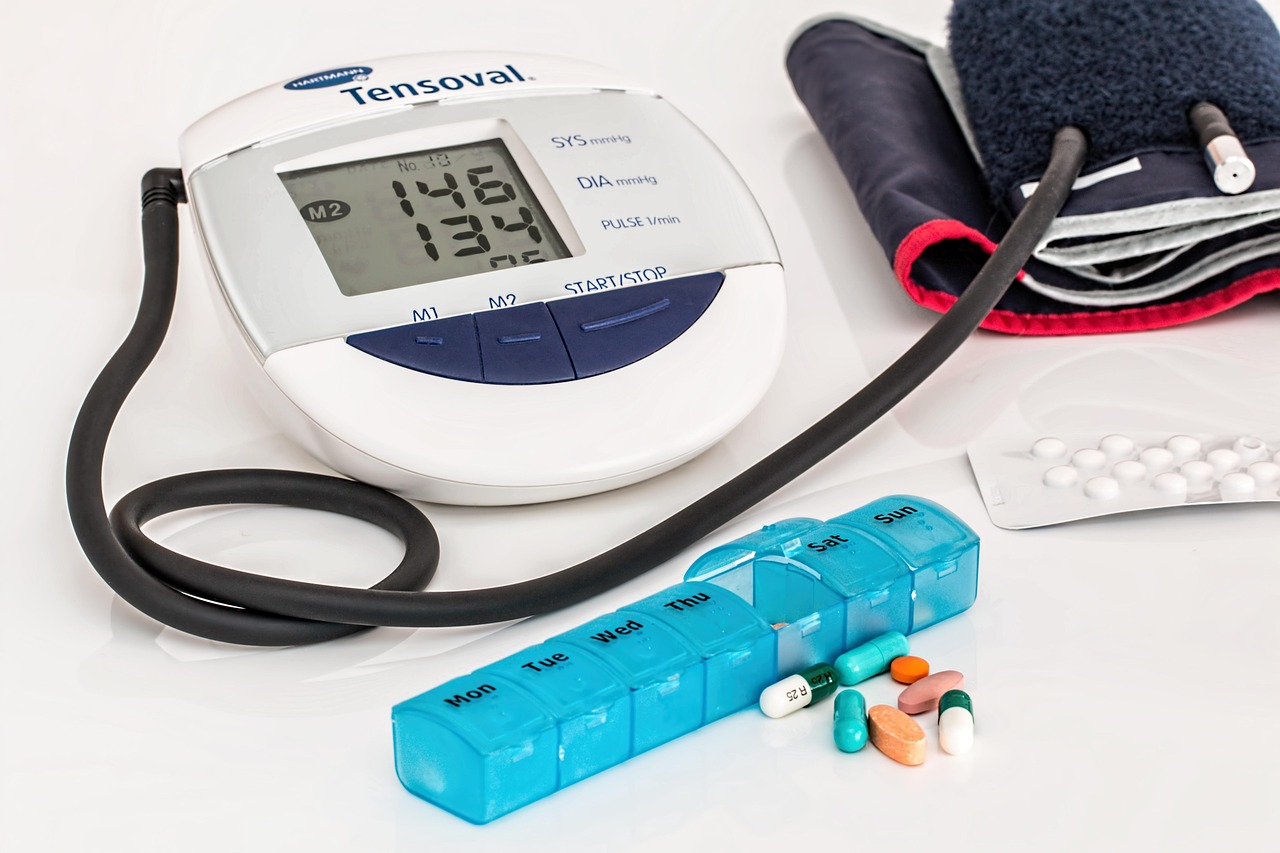
In the field of ADHD (Attention Deficit Hyperactivity Disorder) treatment, there are several special populations that require specialized care and attention. These populations include:
1. Children and Adolescents: ADHD is a common neurodevelopmental disorder that begins in childhood and can persist into adulthood. The symptoms of ADHD in children and adolescents include inattention, hyperactivity, and impulsivity. Children with ADHD may have trouble paying attention in school, following instructions, and completing tasks. Adolescents with ADHD may struggle with social relationships, academic performance, and substance use. 2. Adults: ADHD is not just a childhood disorder. Many adults with ADHD have struggled with symptoms since childhood, while others may develop symptoms later in life. Adults with ADHD may have trouble with time management, organization, and focus. They may also experience mood swings, anxiety, and depression. 3. Pregnant Women and Nursing Mothers: Pregnant women and nursing mothers with ADHD face unique challenges when it comes to medication management. Some medications used to treat ADHD are not safe for use during pregnancy or breastfeeding. It is essential to work closely with a healthcare provider to develop a treatment plan that is safe for both the mother and the baby. 4. Elderly Individuals: ADHD can also affect elderly individuals, although it is often overlooked or misdiagnosed. Elderly individuals with ADHD may experience symptoms such as forgetfulness, distractibility, and difficulty completing tasks. They may also have other medical conditions that complicate medication management. 5. Individuals with Co-occurring Conditions: Many individuals with ADHD have co-occurring conditions such as anxiety, depression, bipolar disorder, and substance use disorders. These conditions can complicate medication management and require a specialized treatment approach.
Key Terms and Vocabulary:
1. Neurodevelopmental Disorder: A disorder that affects the development of the brain and nervous system, leading to difficulties with behavior, learning, and development. 2. Inattention: The inability to focus or pay attention to tasks or activities for an extended period. 3. Hyperactivity: Excessive movement or activity that interferes with daily functioning. 4. Impulsivity: Acting on a whim without thinking about the consequences. 5. Medication Management: The process of selecting, administering, and monitoring medications to treat ADHD and other conditions. 6. Pregnancy Category: A classification system used to determine the safety of medications during pregnancy. 7. Breastfeeding Compatibility: The ability of a medication to be used safely during breastfeeding. 8. Co-occurring Conditions: The presence of two or more conditions or disorders in an individual. 9. Comorbidity: The co-occurrence of two or more conditions or disorders in an individual. 10. Specialized Treatment Approach: A treatment approach that takes into account the unique needs and challenges of an individual with ADHD and co-occurring conditions.
Practical Applications:
When working with special populations in ADHD treatment, it is essential to take a personalized approach. This means considering the individual's age, developmental stage, medical history, and co-occurring conditions when developing a treatment plan.
For example, children and adolescents with ADHD may benefit from a combination of medication and behavioral therapy. This approach can help improve their academic performance, social relationships, and overall quality of life. Adults with ADHD may require a different treatment approach, such as medication management and counseling, to address their unique challenges.
Pregnant women and nursing mothers with ADHD require special consideration when it comes to medication management. It is essential to work closely with a healthcare provider to determine the safest and most effective treatment options. This may involve using medications that are safe during pregnancy and breastfeeding, or exploring alternative treatment options such as behavioral therapy.
Elderly individuals with ADHD may require a specialized treatment approach due to their unique medical needs. This may involve using lower doses of medication, monitoring for side effects, and adjusting the treatment plan as needed.
Individuals with co-occurring conditions require a specialized treatment approach that takes into account both the ADHD and the co-occurring condition. This may involve using medications that are effective for both conditions, or using a combination of medication and therapy to address the unique challenges of each condition.
Challenges:
One of the significant challenges in working with special populations in ADHD treatment is the lack of research and evidence-based practices. Many medications and treatment approaches have not been studied extensively in these populations, making it difficult to determine the safest and most effective options.
Another challenge is the stigma associated with ADHD and mental health conditions. Many individuals with ADHD may be reluctant to seek treatment due to fear of judgment or discrimination. It is essential to create a safe and supportive environment that encourages individuals to seek help and receive the care they need.
Finally, access to care can be a significant challenge for many individuals with ADHD. Many individuals may not have access to specialized care or may not be able to afford treatment. It is essential to advocate for policies and practices that increase access to care and make treatment more affordable and accessible.
Conclusion:
In conclusion, special populations in ADHD treatment require specialized care and attention. These populations include children and adolescents, adults, pregnant women and nursing mothers, elderly individuals, and individuals with co-occurring conditions. When working with these populations, it is essential to take a personalized approach that considers the individual's unique needs and challenges.
Key terms and vocabulary in this field include neurodevelopmental disorder, inattention, hyperactivity, impulsivity, medication management, pregnancy category, breastfeeding compatibility, co-occurring conditions, comorbidity, and specialized treatment approach.
Practical applications of this knowledge include using a personalized approach to treatment, considering the unique needs of each population, and advocating for policies and practices that increase access to care.
Challenges in this field include the lack of research and evidence-based practices, stigma associated with ADHD and mental health conditions, and access to care.
By understanding the unique needs and challenges of special populations in ADHD treatment, healthcare providers can develop effective treatment plans that improve the quality of life for individuals with ADHD.
Key takeaways
- In the field of ADHD (Attention Deficit Hyperactivity Disorder) treatment, there are several special populations that require specialized care and attention.
- Individuals with Co-occurring Conditions: Many individuals with ADHD have co-occurring conditions such as anxiety, depression, bipolar disorder, and substance use disorders.
- Neurodevelopmental Disorder: A disorder that affects the development of the brain and nervous system, leading to difficulties with behavior, learning, and development.
- This means considering the individual's age, developmental stage, medical history, and co-occurring conditions when developing a treatment plan.
- Adults with ADHD may require a different treatment approach, such as medication management and counseling, to address their unique challenges.
- This may involve using medications that are safe during pregnancy and breastfeeding, or exploring alternative treatment options such as behavioral therapy.
- This may involve using lower doses of medication, monitoring for side effects, and adjusting the treatment plan as needed.