
Donor Relationship Management
Donor Relationship Management (DRM) is a crucial aspect of fundraising and philanthropy that focuses on building and maintaining strong connections with donors to support organizations' missions and goals. In the Undergraduate Certificate i…
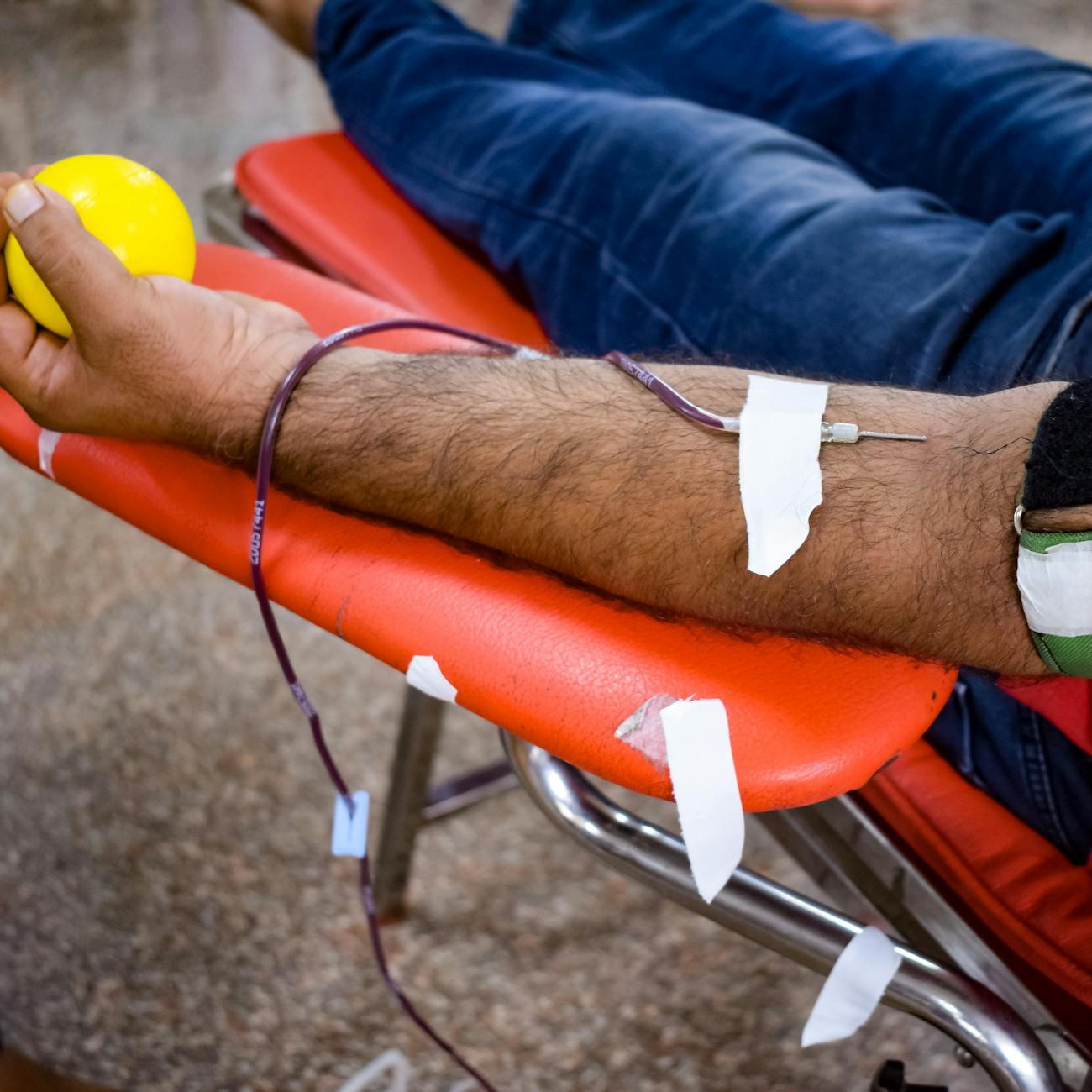
Donor Relationship Management (DRM) is a crucial aspect of fundraising and philanthropy that focuses on building and maintaining strong connections with donors to support organizations' missions and goals. In the Undergraduate Certificate in AI Fundraising and Philanthropy, understanding key terms and vocabulary related to DRM is essential for effectively managing donor relationships and maximizing fundraising efforts.
1. **Donor:** A donor is an individual, organization, or entity that contributes funds, resources, or support to a nonprofit organization or cause. Donors play a critical role in sustaining and advancing the mission of the organization.
2. **Relationship Management:** Relationship management refers to the strategies and practices used to cultivate and maintain strong connections with donors. It involves understanding donors' interests, preferences, and motivations to engage them effectively.
3. **Stewardship:** Stewardship is the process of responsibly managing and caring for the resources entrusted to an organization by donors. It includes acknowledging donors' contributions, communicating impact, and fostering long-term relationships.
4. **Engagement:** Donor engagement involves actively involving donors in the organization's activities, events, and initiatives. It aims to deepen donors' connection to the cause and inspire continued support.
5. **Retention:** Donor retention focuses on keeping donors engaged and connected to the organization over time. It is essential for building sustainable relationships and maximizing donor lifetime value.
6. **Solicitation:** Solicitation refers to the process of asking donors for contributions, whether financial or in-kind. It involves crafting compelling appeals, making donation requests, and securing support for the organization's initiatives.
7. **Prospect Research:** Prospect research involves identifying potential donors who may have an interest in supporting the organization. It includes gathering information on donors' giving history, interests, and capacity to contribute.
8. **Data Management:** Data management involves collecting, storing, and analyzing donor information to inform fundraising strategies and decision-making. It includes maintaining accurate donor records, tracking interactions, and measuring outcomes.
9. **Segmentation:** Segmentation involves categorizing donors into distinct groups based on shared characteristics, such as giving history, interests, or demographics. It enables organizations to tailor communication and engagement strategies to each donor segment.
10. **Personalization:** Personalization refers to customizing communications and interactions with donors to reflect their preferences, interests, and past interactions with the organization. It enhances donor engagement and fosters stronger relationships.
11. **Multi-channel Communication:** Multi-channel communication involves reaching donors through various channels, such as email, social media, direct mail, and events. It enables organizations to engage donors effectively across different platforms and touchpoints.
12. **Automation:** Automation involves using technology and software tools to streamline and automate donor communication, stewardship, and engagement processes. It helps organizations save time, improve efficiency, and personalize interactions at scale.
13. **AI Fundraising:** AI fundraising refers to the use of artificial intelligence and machine learning technologies to enhance fundraising efforts. It includes predictive analytics, donor segmentation, personalized messaging, and automation to optimize donor relationships and fundraising outcomes.
14. **Donor Journey:** The donor journey is the path that donors take from initial awareness of the organization to becoming loyal supporters. It includes stages such as discovery, engagement, solicitation, and stewardship, with each stage requiring tailored communication and engagement strategies.
15. **Major Gifts:** Major gifts are significant contributions made by donors that have the capacity to make substantial impact on the organization's mission. Major gifts are often solicited through personalized, high-touch approaches and require careful stewardship.
16. **Annual Fund:** The annual fund is a fundraising campaign that solicits donations from donors on a yearly basis to support the organization's operations and programs. It is a critical source of unrestricted funding for nonprofits.
17. **Campaign:** A campaign is a targeted fundraising initiative that aims to raise a specific amount of funds for a particular cause, project, or program. Campaigns often have defined goals, timelines, and strategies for engaging donors.
18. **Peer-to-Peer Fundraising:** Peer-to-peer fundraising involves empowering supporters and donors to fundraise on behalf of the organization by soliciting donations from their networks. It leverages social connections and personal relationships to expand the reach of fundraising efforts.
19. **Churn Rate:** Churn rate is the percentage of donors who stop supporting the organization over a given period. High churn rates can indicate issues with donor retention and engagement, requiring organizations to implement strategies to re-engage lapsed donors.
20. **Lifetime Value:** Donor lifetime value is the total amount of contributions a donor is expected to make to the organization over their lifetime. Calculating donor lifetime value helps organizations prioritize donor relationships and investments in fundraising strategies.
21. **Matching Gifts:** Matching gifts are donations made by employers that match the charitable contributions of their employees. Matching gift programs can double or even triple the impact of individual donors' contributions to nonprofits.
22. **Crowdfunding:** Crowdfunding is a fundraising method that involves raising small amounts of money from a large number of people, typically through online platforms. Crowdfunding campaigns often leverage social media and peer-to-peer networks to spread awareness and solicit donations.
23. **Impact Reporting:** Impact reporting involves communicating the outcomes and results of donors' contributions to demonstrate the effectiveness of the organization's programs and initiatives. It helps build donor trust, accountability, and transparency.
24. **Donor Recognition:** Donor recognition involves acknowledging and thanking donors for their contributions in meaningful ways. It can include naming opportunities, donor walls, thank-you letters, and exclusive events to show appreciation for donors' support.
25. **Donor Cultivation:** Donor cultivation is the process of building relationships with donors over time to inspire continued support and engagement. It involves personalized communication, stewardship activities, and strategic engagement to deepen donors' connection to the organization.
26. **Gift Acknowledgment:** Gift acknowledgment is the practice of promptly thanking donors for their contributions and acknowledging the impact of their support. It is an essential step in donor stewardship and relationship-building.
27. **Fundraising Plan:** A fundraising plan is a strategic roadmap that outlines the organization's fundraising goals, objectives, strategies, and tactics for achieving fundraising success. It guides fundraising efforts and helps organizations stay focused on their fundraising priorities.
28. **Donor Database:** A donor database is a centralized system that stores donor information, interactions, and giving history. It enables organizations to track donor relationships, segment donors, and personalize communication to enhance donor engagement.
29. **Donor Surveys:** Donor surveys are tools used to gather feedback, preferences, and insights from donors to inform fundraising strategies and communication efforts. Surveys help organizations better understand donors' motivations, interests, and preferences.
30. **Donor Engagement Score:** A donor engagement score is a metric used to measure donors' level of involvement, interaction, and connection with the organization. It helps identify highly engaged donors and prioritize stewardship efforts to strengthen donor relationships.
In the Undergraduate Certificate in AI Fundraising and Philanthropy, mastering these key terms and vocabulary related to Donor Relationship Management is essential for developing effective fundraising strategies, cultivating donor relationships, and maximizing fundraising outcomes. By understanding and applying these concepts, students can enhance their skills in donor engagement, stewardship, and retention to drive sustainable fundraising success in the nonprofit sector.
Key takeaways
- In the Undergraduate Certificate in AI Fundraising and Philanthropy, understanding key terms and vocabulary related to DRM is essential for effectively managing donor relationships and maximizing fundraising efforts.
- **Donor:** A donor is an individual, organization, or entity that contributes funds, resources, or support to a nonprofit organization or cause.
- **Relationship Management:** Relationship management refers to the strategies and practices used to cultivate and maintain strong connections with donors.
- **Stewardship:** Stewardship is the process of responsibly managing and caring for the resources entrusted to an organization by donors.
- **Engagement:** Donor engagement involves actively involving donors in the organization's activities, events, and initiatives.
- **Retention:** Donor retention focuses on keeping donors engaged and connected to the organization over time.
- It involves crafting compelling appeals, making donation requests, and securing support for the organization's initiatives.