
Fleet Procurement and Disposal
Fleet Procurement and Disposal:
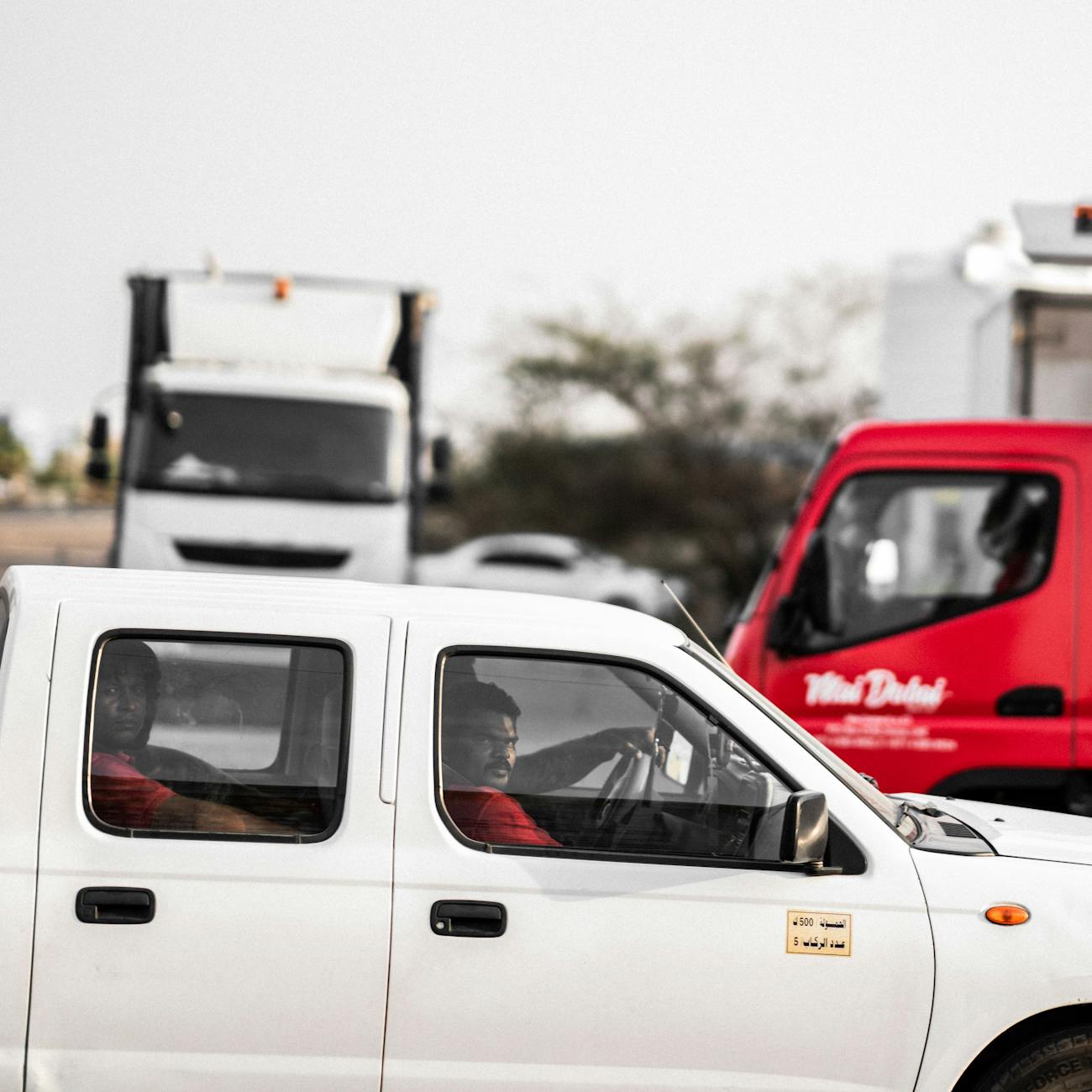
Fleet Procurement and Disposal:
Fleet procurement and disposal are essential aspects of vehicle fleet management. These processes involve acquiring new vehicles for a fleet and removing old or no longer needed vehicles from the fleet.
Fleet Procurement:
Fleet procurement refers to the process of acquiring new vehicles for a fleet. This process involves several key steps, including vehicle selection, purchasing, and fleet integration.
Key Terms:
1. Vehicle Selection: Vehicle selection is a crucial step in fleet procurement. It involves evaluating various factors such as cost, fuel efficiency, size, and purpose to determine the most suitable vehicles for the fleet. For example, a construction company may require heavy-duty trucks for transporting materials, while a delivery service may need fuel-efficient vans for urban deliveries.
2. Purchasing: Purchasing involves negotiating with suppliers, finalizing contracts, and acquiring the selected vehicles. This process requires careful consideration of pricing, warranties, and delivery timelines. Fleet managers must ensure that they obtain the best value for money and that the vehicles meet the fleet's requirements.
3. Fleet Integration: After purchasing new vehicles, fleet integration involves incorporating them into the existing fleet. This includes assigning vehicles to drivers, updating maintenance schedules, and ensuring that all necessary documentation is in place. Effective fleet integration is essential for seamless operations and optimal vehicle utilization.
Challenges:
Fleet procurement poses several challenges for fleet managers. These challenges include budget constraints, changing vehicle technology, and supplier reliability. Overcoming these challenges requires careful planning, effective communication, and a proactive approach to fleet management.
Disposal:
Fleet disposal refers to the process of removing old or no longer needed vehicles from the fleet. This process involves several key steps, including vehicle assessment, remarketing, and decommissioning.
Key Terms:
1. Vehicle Assessment: Vehicle assessment is a critical step in fleet disposal. It involves evaluating the condition of vehicles to determine their value and potential resale options. Factors such as age, mileage, and maintenance history influence the assessment process.
2. Remarketing: Remarketing involves selling or repurposing vehicles that are being disposed of. This process may include selling vehicles to third parties, transferring them to other departments within the organization, or auctioning them off. Remarketing aims to maximize the value of disposed vehicles and minimize financial losses.
3. Decommissioning: Decommissioning involves officially removing vehicles from the fleet and updating records accordingly. This process includes deregistering vehicles, canceling insurance policies, and transferring ownership to new owners. Proper decommissioning is essential for legal compliance and ensuring a smooth transition for the fleet.
Challenges:
Fleet disposal presents challenges such as determining optimal disposal methods, managing residual values, and complying with environmental regulations. Fleet managers must carefully plan and execute disposal strategies to minimize financial losses and environmental impact.
Life Cycle Management:
Life cycle management is a holistic approach to managing vehicles throughout their entire life cycle, from procurement to disposal. This approach involves optimizing vehicle performance, minimizing costs, and ensuring compliance with regulations at every stage of the vehicle's life.
Key Terms:
1. Total Cost of Ownership (TCO): Total Cost of Ownership (TCO) is a comprehensive measure that considers all costs associated with owning and operating a vehicle over its life cycle. TCO includes initial purchase price, maintenance costs, fuel expenses, insurance premiums, and resale value. By analyzing TCO, fleet managers can make informed decisions about vehicle procurement and disposal.
2. Depreciation: Depreciation refers to the decrease in the value of a vehicle over time. Vehicles depreciate due to factors such as wear and tear, age, and market demand. Understanding depreciation is crucial for determining the resale value of vehicles during disposal and calculating TCO accurately.
3. Environmental Impact: Environmental impact considers the ecological consequences of vehicle procurement and disposal. Fleet managers must assess the environmental impact of vehicle operations, including fuel consumption, emissions, and waste generation. Implementing eco-friendly practices such as using alternative fuels, promoting vehicle recycling, and reducing carbon emissions can help minimize the fleet's environmental footprint.
Best Practices:
Implementing best practices in fleet procurement and disposal is essential for optimizing fleet performance and achieving cost savings. Some key best practices include conducting regular fleet assessments, leveraging technology for data analysis, and fostering collaboration between departments. By following best practices, fleet managers can enhance operational efficiency, reduce risks, and improve overall fleet management.
Conclusion:
In conclusion, fleet procurement and disposal are critical processes in vehicle fleet management. By understanding key terms, challenges, and best practices associated with fleet procurement and disposal, fleet managers can make informed decisions, minimize costs, and maximize the value of their fleet. Implementing life cycle management principles and focusing on TCO, depreciation, and environmental impact can help organizations achieve sustainable and efficient fleet operations.
Key takeaways
- These processes involve acquiring new vehicles for a fleet and removing old or no longer needed vehicles from the fleet.
- This process involves several key steps, including vehicle selection, purchasing, and fleet integration.
- For example, a construction company may require heavy-duty trucks for transporting materials, while a delivery service may need fuel-efficient vans for urban deliveries.
- Purchasing: Purchasing involves negotiating with suppliers, finalizing contracts, and acquiring the selected vehicles.
- This includes assigning vehicles to drivers, updating maintenance schedules, and ensuring that all necessary documentation is in place.
- Overcoming these challenges requires careful planning, effective communication, and a proactive approach to fleet management.
- This process involves several key steps, including vehicle assessment, remarketing, and decommissioning.