
Urban Planning Theory
Urban Planning Theory
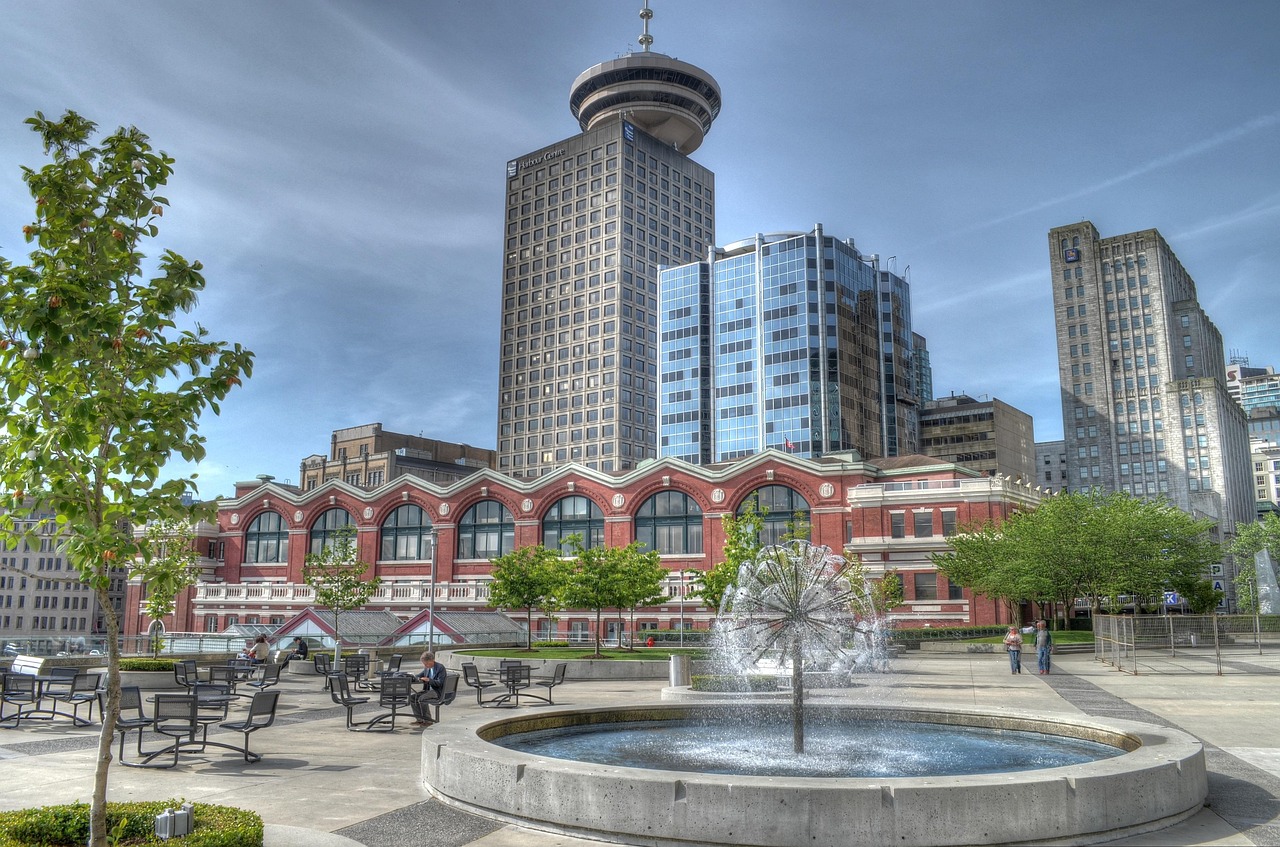
Urban Planning Theory
Urban planning theory is a field of study that focuses on the principles, methods, and practices of designing and managing urban areas to ensure sustainable development, efficient resource allocation, and the enhancement of quality of life for residents. It encompasses a wide range of topics, including land use, transportation, infrastructure, sustainability, social equity, and economic development. Urban planning theory plays a crucial role in shaping cities and communities, guiding decision-making processes, and addressing complex urban challenges.
Key Terms and Vocabulary
1. Land Use Land use refers to the purpose for which a particular piece of land is utilized. It includes residential, commercial, industrial, institutional, recreational, and open space uses. Effective land use planning is essential for optimizing the use of limited land resources, promoting economic growth, and creating vibrant and livable communities.
Example: Zoning regulations control land use by designating specific areas for different purposes, such as residential, commercial, or industrial activities.
2. Zoning Zoning is a legal tool used by municipalities to regulate land use and development within a designated area. It divides the land into different zones or districts with specific regulations governing the type of activities allowed in each zone. Zoning helps to prevent incompatible land uses, protect property values, and promote orderly development.
Example: A zoning ordinance may restrict the height of buildings in a residential zone to maintain the character of the neighborhood.
3. Smart Growth Smart growth is an urban planning approach that promotes sustainable development, compact urban form, mixed land uses, public transportation, and preservation of open space. It aims to create walkable, bikeable, and transit-friendly communities that reduce sprawl, congestion, and environmental impacts while enhancing quality of life.
Example: Transit-oriented development (TOD) is a smart growth strategy that promotes dense, mixed-use development around public transit stations to encourage transit ridership and reduce car dependency.
4. New Urbanism New Urbanism is a planning and design movement that advocates for the creation of mixed-use, pedestrian-friendly, and socially inclusive neighborhoods. It emphasizes traditional urban design principles, such as walkability, connectivity, diversity, and sustainability, to foster vibrant and cohesive communities.
Example: A new urbanist development may feature narrow streets, front porches, mixed-income housing, and public spaces to promote social interaction and a sense of community.
5. Transit-Oriented Development (TOD) Transit-oriented development (TOD) is a planning strategy that focuses on creating compact, mixed-use, and high-density developments around public transportation hubs. TOD aims to increase transit ridership, reduce car dependency, and promote sustainable land use patterns by integrating transportation and land use planning.
Example: A TOD project may include residential, commercial, and recreational amenities within walking distance of a transit station to encourage residents to use public transportation.
6. Environmental Planning Environmental planning involves the integration of environmental considerations into the urban planning process to protect natural resources, mitigate pollution, and promote sustainability. It seeks to balance economic development with environmental conservation, resilience, and climate adaptation to create healthy and resilient cities.
Example: Green infrastructure, such as rain gardens, permeable pavements, and green roofs, can be used in environmental planning to manage stormwater runoff, reduce urban heat island effects, and improve air quality.
7. Equity Planning Equity planning focuses on addressing social justice, fairness, and inclusivity in urban planning processes and outcomes. It seeks to reduce disparities in access to resources, services, and opportunities based on race, income, gender, age, or other factors to create more equitable and inclusive communities.
Example: Affordable housing policies, community benefits agreements, and anti-displacement measures are tools used in equity planning to ensure that all residents have access to affordable housing and services.
8. Resilient Planning Resilient planning involves preparing for and adapting to natural and man-made disasters, climate change, and other shocks and stresses to enhance the resilience of cities and communities. It focuses on building capacity, reducing vulnerabilities, and improving recovery and adaptation mechanisms to withstand and recover from adverse events.
Example: A resilient planning strategy may include floodplain management, emergency preparedness, green infrastructure, and land use regulations to reduce the impact of flooding and other hazards on communities.
9. Urban Design Urban design is the process of shaping the physical form, layout, and aesthetics of urban spaces, buildings, streets, and public places to create functional, attractive, and sustainable environments. It considers factors such as scale, proportion, symmetry, texture, color, and human behavior to enhance the quality of urban life.
Example: A well-designed public square may feature seating, landscaping, public art, lighting, and pedestrian amenities to encourage social interaction, recreation, and community events.
10. Mixed-Use Development Mixed-use development combines different land uses, such as residential, commercial, office, and recreational activities, within a single project or neighborhood. It promotes diversity, vitality, and walkability by creating vibrant and accessible environments that support a range of activities and attract a mix of users.
Example: A mixed-use development may include ground-floor retail shops, upper-floor apartments, offices, and public spaces to create a lively and diverse urban environment that encourages interaction and connectivity.
Challenges
Urban planning theory faces several challenges in practice, including:
1. Stakeholder Engagement: Engaging diverse stakeholders, such as residents, businesses, community groups, and government agencies, in the planning process to ensure inclusive decision-making and support for planning initiatives.
2. Data Collection and Analysis: Collecting and analyzing spatial data, demographic information, economic indicators, and other relevant data to inform evidence-based planning decisions and monitor the impact of planning interventions.
3. Funding and Resources: Securing adequate funding, resources, and capacity to implement planning projects, policies, and programs effectively and sustainably.
4. Policy Implementation: Translating planning theory into actionable policies, regulations, and projects that align with community needs, values, and aspirations while balancing competing interests and priorities.
5. Sustainability and Resilience: Addressing environmental, social, and economic sustainability challenges, such as climate change, resource depletion, inequality, and vulnerability, to create resilient and adaptive urban systems.
6. Equity and Inclusion: Promoting equity, diversity, and social justice in planning processes and outcomes to ensure that all residents have equal access to opportunities, services, and resources.
7. Governance and Decision-Making: Enhancing transparency, accountability, and efficiency in urban governance structures and decision-making processes to foster trust, collaboration, and effective implementation of planning initiatives.
8. Technology and Innovation: Leveraging technological advancements, digital tools, data analytics, and innovative solutions to enhance the efficiency, effectiveness, and inclusivity of urban planning practices.
Conclusion
Urban planning theory is a dynamic and multidisciplinary field that shapes the physical, social, economic, and environmental aspects of cities and communities. By understanding key terms and vocabulary related to urban planning theory, practitioners can develop a comprehensive knowledge base, critical thinking skills, and practical tools to address complex urban challenges, promote sustainable development, and create resilient and inclusive cities for future generations.
Key takeaways
- Urban planning theory plays a crucial role in shaping cities and communities, guiding decision-making processes, and addressing complex urban challenges.
- Effective land use planning is essential for optimizing the use of limited land resources, promoting economic growth, and creating vibrant and livable communities.
- Example: Zoning regulations control land use by designating specific areas for different purposes, such as residential, commercial, or industrial activities.
- It divides the land into different zones or districts with specific regulations governing the type of activities allowed in each zone.
- Example: A zoning ordinance may restrict the height of buildings in a residential zone to maintain the character of the neighborhood.
- Smart Growth Smart growth is an urban planning approach that promotes sustainable development, compact urban form, mixed land uses, public transportation, and preservation of open space.
- Example: Transit-oriented development (TOD) is a smart growth strategy that promotes dense, mixed-use development around public transit stations to encourage transit ridership and reduce car dependency.