
Event Audiovisual Integration
Event Audiovisual Integration: Event audiovisual integration refers to the seamless incorporation of audiovisual elements into an event to enhance the overall experience for attendees. This process involves the careful planning, coordinatio…
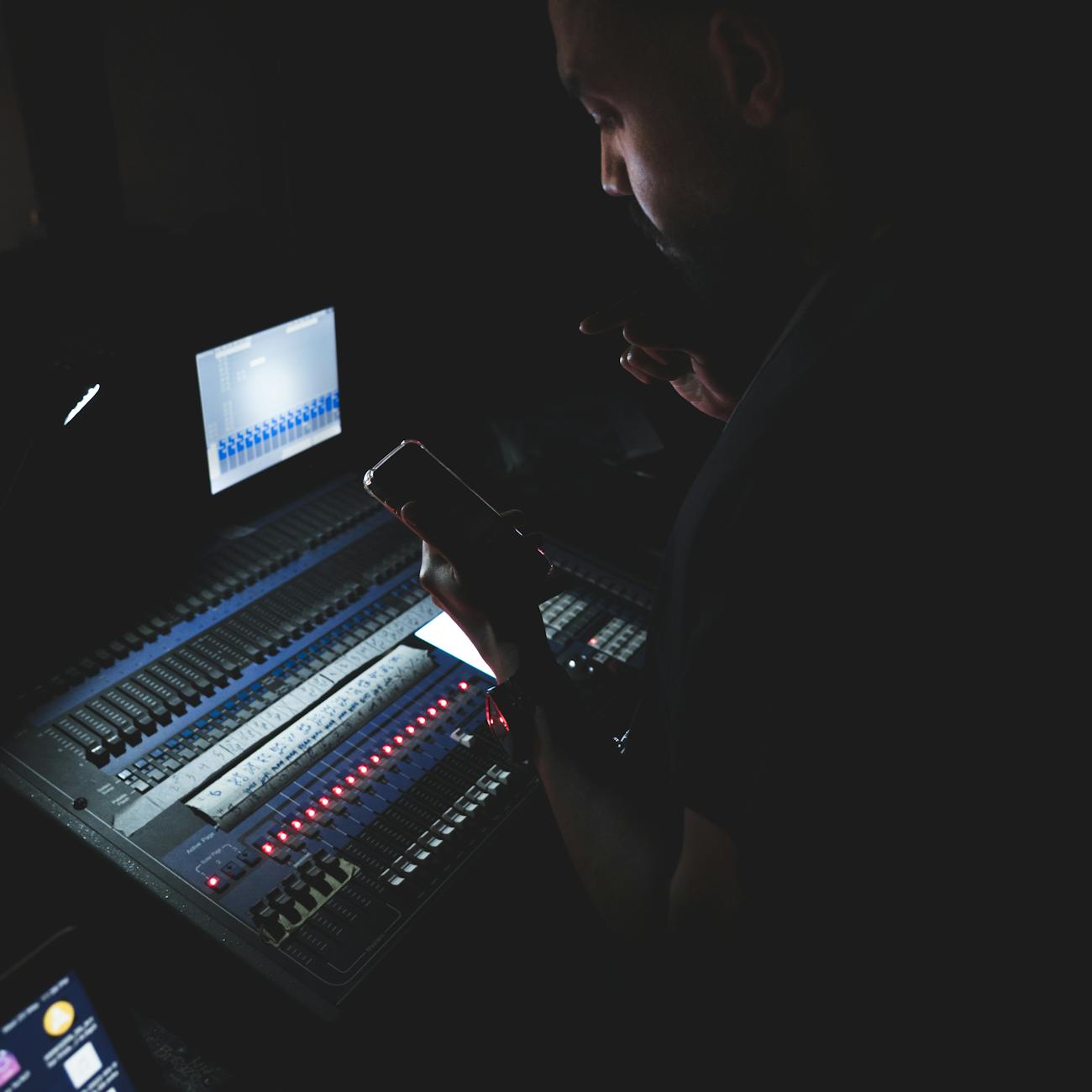
Event Audiovisual Integration: Event audiovisual integration refers to the seamless incorporation of audiovisual elements into an event to enhance the overall experience for attendees. This process involves the careful planning, coordination, and execution of audiovisual components to ensure they complement the event's goals and objectives.
Event: An event is a planned gathering of individuals for a specific purpose, such as a conference, trade show, seminar, or corporate meeting. Events can range in size and scope, from small intimate gatherings to large-scale productions.
Audiovisual: Audiovisual refers to the use of both sound and visual components in a presentation or event. This can include equipment such as microphones, speakers, projectors, screens, lighting, and other audiovisual tools.
Integration: Integration involves combining different elements or components to work together seamlessly. In the context of event audiovisual integration, it refers to the harmonious blending of audio and visual elements to create a cohesive and engaging experience for attendees.
Professional Certificate: A professional certificate is a credential awarded to individuals who have completed a specialized training program or course of study in a particular field. In this case, the Professional Certificate in Event Audiovisual Requirements certifies that individuals have acquired the necessary knowledge and skills to work in event audiovisual integration.
Requirements: Requirements are the specific criteria or standards that must be met in order to achieve a particular goal or outcome. In the context of event audiovisual requirements, it refers to the necessary elements and considerations that must be addressed when planning and executing audiovisual components for an event.
Key Terms and Vocabulary for Event Audiovisual Integration:
1. Audiovisual Equipment: Audiovisual equipment refers to the tools and devices used to produce and display audio and visual content during an event. This can include microphones, speakers, projectors, screens, lighting fixtures, cameras, and other audiovisual tools.
2. Sound System: The sound system is a critical component of event audiovisual integration, as it ensures that attendees can hear clearly and effectively. A sound system typically includes microphones, speakers, amplifiers, mixers, and other audio equipment.
3. Video Display: Video displays are used to showcase visual content such as presentations, videos, slideshows, and graphics during an event. This can include projectors, screens, LED walls, monitors, and other display devices.
4. Lighting: Lighting plays a crucial role in setting the mood and atmosphere of an event. Different lighting techniques can be used to highlight speakers, create ambiance, and enhance the overall visual experience for attendees.
5. Projection Mapping: Projection mapping is a technique that uses projectors to display images on irregular surfaces, such as buildings, stages, or objects. This innovative technology can create immersive and interactive visual displays that captivate audiences.
6. Live Streaming: Live streaming involves broadcasting an event in real-time over the internet, allowing remote viewers to participate virtually. This can be done through platforms such as YouTube, Facebook Live, or Zoom, expanding the reach of the event to a wider audience.
7. Interactive Technology: Interactive technology allows attendees to engage with the event in a more dynamic and participatory way. This can include interactive displays, touchscreens, virtual reality (VR), augmented reality (AR), and other interactive tools.
8. Audiovisual Production: Audiovisual production involves the planning, design, and execution of audiovisual elements for an event. This includes coordinating equipment, technicians, content creation, and logistics to ensure a successful audiovisual experience.
9. Event Design: Event design refers to the overall aesthetic and layout of an event, including the use of audiovisual elements to create a cohesive and visually appealing environment. Event designers work closely with audiovisual technicians to integrate audiovisual components seamlessly into the event.
10. Technical Support: Technical support is essential for ensuring that audiovisual components function properly throughout the event. This includes troubleshooting technical issues, maintaining equipment, and providing assistance to speakers and presenters.
11. Budgeting and Cost Management: Budgeting and cost management are crucial aspects of event audiovisual integration, as audiovisual components can be a significant expense. Event planners must carefully allocate funds to ensure that audiovisual requirements are met within the budget constraints.
12. Venue Selection and Logistics: The selection of a venue can impact the audiovisual requirements for an event, as different venues may have varying technical capabilities and restrictions. Event planners must consider logistics such as load-in/out, power supply, internet connectivity, and space constraints when planning audiovisual integration.
13. Content Creation and Curation: Content creation involves developing and organizing audiovisual material for the event, such as presentations, videos, slides, and graphics. Event planners must ensure that content is engaging, relevant, and aligned with the event's objectives.
14. Rehearsals and Run-Throughs: Rehearsals and run-throughs are essential for testing audiovisual components and ensuring that they function properly before the event. This allows technicians, presenters, and event staff to identify and address any issues or concerns in advance.
15. Audience Engagement: Audience engagement is a key goal of event audiovisual integration, as it involves captivating and involving attendees throughout the event. This can be achieved through interactive activities, audience polling, Q&A sessions, and other engagement strategies.
16. Sustainability and Green Practices: Sustainability and green practices are becoming increasingly important in event planning, including audiovisual integration. Event planners can reduce environmental impact by using energy-efficient equipment, minimizing waste, and adopting sustainable practices.
17. Accessibility and Inclusivity: Accessibility and inclusivity involve ensuring that audiovisual components are accessible to all attendees, including those with disabilities or special needs. This can include providing closed captioning, sign language interpretation, and other accommodations to make the event inclusive for everyone.
18. Crisis Management and Contingency Planning: Crisis management and contingency planning are essential for addressing unexpected challenges or disruptions during an event. Event planners must have contingency plans in place for technical failures, emergencies, or other unforeseen circumstances that may impact audiovisual integration.
19. Post-Event Evaluation and Feedback: After the event, it is important to evaluate the audiovisual components and gather feedback from attendees, speakers, and staff. This feedback can help identify areas for improvement and inform future event planning and audiovisual integration.
20. Innovation and Emerging Trends: Innovation and emerging trends in audiovisual technology play a significant role in shaping the future of event audiovisual integration. Event planners should stay informed about new technologies and trends to enhance the audiovisual experience and stay ahead of the curve.
Challenges and Considerations in Event Audiovisual Integration:
1. Technical Complexity: Event audiovisual integration can be technically complex, requiring specialized knowledge and skills to coordinate multiple audiovisual components effectively. Technical challenges such as connectivity issues, equipment malfunctions, and compatibility issues can arise during the event.
2. Budget Constraints: Budget constraints can limit the scope of audiovisual integration for an event, requiring event planners to make strategic decisions about prioritizing audiovisual elements within the budget. Balancing cost considerations with the desired audiovisual experience can be a challenge.
3. Venue Limitations: Different venues may have limitations in terms of technical capabilities, space constraints, and logistical challenges that can impact audiovisual integration. Event planners must carefully assess venue requirements and select a suitable location that can accommodate the audiovisual needs of the event.
4. Content Management: Managing and curating audiovisual content for an event can be a complex task, involving the coordination of presentations, videos, slides, and other visual material. Ensuring that content is engaging, relevant, and aligned with the event's objectives requires careful planning and organization.
5. Audience Engagement: Engaging attendees throughout the event is a key consideration in audiovisual integration, as passive listening can lead to disengagement and boredom. Event planners must incorporate interactive activities, audience participation, and engagement strategies to captivate attendees and enhance their experience.
6. Sustainability and Green Practices: Incorporating sustainability and green practices into audiovisual integration can present challenges, as it may require sourcing eco-friendly equipment, minimizing waste, and adopting sustainable practices. Event planners must balance the environmental impact of audiovisual components with the desired event experience.
7. Accessibility and Inclusivity: Ensuring that audiovisual components are accessible to all attendees, including those with disabilities or special needs, can present challenges in event planning. Providing accommodations such as closed captioning, sign language interpretation, and accessible seating requires careful consideration and planning.
8. Crisis Management and Contingency Planning: Developing contingency plans for technical failures, emergencies, or other disruptions is essential for effective crisis management during an event. Event planners must anticipate potential challenges and have protocols in place to address unforeseen circumstances that may impact audiovisual integration.
9. Post-Event Evaluation and Feedback: Collecting feedback from attendees, speakers, and staff after the event is important for identifying areas of improvement in audiovisual integration. Evaluating the success of audiovisual components and incorporating feedback into future event planning can help enhance the overall event experience.
10. Innovation and Emerging Trends: Staying informed about innovation and emerging trends in audiovisual technology is crucial for staying competitive and delivering cutting-edge audiovisual experiences. Event planners must continuously research new technologies and trends to leverage innovative solutions and enhance event audiovisual integration.
Key takeaways
- Event Audiovisual Integration: Event audiovisual integration refers to the seamless incorporation of audiovisual elements into an event to enhance the overall experience for attendees.
- Event: An event is a planned gathering of individuals for a specific purpose, such as a conference, trade show, seminar, or corporate meeting.
- This can include equipment such as microphones, speakers, projectors, screens, lighting, and other audiovisual tools.
- In the context of event audiovisual integration, it refers to the harmonious blending of audio and visual elements to create a cohesive and engaging experience for attendees.
- In this case, the Professional Certificate in Event Audiovisual Requirements certifies that individuals have acquired the necessary knowledge and skills to work in event audiovisual integration.
- In the context of event audiovisual requirements, it refers to the necessary elements and considerations that must be addressed when planning and executing audiovisual components for an event.
- Audiovisual Equipment: Audiovisual equipment refers to the tools and devices used to produce and display audio and visual content during an event.