
Artificial Intelligence in A&R
Artificial Intelligence (AI) in the music industry is revolutionizing the way music is created, produced, distributed, and consumed. As the music business continues to evolve, AI is playing an increasingly important role in A&R (Artists and…
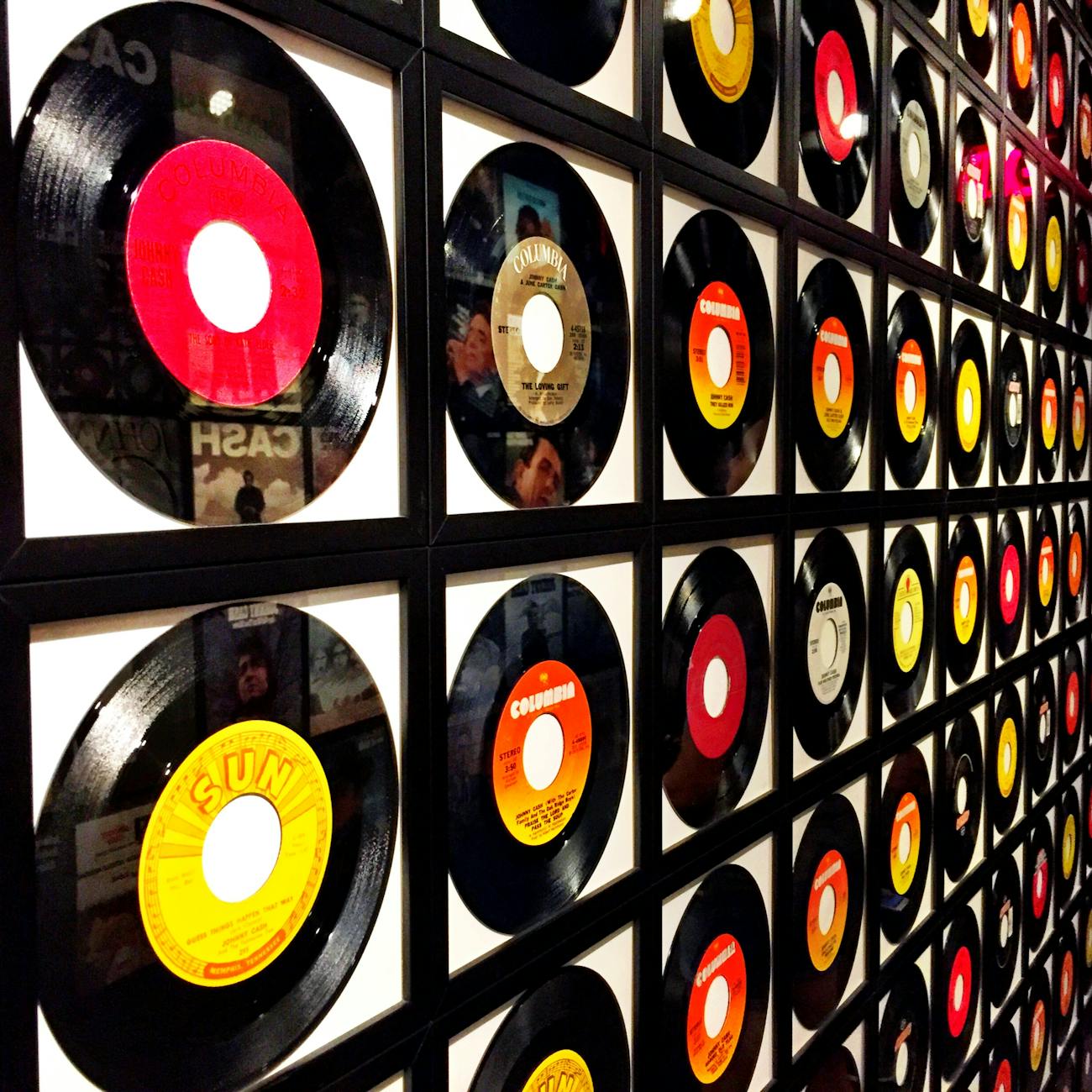
Artificial Intelligence (AI) in the music industry is revolutionizing the way music is created, produced, distributed, and consumed. As the music business continues to evolve, AI is playing an increasingly important role in A&R (Artists and Repertoire), a critical function in the industry responsible for discovering and nurturing talent. Understanding key terms and vocabulary related to AI in A&R is essential for music professionals looking to leverage this technology to stay competitive and innovative in the digital age.
1. **Artificial Intelligence (AI):** - AI refers to the simulation of human intelligence processes by machines, particularly computer systems. AI technologies enable machines to perform tasks that typically require human intelligence, such as learning, reasoning, problem-solving, perception, and understanding natural language.
2. **Machine Learning (ML):** - Machine Learning is a subset of AI that focuses on developing algorithms and statistical models that enable computers to learn from and make predictions or decisions based on data without being explicitly programmed. ML algorithms can analyze data, identify patterns, and make decisions with minimal human intervention.
3. **Deep Learning:** - Deep Learning is a type of ML that uses artificial neural networks with multiple layers to model and represent complex patterns in data. Deep Learning algorithms have been particularly successful in tasks such as image recognition, speech recognition, and natural language processing.
4. **Natural Language Processing (NLP):** - Natural Language Processing is a branch of AI that focuses on the interaction between computers and humans using natural language. NLP enables computers to understand, interpret, and generate human language, allowing for tasks such as sentiment analysis, language translation, and text generation.
5. **Data Mining:** - Data Mining is the process of discovering patterns, trends, and insights from large datasets using various techniques such as machine learning, statistics, and database systems. In the context of A&R, data mining can help music professionals analyze vast amounts of data to identify promising artists and trends.
6. **Big Data:** - Big Data refers to large volumes of structured and unstructured data that cannot be processed using traditional data processing techniques. Big Data analytics involves using advanced technologies to analyze, process, and extract valuable insights from massive datasets.
7. **Predictive Analytics:** - Predictive Analytics is the practice of using data, statistical algorithms, and machine learning techniques to identify the likelihood of future outcomes based on historical data. In A&R, predictive analytics can help music professionals predict the success of artists, songs, and albums.
8. **Algorithm:** - An algorithm is a set of rules or instructions designed to perform a specific task or solve a particular problem. In the context of AI in A&R, algorithms are used to analyze data, make recommendations, and automate decision-making processes.
9. **Feature Extraction:** - Feature Extraction is the process of selecting and transforming relevant data attributes or features from raw data to facilitate machine learning algorithms' performance. In A&R, feature extraction can help identify key characteristics of artists and music tracks for analysis.
10. **Recommendation System:** - A Recommendation System is a type of AI technology that provides personalized recommendations to users based on their preferences, behavior, and historical data. In the music industry, recommendation systems can suggest new artists, songs, and playlists to listeners.
11. **Collaborative Filtering:** - Collaborative Filtering is a recommendation system technique that predicts users' preferences by leveraging the preferences of similar users. Collaborative filtering algorithms can recommend music based on the preferences of users with similar listening habits.
12. **Content-Based Filtering:** - Content-Based Filtering is a recommendation system technique that suggests items similar to those a user has liked in the past. In music A&R, content-based filtering can recommend artists or songs based on their musical characteristics and genres.
13. **Clustering:** - Clustering is a machine learning technique that groups similar data points into clusters based on their features or characteristics. In A&R, clustering can help music professionals identify artist similarities, genre trends, and audience segments.
14. **Sentiment Analysis:** - Sentiment Analysis is a natural language processing technique that determines the sentiment or opinion expressed in text data, such as social media posts, reviews, and comments. In A&R, sentiment analysis can help gauge public opinion about artists and their music.
15. **Feature Engineering:** - Feature Engineering is the process of selecting, transforming, and creating new features from raw data to improve machine learning model performance. In A&R, feature engineering can involve extracting music features like tempo, key, and mood to analyze artist styles and genres.
16. **Overfitting:** - Overfitting occurs when a machine learning model learns the details and noise in the training data to the extent that it negatively impacts the model's performance on new data. Overfitting can lead to inaccurate predictions and unreliable recommendations in A&R applications.
17. **Underfitting:** - Underfitting happens when a machine learning model is too simple to capture the underlying patterns in the data, leading to poor performance on both the training and test datasets. Underfitting can result in suboptimal recommendations and limited insights in A&R analysis.
18. **Bias-Variance Tradeoff:** - The Bias-Variance Tradeoff is a fundamental concept in machine learning that balances model bias (underfitting) and variance (overfitting) to achieve optimal predictive performance. In A&R, understanding the bias-variance tradeoff is crucial for developing accurate and reliable AI models.
19. **Cross-Validation:** - Cross-Validation is a technique used to evaluate machine learning models by partitioning the training data into multiple subsets for training and testing. Cross-validation helps assess a model's performance and generalization ability in A&R applications.
20. **Feature Importance:** - Feature Importance is a measure that indicates the significance of input features in a machine learning model's predictions. Understanding feature importance can help music professionals identify key factors influencing artist success and audience preferences.
21. **Hyperparameter Tuning:** - Hyperparameter Tuning involves optimizing the hyperparameters of a machine learning model to improve its performance and generalization ability. In A&R, hyperparameter tuning can enhance the accuracy and efficiency of AI algorithms for artist discovery and recommendation.
22. **Reinforcement Learning:** - Reinforcement Learning is a type of machine learning that involves training algorithms to make sequential decisions by rewarding or punishing their actions based on feedback. Reinforcement learning can be applied in A&R to optimize artist promotion strategies and marketing campaigns.
23. **GANs (Generative Adversarial Networks):** - GANs are a type of deep learning model that consists of two neural networks, a generator and a discriminator, trained simultaneously to generate realistic data samples. In the music industry, GANs can be used to create new music compositions or styles based on existing tracks.
24. **AI Ethics:** - AI Ethics refers to the moral principles and guidelines that govern the development, deployment, and use of artificial intelligence technologies. In A&R, considering AI ethics is crucial to ensuring fair, transparent, and responsible practices in talent discovery and promotion.
25. **Bias in AI:** - Bias in AI refers to the unfair or prejudiced treatment of individuals or groups based on their demographic characteristics or historical data. Addressing bias in AI models is essential in A&R to prevent discriminatory outcomes and promote diversity and inclusivity in the music industry.
26. **Explainable AI (XAI):** - Explainable AI is an approach to designing AI systems that can explain their decisions and predictions in a human-understandable manner. XAI is important in A&R to enhance transparency, trust, and accountability in AI-driven artist selection and recommendation processes.
27. **AI-Generated Music:** - AI-Generated Music is music created or composed by artificial intelligence algorithms without direct human intervention. AI-generated music presents new opportunities for creativity, experimentation, and collaboration in the music industry, challenging traditional notions of authorship and creativity.
28. **AI-Assisted Songwriting:** - AI-Assisted Songwriting involves using artificial intelligence tools and algorithms to assist musicians and songwriters in the creative process. AI tools can help generate melodies, lyrics, and chord progressions, inspiring new musical ideas and enhancing productivity in music composition.
29. **Blockchain in Music:** - Blockchain technology is a decentralized, secure, and transparent digital ledger that records transactions and data across a network of computers. In the music industry, blockchain can be used to track and manage music rights, royalties, and licensing agreements, providing transparency and efficiency in A&R processes.
30. **Virtual Assistants:** - Virtual Assistants are AI-powered software applications that can perform tasks, answer questions, and provide recommendations through natural language interactions. In A&R, virtual assistants can help music professionals streamline artist discovery, contract management, and promotional activities.
31. **Augmented Reality (AR) in Music:** - Augmented Reality is a technology that overlays digital information or content onto the real world through devices like smartphones or AR glasses. In the music industry, AR can enhance live performances, music videos, and fan engagement experiences, creating immersive and interactive entertainment.
32. **Computer Vision:** - Computer Vision is a field of artificial intelligence that focuses on enabling computers to interpret and understand visual information from the real world, such as images and videos. In A&R, computer vision can be used to analyze artist visuals, album covers, and music videos for content recommendation and promotion.
33. **AI-Driven Marketing:** - AI-Driven Marketing involves using artificial intelligence technologies to optimize marketing strategies, personalize customer experiences, and analyze marketing performance data. In A&R, AI-driven marketing can help music professionals target specific audience segments, track campaign effectiveness, and drive artist promotion.
34. **Neural Networks:** - Neural Networks are a type of AI model inspired by the human brain's structure and function, consisting of interconnected nodes or neurons that process and transmit information. Neural networks are commonly used in deep learning algorithms for tasks such as image recognition, speech synthesis, and music generation.
35. **Cognitive Computing:** - Cognitive Computing is a branch of AI that focuses on creating systems that can simulate human thought processes, such as learning, reasoning, and problem-solving. Cognitive computing technologies can enhance A&R activities by analyzing complex music data, identifying trends, and making informed decisions.
36. **AI Chatbots:** - AI Chatbots are virtual assistants powered by artificial intelligence that can engage in conversations with users through text or speech interfaces. In A&R, AI chatbots can help music professionals interact with fans, collect feedback, and provide artist updates, enhancing customer engagement and satisfaction.
37. **Personalization in Music:** - Personalization in Music refers to tailoring music recommendations, playlists, and experiences to individual listener preferences and behavior. AI technologies enable personalized music discovery and consumption, enhancing user engagement, retention, and satisfaction in the music industry.
38. **Emotion Recognition:** - Emotion Recognition is a technology that uses AI algorithms to analyze facial expressions, vocal tones, and physiological signals to detect and interpret human emotions. In A&R, emotion recognition can help music professionals understand audience reactions, sentiment, and engagement with artists and music content.
39. **AI Music Licensing:** - AI Music Licensing involves using artificial intelligence technologies to manage music rights, licensing agreements, and royalty payments in the music industry. AI can streamline the licensing process, ensure copyright compliance, and facilitate fair compensation for artists and creators in A&R transactions.
40. **Music Copyright Detection:** - Music Copyright Detection is the process of using AI algorithms to identify and protect copyrighted music content from unauthorized use or infringement. AI tools can analyze audio fingerprints, metadata, and digital signatures to detect plagiarism and enforce copyright regulations in A&R operations.
41. **Automated Music Production:** - Automated Music Production involves using AI algorithms and tools to automate music composition, arrangement, mixing, and mastering processes. AI-driven music production can accelerate creative workflows, improve production quality, and empower artists to experiment with new sounds and styles.
42. **AI Music Analysis:** - AI Music Analysis refers to using artificial intelligence technologies to analyze music content, extract features, and derive insights from audio data. AI music analysis can help music professionals understand musical trends, genres, and audience preferences, informing A&R decisions and strategies.
43. **Live Music Streaming:** - Live Music Streaming is the real-time delivery of music performances over the internet to remote audiences. AI technologies can enhance live music streaming experiences by optimizing audio quality, video streaming, and audience engagement features, creating immersive and interactive concerts and events.
44. **Music Data Visualization:** - Music Data Visualization involves representing music-related data, such as artist discographies, genre trends, and streaming metrics, in visual formats like charts, graphs, and maps. AI-powered data visualization tools can help music professionals analyze and interpret complex music data for A&R insights and decision-making.
45. **AI Music Curation:** - AI Music Curation is the process of using artificial intelligence algorithms to curate and recommend music playlists, albums, and tracks to listeners based on their preferences and listening habits. AI music curation platforms can personalize music discovery experiences, increase engagement, and drive music consumption in the digital music landscape.
46. **Music Genre Classification:** - Music Genre Classification is a task in AI that involves categorizing music tracks into specific genres based on their audio features, instrumentation, and stylistic characteristics. AI algorithms can automatically classify music genres, enabling music professionals to organize music libraries, recommend related tracks, and analyze genre trends in A&R operations.
47. **AI-Driven Concert Promotion:** - AI-Driven Concert Promotion involves using artificial intelligence technologies to optimize concert promotion strategies, target relevant audiences, and maximize ticket sales for live music events. AI can analyze audience preferences, location data, and social media interactions to personalize concert promotions and improve event marketing in the music industry.
48. **Music Industry Disruption:** - Music Industry Disruption refers to the significant changes and challenges faced by the music business due to technological advancements, digital transformation, and AI innovation. AI technologies are disrupting traditional A&R practices, business models, and revenue streams, shaping the future of the music industry and redefining artist success and sustainability.
49. **AI Music Collaboration:** - AI Music Collaboration involves artists, musicians, and AI systems working together to create, produce, and perform music collaboratively. AI tools can assist artists in composing, arranging, and producing music, facilitating creative exploration, experimentation, and innovation in music creation and performance.
50. **AI Music Business Models:** - AI Music Business Models are innovative strategies and frameworks that leverage artificial intelligence technologies to drive revenue, engage audiences, and empower artists in the music industry. AI-driven business models can optimize music distribution, licensing, promotion, and monetization processes, transforming the way music is created, consumed, and monetized in the digital age.
In conclusion, mastering the key terms and vocabulary related to Artificial Intelligence in A&R is essential for music professionals seeking to harness the power of AI technologies to innovate, collaborate, and succeed in the dynamic music business landscape. By understanding and applying these concepts in practice, music professionals can unlock new opportunities, enhance decision-making capabilities, and stay ahead of the curve in the evolving music industry driven by AI innovation and creativity.
Key takeaways
- As the music business continues to evolve, AI is playing an increasingly important role in A&R (Artists and Repertoire), a critical function in the industry responsible for discovering and nurturing talent.
- AI technologies enable machines to perform tasks that typically require human intelligence, such as learning, reasoning, problem-solving, perception, and understanding natural language.
- ML algorithms can analyze data, identify patterns, and make decisions with minimal human intervention.
- **Deep Learning:** - Deep Learning is a type of ML that uses artificial neural networks with multiple layers to model and represent complex patterns in data.
- **Natural Language Processing (NLP):** - Natural Language Processing is a branch of AI that focuses on the interaction between computers and humans using natural language.
- **Data Mining:** - Data Mining is the process of discovering patterns, trends, and insights from large datasets using various techniques such as machine learning, statistics, and database systems.
- **Big Data:** - Big Data refers to large volumes of structured and unstructured data that cannot be processed using traditional data processing techniques.