
Sustainable Building Design and Construction
Sustainable Building Design and Construction is a critical component of the Postgraduate Certificate in Proptech and Smart Building Solutions. This field focuses on the development and implementation of building practices that minimize nega…
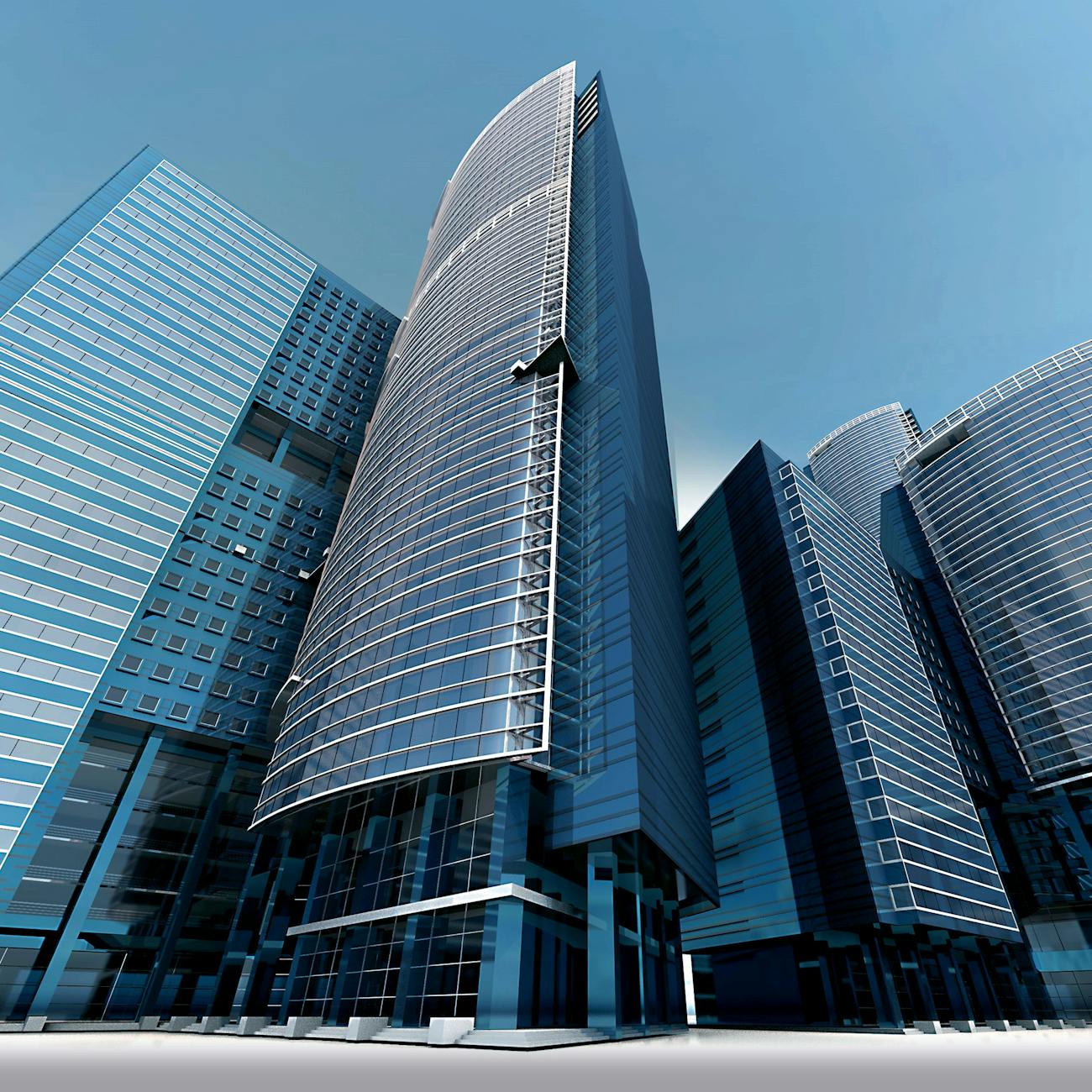
Sustainable Building Design and Construction is a critical component of the Postgraduate Certificate in Proptech and Smart Building Solutions. This field focuses on the development and implementation of building practices that minimize negative environmental impacts, conserve natural resources, and create healthy and productive indoor environments. This explanation will cover key terms and vocabulary related to sustainable building design and construction.
1. Sustainable Building: A sustainable building is designed and constructed to minimize its environmental impact, conserve energy and water, and provide a healthy and productive indoor environment for its occupants. Sustainable buildings use materials and systems that reduce waste, are durable, and can be easily maintained. 2. Life-Cycle Assessment (LCA): LCA is a tool used to evaluate the environmental impact of a building or product over its entire life cycle, from raw material extraction to end-of-life disposal. LCA considers all stages of a building's life, including design, construction, operation, maintenance, and disposal. 3. Green Building Rating Systems: Green building rating systems, such as LEED (Leadership in Energy and Environmental Design), BREEAM (Building Research Establishment Environmental Assessment Method), and WELL, provide a framework for evaluating and certifying the environmental performance of buildings. These systems assess a building's performance in areas such as energy efficiency, water conservation, indoor air quality, and materials selection. 4. Energy Efficiency: Energy efficiency is the practice of using less energy to perform the same task. In building design, energy efficiency can be achieved through the use of high-performance building envelopes, energy-efficient HVAC systems, and renewable energy sources. 5. Building Envelope: The building envelope is the physical barrier between the indoor and outdoor environments. It includes the walls, roof, windows, and doors. A high-performance building envelope is designed to minimize heat loss and gain, reduce air infiltration, and control moisture. 6. Renewable Energy: Renewable energy is energy derived from resources that are naturally replenished, such as solar, wind, and geothermal. Renewable energy systems, such as solar panels and wind turbines, can be integrated into building design to reduce energy consumption and greenhouse gas emissions. 7. Green Roofs: Green roofs are roofs that are partially or completely covered with vegetation. Green roofs provide a number of benefits, including stormwater management, energy efficiency, and improved air quality. 8. Daylighting: Daylighting is the practice of using natural light to illuminate building interiors. Daylighting can reduce energy consumption, improve visual comfort, and enhance occupant productivity. 9. Smart Building: A smart building is a building that uses technology to optimize its performance and enhance the occupant experience. Smart buildings use sensors, automation systems, and data analytics to monitor and control building systems, such as HVAC, lighting, and security. 10. Internet of Things (IoT): The Internet of Things (IoT) is a network of connected devices, sensors, and systems that communicate with each other to collect, analyze, and act on data. In building design, IoT can be used to monitor and control building systems, improve energy efficiency, and enhance occupant comfort and productivity. 11. Building Information Modeling (BIM): Building Information Modeling (BIM) is a digital tool used for building design, construction, and operation. BIM creates a 3D model of a building that contains information about the building's components, systems, and performance. BIM can be used to improve collaboration, reduce errors, and optimize building performance. 12. Integrated Design: Integrated design is a collaborative approach to building design that involves all stakeholders, including architects, engineers, contractors, and owners, in the design process. Integrated design aims to optimize building performance, reduce waste, and minimize environmental impact. 13. Healthy Building Materials: Healthy building materials are materials that do not contain harmful chemicals or pollutants. Healthy building materials can improve indoor air quality, reduce off-gassing, and enhance occupant health and well-being. 14. Water Conservation: Water conservation is the practice of using water efficiently and reducing water waste. In building design, water conservation can be achieved through the use of low-flow fixtures, rainwater harvesting, and greywater recycling. 15. Resilient Design
: Resilient design is the practice of designing buildings and communities to withstand and recover from natural and man-made disasters. Resilient design aims to reduce the risk of damage, protect occupants and assets, and ensure continuity of operations.
In conclusion, sustainable building design and construction is a critical component of the Postgraduate Certificate in Proptech and Smart Building Solutions. This field involves the use of a variety of tools, techniques, and strategies to minimize environmental impact, conserve resources, and create healthy and productive indoor environments. By understanding the key terms and vocabulary related to sustainable building design and construction, students can better understand the challenges and opportunities in this field and contribute to the development of more sustainable buildings and communities.
Key takeaways
- This field focuses on the development and implementation of building practices that minimize negative environmental impacts, conserve natural resources, and create healthy and productive indoor environments.
- Sustainable Building: A sustainable building is designed and constructed to minimize its environmental impact, conserve energy and water, and provide a healthy and productive indoor environment for its occupants.
- : Resilient design is the practice of designing buildings and communities to withstand and recover from natural and man-made disasters.
- This field involves the use of a variety of tools, techniques, and strategies to minimize environmental impact, conserve resources, and create healthy and productive indoor environments.