
Health and Safety Policies
Health and Safety Policies
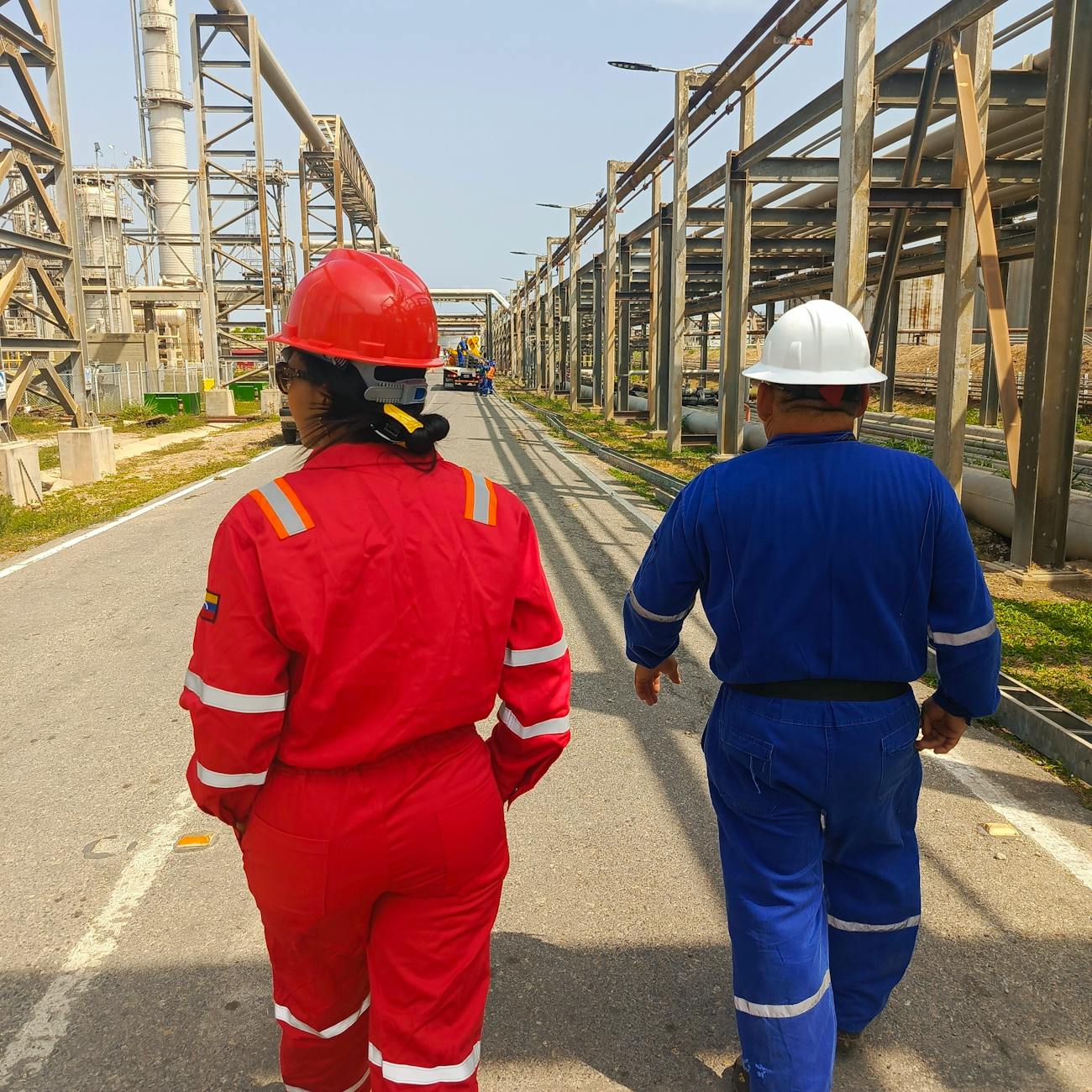
Health and Safety Policies
Health and Safety Policies are crucial documents that outline an organization's commitment to providing a safe and healthy work environment for its employees. These policies detail the procedures, protocols, and guidelines that employees must follow to ensure their well-being while at work. In the maritime industry, where employees face unique risks and challenges, having robust Health and Safety Policies is essential to prevent accidents, injuries, and illnesses.
Key Terms and Vocabulary
1. Risk Assessment: A process used to identify potential hazards in the workplace and evaluate the likelihood of these hazards causing harm to employees. Risk assessments help organizations prioritize safety measures and allocate resources effectively.
2. Hazard Identification: The process of recognizing potential sources of harm or danger in the workplace. Hazards can be physical, chemical, biological, or ergonomic and must be identified to mitigate risks effectively.
3. Personal Protective Equipment (PPE): Equipment designed to protect employees from hazards in the workplace. Examples of PPE in the maritime industry include safety helmets, gloves, safety goggles, and life jackets.
4. Emergency Response Plan: A detailed plan that outlines the procedures to follow in case of an emergency, such as a fire, natural disaster, or medical emergency. Having an effective emergency response plan is critical for ensuring the safety and well-being of employees.
5. Incident Reporting: The process of documenting and reporting any workplace accidents, injuries, or near misses. Incident reporting helps organizations identify trends, implement corrective actions, and prevent future incidents.
6. Compliance: The act of following laws, regulations, and industry standards related to health and safety. Compliance with health and safety requirements is essential for avoiding fines, penalties, and reputational damage.
7. Safety Culture: The shared values, beliefs, and attitudes toward safety within an organization. A positive safety culture encourages employees to prioritize safety, report hazards, and engage in safety-related activities.
8. Training and Education: The process of providing employees with the knowledge and skills they need to work safely. Training and education on health and safety topics are essential for ensuring that employees understand risks and know how to protect themselves.
9. Workplace Inspections: Regular assessments of the workplace to identify hazards, non-compliance with safety regulations, and opportunities for improvement. Workplace inspections help organizations maintain a safe and healthy work environment.
10. Behavior-Based Safety: A safety approach that focuses on changing employee behaviors to improve safety performance. Behavior-based safety programs encourage employees to take personal responsibility for their safety and the safety of their colleagues.
11. Near Miss Reporting: The reporting of incidents or situations that could have resulted in harm but did not. Near miss reporting helps organizations identify potential hazards and prevent future accidents.
12. Health and Safety Committee: A group of employees responsible for promoting and monitoring health and safety practices in the workplace. Health and Safety Committees play a crucial role in implementing policies, identifying risks, and engaging employees in safety initiatives.
13. Root Cause Analysis: A method used to identify the underlying causes of incidents or accidents in the workplace. Root cause analysis helps organizations address systemic issues and prevent similar incidents from occurring in the future.
14. Occupational Health: The branch of public health focused on preventing and managing work-related illnesses and injuries. Occupational health programs aim to protect employees from occupational hazards and promote their overall well-being.
15. Workplace Ergonomics: The science of designing the workplace to fit the needs of the employee. Ergonomic principles help prevent musculoskeletal disorders and improve employee comfort and productivity.
16. Chemical Safety: The management of hazardous chemicals in the workplace to prevent exposure and protect employees from harm. Chemical safety programs include proper labeling, storage, handling, and disposal of chemicals.
17. Confined Space Entry: The process of entering and working in confined spaces, such as tanks, boilers, and cargo holds. Confined space entry procedures are essential for ensuring the safety of employees in confined spaces.
18. Fatigue Management: Strategies and policies aimed at preventing fatigue-related incidents in the workplace. Fatigue management programs address factors such as long working hours, shift work, and inadequate rest periods.
19. Environmental Health and Safety (EHS): The discipline that focuses on protecting the environment and ensuring the health and safety of employees. EHS programs aim to minimize environmental impact and promote sustainable practices.
20. Safety Data Sheets (SDS): Documents that provide information on the hazards of chemicals, as well as safe handling, storage, and disposal procedures. Safety data sheets are essential for ensuring the safe use of chemicals in the workplace.
21. Hot Work Permit: Authorization required for any work that involves open flames, sparks, or high temperatures. Hot work permits help prevent fires and explosions in the workplace.
22. Lockout/Tagout: A safety procedure used to control hazardous energy sources during maintenance or servicing of equipment. Lockout/tagout procedures prevent accidental startup of machinery and protect employees from injury.
23. Safety Management System (SMS): A systematic approach to managing safety in the workplace. Safety management systems include policies, procedures, and processes to identify, assess, and control risks.
24. Drug and Alcohol Policy: A policy that outlines the organization's stance on drug and alcohol use in the workplace. Drug and alcohol policies include testing procedures, disciplinary actions, and support programs for employees.
25. Maritime Labour Convention (MLC): An international treaty that sets out minimum standards for seafarers' living and working conditions. The MLC aims to protect the rights and well-being of seafarers worldwide.
26. Health and Safety Training: Educational programs that provide employees with the knowledge and skills they need to work safely. Health and safety training covers topics such as hazard recognition, PPE use, emergency response, and workplace ergonomics.
27. Environmental Management System (EMS): A framework for managing an organization's environmental responsibilities. Environmental management systems help organizations minimize their environmental impact and comply with environmental regulations.
28. Permit to Work (PTW): A formal authorization required before carrying out high-risk activities in the workplace. Permit to work systems ensure that proper precautions are taken and hazards are controlled during work activities.
29. Seafarer Welfare: The provision of essential services and support to seafarers to ensure their well-being while at sea. Seafarer welfare programs address issues such as mental health, communication with families, and access to medical care.
30. Maritime Labour Certificate: A document issued to ships that comply with the requirements of the Maritime Labour Convention. Maritime Labour Certificates demonstrate a ship's commitment to providing safe and decent working conditions for seafarers.
Practical Applications
1. Conducting a Risk Assessment: Before implementing any health and safety policies, organizations should conduct a thorough risk assessment to identify potential hazards and prioritize safety measures. For example, a maritime company may assess risks associated with working at heights, handling hazardous materials, or operating machinery on board ships.
2. Providing PPE Training: Employees should receive training on the proper use, maintenance, and disposal of personal protective equipment. For instance, maritime workers should be trained on how to wear and care for life jackets, safety harnesses, and other PPE required for working at sea.
3. Implementing an Emergency Response Plan: Organizations should develop and communicate an emergency response plan to all employees. In the maritime industry, this plan should include procedures for responding to onboard emergencies such as fires, collisions, or man overboard situations.
4. Conducting Workplace Inspections: Regular workplace inspections help identify hazards, ensure compliance with safety regulations, and maintain a safe working environment. Maritime companies should conduct inspections of ships, terminals, and other facilities to address safety issues proactively.
5. Promoting a Positive Safety Culture: Organizations should foster a culture of safety where employees feel empowered to report hazards, participate in safety initiatives, and prioritize safety in their daily activities. For example, maritime companies can recognize and reward employees who demonstrate exemplary safety practices.
6. Providing Fatigue Management Programs: Given the demanding nature of work at sea, maritime companies should implement fatigue management programs to prevent accidents caused by fatigue. These programs may include scheduling practices, rest periods, and education on the importance of sleep hygiene.
7. Conducting Root Cause Analysis: In the event of an incident or accident, organizations should conduct a thorough root cause analysis to identify the underlying factors that contributed to the event. By addressing root causes, organizations can prevent similar incidents from occurring in the future.
8. Implementing Lockout/Tagout Procedures: To protect employees from hazardous energy sources, organizations should establish and enforce lockout/tagout procedures during equipment maintenance or servicing. In the maritime industry, these procedures are essential for preventing injuries from machinery onboard ships.
9. Providing Health and Safety Training: Organizations should offer comprehensive training programs on health and safety topics relevant to the maritime industry. Training may cover areas such as hazard recognition, emergency response, first aid, and maritime regulations.
10. Monitoring Seafarer Welfare: Maritime companies should monitor and address seafarers' welfare needs to ensure their well-being while at sea. This may include providing access to communication services, mental health support, recreational activities, and medical care.
Challenges
1. Compliance with Regulations: The maritime industry is subject to a complex web of international, national, and industry-specific regulations related to health and safety. Ensuring compliance with these regulations can be challenging for organizations operating in multiple jurisdictions.
2. High-Risk Work Environment: The maritime industry poses unique risks and challenges, such as working at sea, handling hazardous materials, and operating heavy machinery. Managing these risks effectively requires specialized knowledge, training, and resources.
3. Cultural and Language Barriers: In a diverse industry like maritime, where crew members come from different countries and backgrounds, cultural and language barriers can impact communication, training, and safety practices. Overcoming these barriers requires cultural awareness and effective communication strategies.
4. Remote Work Locations: Ships and offshore installations are often located in remote or challenging environments, making it difficult to access medical care, emergency services, or support in case of an incident. Organizations must have robust emergency response plans in place to address these challenges.
5. Mental Health and Well-Being: Seafaring can be a demanding and isolating profession, leading to mental health issues such as anxiety, depression, and stress. Organizations must prioritize seafarers' mental health and well-being through support programs, counseling services, and awareness initiatives.
6. Crew Turnover and Training: High crew turnover rates in the maritime industry can pose challenges in maintaining consistent safety practices and knowledge among employees. Organizations must invest in ongoing training and education to ensure all crew members are well-equipped to work safely.
7. Technology and Automation: The increasing use of technology and automation in the maritime industry presents new challenges in terms of training, maintenance, and safety procedures. Organizations must adapt their health and safety policies to address these technological advancements effectively.
8. Environmental Considerations: In addition to ensuring the health and safety of employees, organizations in the maritime industry must also consider environmental impacts and sustainability. Environmental management systems should be integrated into health and safety policies to promote responsible practices.
9. Supply Chain Risks: The global nature of the maritime industry introduces supply chain risks that can impact health and safety, such as substandard equipment, non-compliant suppliers, or unsafe working conditions on third-party vessels. Organizations must assess and manage these risks to protect their employees.
10. Crisis Management: In the event of a major incident or crisis at sea, organizations must have robust crisis management plans in place to coordinate emergency response, communication with stakeholders, and recovery efforts. These plans should be regularly tested and updated to ensure effectiveness.
Conclusion
Health and Safety Policies are essential for ensuring the well-being of employees in the maritime industry. By understanding key terms and vocabulary related to health and safety, organizations can develop comprehensive policies, implement practical applications, and address challenges effectively. With a focus on risk assessment, hazard identification, training, and compliance, maritime companies can create a culture of safety that protects employees, promotes sustainability, and ensures operational excellence.
Key takeaways
- In the maritime industry, where employees face unique risks and challenges, having robust Health and Safety Policies is essential to prevent accidents, injuries, and illnesses.
- Risk Assessment: A process used to identify potential hazards in the workplace and evaluate the likelihood of these hazards causing harm to employees.
- Hazards can be physical, chemical, biological, or ergonomic and must be identified to mitigate risks effectively.
- Personal Protective Equipment (PPE): Equipment designed to protect employees from hazards in the workplace.
- Emergency Response Plan: A detailed plan that outlines the procedures to follow in case of an emergency, such as a fire, natural disaster, or medical emergency.
- Incident Reporting: The process of documenting and reporting any workplace accidents, injuries, or near misses.
- Compliance with health and safety requirements is essential for avoiding fines, penalties, and reputational damage.