
Data Analytics for Smart Office Monitoring
Data Analytics: Data analytics is the process of examining large data sets to uncover hidden patterns, correlations, trends, and insights that can help organizations make informed decisions. It involves cleaning, transforming, and modeling …
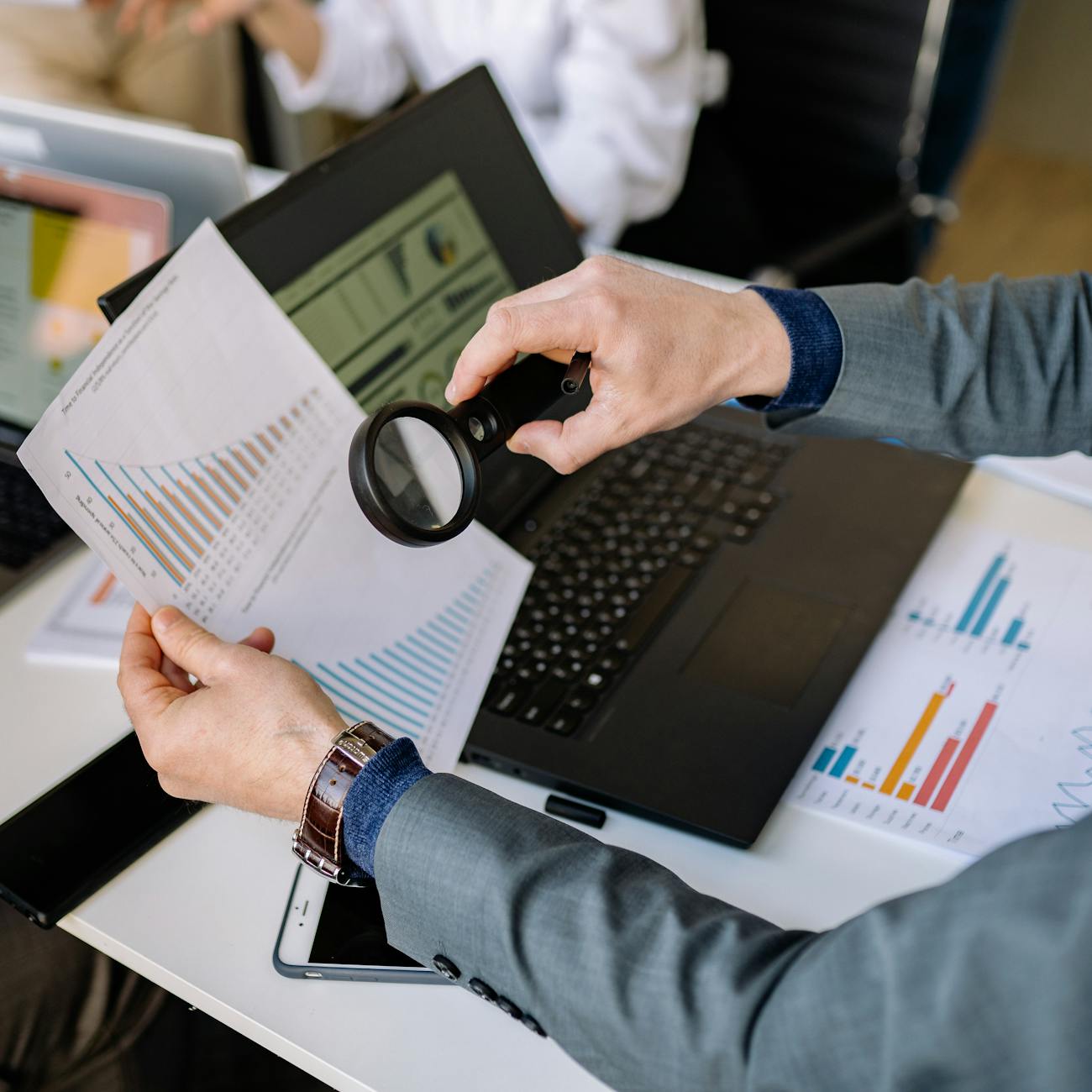
Data Analytics: Data analytics is the process of examining large data sets to uncover hidden patterns, correlations, trends, and insights that can help organizations make informed decisions. It involves cleaning, transforming, and modeling data to extract valuable information and make predictions. In the context of smart office monitoring, data analytics plays a crucial role in analyzing sensor data to optimize office spaces for better efficiency and productivity.
Smart Office Monitoring: Smart office monitoring involves the use of Internet of Things (IoT) devices and sensors to collect data on various aspects of office environments such as temperature, occupancy, lighting, and air quality. This data is then analyzed to improve energy efficiency, comfort, and overall performance in the workplace. Smart office monitoring systems enable real-time monitoring and control of office spaces to enhance employee well-being and productivity.
Advanced Certificate in IoT for Smart Office Monitoring: An advanced certificate program that focuses on the use of IoT technologies for smart office monitoring applications. This program covers topics such as sensor deployment, data analytics, cloud computing, and communication protocols specific to smart office environments. Participants in this program learn how to design, implement, and manage IoT solutions for optimizing office spaces and enhancing workplace productivity.
Vocabulary:
1. Internet of Things (IoT): The Internet of Things refers to a network of physical devices, vehicles, home appliances, and other objects embedded with sensors, software, and connectivity that enable them to collect and exchange data. In the context of smart office monitoring, IoT devices are used to gather data on various office parameters for analysis and optimization.
2. Sensor: A sensor is a device that detects and responds to some type of input from the physical environment. In smart office monitoring, sensors are used to collect data on factors such as temperature, humidity, light levels, occupancy, and air quality. These sensors provide real-time information for monitoring and controlling office spaces.
3. Data Cleaning: Data cleaning is the process of detecting and correcting errors or inconsistencies in data sets to improve their quality and reliability. In the context of data analytics for smart office monitoring, data cleaning ensures that the collected sensor data is accurate and consistent for meaningful analysis and decision-making.
4. Data Transformation: Data transformation involves converting raw data into a more suitable format for analysis and modeling. This process may include aggregating data, normalizing values, or creating new derived variables. In smart office monitoring, data transformation helps in preparing sensor data for advanced analytics and visualization.
5. Data Modeling: Data modeling is the process of creating mathematical representations or algorithms to analyze and predict patterns in data. In smart office monitoring, data modeling techniques such as machine learning algorithms are used to extract insights from sensor data and make informed decisions on office space optimization and resource management.
6. Predictive Analytics: Predictive analytics is the use of statistical algorithms and machine learning techniques to identify patterns and predict future outcomes based on historical data. In the context of smart office monitoring, predictive analytics can be used to forecast trends in office occupancy, energy consumption, or air quality for proactive decision-making and resource planning.
7. Energy Efficiency: Energy efficiency refers to the optimization of energy use to minimize waste and reduce costs while maintaining comfort and productivity. In smart office monitoring, energy efficiency is a key consideration in managing lighting, heating, cooling, and other energy-consuming systems to create sustainable and environmentally friendly office spaces.
8. Cloud Computing: Cloud computing refers to the delivery of computing services over the internet on a pay-as-you-go basis. In the context of smart office monitoring, cloud computing enables the storage, processing, and analysis of large volumes of sensor data in a scalable and cost-effective manner. Cloud platforms provide the infrastructure for real-time monitoring and control of office environments from anywhere.
9. Communication Protocols: Communication protocols are sets of rules and conventions that govern the exchange of data between devices in a network. In smart office monitoring, communication protocols such as MQTT (Message Queuing Telemetry Transport) and CoAP (Constrained Application Protocol) are used to transmit sensor data efficiently and securely between IoT devices, gateways, and cloud servers.
10. Workplace Productivity: Workplace productivity refers to the efficiency and effectiveness of employees in achieving their tasks and goals in a work environment. In smart office monitoring, optimizing office spaces for comfort, lighting, air quality, and noise levels can enhance employee well-being and productivity. Data analytics plays a key role in identifying factors that impact workplace productivity and implementing strategies for improvement.
Examples:
Example 1: A smart office monitoring system deployed in a large corporate building collects data from temperature sensors, occupancy sensors, and lighting controls. The data is cleaned, transformed, and analyzed using data analytics techniques to optimize energy usage and create a comfortable working environment for employees. Predictive analytics models are used to forecast peak occupancy hours and adjust heating and cooling systems accordingly to save energy costs.
Example 2: An advanced certificate program in IoT for smart office monitoring includes hands-on training on sensor installation, data analytics tools, cloud computing platforms, and communication protocols. Participants learn how to design and implement IoT solutions for monitoring office environments, analyzing sensor data, and making data-driven decisions to improve workplace productivity and efficiency.
Practical Applications:
1. Occupancy Monitoring: Occupancy monitoring using IoT sensors helps in tracking the number of people in office spaces and optimizing seating arrangements, meeting room usage, and HVAC systems accordingly. This data can be used to schedule cleaning services, adjust lighting levels, and manage resources efficiently based on real-time occupancy patterns.
2. Air Quality Control: Monitoring air quality parameters such as CO2 levels, humidity, and VOCs (volatile organic compounds) in office environments using IoT sensors can help in maintaining a healthy and comfortable workspace for employees. Data analytics tools analyze air quality data to identify potential indoor air pollution sources and implement corrective measures for better employee well-being.
3. Energy Management: Smart office monitoring systems can track energy consumption patterns of devices and systems such as lighting, heating, cooling, and equipment. By analyzing energy usage data, organizations can identify energy-saving opportunities, implement smart scheduling for energy-intensive devices, and reduce overall energy costs while maintaining a productive work environment.
Challenges:
1. Data Security: Securing sensitive sensor data and communication channels in smart office monitoring systems is crucial to prevent data breaches and unauthorized access. Implementing encryption, access controls, and authentication mechanisms to protect data privacy and integrity is essential in ensuring the security of IoT devices and cloud infrastructure.
2. Scalability: Scaling up smart office monitoring systems to accommodate a growing number of IoT devices and data streams can pose challenges in terms of data processing, storage, and analysis. Organizations need to design scalable architectures and adopt cloud computing solutions that can handle large volumes of sensor data while maintaining performance and reliability.
3. Interoperability: Ensuring compatibility and seamless integration between different IoT devices, sensors, and platforms in smart office monitoring systems is critical for data exchange and communication. Standardizing communication protocols, data formats, and interfaces can help in overcoming interoperability challenges and building cohesive IoT ecosystems for efficient office monitoring and management.
4. Data Quality: Maintaining data quality and accuracy in smart office monitoring systems requires regular monitoring, validation, and cleansing of sensor data. Addressing issues such as sensor drift, calibration errors, and data outliers is essential to ensure the reliability and trustworthiness of analytics insights and decision-making based on sensor data.
5. Regulatory Compliance: Complying with data protection regulations, industry standards, and privacy laws in smart office monitoring systems is essential to avoid legal risks and penalties. Organizations need to adhere to data governance practices, data retention policies, and consent mechanisms for collecting and processing sensor data in accordance with regulatory requirements and ethical guidelines.
Key takeaways
- Data Analytics: Data analytics is the process of examining large data sets to uncover hidden patterns, correlations, trends, and insights that can help organizations make informed decisions.
- Smart Office Monitoring: Smart office monitoring involves the use of Internet of Things (IoT) devices and sensors to collect data on various aspects of office environments such as temperature, occupancy, lighting, and air quality.
- Advanced Certificate in IoT for Smart Office Monitoring: An advanced certificate program that focuses on the use of IoT technologies for smart office monitoring applications.
- Internet of Things (IoT): The Internet of Things refers to a network of physical devices, vehicles, home appliances, and other objects embedded with sensors, software, and connectivity that enable them to collect and exchange data.
- In smart office monitoring, sensors are used to collect data on factors such as temperature, humidity, light levels, occupancy, and air quality.
- In the context of data analytics for smart office monitoring, data cleaning ensures that the collected sensor data is accurate and consistent for meaningful analysis and decision-making.
- Data Transformation: Data transformation involves converting raw data into a more suitable format for analysis and modeling.