
Occupational Health and Safety Management Systems
Occupational Health and Safety Management Systems (OHSMS)
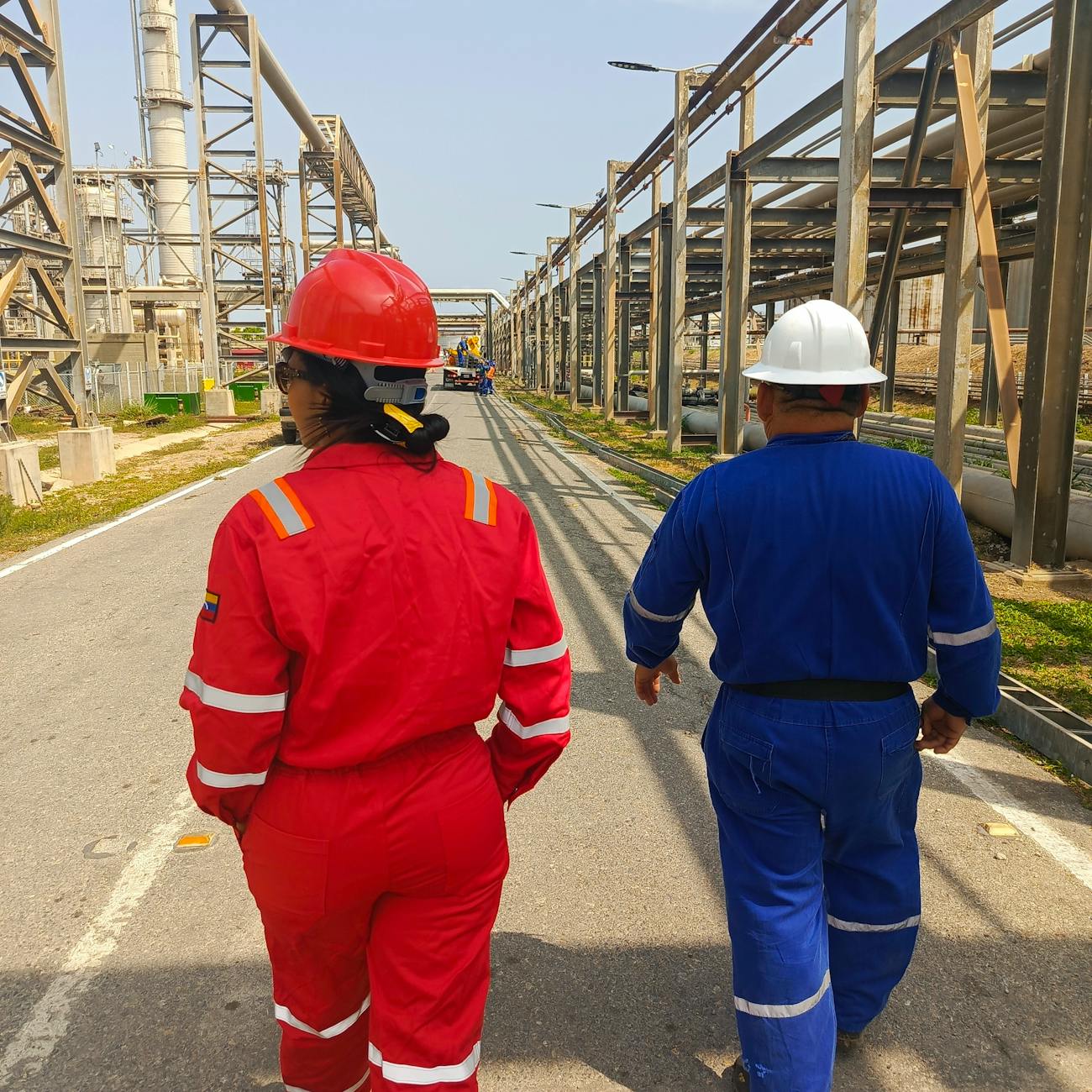
Occupational Health and Safety Management Systems (OHSMS)
An Occupational Health and Safety Management System (OHSMS) is a structured approach to managing health and safety risks in the workplace. It involves a set of processes and procedures designed to prevent work-related injuries, illnesses, and fatalities. OHSMS is a proactive approach that aims to promote a safe and healthy work environment for employees by identifying hazards, assessing risks, implementing controls, and monitoring performance.
One of the key components of an OHSMS is the establishment of policies and procedures that outline the organization's commitment to health and safety. These policies should be communicated to all employees and stakeholders to ensure everyone is aware of their responsibilities in maintaining a safe work environment.
Key Terms and Vocabulary
Hazard
A hazard is any source of potential harm or adverse health effect on a person. Hazards can be classified into several categories, including physical, chemical, biological, ergonomic, and psychosocial hazards. Examples of hazards in the workplace include slippery floors, hazardous chemicals, noise, poor lighting, and workplace violence.
Risk
Risk is the likelihood of an injury, illness, or damage occurring as a result of exposure to a hazard. Risk assessment is a systematic process used to evaluate the likelihood and severity of potential risks to determine the appropriate control measures. Risks can be managed by eliminating hazards, implementing controls, providing training, and monitoring performance.
Hierarchy of Controls
The hierarchy of controls is a system used to prioritize control measures to eliminate or minimize hazards in the workplace. The hierarchy consists of five levels: elimination, substitution, engineering controls, administrative controls, and personal protective equipment (PPE). The goal is to implement controls at the highest level of the hierarchy to provide the most effective protection for workers.
Incident
An incident is an unplanned event that results in injury, illness, property damage, or near miss. Incidents should be reported and investigated to identify the root causes and prevent recurrence. Incident reporting and investigation are essential components of an OHSMS to improve safety performance and prevent future incidents.
Compliance
Compliance refers to the act of following laws, regulations, standards, and internal policies related to occupational health and safety. Organizations must comply with legal requirements to ensure the health and safety of employees and prevent legal sanctions. Compliance monitoring and auditing are essential to verify that the OHSMS is effectively implemented and maintained.
Worker Participation
Worker participation is the involvement of employees in health and safety matters to improve communication, engagement, and decision-making. Workers should be consulted, informed, and trained on health and safety issues to promote a positive safety culture. Worker participation is a key element of an effective OHSMS to identify hazards, assess risks, and implement controls.
Training and Awareness
Training and awareness programs are essential to ensure that employees have the knowledge and skills to work safely. Training should cover topics such as hazard recognition, risk assessment, emergency procedures, and use of personal protective equipment. Awareness campaigns can help reinforce safety messages and promote a culture of safety within the organization.
Emergency Preparedness
Emergency preparedness involves planning and training to respond effectively to emergencies such as fires, natural disasters, chemical spills, and medical emergencies. Emergency response procedures should be developed, communicated, and tested regularly to ensure a prompt and coordinated response. Emergency drills can help employees practice their roles and responsibilities in an emergency situation.
Continuous Improvement
Continuous improvement is the ongoing process of reviewing, evaluating, and enhancing the OHSMS to achieve better health and safety outcomes. Organizations should monitor performance, analyze data, and implement corrective actions to address deficiencies and prevent recurrence. Continuous improvement is a fundamental principle of OHSMS to ensure that health and safety objectives are met.
Key Challenges
Implementing an OHSMS can be challenging for organizations due to various factors, including:
Resource Constraints
Limited resources, such as budget, staff, and time, can hinder the effective implementation of an OHSMS. Organizations may struggle to allocate sufficient resources to develop policies, conduct risk assessments, provide training, and monitor performance. Resource constraints can compromise the effectiveness of the OHSMS and increase the risk of incidents.
Resistance to Change
Resistance to change from employees, managers, and stakeholders can impede the adoption of new health and safety practices. Some individuals may be reluctant to embrace new procedures, policies, or technologies that are designed to improve safety performance. Overcoming resistance to change requires effective communication, engagement, and leadership from management.
Complexity of Work Environment
The complexity of the work environment, such as multiple hazards, high-risk activities, and diverse workforce, can pose challenges for implementing an OHSMS. Organizations operating in high-risk industries, such as construction, manufacturing, or healthcare, may face unique health and safety challenges that require specialized expertise and resources. Adapting the OHSMS to the specific needs of the work environment is essential for success.
Compliance with Regulations
Meeting regulatory requirements and standards can be a significant challenge for organizations, especially those operating in multiple jurisdictions or industries with stringent health and safety regulations. Compliance with regulations requires a thorough understanding of legal requirements, timely updates to policies and procedures, and effective communication with regulatory authorities. Non-compliance can result in legal sanctions, fines, and reputational damage.
Integration with Business Processes
Integrating the OHSMS with existing business processes, such as quality management, environmental management, and risk management, can be complex and time-consuming. Organizations must align health and safety objectives with overall business goals, strategies, and performance indicators to ensure a holistic approach to managing risks. Integration requires collaboration across departments, clear communication, and leadership support.
Conclusion
In conclusion, understanding key terms and vocabulary related to Occupational Health and Safety Management Systems is essential for professionals working in health, safety, and environment roles. By familiarizing themselves with concepts such as hazards, risks, controls, compliance, worker participation, training, emergency preparedness, and continuous improvement, professionals can enhance their knowledge and skills to promote a safe and healthy work environment. Overcoming key challenges, such as resource constraints, resistance to change, complexity of work environment, compliance with regulations, and integration with business processes, requires proactive measures, effective communication, and leadership commitment. By addressing these challenges and implementing best practices, organizations can achieve better health and safety outcomes, protect their employees, and enhance their reputation as responsible corporate citizens.
Key takeaways
- OHSMS is a proactive approach that aims to promote a safe and healthy work environment for employees by identifying hazards, assessing risks, implementing controls, and monitoring performance.
- These policies should be communicated to all employees and stakeholders to ensure everyone is aware of their responsibilities in maintaining a safe work environment.
- Hazards can be classified into several categories, including physical, chemical, biological, ergonomic, and psychosocial hazards.
- Risk assessment is a systematic process used to evaluate the likelihood and severity of potential risks to determine the appropriate control measures.
- The hierarchy consists of five levels: elimination, substitution, engineering controls, administrative controls, and personal protective equipment (PPE).
- Incident reporting and investigation are essential components of an OHSMS to improve safety performance and prevent future incidents.
- Compliance refers to the act of following laws, regulations, standards, and internal policies related to occupational health and safety.