
Sterilization and Disinfection
Sterilization and Disinfection
Sterilization and Disinfection
Sterilization and disinfection are crucial processes in healthcare settings, especially in surgical technology, to prevent infections and ensure patient safety. Understanding the key terms and vocabulary associated with these processes is essential for surgical technologists to perform their duties effectively. Let's explore the definitions, differences, methods, and challenges related to sterilization and disinfection.
Sterilization
Sterilization is the process of completely destroying all forms of microbial life, including bacteria, viruses, fungi, and spores. It is essential in surgical settings to prevent infections and ensure aseptic conditions during procedures. Sterilization ensures that surgical instruments, equipment, and surfaces are free from pathogens that could cause harm to patients. There are several methods of sterilization used in healthcare facilities:
1. Autoclaving: Autoclaving is a common method of sterilization that uses steam under pressure to kill microorganisms. It is widely used for sterilizing surgical instruments, equipment, and supplies. The high temperature and pressure in an autoclave ensure thorough sterilization.
2. Ethylene Oxide (EtO) Sterilization: Ethylene oxide is a gas that is used to sterilize heat-sensitive medical devices and equipment. It is effective in killing a wide range of microorganisms but requires proper ventilation and safety measures due to its toxic nature.
3. Gamma Irradiation: Gamma irradiation is a method of sterilization that uses gamma rays to kill microorganisms. It is commonly used for sterilizing disposable medical supplies and pharmaceutical products.
4. Dry Heat Sterilization: Dry heat sterilization involves heating items at high temperatures to kill microorganisms. It is suitable for heat-resistant materials but may take longer than other sterilization methods.
Sterilization validation is essential to ensure that the sterilization process is effective and reliable. It involves testing the sterilization equipment, monitoring parameters such as time, temperature, and pressure, and verifying the sterility of the sterilized items through biological indicators.
Challenges in sterilization include the proper handling and processing of instruments, ensuring that all items are adequately sterilized, and maintaining the sterility of instruments until they are used in procedures.
Disinfection
Disinfection is the process of reducing the number of microorganisms on surfaces to a safe level, but it does not necessarily kill all microorganisms or spores. Disinfection is essential for maintaining a clean and hygienic environment in healthcare facilities. There are different levels of disinfection based on the types of microorganisms targeted:
1. Low-Level Disinfection: Low-level disinfection kills most bacteria, some viruses, and fungi but may not be effective against spores. It is used for non-critical items such as countertops, floors, and walls.
2. Intermediate-Level Disinfection: Intermediate-level disinfection kills bacteria, viruses, and fungi but may not be effective against bacterial spores. It is used for semi-critical items such as endoscopes and respiratory therapy equipment.
3. High-Level Disinfection: High-level disinfection kills a broad range of microorganisms, including bacteria, viruses, fungi, and some spores. It is used for critical items such as surgical instruments that cannot be sterilized.
Common disinfection methods include:
1. Chemical Disinfection: Chemical disinfectants such as quaternary ammonium compounds, bleach, and alcohol are used to disinfect surfaces and equipment. Each disinfectant has specific instructions for use, contact time, and effectiveness against different microorganisms.
2. Ultraviolet (UV) Disinfection: UV disinfection uses ultraviolet light to kill or inactivate microorganisms on surfaces. It is effective for disinfecting air, water, and surfaces in healthcare settings.
3. Electrostatic Disinfection: Electrostatic disinfection is a method that uses positively charged particles to disinfect surfaces by attracting and killing pathogens. It is increasingly used in healthcare facilities for thorough disinfection.
Challenges in disinfection include selecting the appropriate disinfectant for specific surfaces and equipment, ensuring proper contact time for disinfectants to be effective, and preventing the development of antimicrobial resistance due to overuse of disinfectants.
Key Terms and Vocabulary
1. Aseptic Technique: Aseptic technique is a set of practices that prevent contamination of sterile areas or objects. It is crucial in healthcare settings to maintain sterility and prevent infections during procedures.
2. Biohazard: A biohazard is a biological substance that poses a risk to human health. Proper handling and disposal of biohazardous materials are essential to prevent the spread of infections.
3. Cleaning: Cleaning is the process of removing dirt, debris, and organic material from surfaces. It is the first step in the sterilization and disinfection process to ensure effective killing of microorganisms.
4. Decontamination: Decontamination is the process of removing or reducing contamination on surfaces or objects. It includes cleaning, disinfection, and sterilization to ensure a safe environment.
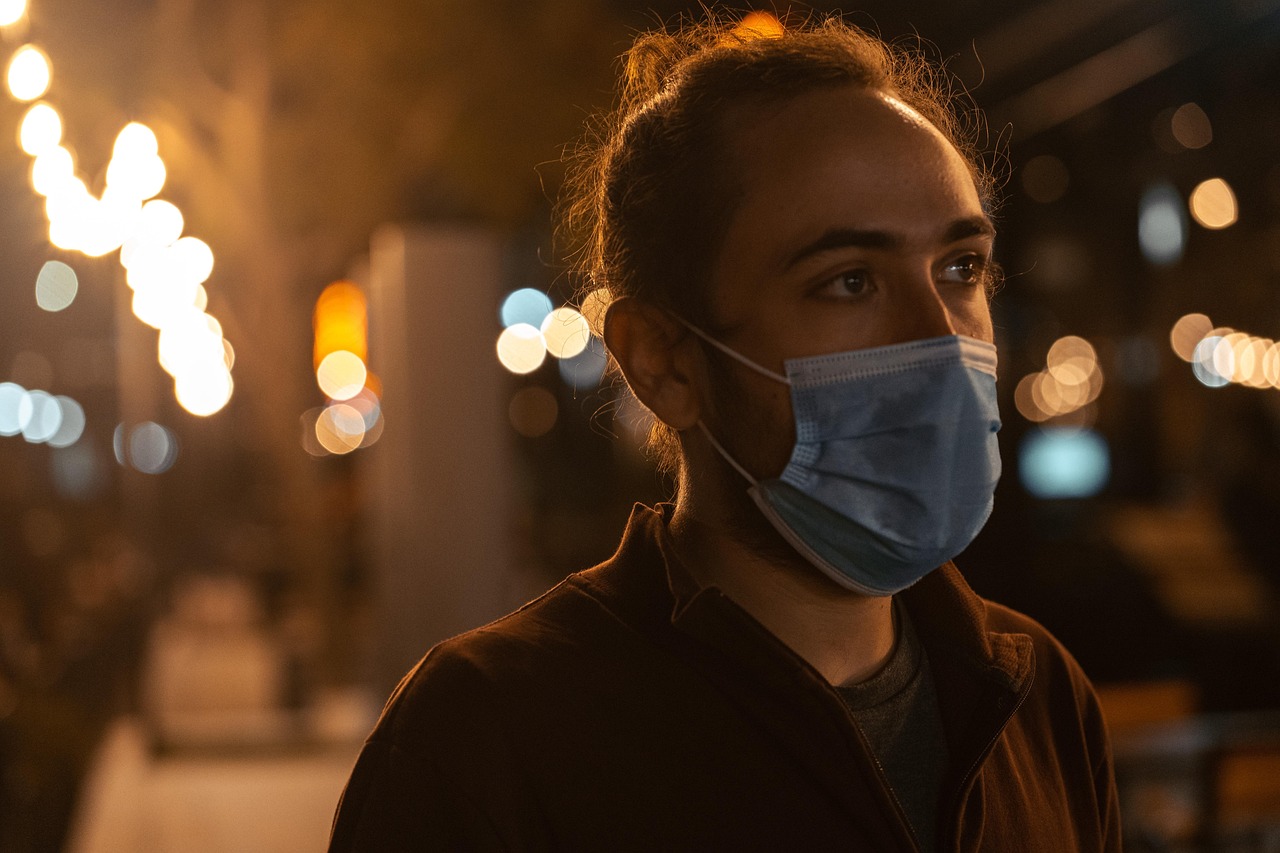
5. Personal Protective Equipment (PPE): Personal protective equipment is clothing or gear worn to protect healthcare workers from exposure to infectious agents. PPE includes gloves, gowns, masks, and goggles.
6. Sterility Assurance: Sterility assurance refers to the measures taken to ensure that sterilization processes effectively kill all microorganisms and maintain sterility until items are used in procedures.
7. Spaulding Classification: The Spaulding classification categorizes medical devices and equipment based on their risk of infection transmission. It helps determine the level of disinfection or sterilization required for different items.
8. Biological Indicators: Biological indicators are test organisms used to validate sterilization processes. They are highly resistant to sterilization methods and are used to ensure the effectiveness of the process.
9. Endoscope Reprocessing: Endoscope reprocessing is the process of cleaning, disinfecting, and sterilizing endoscopes to prevent infections. Proper reprocessing is essential to maintain patient safety during endoscopic procedures.
10. Creutzfeldt-Jakob Disease (CJD): Creutzfeldt-Jakob disease is a rare and fatal brain disorder caused by abnormal proteins called prions. Proper sterilization and disinfection protocols are crucial to prevent the transmission of prions in healthcare settings.
11. Sharps Safety: Sharps safety refers to practices and devices used to prevent needlestick injuries and exposure to bloodborne pathogens. Proper handling and disposal of sharps are essential to protect healthcare workers from infections.
12. Environmental Services: Environmental services are responsible for cleaning and disinfecting patient rooms, equipment, and common areas in healthcare facilities. They play a critical role in preventing healthcare-associated infections.
13. Quality Assurance: Quality assurance involves monitoring and evaluating processes to ensure they meet established standards. In sterilization and disinfection, quality assurance programs help maintain consistency and effectiveness in preventing infections.
14. Chemical Indicator: Chemical indicators are used to monitor the exposure of items to sterilization processes. They change color or indicate when items have been properly sterilized, providing visual confirmation of the process.
15. Steam Sterilizer: A steam sterilizer, or autoclave, is a device that uses steam under pressure to sterilize instruments, equipment, and supplies. It is a reliable and widely used method of sterilization in healthcare settings.
16. Infection Control: Infection control is the practice of preventing and controlling the spread of infections in healthcare settings. It involves strategies such as hand hygiene, isolation precautions, and environmental cleaning.
17. Personal Hygiene: Personal hygiene refers to practices that individuals follow to maintain cleanliness and prevent the spread of infections. Healthcare workers must adhere to strict personal hygiene protocols to protect themselves and patients.
18. Cleaning Validation: Cleaning validation is the process of verifying that cleaning procedures effectively remove dirt, debris, and microorganisms from surfaces. It is essential before disinfection and sterilization to ensure their effectiveness.
19. Bioburden: Bioburden refers to the number of microorganisms present on a surface or object before sterilization or disinfection. Removing bioburden is crucial for effective sterilization and disinfection processes.
20. Environmental Cleaning: Environmental cleaning involves cleaning and disinfecting surfaces in healthcare settings to prevent the spread of infections. It includes regular cleaning of patient rooms, common areas, and equipment.
By understanding and applying the key terms and vocabulary related to sterilization and disinfection, surgical technologists can contribute to maintaining a safe and sterile environment in healthcare settings. Proper sterilization and disinfection practices are essential for preventing infections, protecting patients and healthcare workers, and ensuring the success of surgical procedures.
Key takeaways
- Sterilization and disinfection are crucial processes in healthcare settings, especially in surgical technology, to prevent infections and ensure patient safety.
- Sterilization ensures that surgical instruments, equipment, and surfaces are free from pathogens that could cause harm to patients.
- Autoclaving: Autoclaving is a common method of sterilization that uses steam under pressure to kill microorganisms.
- Ethylene Oxide (EtO) Sterilization: Ethylene oxide is a gas that is used to sterilize heat-sensitive medical devices and equipment.
- Gamma Irradiation: Gamma irradiation is a method of sterilization that uses gamma rays to kill microorganisms.
- Dry Heat Sterilization: Dry heat sterilization involves heating items at high temperatures to kill microorganisms.
- It involves testing the sterilization equipment, monitoring parameters such as time, temperature, and pressure, and verifying the sterility of the sterilized items through biological indicators.