
AI Applications in Chemical Engineering
Artificial Intelligence (AI) is revolutionizing the field of Chemical Engineering by providing innovative solutions to complex problems. In this course, we will explore key terms and vocabulary essential to understanding AI applications in …
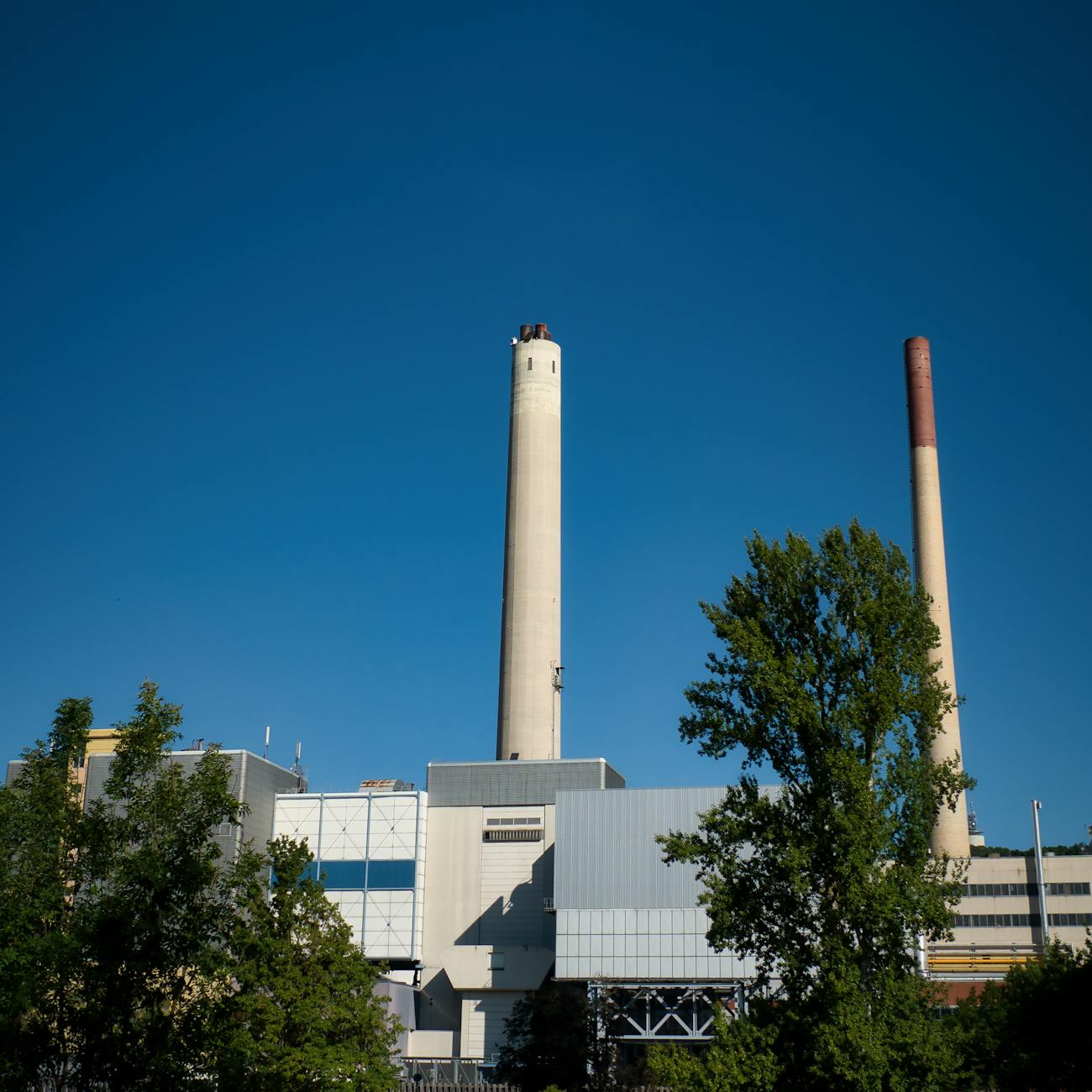
Artificial Intelligence (AI) is revolutionizing the field of Chemical Engineering by providing innovative solutions to complex problems. In this course, we will explore key terms and vocabulary essential to understanding AI applications in Chemical Engineering.
**1. Artificial Intelligence (AI)**
AI refers to the simulation of human intelligence processes by machines, particularly computer systems. These processes include learning, reasoning, and self-correction. In Chemical Engineering, AI is used to optimize processes, predict outcomes, and improve efficiency.
**2. Machine Learning (ML)**
ML is a subset of AI that focuses on the development of algorithms and statistical models that enable computers to perform specific tasks without explicit instructions. ML algorithms learn from data and improve over time.
**3. Deep Learning**
Deep Learning is a type of ML that uses artificial neural networks to model and process data. It is particularly effective for analyzing large and complex datasets. Deep Learning has been successfully applied in Chemical Engineering for tasks such as process optimization and predictive maintenance.
**4. Neural Networks**
Neural Networks are a key component of Deep Learning algorithms. They are inspired by the structure of the human brain and consist of layers of interconnected nodes (neurons) that process information. Neural Networks are used in Chemical Engineering for pattern recognition, anomaly detection, and process control.
**5. Supervised Learning**
Supervised Learning is a type of ML where the model is trained on labeled data. The model learns to map input data to the correct output based on the examples provided during training. Supervised Learning is used in Chemical Engineering for tasks such as predictive modeling and classification.
**6. Unsupervised Learning**
Unsupervised Learning is a type of ML where the model learns to find patterns and relationships in unlabeled data. This approach is useful for tasks such as clustering, dimensionality reduction, and anomaly detection in Chemical Engineering applications.
**7. Reinforcement Learning**
Reinforcement Learning is a type of ML where an agent learns to make decisions by interacting with an environment and receiving rewards or penalties based on its actions. Reinforcement Learning is used in Chemical Engineering for tasks such as process optimization and control.
**8. Data Preprocessing**
Data Preprocessing involves cleaning, transforming, and organizing raw data before feeding it into a machine learning model. This step is crucial to ensure the accuracy and reliability of the model's predictions in Chemical Engineering applications.
**9. Feature Engineering**
Feature Engineering is the process of selecting, transforming, and creating new features from raw data to improve the performance of a machine learning model. In Chemical Engineering, feature engineering plays a critical role in extracting meaningful information from process data.
**10. Model Selection**
Model Selection involves choosing the most appropriate machine learning algorithm for a specific task. In Chemical Engineering, selecting the right model is essential to achieve accurate predictions and optimize processes.
**11. Hyperparameter Tuning**
Hyperparameter Tuning involves optimizing the hyperparameters of a machine learning model to improve its performance. Hyperparameters are parameters that are set before the learning process begins. Tuning hyperparameters is crucial for achieving the best results in Chemical Engineering applications.
**12. Cross-Validation**
Cross-Validation is a technique used to evaluate the performance of a machine learning model by splitting the data into multiple subsets. This approach helps assess the model's generalization capabilities and prevent overfitting in Chemical Engineering applications.
**13. Predictive Maintenance**
Predictive Maintenance is the use of AI and ML algorithms to predict when equipment or machinery is likely to fail. By analyzing historical data and monitoring real-time sensor data, predictive maintenance can help prevent costly downtime in Chemical Engineering plants.
**14. Process Optimization**
Process Optimization involves using AI techniques to improve the efficiency, productivity, and quality of chemical processes. AI algorithms can analyze vast amounts of data to identify optimal process conditions and parameters in Chemical Engineering applications.
**15. Anomaly Detection**
Anomaly Detection is the identification of unusual patterns or events in data that deviate from normal behavior. AI algorithms can detect anomalies in process data, equipment performance, and product quality in Chemical Engineering plants to prevent failures and improve safety.
**16. Computational Fluid Dynamics (CFD)**
CFD is a branch of fluid mechanics that uses numerical analysis and algorithms to solve and analyze problems involving fluid flow. AI applications in CFD can help optimize reactor design, improve mixing efficiency, and enhance heat transfer processes in Chemical Engineering.
**17. Process Control**
Process Control involves using AI algorithms to regulate and adjust process parameters in real-time to maintain desired operating conditions. AI-based control systems can enhance the stability, efficiency, and safety of chemical processes in Chemical Engineering plants.
**18. Optimization Algorithms**
Optimization Algorithms are used to find the best solution to a given problem by iteratively adjusting parameters to minimize or maximize an objective function. AI-based optimization algorithms play a crucial role in optimizing processes, resource allocation, and product design in Chemical Engineering.
**19. Big Data**
Big Data refers to large and complex datasets that cannot be processed using traditional data processing techniques. AI algorithms are essential for analyzing, extracting insights, and making decisions from big data in Chemical Engineering applications.
**20. Internet of Things (IoT)**
IoT is a network of interconnected devices that collect and exchange data over the internet. AI applications in IoT can enable real-time monitoring, predictive maintenance, and process optimization in Chemical Engineering plants by integrating sensor data and control systems.
**21. Digital Twin**
A Digital Twin is a virtual representation of a physical asset, process, or system. By combining real-time data with AI algorithms, Digital Twins can simulate, predict, and optimize processes in Chemical Engineering plants, leading to improved performance and efficiency.
**22. Cloud Computing**
Cloud Computing involves delivering computing services over the internet on a pay-as-you-go basis. AI applications in cloud computing enable Chemical Engineering companies to access powerful computational resources, store and analyze large datasets, and deploy machine learning models efficiently.
**23. Explainable AI**
Explainable AI refers to the transparency and interpretability of AI algorithms in making decisions. In Chemical Engineering, explainable AI is crucial for understanding the reasoning behind AI predictions, ensuring safety, and building trust in AI systems among engineers and stakeholders.
**24. Ethics and Bias in AI**
Ethics and Bias in AI are critical considerations when developing and deploying AI systems in Chemical Engineering. It is essential to address biases in data, algorithms, and decision-making processes to ensure fairness, accountability, and transparency in AI applications.
**25. Challenges in AI for Chemical Engineering**
Despite the significant benefits of AI applications in Chemical Engineering, there are several challenges that need to be addressed. These challenges include data quality issues, lack of domain expertise, interpretability of AI models, regulatory constraints, and cybersecurity risks.
In conclusion, AI applications in Chemical Engineering have the potential to transform the industry by optimizing processes, enhancing safety, and driving innovation. By understanding key terms and concepts in AI, engineers can harness the power of AI technologies to solve complex problems and improve efficiency in Chemical Engineering plants.
Key takeaways
- Artificial Intelligence (AI) is revolutionizing the field of Chemical Engineering by providing innovative solutions to complex problems.
- AI refers to the simulation of human intelligence processes by machines, particularly computer systems.
- ML is a subset of AI that focuses on the development of algorithms and statistical models that enable computers to perform specific tasks without explicit instructions.
- Deep Learning has been successfully applied in Chemical Engineering for tasks such as process optimization and predictive maintenance.
- They are inspired by the structure of the human brain and consist of layers of interconnected nodes (neurons) that process information.
- Supervised Learning is used in Chemical Engineering for tasks such as predictive modeling and classification.
- This approach is useful for tasks such as clustering, dimensionality reduction, and anomaly detection in Chemical Engineering applications.