
Advanced Skin Analysis
Advanced Skin Analysis is a crucial part of the Advanced Certificate in Aesthetic Skin Treatments course. It involves a thorough examination of the skin to identify various conditions and concerns that need to be addressed through specializ…
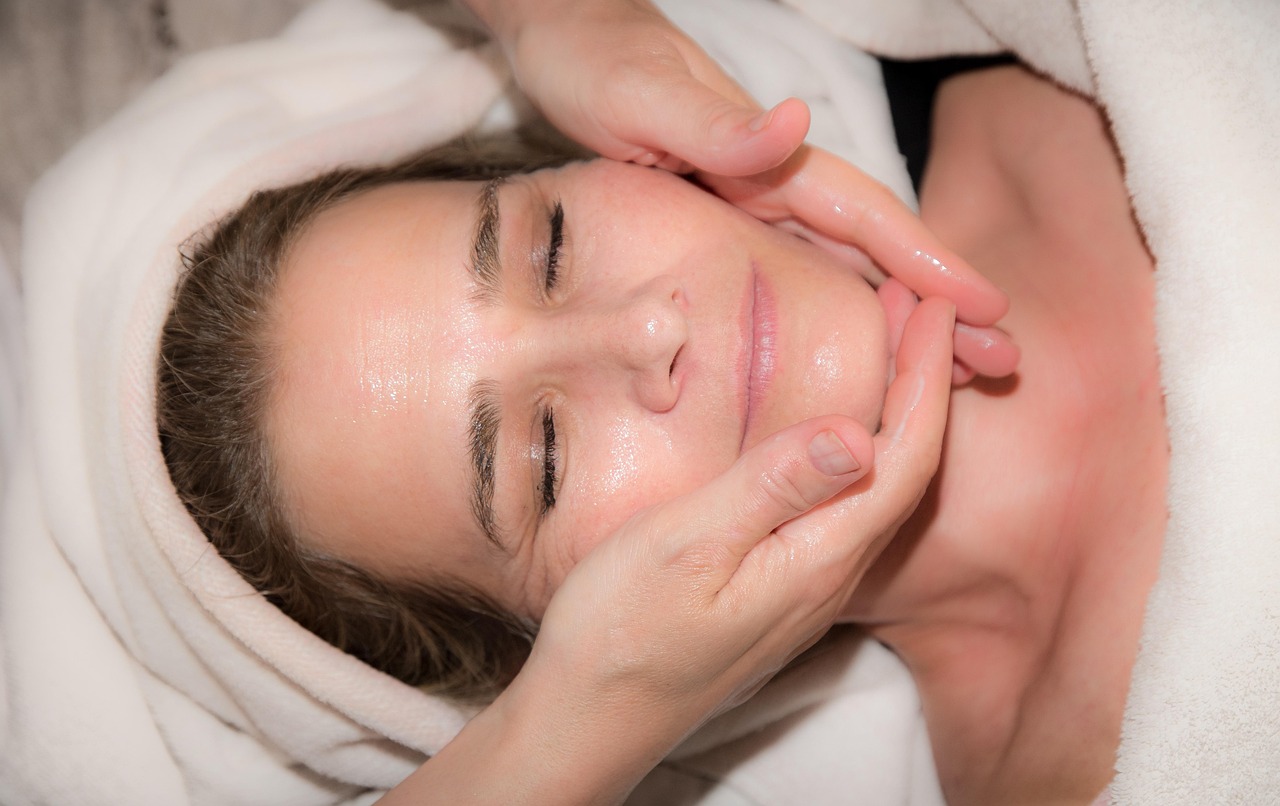
Advanced Skin Analysis is a crucial part of the Advanced Certificate in Aesthetic Skin Treatments course. It involves a thorough examination of the skin to identify various conditions and concerns that need to be addressed through specialized treatments. This process requires in-depth knowledge of skin anatomy, physiology, and pathology, as well as the ability to accurately assess skin types and conditions. Let's explore some key terms and vocabulary that are essential for mastering Advanced Skin Analysis.
Skin Anatomy: - Epidermis: The outermost layer of the skin, responsible for protecting the body from external factors and regulating water loss. - Dermis: The middle layer of the skin, containing hair follicles, sweat glands, and blood vessels. - Subcutis: The deepest layer of the skin, composed of fat and connective tissue that provides insulation and cushioning.
Skin Physiology: - Sebaceous Glands: Glands in the skin that produce sebum, an oily substance that helps moisturize and protect the skin. - Sweat Glands: Glands that produce sweat to regulate body temperature and excrete waste products. - Melanocytes: Cells in the skin that produce melanin, the pigment responsible for skin color and UV protection.
Skin Conditions: - Acne: A common skin condition characterized by inflammation of the sebaceous glands and hair follicles, often resulting in pimples and blackheads. - Hyperpigmentation: Darkening of the skin due to excess melanin production, which can be caused by sun exposure, hormones, or inflammation. - Dehydration: Lack of moisture in the skin, leading to dryness, flakiness, and tightness.
Skin Types: - Dry Skin: Skin that lacks oil production, often feeling tight and rough. - Oily Skin: Skin that produces excess sebum, leading to a shiny appearance and enlarged pores. - Combination Skin: Skin that is both dry and oily in different areas, such as the T-zone (forehead, nose, and chin).
Skin Analysis Techniques: - Visual Inspection: Observing the skin's appearance, texture, and color to identify any visible concerns or irregularities. - Touch Assessment: Feeling the skin's texture, firmness, and elasticity to determine its hydration levels and overall health. - Wood's Lamp Examination: Using a special UV light to reveal hidden skin conditions, such as pigmentation or bacterial growth.
Client Consultation: - Skin History: Gathering information about the client's past and present skin concerns, treatments, and products used. - Lifestyle Factors: Considering the client's diet, stress levels, sleep patterns, and sun exposure to assess their impact on skin health. - Expectations: Discussing the client's goals and desired outcomes to set realistic treatment expectations and recommendations.
Advanced Skin Analysis Tools: - Microscope: A device used to magnify and examine skin cells, bacteria, and other microscopic elements for precise diagnosis. - Photograph Documentation: Capturing high-resolution images of the skin to track changes, progress, and treatment outcomes over time. - Computerized Skin Analysis Systems: Software programs that analyze skin conditions based on images, measurements, and data input for accurate assessments.
Skin Treatments: - Chemical Peels: Exfoliating treatments that use acids to remove dead skin cells, unclog pores, and improve skin texture. - Laser Therapy: Using focused light energy to target specific skin concerns, such as pigmentation, wrinkles, or acne scars. - Microneedling: Stimulating collagen production by creating tiny punctures in the skin with a device equipped with fine needles.
Challenges in Advanced Skin Analysis: - Complex Skin Conditions: Identifying and treating multiple skin issues, such as acne, rosacea, and hyperpigmentation, that require customized approaches. - Skin Sensitivity: Dealing with clients who have sensitive skin or allergies that may react to certain products or treatments. - Client Compliance: Ensuring that clients follow recommended skincare routines and maintenance treatments to achieve optimal results.
Importance of Continuing Education: - Stay Updated: Keeping abreast of new skincare products, technologies, and treatment modalities to offer the best solutions to clients. - Enhance Skills: Participating in workshops, seminars, and advanced courses to improve diagnostic abilities, treatment efficacy, and client satisfaction. - Build Confidence: Gaining knowledge and expertise in Advanced Skin Analysis instills confidence in providing personalized skincare solutions and achieving successful outcomes.
In conclusion, mastering Advanced Skin Analysis is essential for skincare professionals to accurately diagnose skin conditions, recommend appropriate treatments, and achieve optimal results for clients. By understanding key terms, concepts, and techniques in skin anatomy, physiology, conditions, types, and analysis, professionals can enhance their skills, build client trust, and advance their careers in the field of aesthetic skin treatments.
Key takeaways
- This process requires in-depth knowledge of skin anatomy, physiology, and pathology, as well as the ability to accurately assess skin types and conditions.
- Skin Anatomy: - Epidermis: The outermost layer of the skin, responsible for protecting the body from external factors and regulating water loss.
- Skin Physiology: - Sebaceous Glands: Glands in the skin that produce sebum, an oily substance that helps moisturize and protect the skin.
- Skin Conditions: - Acne: A common skin condition characterized by inflammation of the sebaceous glands and hair follicles, often resulting in pimples and blackheads.
- - Combination Skin: Skin that is both dry and oily in different areas, such as the T-zone (forehead, nose, and chin).
- Skin Analysis Techniques: - Visual Inspection: Observing the skin's appearance, texture, and color to identify any visible concerns or irregularities.
- Client Consultation: - Skin History: Gathering information about the client's past and present skin concerns, treatments, and products used.