
Trauma-informed Care for Refugees
Trauma-informed Care Trauma-informed care is an approach that recognizes the widespread impact of trauma on individuals and seeks to create an environment that promotes healing and recovery. It involves understanding the signs and symptoms …
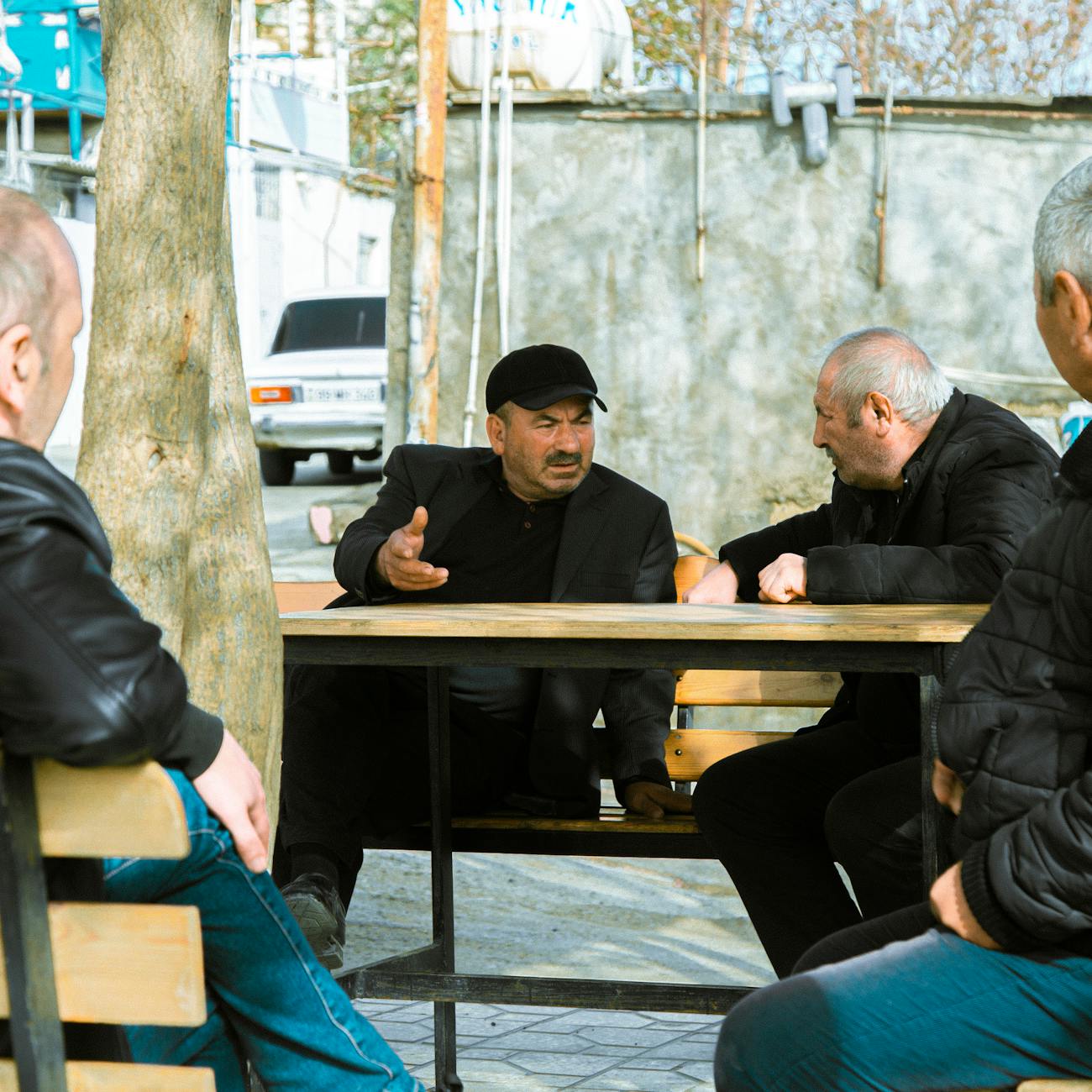
Trauma-informed Care Trauma-informed care is an approach that recognizes the widespread impact of trauma on individuals and seeks to create an environment that promotes healing and recovery. It involves understanding the signs and symptoms of trauma, as well as the ways in which trauma can affect individuals' behavior, thoughts, and emotions. Trauma-informed care emphasizes safety, trustworthiness, choice, collaboration, and empowerment.
Refugees Refugees are individuals who have been forced to flee their home countries due to persecution, war, or violence. They often face traumatic experiences before, during, and after their journey to safety. Refugees may have experienced torture, sexual violence, loss of family members, and other forms of trauma. It is essential to provide trauma-informed care to refugees to help them heal from their past experiences and adjust to their new environment.
War Zone Trauma Support War zone trauma support refers to the specialized care and assistance provided to individuals who have experienced trauma as a result of armed conflict. This type of support aims to address the psychological, emotional, and physical effects of war-related trauma. War zone trauma support may include counseling, therapy, medical treatment, and other interventions to help individuals cope with their experiences and rebuild their lives.
Professional Certificate A professional certificate is a credential that certifies an individual's expertise in a specific field or subject area. In the context of war zone trauma support, a professional certificate may be awarded to individuals who have completed a training program or course that provides them with the knowledge and skills to effectively support individuals affected by trauma. This certificate demonstrates that the individual has met certain educational requirements and has the necessary competencies to work in the field of trauma support.
Key Terms and Vocabulary
1. Trauma Trauma refers to a deeply distressing or disturbing experience that overwhelms an individual's ability to cope. Trauma can be caused by a single event, such as a natural disaster or a car accident, or by prolonged exposure to stressful or dangerous situations, such as war or abuse. Trauma can have lasting effects on an individual's mental, emotional, and physical well-being.
2. PTSD Post-traumatic stress disorder (PTSD) is a mental health condition that can develop in individuals who have experienced or witnessed a traumatic event. Symptoms of PTSD may include flashbacks, nightmares, severe anxiety, and uncontrollable thoughts about the traumatic event. PTSD can significantly impact an individual's daily life and functioning if left untreated.
3. Resilience Resilience refers to an individual's ability to bounce back from adversity or trauma. Resilient individuals are able to adapt to stressful situations, overcome challenges, and maintain a sense of well-being. Building resilience is an important aspect of trauma recovery, as it helps individuals cope with their experiences and move forward in a positive way.
4. Coping Mechanisms Coping mechanisms are strategies or behaviors that individuals use to manage stress, trauma, or difficult emotions. Coping mechanisms can be adaptive or maladaptive. Adaptive coping mechanisms, such as seeking social support or engaging in self-care activities, help individuals effectively deal with stress. Maladaptive coping mechanisms, such as substance abuse or avoidance, may provide temporary relief but can ultimately worsen the impact of trauma.
5. Cultural Competence Cultural competence refers to the ability to understand, respect, and effectively work with individuals from diverse cultural backgrounds. In the context of trauma-informed care for refugees, cultural competence is essential for providing culturally sensitive and appropriate support. Understanding the cultural beliefs, values, and practices of refugees can help professionals build trust and establish effective therapeutic relationships.
6. Interpersonal Violence Interpersonal violence refers to acts of violence that occur between individuals. This can include physical violence, sexual violence, emotional abuse, and neglect. Refugees may have experienced interpersonal violence in their home countries, during their journey to safety, or in refugee camps. Understanding the impact of interpersonal violence is crucial for providing trauma-informed care to refugees who have experienced such trauma.
7. Vicarious Trauma Vicarious trauma is the emotional and psychological impact that professionals may experience when working with individuals who have experienced trauma. Hearing about or witnessing traumatic events can take a toll on professionals' mental health and well-being. Practicing self-care, seeking supervision, and setting boundaries are important strategies for preventing and managing vicarious trauma.
8. Empowerment Empowerment refers to the process of helping individuals regain a sense of control and agency over their lives. Empowerment is a key principle of trauma-informed care, as it involves supporting individuals in making decisions, setting goals, and advocating for themselves. Empowering refugees to take an active role in their healing process can help them build resilience and regain a sense of autonomy.
9. Trauma Triggers Trauma triggers are stimuli or reminders that can evoke distressing memories or emotions related to a traumatic event. Trauma triggers can be internal (such as thoughts or sensations) or external (such as sights, sounds, or smells). Identifying and managing trauma triggers is an important aspect of trauma recovery, as it helps individuals navigate their reactions and responses to triggering situations.
10. Trauma Recovery Trauma recovery is the process of healing from the emotional, psychological, and physical effects of trauma. Trauma recovery is a unique and individualized journey that may involve therapy, counseling, support groups, and other interventions. Trauma recovery is not linear and may involve setbacks or challenges along the way. Providing trauma-informed care that is sensitive to individuals' needs and experiences is essential for supporting them in their recovery journey.
11. Self-Care Self-care refers to activities and practices that individuals engage in to maintain their physical, emotional, and mental well-being. Self-care is essential for professionals working in the field of war zone trauma support, as they may be exposed to challenging and emotionally draining situations. Practicing self-care, setting boundaries, seeking support, and prioritizing mental health are important strategies for preventing burnout and compassion fatigue.
12. Trauma-Sensitive Practices Trauma-sensitive practices are approaches and interventions that take into account the impact of trauma on individuals' lives. Trauma-sensitive practices involve creating safe and supportive environments, using trauma-informed language, respecting individuals' boundaries, and providing opportunities for choice and empowerment. Implementing trauma-sensitive practices is crucial for fostering healing and recovery in individuals affected by trauma.
13. Secondary Trauma Secondary trauma, also known as compassion fatigue, refers to the emotional and psychological impact that professionals may experience when working with individuals who have experienced trauma. Secondary trauma can result from hearing about or witnessing traumatic events, and may lead to symptoms such as fatigue, irritability, and emotional numbness. Practicing self-care, seeking support, and setting boundaries are important strategies for mitigating the impact of secondary trauma.
14. Cultural Humility Cultural humility refers to the ability to recognize and challenge one's own biases and assumptions about individuals from different cultural backgrounds. Culturally humble professionals approach their work with openness, curiosity, and a willingness to learn from others. Culturally humility is essential for providing trauma-informed care to refugees, as it involves acknowledging and respecting the unique experiences and perspectives of individuals from diverse cultural backgrounds.
15. Trauma Narratives Trauma narratives are the stories or accounts that individuals share about their traumatic experiences. Trauma narratives can help individuals make sense of their experiences, process their emotions, and integrate their trauma into their personal narratives. Listening to trauma narratives with empathy, compassion, and respect is an important aspect of trauma recovery and healing.
16. Trauma Response Trauma response refers to the immediate reactions and coping strategies that individuals use in response to a traumatic event. Trauma responses can vary widely and may include feelings of fear, anger, sadness, or numbness. Understanding and validating individuals' trauma responses is crucial for providing trauma-informed care and supporting them in their healing process.
17. Trauma Symptoms Trauma symptoms are the psychological, emotional, and physical manifestations of trauma. Common trauma symptoms include nightmares, flashbacks, hypervigilance, anxiety, depression, and avoidance of reminders of the traumatic event. Recognizing and addressing trauma symptoms is essential for providing effective trauma support and helping individuals cope with the impact of trauma on their lives.
18. Trauma Recovery Model The trauma recovery model is a framework that outlines the stages and processes of healing from trauma. The trauma recovery model may include phases such as safety, stabilization, processing, and integration. This model provides a roadmap for individuals to understand their trauma experiences, navigate their recovery journey, and work towards healing and growth.
19. Trauma Training Trauma training refers to educational programs, workshops, or courses that provide professionals with the knowledge and skills to effectively support individuals affected by trauma. Trauma training may cover topics such as trauma-informed care, PTSD, resilience-building, and cultural competence. Completing trauma training is essential for professionals working in the field of war zone trauma support to ensure they have the necessary competencies to provide effective care.
20. Trauma Recovery Tools Trauma recovery tools are resources, techniques, and strategies that individuals can use to cope with the effects of trauma and promote healing. Trauma recovery tools may include mindfulness practices, grounding exercises, journaling, relaxation techniques, and creative expression. Encouraging individuals to use trauma recovery tools as part of their healing process can help them develop coping skills and build resilience.
21. Trauma-Informed Approach A trauma-informed approach is a way of interacting with individuals that recognizes the impact of trauma on their lives and behaviors. A trauma-informed approach involves creating safe and supportive environments, building trust, fostering collaboration, and empowering individuals to make choices about their care. Adopting a trauma-informed approach is essential for providing effective and sensitive support to individuals affected by trauma.
22. Trauma Recovery Plan A trauma recovery plan is a personalized roadmap that outlines an individual's goals, strategies, and interventions for healing from trauma. A trauma recovery plan may include identifying triggers, setting boundaries, accessing support services, and practicing self-care. Developing a trauma recovery plan in collaboration with individuals allows them to take an active role in their healing process and work towards their recovery goals.
23. Trauma-Informed Care Principles Trauma-informed care principles are guiding values and beliefs that inform the delivery of care to individuals affected by trauma. Trauma-informed care principles include safety, trustworthiness, choice, collaboration, and empowerment. These principles guide professionals in providing sensitive, respectful, and effective support to individuals who have experienced trauma.
24. Trauma Screening Trauma screening refers to the process of assessing individuals for a history of trauma exposure and the presence of trauma-related symptoms. Trauma screening tools may include questionnaires, interviews, or assessments that help professionals gather information about individuals' trauma experiences and needs. Trauma screening is an important step in providing trauma-informed care and tailoring interventions to individuals' specific needs.
25. Trauma Recovery Group A trauma recovery group is a therapeutic setting in which individuals who have experienced trauma come together to share their experiences, support each other, and learn coping skills. Trauma recovery groups may be led by trained facilitators and provide a safe and supportive space for individuals to explore their trauma experiences and work towards healing. Participating in a trauma recovery group can help individuals feel less alone, build connections, and gain insight into their trauma recovery journey.
26. Trauma-Informed Language Trauma-informed language refers to the use of respectful, non-judgmental, and empowering communication when interacting with individuals affected by trauma. Trauma-informed language avoids blaming or shaming language, respects individuals' boundaries and preferences, and validates their experiences. Using trauma-informed language is essential for creating a safe and supportive environment for individuals to share their trauma experiences and seek help.
27. Trauma Recovery Resources Trauma recovery resources are tools, materials, and supports that individuals can access to aid in their healing journey. Trauma recovery resources may include therapy services, support groups, crisis hotlines, self-help books, online forums, and community organizations. Connecting individuals with trauma recovery resources that meet their needs and preferences can help them build a strong support network and access the help they need to recover from trauma.
28. Trauma-Informed Care Training Trauma-informed care training is educational programs or workshops that provide professionals with the knowledge and skills to deliver trauma-informed care. Trauma-informed care training may cover topics such as trauma awareness, trauma response, self-care, and cultural competence. Completing trauma-informed care training is essential for professionals working with refugees and individuals affected by war zone trauma to ensure they provide sensitive, effective, and respectful care.
29. Trauma Recovery Activities Trauma recovery activities are therapeutic exercises, practices, or interventions that individuals can engage in to promote healing and growth after trauma. Trauma recovery activities may include art therapy, mindfulness practices, physical exercise, journaling, and relaxation techniques. Encouraging individuals to participate in trauma recovery activities can help them process their trauma experiences, build coping skills, and foster resilience.
30. Trauma-Informed Leadership Trauma-informed leadership refers to a leadership approach that prioritizes the well-being, safety, and empowerment of individuals affected by trauma. Trauma-informed leaders create supportive environments, value collaboration and transparency, and prioritize trauma-informed care principles in their organizations. Leading with a trauma-informed approach is essential for fostering a culture of safety, trust, and healing for individuals affected by trauma.
31. Trauma Recovery Goals Trauma recovery goals are specific, measurable objectives that individuals set for themselves as they work towards healing from trauma. Trauma recovery goals may include improving coping skills, reducing symptoms of PTSD, building social support, and increasing self-care practices. Setting trauma recovery goals helps individuals track their progress, stay motivated, and work towards a sense of healing and empowerment.
32. Trauma-Informed Care Policy Trauma-informed care policy refers to organizational guidelines, procedures, and practices that promote trauma-informed care principles and practices. Trauma-informed care policy may include staff training, trauma screening protocols, trauma-informed language guidelines, and procedures for addressing trauma triggers. Implementing trauma-informed care policy ensures that organizations provide sensitive, respectful, and effective care to individuals affected by trauma.
33. Trauma Recovery Techniques Trauma recovery techniques are therapeutic approaches or interventions that individuals can use to process their trauma experiences and promote healing. Trauma recovery techniques may include cognitive-behavioral therapy, eye movement desensitization and reprocessing (EMDR), somatic experiencing, and narrative therapy. Using trauma recovery techniques under the guidance of trained professionals can help individuals address trauma symptoms, reframe their experiences, and work towards recovery.
34. Trauma-Informed Care Model A trauma-informed care model is a framework that outlines the key principles, practices, and interventions of trauma-informed care. A trauma-informed care model may include trauma-informed language, trauma screening, trauma recovery techniques, and self-care practices. Implementing a trauma-informed care model in organizations ensures that individuals affected by trauma receive sensitive, respectful, and effective support.
35. Trauma Recovery Support Trauma recovery support refers to the assistance, resources, and interventions that individuals receive to help them heal from trauma. Trauma recovery support may include therapy, counseling, support groups, medication, and self-care practices. Providing trauma recovery support that is tailored to individuals' needs and preferences is essential for promoting healing, resilience, and empowerment.
36. Trauma-Informed Care Environment A trauma-informed care environment is a setting that is designed to promote safety, trust, and healing for individuals affected by trauma. A trauma-informed care environment may include clear communication, respectful interactions, calming spaces, and trauma-informed policies and practices. Creating a trauma-informed care environment ensures that individuals feel supported, respected, and empowered as they work towards healing from trauma.
37. Trauma Recovery Strategies Trauma recovery strategies are approaches, techniques, and interventions that individuals can use to cope with the effects of trauma and promote healing. Trauma recovery strategies may include grounding exercises, relaxation techniques, mindfulness practices, and social support. Developing trauma recovery strategies that address individuals' unique needs and preferences can help them navigate their healing journey and build resilience.
38. Trauma-Informed Care Implementation Trauma-informed care implementation refers to the process of integrating trauma-informed care principles and practices into organizations, programs, and services. Trauma-informed care implementation may involve staff training, policy development, trauma screening protocols, and evaluation of outcomes. Implementing trauma-informed care ensures that organizations provide sensitive, respectful, and effective support to individuals affected by trauma.
39. Trauma Recovery Progress Trauma recovery progress refers to the positive changes, growth, and healing that individuals experience as they work towards recovery from trauma. Trauma recovery progress may include symptom reduction, increased coping skills, improved self-care practices, and enhanced resilience. Monitoring trauma recovery progress allows individuals to track their healing journey, celebrate achievements, and stay motivated on their path to recovery.
40. Trauma-Informed Care Evaluation Trauma-informed care evaluation is the process of assessing the effectiveness, quality, and impact of trauma-informed care services and interventions. Trauma-informed care evaluation may involve measuring client outcomes, collecting feedback from individuals served, and reviewing adherence to trauma-informed care principles. Conducting trauma-informed care evaluation helps organizations identify strengths, areas for improvement, and best practices for delivering trauma-informed care.
41. Trauma Recovery Resilience Trauma recovery resilience refers to the ability of individuals to bounce back from trauma, adapt to adversity, and thrive despite their experiences. Trauma recovery resilience involves building coping skills, seeking support, setting goals, and practicing self-care. Cultivating trauma recovery resilience is essential for individuals to navigate their healing journey, overcome challenges, and reclaim their sense of well-being and agency.
42. Trauma-Informed Care Integration Trauma-informed care integration refers to the process of incorporating trauma-informed care principles and practices into all aspects of an organization or service. Trauma-informed care integration may involve staff training, policy development, program design, and community partnerships. Integrating trauma-informed care ensures that organizations create a culture of safety, trust, and healing for individuals affected by trauma.
43. Trauma Recovery Reflection Trauma recovery reflection refers to the process of exploring and processing one's trauma experiences, emotions, and responses in a safe and supportive environment. Trauma recovery reflection may involve journaling, creative expression, therapy, or support groups. Engaging in trauma recovery reflection allows individuals to make meaning of their experiences, connect with others, and work towards healing
Key takeaways
- Trauma-informed Care Trauma-informed care is an approach that recognizes the widespread impact of trauma on individuals and seeks to create an environment that promotes healing and recovery.
- It is essential to provide trauma-informed care to refugees to help them heal from their past experiences and adjust to their new environment.
- War Zone Trauma Support War zone trauma support refers to the specialized care and assistance provided to individuals who have experienced trauma as a result of armed conflict.
- This certificate demonstrates that the individual has met certain educational requirements and has the necessary competencies to work in the field of trauma support.
- Trauma can be caused by a single event, such as a natural disaster or a car accident, or by prolonged exposure to stressful or dangerous situations, such as war or abuse.
- PTSD Post-traumatic stress disorder (PTSD) is a mental health condition that can develop in individuals who have experienced or witnessed a traumatic event.
- Building resilience is an important aspect of trauma recovery, as it helps individuals cope with their experiences and move forward in a positive way.