
Sharing the Planet
Sharing the Planet is one of the key themes in the International Baccalaureate (IB) Primary Years Programme (PYP). It focuses on the concept of sustainability and the interconnection between humans and the environment. This theme encourages…
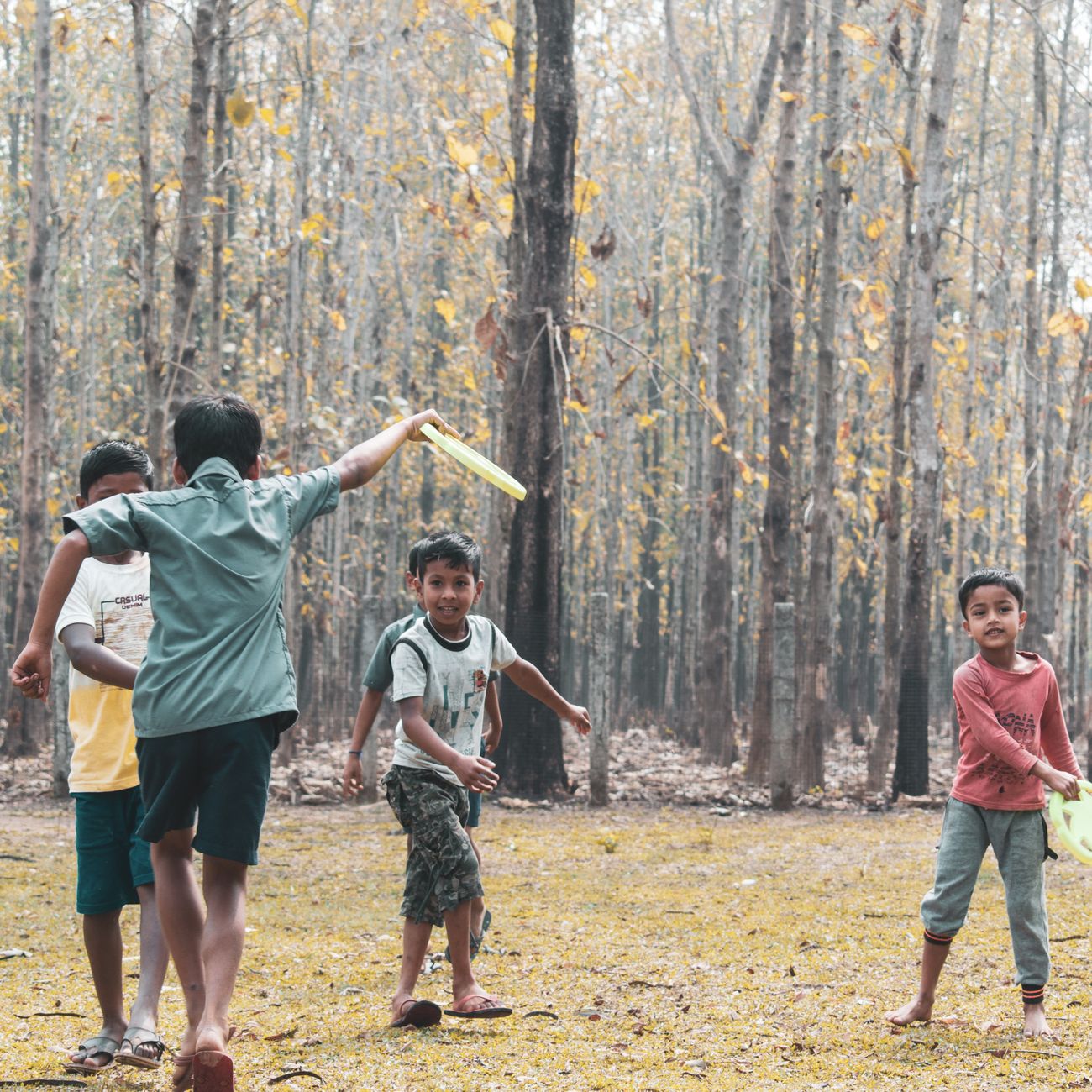
Sharing the Planet is one of the key themes in the International Baccalaureate (IB) Primary Years Programme (PYP). It focuses on the concept of sustainability and the interconnection between humans and the environment. This theme encourages students to explore how individuals and communities can work together to create a more sustainable and equitable world.
Key Terms and Vocabulary:
1. Sustainability: Sustainability refers to the ability to meet the needs of the present without compromising the ability of future generations to meet their own needs. It involves balancing economic, social, and environmental factors to ensure long-term well-being for all.
2. Interdependence: Interdependence highlights the idea that all living things are connected and rely on each other for survival. It emphasizes the importance of understanding and respecting the relationships between humans, animals, plants, and the environment.
3. Global Citizenship: Global citizenship is the idea that individuals have a responsibility to contribute positively to the global community. It involves understanding and respecting diverse cultures, promoting social justice, and advocating for sustainable development.
4. Environmental Stewardship: Environmental stewardship refers to the responsible use and protection of natural resources. It involves taking care of the environment, reducing waste, and promoting conservation efforts to ensure a healthy planet for future generations.
5. Ecological Footprint: An ecological footprint is a measure of human impact on the environment in terms of resources consumed and waste produced. It helps individuals and communities understand their environmental impact and make more sustainable choices.
6. Biodiversity: Biodiversity refers to the variety of life forms on Earth, including plants, animals, and microorganisms. It is essential for ecosystem stability and resilience, as well as for providing essential services such as pollination and nutrient cycling.
7. Climate Change: Climate change refers to long-term changes in temperature and weather patterns due to human activities, such as burning fossil fuels and deforestation. It has significant environmental, social, and economic impacts on communities around the world.
8. Resource Management: Resource management involves the efficient and sustainable use of natural resources, such as water, energy, and land. It includes practices like recycling, conservation, and renewable energy development to minimize waste and environmental degradation.
9. Food Security: Food security is the state of having reliable access to a sufficient quantity of nutritious food. It is essential for human health and well-being, and it is closely linked to issues like poverty, agriculture, and environmental sustainability.
10. Community Engagement: Community engagement involves actively involving individuals and groups in decision-making processes and initiatives that affect their lives. It promotes collaboration, inclusivity, and empowerment within local communities.
Practical Applications:
1. Community Garden Project: Students can collaborate on creating a community garden to learn about sustainable agriculture, biodiversity, and food security. They can plant a variety of fruits, vegetables, and herbs, and explore the importance of healthy eating and environmental stewardship.
2. Waste Reduction Campaign: Students can organize a waste reduction campaign at their school to raise awareness about recycling, composting, and reducing single-use plastics. They can conduct waste audits, implement recycling bins, and educate their peers about the importance of waste management.
3. Environmental Clean-Up Day: Students can participate in an environmental clean-up day in their local community to remove litter, plant trees, and restore natural habitats. They can learn about the impact of pollution on ecosystems and the importance of taking action to protect the environment.
Challenges:
1. Complexity of Global Issues: Understanding and addressing global issues like climate change, deforestation, and pollution can be overwhelming for students. It is essential to break down these complex topics into manageable concepts and provide age-appropriate resources and activities.
2. Cultural Sensitivity: Teaching about global citizenship and cultural diversity requires sensitivity and respect for different perspectives and beliefs. It is important to create a safe and inclusive learning environment where students feel comfortable discussing and exploring diverse cultures and identities.
In conclusion, Sharing the Planet is a crucial theme in the IB Primary Years Programme that encourages students to explore the interconnectedness of humans and the environment, promote sustainability, and foster global citizenship. By engaging in hands-on activities, discussions, and projects, students can develop a deeper understanding of environmental issues and work towards creating a more sustainable and equitable world.
Key takeaways
- This theme encourages students to explore how individuals and communities can work together to create a more sustainable and equitable world.
- Sustainability: Sustainability refers to the ability to meet the needs of the present without compromising the ability of future generations to meet their own needs.
- Interdependence: Interdependence highlights the idea that all living things are connected and rely on each other for survival.
- Global Citizenship: Global citizenship is the idea that individuals have a responsibility to contribute positively to the global community.
- It involves taking care of the environment, reducing waste, and promoting conservation efforts to ensure a healthy planet for future generations.
- Ecological Footprint: An ecological footprint is a measure of human impact on the environment in terms of resources consumed and waste produced.
- It is essential for ecosystem stability and resilience, as well as for providing essential services such as pollination and nutrient cycling.