
Space Systems Engineering
Space Systems Engineering: Space Systems Engineering is the discipline that combines engineering principles and methods to design, develop, and operate complex systems for use in space. This field encompasses a wide range of activities, fro…
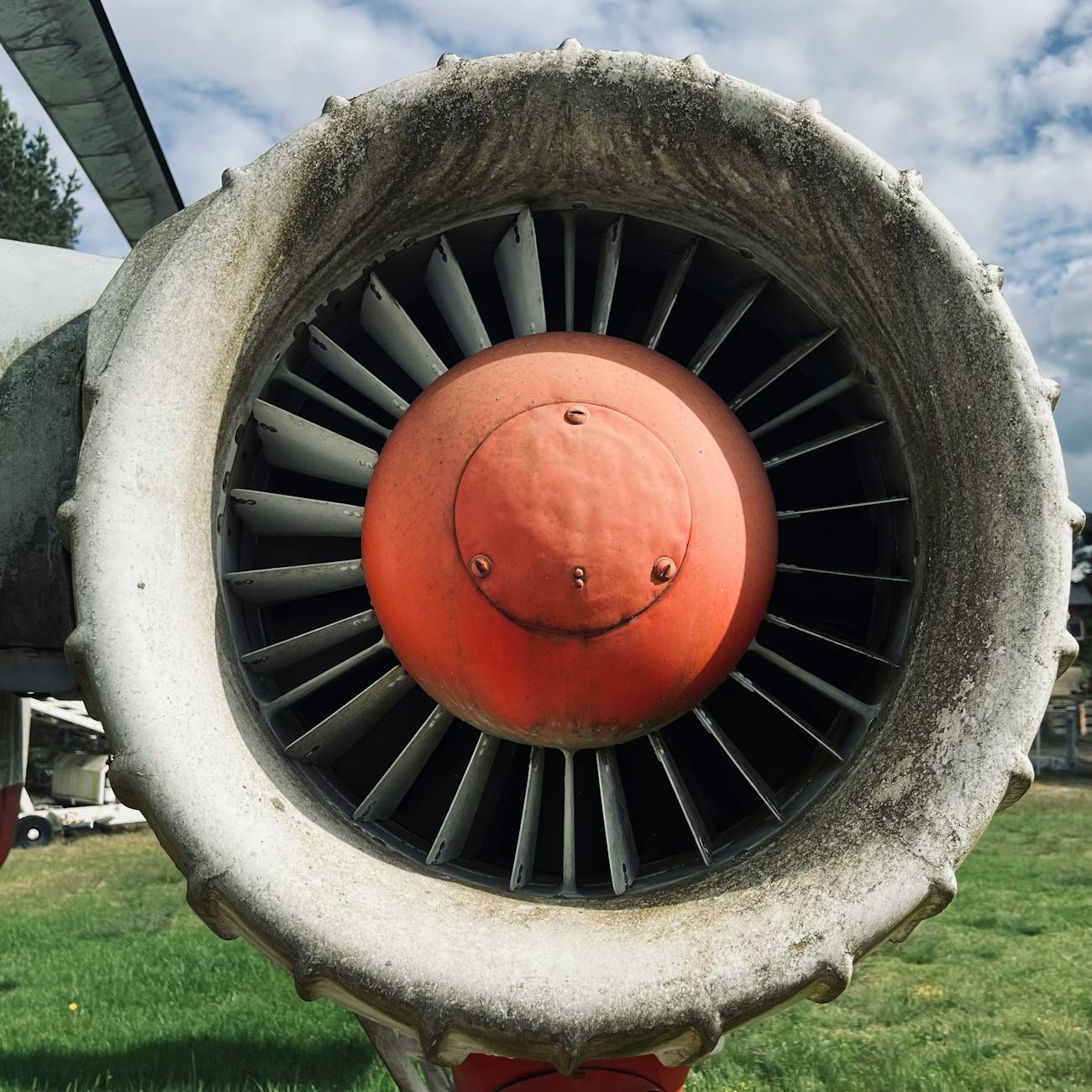
Space Systems Engineering: Space Systems Engineering is the discipline that combines engineering principles and methods to design, develop, and operate complex systems for use in space. This field encompasses a wide range of activities, from designing spacecraft to managing space missions and ensuring their success.
Risk Management: Risk management is the process of identifying, assessing, and prioritizing risks, and then coordinating and applying resources to minimize, control, and monitor the probability and impact of these risks. In the space industry, risk management is crucial due to the high stakes and complexities involved in space missions.
Space Industry: The space industry refers to the economic activities related to the design, manufacture, launch, and operation of spacecraft and space systems. This industry includes both government space agencies and commercial space companies, working together to explore space and utilize its resources.
Postgraduate Certificate: A postgraduate certificate is a qualification awarded upon completion of a specialized course of study at the postgraduate level. It is typically shorter in duration than a master's degree and focuses on a specific area of expertise, such as risk management in the space industry.
Engineering: Engineering is the application of scientific and mathematical principles to design, build, and maintain structures, machines, systems, and processes. In space systems engineering, engineers use their expertise to develop spacecraft, satellites, and other space technologies.
Systems Engineering: Systems engineering is an interdisciplinary approach to designing and managing complex systems. It involves considering the system as a whole, including its components, interactions, and interfaces, to ensure that all elements work together effectively.
Spacecraft: A spacecraft is a vehicle designed for travel or operation in outer space. Examples of spacecraft include satellites, space probes, and crewed spacecraft like the International Space Station. Spacecraft are essential for exploring space and conducting various missions.
Space Mission: A space mission is a specific task or objective carried out in space, such as launching a satellite, conducting scientific research, or exploring other planets. Space missions involve planning, designing, and executing complex operations in the space environment.
Space Systems: Space systems refer to the collection of components, subsystems, and technologies that work together to perform a specific function in space. These systems can include communication systems, propulsion systems, power systems, and other critical elements of spacecraft and satellites.
Risk: Risk is the potential for harm or loss resulting from exposure to various hazards or uncertainties. In the context of space systems engineering, risks can arise from technical failures, operational errors, environmental factors, and other sources that could impact the success of a space mission.
Probability: Probability is a measure of the likelihood that a specific event will occur, expressed as a number between 0 and 1. In risk management, assessing the probability of different risks helps stakeholders understand the likelihood of potential outcomes and plan accordingly.
Impact: Impact refers to the effect or consequence of a risk event if it were to occur. Understanding the potential impact of risks is essential for prioritizing them and developing mitigation strategies to minimize the negative consequences on a space mission.
Assessment: Risk assessment is the process of evaluating risks by considering their probability, impact, and other factors to determine their significance. Assessments help stakeholders make informed decisions about how to manage risks effectively in the space industry.
Resources: Resources are the assets, tools, and capabilities available to an organization for managing risks and addressing challenges. In space systems engineering, resources can include financial investments, technological expertise, human capital, and other essential elements for mission success.
Minimize: Minimizing risks involves taking proactive measures to reduce the likelihood or impact of potential threats to a space mission. This can include implementing safety protocols, improving system reliability, and enhancing operational procedures to enhance overall mission resilience.
Control: Risk control refers to the actions taken to manage and mitigate risks during the course of a space mission. Controlling risks involves monitoring potential threats, implementing corrective measures, and adapting strategies to address new challenges as they arise.
Monitor: Risk monitoring is the ongoing process of tracking, evaluating, and updating risk management strategies throughout a space mission. By monitoring risks, stakeholders can stay informed about changing conditions and make timely adjustments to ensure mission success.
Space Exploration: Space exploration is the investigation and study of outer space, including the planets, moons, stars, and other celestial bodies beyond Earth. Space exploration missions involve sending spacecraft to collect data, conduct experiments, and expand human knowledge of the universe.
Commercial Space: Commercial space refers to the activities and ventures conducted by private companies in the space industry. These companies develop and operate space systems for various purposes, such as telecommunications, Earth observation, and space tourism, in addition to government-led missions.
Space Agencies: Space agencies are government organizations responsible for planning, coordinating, and executing space missions and programs. Examples of space agencies include NASA (National Aeronautics and Space Administration) in the United States, ESA (European Space Agency) in Europe, and ROSCOSMOS in Russia.
Satellite: A satellite is an artificial object placed in orbit around Earth or another celestial body to perform specific functions, such as communication, navigation, or Earth observation. Satellites play a crucial role in modern society, providing essential services like GPS, weather forecasting, and telecommunication.
Space Probe: A space probe is an unmanned spacecraft designed to explore space and gather data about distant objects, such as planets, asteroids, or comets. Space probes are equipped with scientific instruments to study the characteristics of celestial bodies and transmit information back to Earth.
International Space Station (ISS): The International Space Station is a habitable space station in low Earth orbit that serves as a research laboratory for international cooperation in space exploration. The ISS is a collaborative project involving multiple countries and space agencies, conducting scientific experiments and technological advancements in microgravity.
Communication Systems: Communication systems are technologies that enable the transmission of data, signals, and information between spacecraft, ground stations, and other components of a space mission. Effective communication systems are essential for maintaining contact and exchanging critical data during space operations.
Propulsion Systems: Propulsion systems are mechanisms that generate thrust to propel spacecraft through space. These systems can include chemical rockets, ion engines, and other propulsion technologies that provide the necessary acceleration for spacecraft to reach their intended destinations and maneuver in space.
Power Systems: Power systems are the components that supply electrical energy to spacecraft for operating onboard systems and instruments. Power systems can include solar panels, batteries, fuel cells, and other energy sources that provide the necessary power for space missions to function effectively.
Technical Failures: Technical failures are malfunctions or breakdowns in the systems or components of a spacecraft that can lead to mission disruption or failure. Addressing technical failures requires thorough testing, quality control, and redundancy measures to ensure system reliability in the harsh environment of space.
Operational Errors: Operational errors are mistakes or oversights in the planning, execution, or management of space missions that can compromise mission success. Minimizing operational errors involves implementing clear procedures, training personnel effectively, and maintaining situational awareness throughout mission operations.
Environmental Factors: Environmental factors are conditions or events in the space environment that can impact the performance and safety of spacecraft. Examples of environmental factors include radiation, micrometeoroids, space debris, and temperature extremes, which pose challenges for designing and operating space systems.
Mitigation Strategies: Mitigation strategies are proactive measures taken to reduce the likelihood or impact of risks on a space mission. These strategies can include contingency planning, risk transfer, redundancy design, and other approaches to enhance mission resilience and protect against potential threats.
Stakeholders: Stakeholders are individuals, organizations, or groups with a vested interest in the success of a space mission. Stakeholders in the space industry can include government agencies, commercial partners, scientists, engineers, astronauts, and the general public, all of whom play a role in supporting and shaping space exploration efforts.
Resilience: Resilience is the ability of a space mission to withstand and recover from disruptions, failures, or unexpected events. Building resilience into space systems involves designing robust architectures, implementing backup systems, and fostering a culture of adaptability to ensure mission success in challenging environments.
Challenges: Challenges are obstacles or difficulties that must be overcome in the course of designing, developing, and operating space systems. Examples of challenges in the space industry include technological limitations, budget constraints, regulatory requirements, and geopolitical considerations that impact the planning and execution of space missions.
Earth Observation: Earth observation is the use of satellite technology to monitor and study the Earth's surface, atmosphere, and environment from space. Earth observation satellites provide valuable data for applications such as weather forecasting, environmental monitoring, agriculture, urban planning, and disaster management.
Space Tourism: Space tourism is the emerging industry of commercial space travel for private individuals to experience spaceflight and visit space destinations. Companies like SpaceX, Blue Origin, and Virgin Galactic are developing spacecraft and infrastructure to offer space tourism experiences to customers in the near future.
Key takeaways
- Space Systems Engineering: Space Systems Engineering is the discipline that combines engineering principles and methods to design, develop, and operate complex systems for use in space.
- Risk Management: Risk management is the process of identifying, assessing, and prioritizing risks, and then coordinating and applying resources to minimize, control, and monitor the probability and impact of these risks.
- Space Industry: The space industry refers to the economic activities related to the design, manufacture, launch, and operation of spacecraft and space systems.
- Postgraduate Certificate: A postgraduate certificate is a qualification awarded upon completion of a specialized course of study at the postgraduate level.
- Engineering: Engineering is the application of scientific and mathematical principles to design, build, and maintain structures, machines, systems, and processes.
- It involves considering the system as a whole, including its components, interactions, and interfaces, to ensure that all elements work together effectively.
- Examples of spacecraft include satellites, space probes, and crewed spacecraft like the International Space Station.