
Global Economic Trends
Global Economic Trends encompass a wide range of factors that influence the economic landscape on a global scale. Understanding these trends is crucial for businesses and policymakers to make informed decisions and adapt to the changing env…
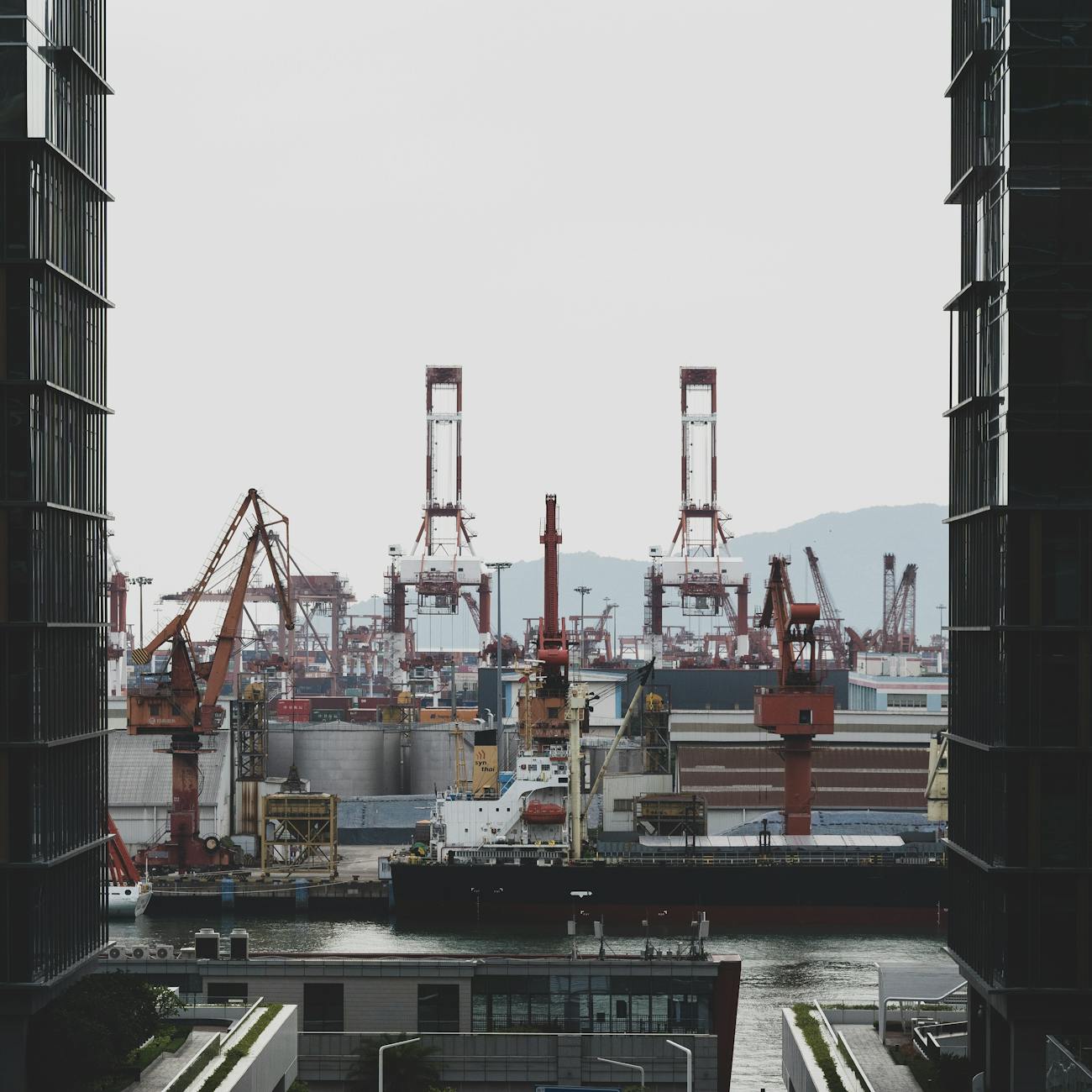
Global Economic Trends encompass a wide range of factors that influence the economic landscape on a global scale. Understanding these trends is crucial for businesses and policymakers to make informed decisions and adapt to the changing environment. In this course, Certificate in International Operations and Finance, we will explore key terms and vocabulary related to global economic trends to provide a comprehensive understanding of the subject.
**1. Globalization** Globalization refers to the interconnectedness of economies around the world through the exchange of goods, services, capital, and information. It has led to increased trade, investment, and cultural exchange between countries. Globalization has both benefits and challenges, as it can create opportunities for businesses to expand internationally but also expose them to risks such as economic volatility and political instability.
**2. Gross Domestic Product (GDP)** Gross Domestic Product (GDP) is the total value of all goods and services produced within a country's borders in a specific period. It is a key indicator of a country's economic performance and is often used to compare the economic output of different countries. GDP growth is an important factor in assessing the health of an economy and its potential for future development.
**3. Inflation** Inflation is the rate at which the general level of prices for goods and services rises, leading to a decrease in the purchasing power of a currency. High inflation can erode the value of money and reduce consumer confidence, while low inflation can indicate stagnant economic growth. Central banks often aim to keep inflation stable to support economic stability.
**4. Exchange Rate** The exchange rate is the value of one currency in terms of another currency. Exchange rates fluctuate based on supply and demand in the foreign exchange market and can have a significant impact on international trade and investment. A strong currency can make imports cheaper but exports more expensive, while a weak currency can have the opposite effect.
**5. Balance of Payments** The balance of payments is a record of all economic transactions between a country and the rest of the world over a specific period. It consists of the current account, which includes trade in goods and services, the capital account, which tracks financial transactions, and the financial account, which records changes in ownership of financial assets.
**6. Foreign Direct Investment (FDI)** Foreign Direct Investment (FDI) is when a company or individual from one country invests in a business or project in another country, acquiring a significant ownership stake. FDI can help stimulate economic growth, transfer technology and skills, create jobs, and improve infrastructure in the host country. However, it can also pose risks such as potential loss of control over key assets.
**7. Multinational Corporation (MNC)** A Multinational Corporation (MNC) is a company that operates in multiple countries and has a global presence. MNCs often have subsidiaries, branches, or affiliates in different countries and engage in international trade and investment. They play a significant role in driving globalization and shaping global economic trends.
**8. Free Trade** Free trade is the policy of allowing goods and services to be traded across borders without tariffs, quotas, or other restrictions. It promotes efficiency, competition, and specialization, leading to lower prices, increased consumer choice, and economic growth. Free trade agreements, such as NAFTA and the European Union, aim to reduce barriers to trade between participating countries.
**9. Protectionism** Protectionism is the use of trade barriers, such as tariffs, quotas, and subsidies, to protect domestic industries from foreign competition. While protectionist measures can help shield domestic producers from unfair practices and preserve jobs, they can also lead to higher prices for consumers, reduced competition, and retaliation from trading partners.
**10. Economic Development** Economic development refers to the process of improving the economic well-being and quality of life for a country's population. It involves increasing income levels, reducing poverty, improving infrastructure, promoting education and healthcare, and creating opportunities for sustainable growth. Economic development is crucial for reducing inequality and achieving long-term prosperity.
**11. Emerging Markets** Emerging markets are economies that are in the process of rapid industrialization and growth, often characterized by high growth rates, expanding middle class, and improving living standards. Countries such as China, India, Brazil, and Russia are considered emerging markets due to their increasing influence on the global economy. Investing in emerging markets can offer high returns but also comes with higher risks.
**12. Sustainable Development** Sustainable development is the concept of meeting the needs of the present without compromising the ability of future generations to meet their own needs. It involves balancing economic growth, social progress, and environmental protection to ensure long-term prosperity. Sustainable development goals, such as reducing carbon emissions and promoting renewable energy, are essential for addressing global challenges such as climate change and poverty.
**13. Economic Indicators** Economic indicators are statistics that provide insights into the health and performance of an economy. They include measures such as unemployment rate, consumer price index (CPI), purchasing managers' index (PMI), and industrial production. Economic indicators help policymakers, investors, and businesses make informed decisions by tracking trends and predicting future economic conditions.
**14. Supply Chain** A supply chain is the network of suppliers, manufacturers, distributors, retailers, and customers involved in the production and distribution of goods and services. Supply chains are essential for ensuring the smooth flow of products from raw materials to consumers and play a critical role in global trade. Managing supply chains effectively is crucial for optimizing costs, reducing lead times, and enhancing competitiveness.
**15. Risk Management** Risk management is the process of identifying, assessing, and mitigating risks that could impact the success of a business or project. Global economic trends can introduce various risks, such as currency fluctuations, geopolitical instability, supply chain disruptions, and regulatory changes. Effective risk management strategies involve implementing controls, diversifying investments, and developing contingency plans to minimize potential losses.
**16. Financial Markets** Financial markets are platforms where buyers and sellers trade financial assets such as stocks, bonds, currencies, and commodities. They play a crucial role in allocating capital, determining prices, and facilitating investment. Global financial markets are interconnected and influenced by factors such as interest rates, economic indicators, geopolitical events, and investor sentiment. Understanding financial markets is essential for making sound investment decisions and managing financial risks.
**17. Foreign Exchange Market** The foreign exchange market, also known as the forex market, is where currencies are traded between participants such as banks, corporations, governments, and investors. It is the largest and most liquid financial market in the world, with trillions of dollars exchanged daily. Exchange rates in the forex market are influenced by factors such as interest rates, inflation, economic indicators, and geopolitical developments.
**18. Capital Flows** Capital flows refer to the movement of money between countries for investment purposes. They can take the form of foreign direct investment, portfolio investment, loans, or remittances. Capital flows are influenced by factors such as interest rates, economic conditions, political stability, and investor confidence. Managing capital flows effectively is essential for maintaining financial stability and promoting economic growth.
**19. Economic Integration** Economic integration is the process of reducing barriers to trade and investment between countries to create a single market or economic union. It involves harmonizing regulations, eliminating tariffs, and promoting free movement of goods, services, capital, and labor. Economic integration can lead to increased efficiency, economies of scale, and competitiveness, but it also requires coordination and cooperation among participating countries.
**20. Digital Economy** The digital economy refers to economic activities that are based on digital technologies, such as the internet, mobile devices, and cloud computing. It encompasses e-commerce, digital payments, online services, and data-driven businesses. The digital economy is transforming traditional industries, creating new opportunities for innovation and growth, and reshaping global economic trends. Embracing digital technologies is essential for staying competitive in the modern business environment.
In conclusion, understanding key terms and vocabulary related to global economic trends is essential for navigating the complex and interconnected world of international operations and finance. By familiarizing yourself with these concepts and their implications, you can better analyze economic developments, anticipate challenges, and capitalize on opportunities in the global marketplace. Whether you are a business leader, policymaker, investor, or student, having a solid grasp of global economic trends will empower you to make informed decisions and contribute to sustainable growth and prosperity.
Key takeaways
- In this course, Certificate in International Operations and Finance, we will explore key terms and vocabulary related to global economic trends to provide a comprehensive understanding of the subject.
- Globalization has both benefits and challenges, as it can create opportunities for businesses to expand internationally but also expose them to risks such as economic volatility and political instability.
- Gross Domestic Product (GDP)** Gross Domestic Product (GDP) is the total value of all goods and services produced within a country's borders in a specific period.
- Inflation** Inflation is the rate at which the general level of prices for goods and services rises, leading to a decrease in the purchasing power of a currency.
- Exchange rates fluctuate based on supply and demand in the foreign exchange market and can have a significant impact on international trade and investment.
- It consists of the current account, which includes trade in goods and services, the capital account, which tracks financial transactions, and the financial account, which records changes in ownership of financial assets.
- Foreign Direct Investment (FDI)** Foreign Direct Investment (FDI) is when a company or individual from one country invests in a business or project in another country, acquiring a significant ownership stake.