
Professional Practice in Therapeutic Garden Design.
Therapeutic garden – A designed outdoor space that intentionally supports physical, mental, and emotional wellbeing through interaction with nature. In practice the garden is more than decorative; it incorporates evidence‑based design princ…
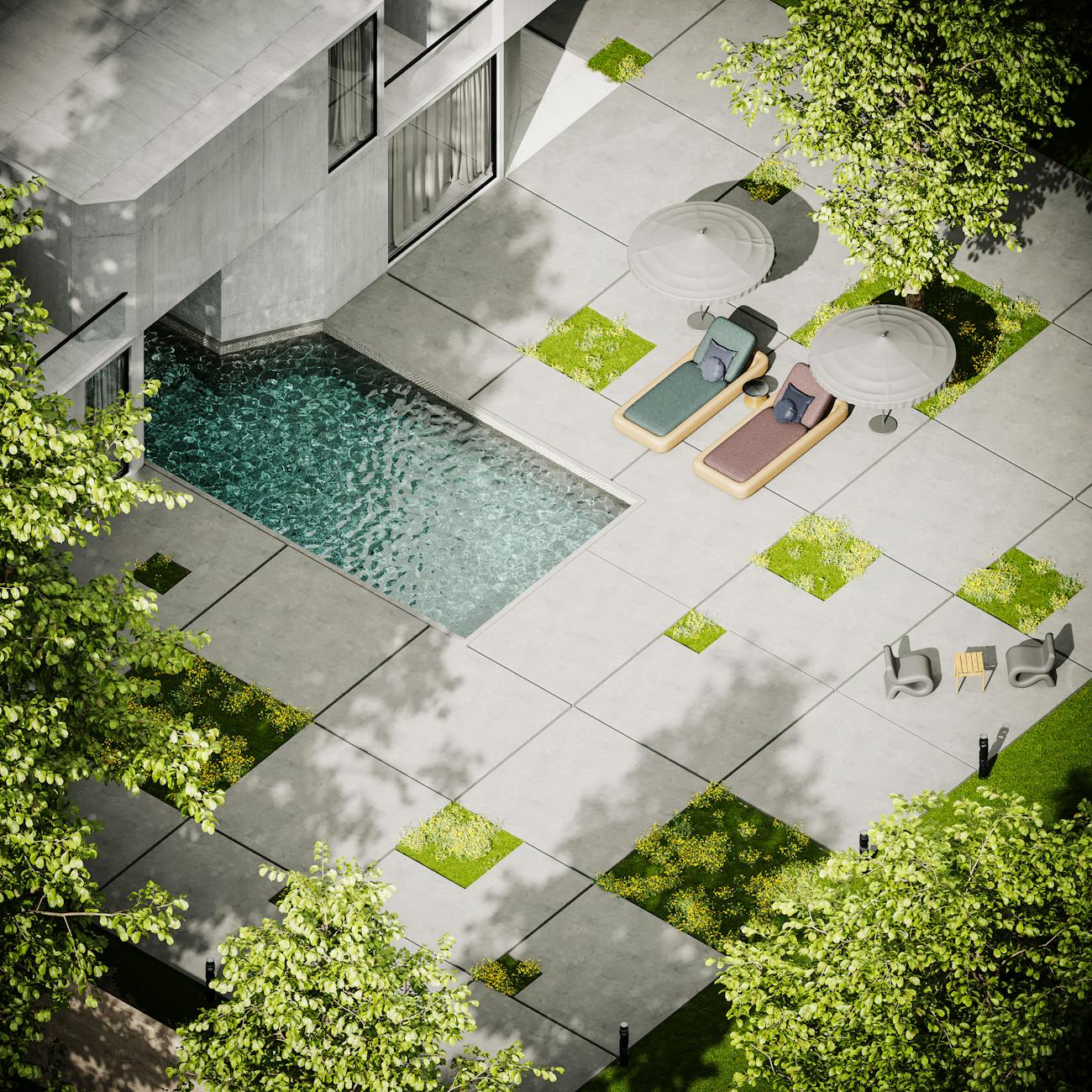
Therapeutic garden – A designed outdoor space that intentionally supports physical, mental, and emotional wellbeing through interaction with nature. In practice the garden is more than decorative; it incorporates evidence‑based design principles that align plant selection, layout, and sensory elements with therapeutic goals. Example: a rehabilitation centre may create a garden with raised beds, smooth pathways, and fragrant herbs to encourage gentle exercise and sensory stimulation for patients recovering from stroke. Challenges include balancing aesthetic appeal with accessibility, ensuring safety without diminishing the sense of natural immersion, and measuring outcomes to justify ongoing maintenance costs.
Healing garden – Often used interchangeably with therapeutic garden, a healing garden specifically focuses on providing a restorative environment for patients, staff, and visitors within healthcare settings. Practical application involves integrating quiet zones for meditation, water features that produce soothing sounds, and shaded areas that protect from excessive sun exposure. A key challenge is coordinating with medical staff to align garden activities with treatment schedules and to avoid infection control issues.
Biophilia – The innate human affinity for living systems. In garden design this concept drives the inclusion of diverse plant life, natural textures, and wildlife habitats to satisfy the psychological need for connection with nature. For example, incorporating bird‑friendly shrubs can stimulate curiosity and provide visual interest for users of all ages. Designers must consider local ecology to avoid introducing invasive species that could disrupt existing habitats.
Universal design – A design philosophy that creates environments usable by the widest range of people without the need for adaptation. In therapeutic gardens this means providing wheelchair‑friendly paths, tactile paving for the visually impaired, and adjustable seating heights. A practical application is the use of gently sloping ramps instead of stairs, allowing both mobility‑impaired users and those with strollers to navigate the space. The main challenge is reconciling universal design with site constraints such as steep terrain or historic preservation requirements.
Accessibility – The degree to which a garden can be used by individuals with varying physical, sensory, and cognitive abilities. Accessibility guidelines often reference standards such as ADA (Americans with Disabilities Act) or ISO 21542. Example: providing Braille labels on plant signage enables blind visitors to engage with the garden’s educational components. Challenges include budgeting for specialized equipment and ensuring that accessibility features blend aesthetically with the overall design.
Horticultural therapy – A formal therapeutic intervention that uses gardening activities to achieve specific health outcomes. Practitioners may prescribe tasks such as seed planting, pruning, or soil mixing to improve fine motor skills, cognition, or mood. In a therapeutic garden, designated “therapy zones” with low‑raised beds, easy‑to‑grip tools, and clear visual cues support these interventions. Challenges include training garden staff in therapeutic techniques and documenting measurable benefits for clinical validation.
Ecotherapy – A broader approach that emphasizes the therapeutic benefits of interacting with ecosystems as a whole, rather than isolated gardening tasks. This can involve guided nature walks, wildlife observation, or participation in habitat restoration within the garden. Practical use: a community mental‑health program might schedule weekly “forest‑bath” sessions in a garden’s woodland area. Challenges include ensuring participant safety in natural settings and managing the unpredictability of wildlife encounters.
Landscape therapy – The use of landscape design elements to influence psychological states. It draws on environmental psychology to select colors, textures, and forms that evoke calm, stimulation, or focus. For instance, cool blues and greens can promote relaxation, while vibrant reds may be used sparingly to increase alertness in a cognitive‑rehabilitation garden. The challenge lies in avoiding overstimulation, especially for users with sensory sensitivities such as those on the autism spectrum.
Sensory garden – A garden intentionally designed to engage the five senses through plant selection, materials, and features. Typical components include fragrant herbs for smell, textured stones for touch, colorful flowers for sight, rustling grasses for hearing, and edible plants for taste. Example: a dementia care facility may create a sensory garden with rosemary, lavender, and mint for scent, and tactile pathways made of smooth river stones. Challenges involve maintaining sensory elements (e.g., preventing over‑growth that masks scents) and ensuring that sensory stimulation does not become overwhelming for vulnerable users.
Plant selection – The process of choosing appropriate species based on therapeutic goals, climate, maintenance requirements, and user abilities. For therapeutic purposes, plants with strong scents, soft foliage, or edible parts are often prioritized. Example: planting lavender near seating areas can provide a calming aroma, while low‑maintenance succulents reduce watering demands. Challenges include balancing therapeutic properties with ecological suitability and managing seasonal changes that may alter the garden’s therapeutic function.
Seasonality – The cyclical changes in plant appearance and activity throughout the year. Designing with seasonality in mind ensures that the garden offers therapeutic value year‑round. A practical strategy is to layer plantings so that early spring blooms, summer foliage, autumn foliage colour, and winter structure (e.g., evergreen branches) are all represented. The challenge is coordinating planting schedules and selecting species that thrive in the local climate while meeting therapeutic objectives.
Microclimate – The localized climate conditions within a garden, influenced by factors such as sun exposure, wind shelter, and moisture levels. Understanding microclimates helps designers place users in comfortable environments. Example: a sunny south‑facing area may be used for heat‑loving plants and for users who benefit from warmth, while a shaded north‑facing nook can serve cooling needs and provide respite from heat. Challenges include predicting microclimate effects in complex sites and adapting designs to climate change impacts.
Soil health – The biological and physical quality of the growing medium, which affects plant vitality and user safety. Healthy soil supports robust plant growth, reduces the need for chemical inputs, and can be a therapeutic medium for sensory activities such as soil mixing. Practical steps include conducting soil tests, amending with organic matter, and using raised beds to control soil composition. Challenges involve remediating contaminated sites and maintaining soil structure under heavy foot traffic.
Water management – The planning and implementation of irrigation, drainage, and water features to support plant health and user experience. In therapeutic gardens, water can be functional (irrigation) and therapeutic (fountains, streams). Example: a misting system can cool a hot garden area while providing a calming auditory backdrop. Challenges include preventing water‑related hazards such as slippery surfaces, managing water consumption sustainably, and ensuring compliance with local water regulations.
Lighting design – The strategic use of natural and artificial light to enhance safety, highlight therapeutic features, and influence mood. Daylight exposure is crucial for circadian regulation, while artificial lighting can extend garden usability into evenings. Practical application: low‑glare LED path lights guide users safely, while warm‑hued uplighting accentuates a focal sculpture, creating a soothing ambience. Challenges include balancing illumination levels to avoid glare for visually impaired users and minimizing light pollution.
Color theory – The study of how colors affect emotion and perception. In therapeutic garden design, color choices are aligned with desired outcomes. Soft blues and greens are commonly used for relaxation; bright yellows may stimulate optimism; muted purples can aid contemplation. Example: planting a border of yellow marigolds near a gathering area can uplift mood, while surrounding it with blue sage promotes calm. Challenges involve cultural differences in color symbolism and ensuring that color combinations remain harmonious throughout seasonal changes.
Texture – The tactile quality of surfaces and plant parts, which contributes to sensory engagement. Rough bark, smooth stones, soft moss, and feathery grasses each provide distinct tactile experiences. Practical use: a pathway alternating between smooth pavers and textured stepping stones can encourage mindful walking. Challenges include maintaining textures over time, especially in high‑traffic zones where wear may smooth or erode surfaces.
Scent – Olfactory stimulation achieved through aromatic plants, herbs, and natural materials. Scent can trigger memory, reduce stress, and improve mood. Example: planting rosemary near a meditation platform provides a refreshing scent that can aid concentration. Challenges include seasonal scent variability, potential allergies, and ensuring that strong fragrances do not become overpowering for users with heightened sensitivity.
Acoustic environment – The soundscape created by natural and built elements, influencing relaxation and focus. Water features, wind‑chimes, rustling grasses, and bird‑friendly habitats contribute to a therapeutic acoustic palette. Practical application: a shallow reflecting pool generates gentle bubbling sounds that mask urban noise, supporting a calm atmosphere. Challenges involve controlling unwanted noises (e.g., traffic) and preventing acoustic elements from becoming sources of distraction.
Wayfinding – The design of cues and pathways that help users navigate the garden intuitively. Clear signage, distinct visual landmarks, and consistent material changes guide movement. Example: using a series of uniquely shaped benches as markers can help users orient themselves without reliance on written signs. Challenges include designing wayfinding systems that are understandable for users with cognitive impairments while preserving natural aesthetics.
Safety – The comprehensive assessment of hazards and implementation of measures to protect all garden users. This includes slip‑resistant surfaces, rounded edges on structures, and secure fencing where necessary. Practical steps: selecting non‑toxic plants, providing adequate lighting, and ensuring that water features have safe depths. Challenges involve balancing safety with therapeutic openness; overly restrictive measures may diminish the sense of freedom that nature provides.
Risk assessment – A systematic process to identify potential hazards, evaluate their likelihood and impact, and develop mitigation strategies. In therapeutic garden projects, risk assessments are conducted at design, construction, and operational phases. Example: evaluating the risk of falls on a steep slope may lead to the installation of terraced steps with handrails. Challenges include anticipating less obvious risks such as allergic reactions to plant pollen or the psychological impact of certain garden elements on traumatized individuals.
Maintenance – Ongoing activities required to preserve the garden’s therapeutic function, safety, and aesthetic quality. Tasks include pruning, mulching, irrigation checks, and equipment repairs. A practical maintenance plan outlines frequency, responsible parties, and budget allocations. Challenges include ensuring continuity of care when staff turnover occurs, securing funding for long‑term upkeep, and training maintenance personnel in therapeutic considerations (e.g., avoiding harsh chemicals).
Stakeholder engagement – The process of involving all parties who have an interest in the garden, such as patients, caregivers, clinicians, landscape architects, and community members. Effective engagement ensures that the garden meets real needs and garners support. Example: conducting focus groups with seniors to determine preferred seating styles and plant aromas. Challenges include reconciling conflicting priorities, managing expectations, and facilitating participation from hard‑to‑reach populations.
Evidence‑based design – The integration of research findings and clinical data into design decisions. This approach validates therapeutic garden interventions and supports funding proposals. Practical application: referencing studies that demonstrate reduced cortisol levels after exposure to green spaces when justifying budget for a new garden. Challenges include keeping abreast of evolving research, translating scientific language into design specifications, and dealing with limited evidence for niche therapeutic outcomes.
Regulatory compliance – Adherence to building codes, health‑safety regulations, and environmental statutes relevant to garden development. Examples include obtaining permits for water features, meeting fire‑safety requirements for plant selections, and complying with accessibility legislation. Challenges arise from navigating multiple jurisdictional requirements, especially when projects span public and private lands.
Funding – The acquisition of financial resources to support garden design, construction, and operation. Sources may include government grants, charitable foundations, corporate sponsorships, and community fundraising. A practical approach involves developing a detailed budget that aligns with therapeutic objectives and presenting measurable outcomes to funders. Challenges include demonstrating return on investment, competing with other health‑care priorities, and ensuring sustainable funding for long‑term maintenance.
Project management – The coordination of schedule, resources, and personnel to deliver the garden on time and within budget. Key phases include initiation, planning, execution, monitoring, and closure. Example: using a Gantt chart to track milestones such as site analysis, design approval, procurement, and planting. Challenges include managing unexpected site conditions, aligning interdisciplinary team timelines, and maintaining flexibility for therapeutic adjustments during construction.
Ethical considerations – The moral principles guiding decisions that affect users, staff, and the environment. In therapeutic garden practice, ethics involve respecting user dignity, obtaining informed consent for therapeutic activities, and protecting wildlife. Practical example: ensuring that garden volunteers are trained in confidentiality when assisting patients. Challenges include navigating cultural norms around nature, addressing potential power dynamics, and avoiding exploitation of vulnerable populations.
Cultural sensitivity – The awareness and incorporation of cultural values, traditions, and preferences into garden design. This may involve selecting plants with symbolic meaning, providing spaces for cultural rituals, or respecting religious dietary restrictions. Example: integrating a small herb garden that grows basil for a community with Italian heritage, while also providing native plants significant to Indigenous peoples. Challenges include avoiding cultural appropriation, reconciling diverse preferences, and engaging cultural advisors early in the design process.
Inclusivity – The commitment to creating garden experiences that welcome people of all ages, abilities, backgrounds, and identities. Inclusive design may feature multi‑generational play areas, gender‑neutral restrooms, and signage in multiple languages. Practical application: offering tactile plant markers for users with visual impairments while also providing QR codes that deliver audio descriptions for tech‑savvy visitors. Challenges involve balancing diverse needs without overcomplicating the design and ensuring that inclusivity does not dilute therapeutic focus.
User‑centred design – A design methodology that places the needs, preferences, and experiences of end‑users at the forefront of decision‑making. This involves iterative testing, prototyping, and feedback loops. Example: creating a mock‑up of a sensory pathway and inviting a group of patients to walk it, then refining the design based on their comments. Challenges include managing scope creep as user suggestions accumulate and ensuring that user input aligns with evidence‑based therapeutic goals.
Evaluation metrics – Quantitative and qualitative measures used to assess the garden’s impact on health outcomes, user satisfaction, and operational performance. Common metrics include pre‑ and post‑intervention surveys, physiological indicators (e.g., heart rate variability), and usage statistics (e.g., footfall counts). Practical use: implementing a simple visual analogue scale for mood before and after a garden session to track short‑term effects. Challenges involve selecting appropriate tools, ensuring data reliability, and translating findings into actionable improvements.
Plant health monitoring – The systematic observation and documentation of plant condition to maintain therapeutic efficacy. Methods include regular inspections for pests, disease, and structural integrity. Example: using a checklist to record leaf discoloration, which may indicate nutrient deficiencies requiring soil amendment. Challenges encompass limited horticultural expertise among therapeutic staff and the need for rapid response to prevent plant loss that could affect user experience.
Therapeutic programming – The schedule of structured activities that leverage garden features to achieve health objectives. Programs may include guided horticulture workshops, mindfulness walks, and intergenerational gardening projects. Practical example: a weekly “plant‑and‑paint” session where participants first tend a flower bed and then create artwork inspired by the garden. Challenges include coordinating therapist availability, aligning program timing with garden maintenance windows, and ensuring activities are adaptable for varying ability levels.
Intergenerational design – The creation of spaces that facilitate interaction between different age groups, fostering mutual learning and social cohesion. In therapeutic gardens, this can be achieved through shared planting beds, communal seating, and storytelling corners. Example: a senior garden area that includes low‑height planters accessible to children, encouraging grandchildren to assist their grandparents. Challenges include managing differing mobility needs, ensuring that activities are appropriate for all ages, and preventing conflicts over space usage.
Adaptive equipment – Tools and fixtures modified to accommodate users with physical limitations. In a therapeutic garden, adaptive equipment may include ergonomic trowels with extended handles, wheelchair‑mounted watering cans, and height‑adjustable work tables. Practical application: providing a raised compost bin that can be accessed from a seated position. Challenges involve sourcing specialized equipment within budget constraints and ensuring durability under outdoor conditions.
Therapeutic zoning – The strategic segmentation of the garden into distinct areas that support specific therapeutic purposes, such as relaxation, stimulation, or skill development. Zoning helps users navigate the space according to their current needs. Example: a quiet contemplation zone with a water feature, a stimulation zone with interactive sculptures, and a skill‑building zone with gardening stations. Challenges include preventing zone boundaries from feeling restrictive and ensuring smooth transitions between zones.
Plant symbolism – The use of plants that carry cultural or therapeutic meanings to reinforce therapeutic narratives. For instance, the lotus often symbolizes rebirth and can be employed in recovery‑focused gardens. Practical use: incorporating a lotus pond in a garden for patients undergoing addiction treatment to represent renewal. Challenges involve ensuring that symbols are universally understood within the user group and avoiding unintended negative connotations.
Seasonal programming – Activities and interventions that align with the garden’s seasonal changes, enhancing relevance and engagement. Example: a “spring sow‑and‑grow” workshop when bulbs emerge, a “autumn leaf‑art” session utilizing fallen foliage, and a “winter sensory box” that contains pine cones and evergreen sprigs. Challenges include staffing expertise for each season and adjusting therapeutic goals to seasonal constraints (e.g., reduced outdoor time in winter).
Therapeutic pathways – Designed routes that encourage movement, provide sensory experiences, and support therapeutic objectives such as gait training or mindfulness walking. Pathways may vary in surface material, width, and curvature to create purposeful challenges. Example: a gently winding path with alternating textures (gravel, bark mulch, smooth pavers) that invites users to notice each step. Challenges include ensuring pathways are safe for all users, maintaining surface integrity, and preventing erosion.
Restorative rest areas – Dedicated spots where users can pause, reflect, and recover energy. These areas often feature comfortable seating, shade, and soothing elements like water or soft music. Practical design: positioning a bench beneath a pergola draped with climbing vines that filter sunlight, creating a calm micro‑climate. Challenges include providing sufficient number of rest areas to avoid crowding and protecting furniture from weathering without compromising natural aesthetics.
Therapeutic focal points – Central features that draw visual attention and provide a sense of purpose or orientation. Common focal points include sculptures, water features, or striking plant arrangements. Example: a bronze sculpture representing growth placed at the garden’s entrance, serving both as an artistic statement and a navigational anchor. Challenges involve selecting focal points that resonate with therapeutic themes and ensuring they do not distract from sensory experiences.
Safety glazing – The use of tempered or laminated glass for protective barriers around water features or elevated platforms, reducing injury risk while preserving visibility. Practical use: installing a low‑height glass fence around a shallow reflecting pool to allow children to view the water safely. Challenges include cost considerations and maintaining clarity in outdoor environments where dust or water may accumulate.
Water feature design – The planning of fountains, streams, ponds, or misting installations to provide auditory, visual, and tactile benefits. In therapeutic contexts, water can lower stress hormones and improve focus. Example: a gently cascading wall that creates a continuous soundscape, useful for meditation sessions. Challenges include preventing mosquito breeding, ensuring water quality, and integrating pumps that operate quietly to avoid unintended noise.
Lighting control systems – Automated technologies that adjust illumination levels based on time of day, occupancy, or seasonal needs. These systems can enhance safety while supporting circadian rhythms. Example: dimming pathway lights after sunset to create a softer ambience for evening therapy groups. Challenges involve technical maintenance, power consumption considerations, and user training for system operation.
Material durability – The selection of hardscape and furnishings that withstand weather, usage, and maintenance cycles without compromising therapeutic intent. Materials such as recycled plastic decking, stainless‑steel benches, and natural stone can provide longevity. Practical tip: choosing UV‑stable finishes for wooden elements to prevent rapid fading. Challenges include balancing durability with tactile warmth; some highly durable materials may feel cold or uninviting to touch.
Ecological stewardship – The responsibility to protect and enhance the natural environment within and surrounding the garden. Practices include using native plants, creating pollinator habitats, and minimizing chemical inputs. Example: installing a bee hotel to support local pollinators, which also offers an educational component for users. Challenges involve coordinating with environmental regulators and ensuring that stewardship activities align with therapeutic timelines.
Community partnership – Collaboration with local organizations, schools, and volunteer groups to support garden development and programming. Partnerships can provide resources, expertise, and a sense of ownership. Practical example: partnering with a horticulture college to have students maintain the garden as part of their coursework, providing both labor and educational value. Challenges include aligning partnership goals, managing liability, and maintaining consistent quality of work.
Documentation – The systematic recording of design decisions, maintenance activities, therapeutic outcomes, and stakeholder feedback. Documentation supports transparency, facilitates knowledge transfer, and aids future research. Example: maintaining a digital log that includes plant inventory, irrigation schedules, and patient progress notes linked to garden sessions. Challenges involve protecting confidential health information while sharing useful data for evaluation.
Professional certification – Formal recognition of expertise in therapeutic garden design, often requiring coursework, field experience, and examination. Obtaining certification signals competence to employers, funders, and clients. Practical benefit: certified designers may be eligible for specialized grants or professional liability coverage. Challenges include meeting continuing education requirements and staying current with evolving standards.
Interdisciplinary collaboration – The joint effort of professionals from varied fields such as landscape architecture, occupational therapy, psychology, horticulture, and facilities management. Collaboration ensures that design decisions reflect a holistic understanding of therapeutic needs. Example: an occupational therapist recommends specific reach distances for planting stations, while the landscape architect translates this into bench height and table dimensions. Challenges include communication barriers, differing terminologies, and reconciling conflicting priorities.
Risk‑benefit analysis – A systematic evaluation that weighs potential therapeutic gains against possible hazards associated with garden features or activities. This analysis informs decision‑making and prioritization. Practical use: assessing whether a steep slope adds valuable challenge for gait training versus the increased fall risk it presents. Challenges include quantifying intangible benefits such as emotional wellbeing and integrating subjective user perceptions.
Therapeutic outcome measurement – The process of capturing data that reflects changes in health status attributable to garden interventions. Methods may include standardized scales (e.g., Geriatric Depression Scale), physiological monitoring (e.g., blood pressure), and observational checklists. Example: recording a reduction in anxiety scores after a four‑week mindfulness garden program. Challenges involve isolating garden effects from other treatment variables and ensuring measurement tools are validated for the specific population.
Adaptive planting schemes – Design strategies that allow plantings to evolve over time in response to changing therapeutic needs, climate, or maintenance capacity. This may involve modular planting beds, seasonal rotations, or interchangeable containers. Practical application: using movable raised beds that can be reconfigured for wheelchair access or for different therapy groups. Challenges include ensuring continuity of therapeutic function while making structural changes.
Therapeutic garden accreditation – Formal recognition by an overseeing body that a garden meets established standards for therapeutic design and operation. Accreditation often requires site visits, documentation review, and compliance with safety and evidence‑based criteria. Example: a healthcare facility may seek accreditation to demonstrate its garden’s credibility to patients and insurers. Challenges involve meeting rigorous standards, undergoing periodic re‑assessment, and allocating resources for compliance.
Environmental psychology – The scientific study of the interplay between people and their physical surroundings. Findings from this discipline inform therapeutic garden design, such as the impact of view corridors on stress reduction. Practical usage: incorporating a clear sightline to a distant horizon to promote a sense of openness and mental restoration. Challenges include translating complex research findings into design language understandable to non‑scientific stakeholders.
Human‑centred ergonomics – The application of ergonomic principles to ensure that garden elements fit the physical capabilities of users, reducing strain and injury risk. Example: designing a pot‑lifting station at a height that minimizes back bending for users with limited mobility. Challenges include accommodating a wide range of body sizes and abilities while maintaining aesthetic cohesion.
Therapeutic horticulture curriculum – Structured educational content that trains practitioners in the principles, techniques, and ethics of garden‑based therapy. A curriculum may cover plant biology, therapeutic modalities, assessment tools, and program development. Practical example: a certificate program that includes a practicum where students design and implement a small therapeutic garden in a community centre. Challenges include ensuring curriculum relevance to diverse practice settings and providing sufficient hands‑on experience.
Stakeholder risk mitigation – Strategies to minimize potential liabilities for all parties involved in garden projects, from designers to users. This may involve insurance coverage, clear consent forms for participants, and regular safety audits. Example: requiring participants in a gardening workshop to sign a waiver acknowledging the physical nature of the activity. Challenges include balancing protective measures with user empowerment and avoiding overly restrictive policies that diminish therapeutic benefits.
Therapeutic garden policy – Organizational guidelines that govern the planning, implementation, and operation of garden programs. Policies may address access protocols, data privacy, staff qualifications, and emergency procedures. Practical use: establishing a policy that all garden staff complete basic mental‑health first‑aid training. Challenges involve keeping policies up‑to‑date with evolving best practices and ensuring consistent enforcement across multiple sites.
Landscape maintenance plan – A detailed schedule outlining routine and seasonal tasks, responsible parties, and resource allocation for garden upkeep. The plan should align with therapeutic objectives, ensuring that maintenance activities do not disrupt therapy sessions. Example: scheduling pruning of over‑grown shrubs after the weekly therapy hour to maintain visual openness. Challenges include coordinating maintenance crew availability with therapy schedules and budgeting for unexpected repairs.
Therapeutic garden evaluation framework – A structured approach that combines qualitative and quantitative methods to assess the garden’s effectiveness, sustainability, and user satisfaction. Components may include pre‑ and post‑intervention surveys, focus groups, usage monitoring, and cost‑benefit analysis. Practical implementation: using a mixed‑methods design where therapists collect mood ratings while researchers analyze footfall data. Challenges involve integrating data from disparate sources and interpreting results in a way that informs actionable improvements.
Green infrastructure integration – The incorporation of therapeutic gardens within broader urban sustainability initiatives, such as stormwater management, heat‑island mitigation, and biodiversity corridors. By aligning garden design with green‑infrastructure goals, projects can secure additional funding and enhance community resilience. Example: designing a rain garden that both manages runoff from a hospital roof and provides a sensory planting area for patients. Challenges include meeting technical specifications for stormwater performance while preserving therapeutic intent.
Therapeutic garden signage – Informational and interpretive displays that guide users, convey plant information, and reinforce therapeutic messages. Signage should be legible, accessible, and aesthetically compatible with the garden. Practical tip: using high‑contrast fonts with Braille captions for plant labels to support visually impaired visitors. Challenges include preventing visual clutter, ensuring durability against weather, and maintaining relevance as plantings change.
Therapeutic garden research – Systematic investigation into the efficacy, mechanisms, and best practices of garden‑based interventions. Research can be conducted through randomized controlled trials, case studies, or longitudinal observations. Example: a study measuring cortisol reduction in participants before and after a 30‑minute garden walk. Challenges include securing ethical approval, recruiting sufficient participants, and controlling for external variables that influence outcomes.
Therapeutic garden design brief – A foundational document that outlines project goals, target user groups, therapeutic objectives, site constraints, budget, and timeline. A well‑crafted brief guides all subsequent design decisions and stakeholder communications. Practical element: specifying that the garden must support fine‑motor skill development for stroke patients and provide a quiet space for dementia patients. Challenges include capturing the full scope of user needs without over‑specifying, which could limit creative solutions.
Therapeutic garden budget allocation – The distribution of financial resources across design, construction, equipment, programming, and maintenance phases. Effective budgeting ensures that therapeutic priorities are funded adequately while remaining fiscally responsible. Example: allocating a higher percentage of the budget to high‑quality, low‑maintenance plant material to reduce long‑term costs. Challenges involve forecasting maintenance expenses accurately and securing contingency funds for unforeseen issues.
Therapeutic garden accessibility audit – A systematic review of the garden’s compliance with accessibility standards, identifying barriers and recommending improvements. Audits may be performed by accessibility consultants or trained staff. Practical step: using a checklist to assess ramp slopes, handrail placement, and tactile surface continuity. Challenges include addressing legacy site constraints and balancing audit recommendations with aesthetic goals.
Therapeutic garden sustainability – The integration of environmentally responsible practices that ensure the garden’s long‑term viability without compromising therapeutic outcomes. Sustainable actions include composting organic waste, using solar‑powered lighting, and selecting drought‑tolerant species. Example: installing a rain‑water harvesting system that supplies irrigation for the garden’s herb beds. Challenges involve initial capital costs and ensuring that sustainability measures do not create additional maintenance burdens for therapeutic staff.
Therapeutic garden user feedback loop – A continuous process by which users’ experiences, suggestions, and concerns are collected, analyzed, and acted upon to refine the garden and its programs. Feedback may be gathered through surveys, suggestion boxes, or digital platforms. Practical implementation: holding quarterly “garden forums” where participants discuss what aspects of the space support or hinder their therapy. Challenges include encouraging honest feedback, especially from vulnerable users, and translating qualitative comments into concrete design changes.
Therapeutic garden incident reporting – A formal procedure for documenting accidents, near‑misses, or adverse events that occur within the garden environment. Accurate reporting supports risk management and continuous improvement. Example: logging a slip on a wet path, investigating the cause, and implementing a non‑slip surface treatment. Challenges include ensuring staff consistently report incidents and maintaining confidentiality of health‑related data.
Therapeutic garden staff training – Education programs that equip garden personnel with the knowledge and skills needed to support therapeutic objectives safely and effectively. Training topics may include horticultural therapy techniques, disability awareness, emergency response, and environmental stewardship. Practical approach: offering a certification course for garden volunteers that covers safe plant handling and basic mental‑health awareness. Challenges involve allocating time for training, assessing competency, and updating curricula as best practices evolve.
Therapeutic garden stakeholder map – A visual representation that identifies all individuals and groups with an interest in the garden, illustrating relationships, influence, and communication pathways. Mapping helps prioritize engagement efforts and anticipate potential conflicts. Example: plotting patients, families, clinicians, funders, local government, and community volunteers, noting that clinicians have high influence over program content while volunteers have high interest in day‑to‑day operations. Challenges include keeping the map current as stakeholder roles change over time.
Therapeutic garden communication plan – A strategy that outlines how information about the garden’s purpose, activities, and outcomes will be shared with internal and external audiences. Effective communication builds support, encourages participation, and showcases impact. Practical element: developing a quarterly newsletter that highlights success stories, upcoming workshops, and research findings. Challenges include tailoring messages to diverse audiences and measuring communication effectiveness.
Therapeutic garden technology integration – The use of digital tools such as mobile apps, sensor networks, and virtual reality to enhance garden experiences and data collection. Technology can provide guided tours, real‑time environmental monitoring, and remote participation for users unable to visit physically. Example: an app that uses GPS to trigger audio descriptions of plant species as users walk the garden. Challenges include ensuring technology does not distract from the natural experience, managing device maintenance, and addressing privacy concerns.
Therapeutic garden resilience planning – Preparing the garden to withstand and recover from adverse events such as extreme weather, pest outbreaks, or funding cuts. Resilience measures may include planting climate‑adapted species, establishing emergency water sources, and creating backup programming options. Practical step: selecting a mix of native and hardy ornamental grasses that can survive drought periods while still providing sensory texture. Challenges involve forecasting future climate scenarios and balancing resilience with immediate therapeutic needs.
Therapeutic garden cultural programming – Activities that celebrate and incorporate cultural traditions, holidays, and artistic expressions within the garden setting. Such programming enriches user experience and fosters community belonging. Example: hosting a seasonal lantern festival that integrates local craft traditions and encourages participants to create garden‑inspired artwork. Challenges include ensuring cultural relevance for a diverse user base and avoiding cultural appropriation.
Therapeutic garden evaluation timeline – A schedule that delineates when and how various assessment activities will occur throughout the garden’s lifecycle, from inception to long‑term operation. A timeline ensures systematic data collection and timely analysis. Practical example: conducting baseline health assessments before garden opening, interim evaluations at six months, and annual reviews thereafter. Challenges include coordinating evaluation activities with clinical schedules and maintaining participant engagement over extended periods.
Therapeutic garden policy compliance checklist – A tool that lists required standards and regulations, allowing designers and managers to verify adherence before project milestones. The checklist may cover safety, accessibility, environmental, and therapeutic criteria. Example item: “All pathways meet minimum width of 1200 mm for wheelchair access.” Challenges involve keeping the checklist aligned with evolving regulations and ensuring that compliance does not become a mere bureaucratic exercise but remains integral to therapeutic quality.
Therapeutic garden legacy planning – Strategies to ensure that the garden’s therapeutic impact persists beyond the tenure of current staff or funding cycles. Legacy planning may involve establishing endowments, training successors, and documenting design intent for future custodians. Practical measure: creating a comprehensive design manual that records planting schemes, therapeutic rationales, and maintenance protocols. Challenges include anticipating future changes in therapeutic approaches and securing long‑term financial support.
Therapeutic garden spatial analysis – The use of mapping and measurement tools to assess the distribution of garden elements, user flow, and functional zones. Spatial analysis informs decisions about circulation, density, and proximity of therapeutic features. Example: employing GIS to model how far users travel from entry points to key sensory stations, optimizing placement for minimal fatigue. Challenges include acquiring accurate data, interpreting results in a therapeutic context, and adjusting designs without extensive reconstruction.
Therapeutic garden user persona development – The creation of representative profiles that capture the characteristics, needs, motivations, and challenges of typical garden users. Personas guide design decisions by keeping the focus on real‑world scenarios. Example persona: “Maria, a 72‑year‑old with mild dementia, enjoys fragrant herbs and needs seated areas with armrests.” Challenges involve avoiding stereotypes, ensuring personas are based on actual user research, and updating them as user demographics shift.
Therapeutic garden cost‑benefit analysis – An economic assessment that compares the monetary investment in a garden with the quantifiable and qualitative benefits derived, such as reduced medication usage, improved
Key takeaways
- Example: a rehabilitation centre may create a garden with raised beds, smooth pathways, and fragrant herbs to encourage gentle exercise and sensory stimulation for patients recovering from stroke.
- Healing garden – Often used interchangeably with therapeutic garden, a healing garden specifically focuses on providing a restorative environment for patients, staff, and visitors within healthcare settings.
- In garden design this concept drives the inclusion of diverse plant life, natural textures, and wildlife habitats to satisfy the psychological need for connection with nature.
- A practical application is the use of gently sloping ramps instead of stairs, allowing both mobility‑impaired users and those with strollers to navigate the space.
- Challenges include budgeting for specialized equipment and ensuring that accessibility features blend aesthetically with the overall design.
- In a therapeutic garden, designated “therapy zones” with low‑raised beds, easy‑to‑grip tools, and clear visual cues support these interventions.
- Ecotherapy – A broader approach that emphasizes the therapeutic benefits of interacting with ecosystems as a whole, rather than isolated gardening tasks.