
Sustainable Product Design
Sustainable Product Design is an approach to designing products that takes into account the entire lifecycle of the product, from raw material extraction to end-of-life disposal. The goal is to create products that are environmentally frien…
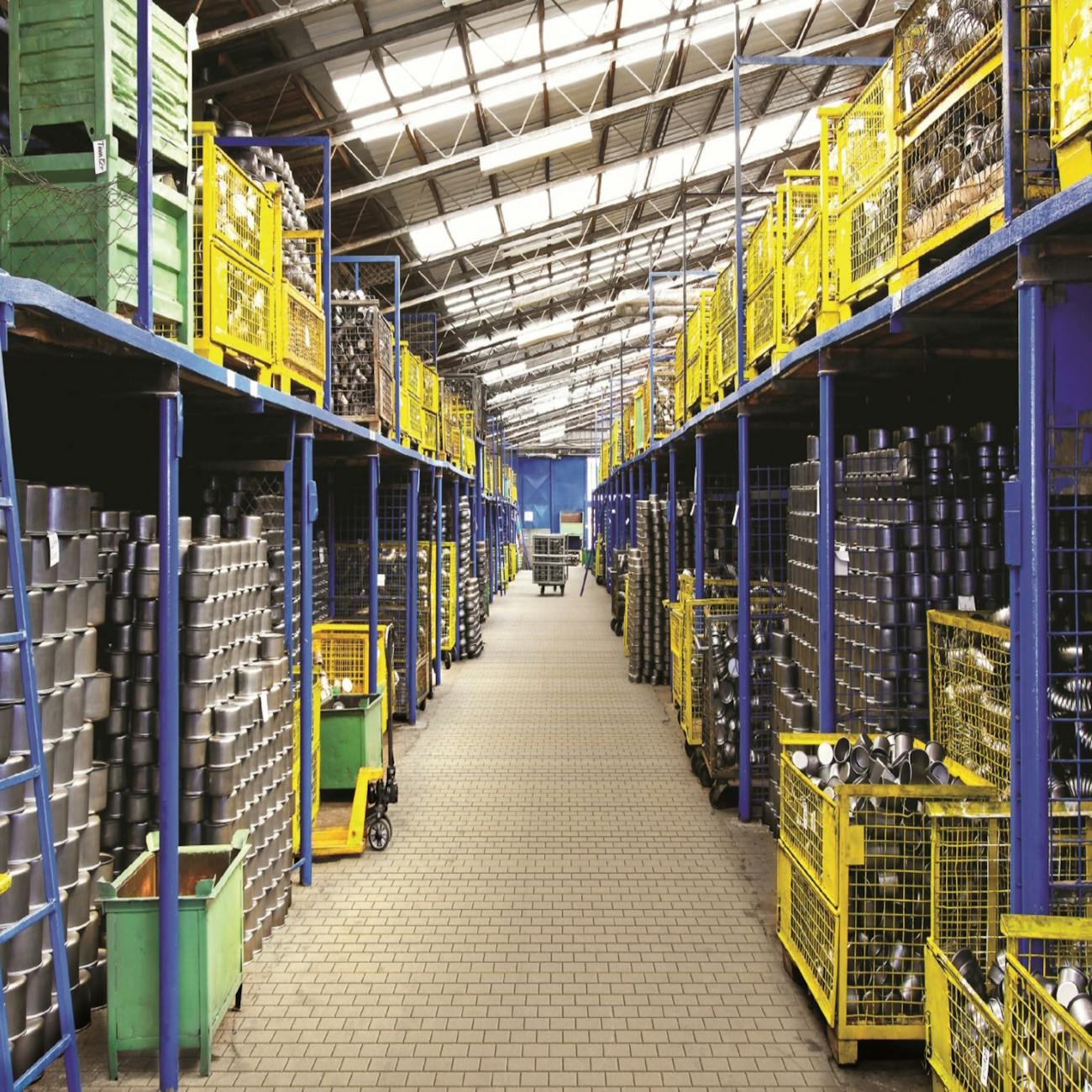
Sustainable Product Design is an approach to designing products that takes into account the entire lifecycle of the product, from raw material extraction to end-of-life disposal. The goal is to create products that are environmentally friendly, socially responsible, and economically viable. In this explanation, we will cover key terms and vocabulary related to Sustainable Product Design in the context of the Postgraduate Certificate in Product Lifecycle Management.
1. Sustainable Product Design: Sustainable Product Design is the process of designing products that meet the needs of customers while minimizing negative environmental and social impacts. This approach considers the entire lifecycle of the product, including raw material extraction, manufacturing, use, and disposal. 2. Lifecycle Assessment (LCA): LCA is a tool used to evaluate the environmental impacts of a product or process throughout its entire lifecycle. LCA considers all inputs and outputs, including raw materials, energy, water, and waste, to determine the environmental footprint of a product. 3. Circular Economy: The Circular Economy is a model that aims to eliminate waste and the continual use of resources. It is based on the principles of reducing, reusing, and recycling materials, and keeping products and materials in use for as long as possible. 4. Cradle to Cradle Design: Cradle to Cradle Design is an approach to product design that considers the entire lifecycle of a product, from raw material extraction to end-of-life disposal. The goal is to create products that can be fully recycled or biodegraded at the end of their useful life. 5. Design for Disassembly: Design for Disassembly is an approach to product design that considers the ease of disassembly and recycling of a product at the end of its useful life. This approach aims to reduce waste and minimize the environmental impact of a product. 6. Eco-Design: Eco-Design is an approach to product design that considers the environmental impact of a product throughout its entire lifecycle. This approach aims to minimize the environmental impact of a product by reducing resource consumption, energy consumption, and waste generation. 7. Biomimicry: Biomimicry is an approach to product design that takes inspiration from nature. This approach aims to create products that are sustainable, efficient, and adaptable, by mimicking the processes and systems found in nature. 8. Natural Capital: Natural Capital refers to the stock of natural assets, including geology, soil, air, water, and living organisms. These assets provide a range of benefits to society, including food, water, clean air, and climate regulation. 9. Greenwashing: Greenwashing is the practice of making false or misleading claims about the environmental benefits of a product or process. This practice is used to deceive consumers into believing that a product is more environmentally friendly than it actually is. 10. Life Cycle Costing (LCC): Life Cycle Costing is a method used to evaluate the total cost of a product or process over its entire lifecycle. LCC considers all costs associated with a product, including raw materials, manufacturing, use, and disposal. 11. Design for Environment (DfE): Design for Environment is an approach to product design that considers the environmental impact of a product throughout its entire lifecycle. This approach aims to minimize the environmental impact of a product by reducing resource consumption, energy consumption, and waste generation. 12. Sustainable Materials Management (SMM): Sustainable Materials Management is an approach to managing materials that considers the entire lifecycle of a product, from raw material extraction to end-of-life disposal. The goal is to create a circular economy where materials are used efficiently and minimized waste. 13. Industrial Ecology: Industrial Ecology is the study of the flows of materials and energy through industrial systems. This approach aims to create industrial systems that are sustainable, efficient, and minimize waste. 14. Carbon Footprint: Carbon Footprint refers to the total amount of greenhouse gas emissions associated with a product, process, or organization. This includes direct emissions, such as those from burning fossil fuels, and indirect emissions, such as those from the production of goods and services. 15. Water Footprint: Water Footprint refers to the total amount of freshwater used to produce a product, process, or organization. This includes direct water use, such as that used in manufacturing, and indirect water use, such as that used to produce the raw materials used in a product.
Examples:
* A company that produces plastic bottles could use Sustainable Product Design principles to create a bottle made from biodegradable materials, reducing the environmental impact of the product. * A furniture manufacturer could use Design for Disassembly principles to create furniture that can be easily disassembled and recycled at the end of its useful life, reducing waste and minimizing the environmental impact of the product. * An electronics company could use Life Cycle Costing to evaluate the total cost of a product over its entire lifecycle, including the cost of raw materials, manufacturing, use, and disposal, to make informed decisions about product design and production.
Practical Applications:
* Applying Sustainable Product Design principles to create products that are environmentally friendly, socially responsible, and economically viable. * Using LCA to evaluate the environmental impact of a product or process and identify areas for improvement. * Implementing a Circular Economy model to eliminate waste and keep products and materials in use for as long as possible. * Using Cradle to Cradle Design principles to create products that can be fully recycled or biodegraded at the end of their useful life. * Incorporating Biomimicry principles to create products that are sustainable, efficient, and adaptable, by mimicking the processes and systems found in nature.
Challenges:
* Balancing the need for sustainability with the demands of customers and the market. * Overcoming the perception that sustainable products are more expensive and less convenient than traditional products. * Developing and implementing new technologies and processes to support Sustainable Product Design. * Educating consumers about the benefits of sustainable products and the importance of sustainability. * Addressing the challenge of greenwashing and ensuring that claims about the environmental benefits of products are accurate and transparent.
In conclusion, Sustainable Product Design is an essential approach to product design that considers the entire lifecycle of a product, from raw material extraction to end-of-life disposal. By using tools such as LCA, Cradle to Cradle Design, and Design for Disassembly, companies can create products that are environmentally friendly, socially responsible, and economically viable. However, there are also challenges to implementing Sustainable Product Design, including balancing sustainability with customer demands, developing new technologies and processes, and addressing the challenge of greenwashing. By addressing these challenges and continuing to prioritize sustainability in product design, companies can contribute to a more sustainable future.
Key takeaways
- Sustainable Product Design is an approach to designing products that takes into account the entire lifecycle of the product, from raw material extraction to end-of-life disposal.
- Sustainable Materials Management (SMM): Sustainable Materials Management is an approach to managing materials that considers the entire lifecycle of a product, from raw material extraction to end-of-life disposal.
- * A furniture manufacturer could use Design for Disassembly principles to create furniture that can be easily disassembled and recycled at the end of its useful life, reducing waste and minimizing the environmental impact of the product.
- * Incorporating Biomimicry principles to create products that are sustainable, efficient, and adaptable, by mimicking the processes and systems found in nature.
- * Addressing the challenge of greenwashing and ensuring that claims about the environmental benefits of products are accurate and transparent.
- However, there are also challenges to implementing Sustainable Product Design, including balancing sustainability with customer demands, developing new technologies and processes, and addressing the challenge of greenwashing.